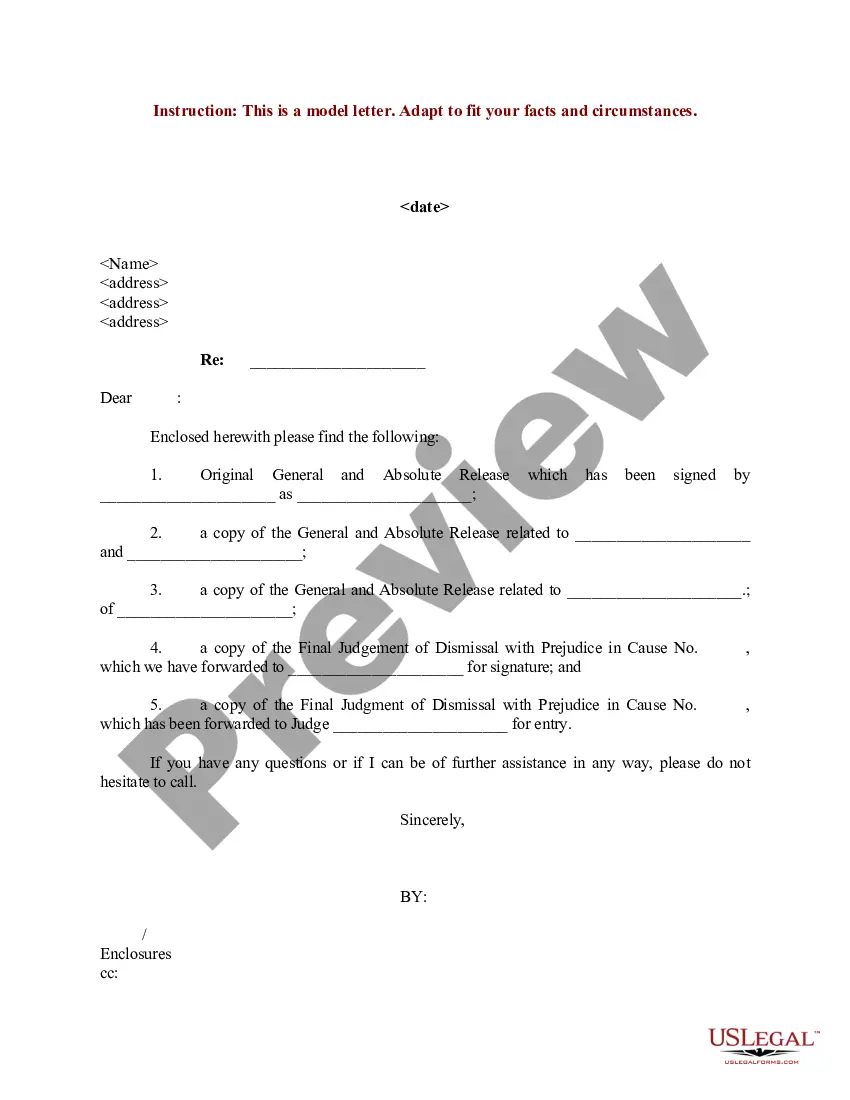
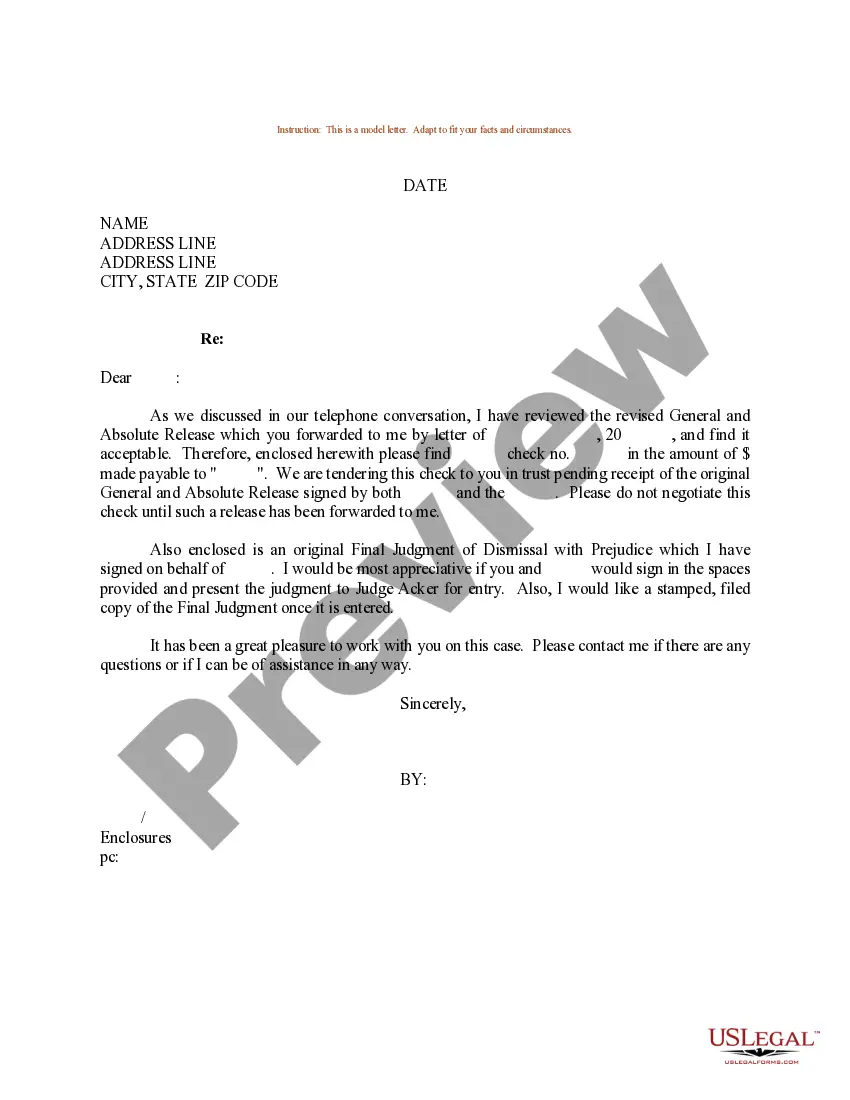
Release Letter Sample With Attachment In Philadelphia
Description

Get your form ready online
Our built-in tools help you complete, sign, share, and store your documents in one place.
Make edits, fill in missing information, and update formatting in US Legal Forms—just like you would in MS Word.
Download a copy, print it, send it by email, or mail it via USPS—whatever works best for your next step.
Sign and collect signatures with our SignNow integration. Send to multiple recipients, set reminders, and more. Go Premium to unlock E-Sign.
If this form requires notarization, complete it online through a secure video call—no need to meet a notary in person or wait for an appointment.
We protect your documents and personal data by following strict security and privacy standards.

Make edits, fill in missing information, and update formatting in US Legal Forms—just like you would in MS Word.

Download a copy, print it, send it by email, or mail it via USPS—whatever works best for your next step.

Sign and collect signatures with our SignNow integration. Send to multiple recipients, set reminders, and more. Go Premium to unlock E-Sign.

If this form requires notarization, complete it online through a secure video call—no need to meet a notary in person or wait for an appointment.

We protect your documents and personal data by following strict security and privacy standards.
Looking for another form?
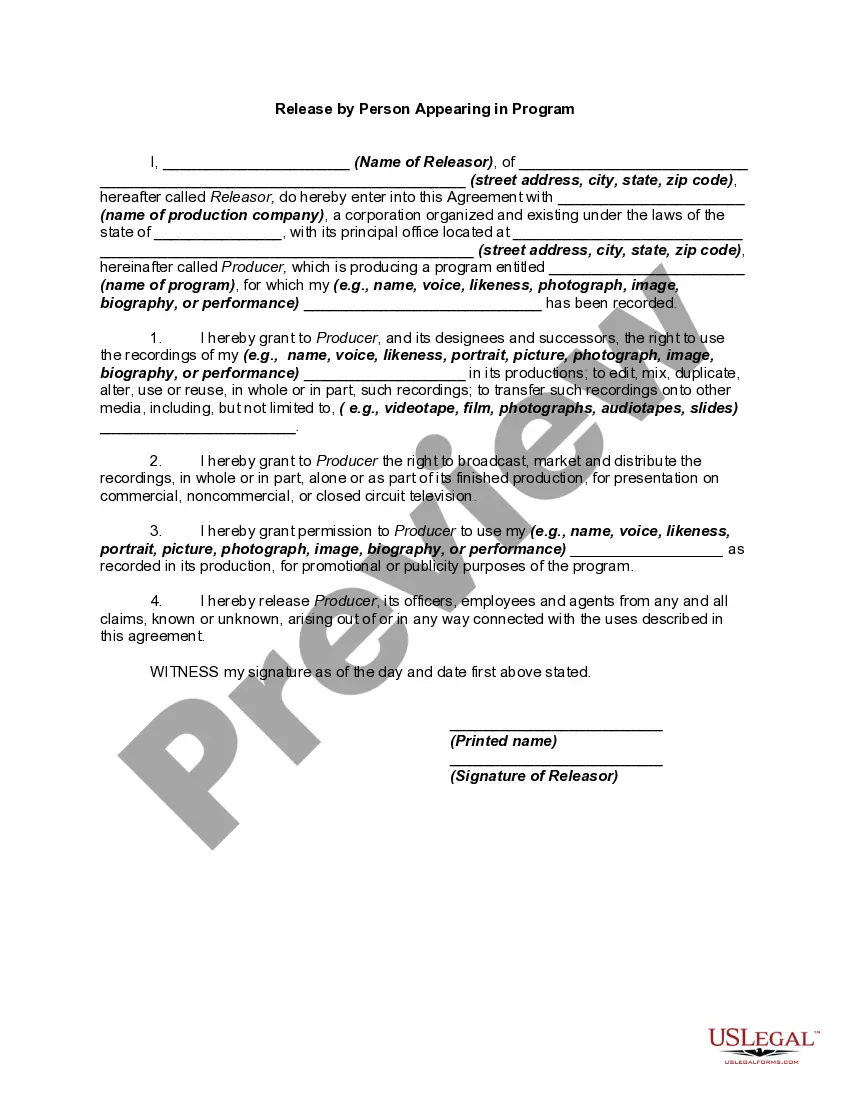
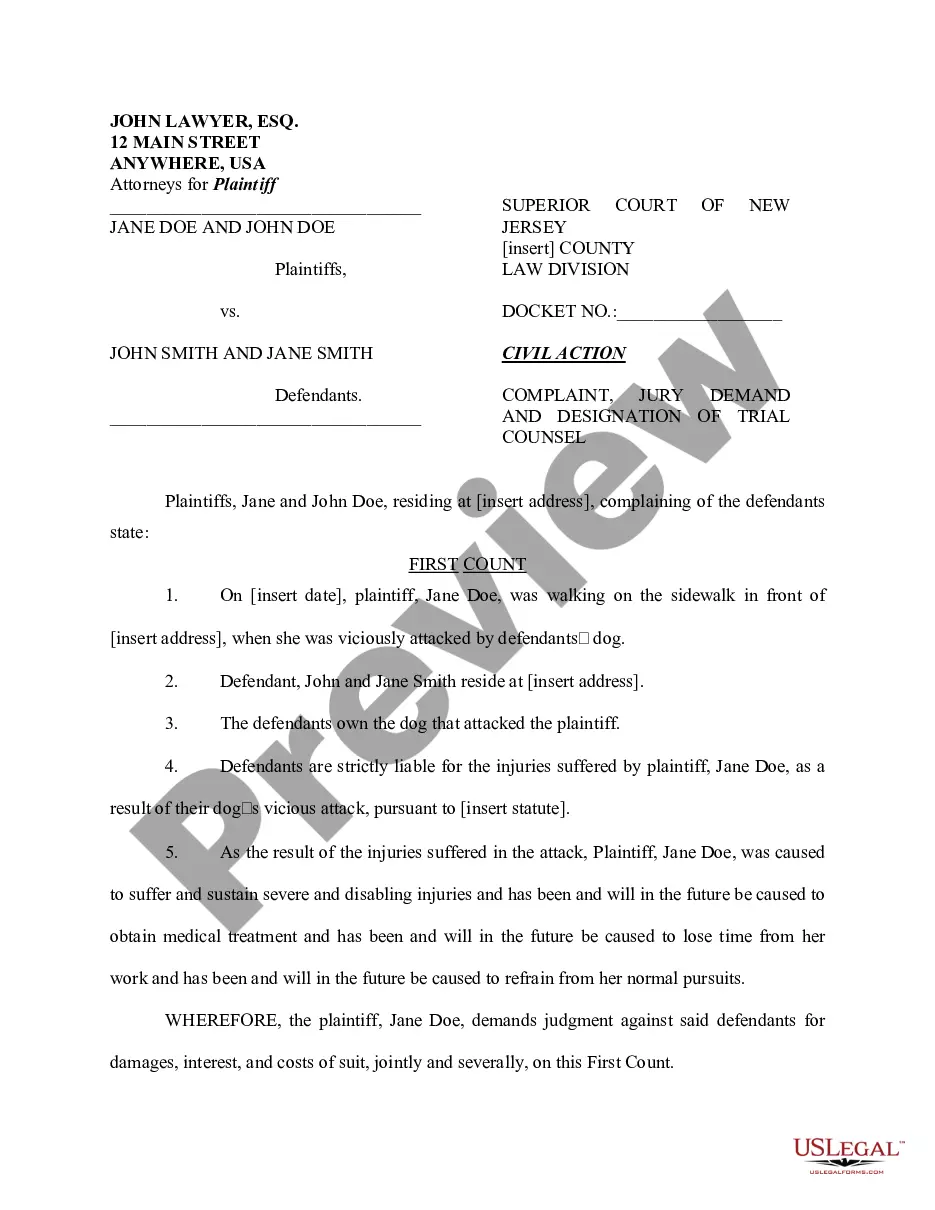

Form popularity
FAQ
1301. Except as provided hereunder, all cases having an amount in controversy, exclusive of interest and costs, of $50,000 or less shall be assigned to the Compulsory Arbitration Program of the Court of Common Pleas of Philadelphia County.
The Nuisance Business Law was created to address the City's commitment to reducing chronic nuisance behaviors in and around businesses to improve the health, safety, and welfare of the community.
Rule 1301 - Compulsory Arbitration: Cases Covered (a) Any civil action where the amount in controversy is Fifty Thousand ($50,000) Dollars or less and title to real estate is not involved, shall be submitted to compulsory arbitration pursuant to 7361 of the Judicial Code, 42 Pa.
Briefs or memoranda of law shall be typewritten, printed or otherwise duplicated, and endorsed with the name of the case, the court term and number, and the name, address, and electronic mail address of the attorney or the party if not represented by an attorney.
Rule 1037.2 - Judgments by Default-Assessment of Damages (A) In order for the Office of Judicial Records to assess damages pursuant to Pa. R.C.P. 1037(b)(1) upon default for failure to answer, a complaint in an action must pray for specific items and amounts.
Asbestos Litigation. Special Provisions. (a) In an action involving any allegation for injury or death arising from exposure to asbestos, the rules of civil procedure governing a civil action shall apply except as provided by this rule.
Any other party may subpoena a person whose testimony is waived by this Rule to appear at the trial and may cross-examine him as to the documents as if he were a witness for the party offering the document.
Preliminary Objections. Of the three grounds available to challenge venue, only improper venue may be raised by preliminary objection as provided by Rule 1006(e). Forum non conveniens and inability to hold a fair and impartial trial are raised by petition as provided by Rule 1006(d)(1) and (2).
The Philadelphia Municipal Court is a court of limited jurisdiction and is responsible for trying criminal offenses carrying maximum sentences of incarceration of five years or less; civil cases where the amount in controversy is $12,000 or less for Small Claims; unlimited dollar amounts in Landlord and Tenant cases; ...
You can make a motion to get a continuance. A motion is simply asking the court to do something. So you file a motion to continue -- this is requesting the judge give you more time. Best to file this in writing with the clerk of the court AND send a copy to the other side.