Release Letter Sample With Reference In Ohio
Description
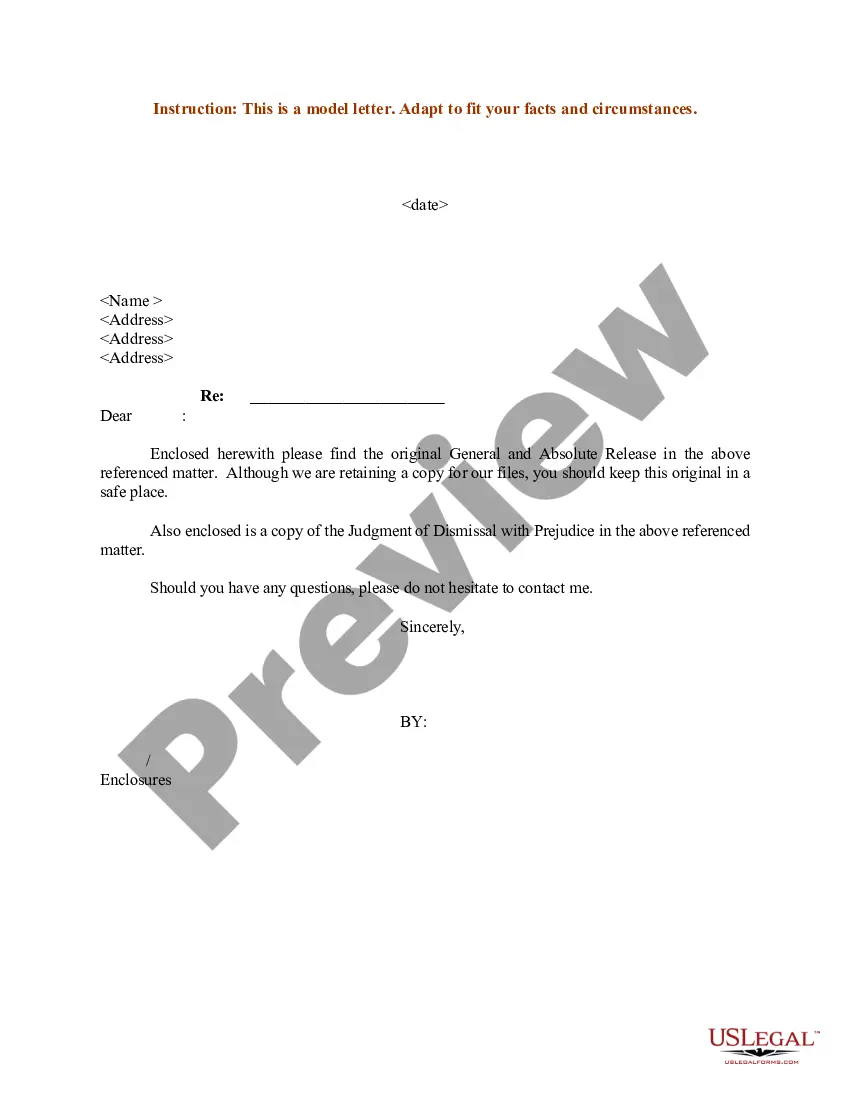
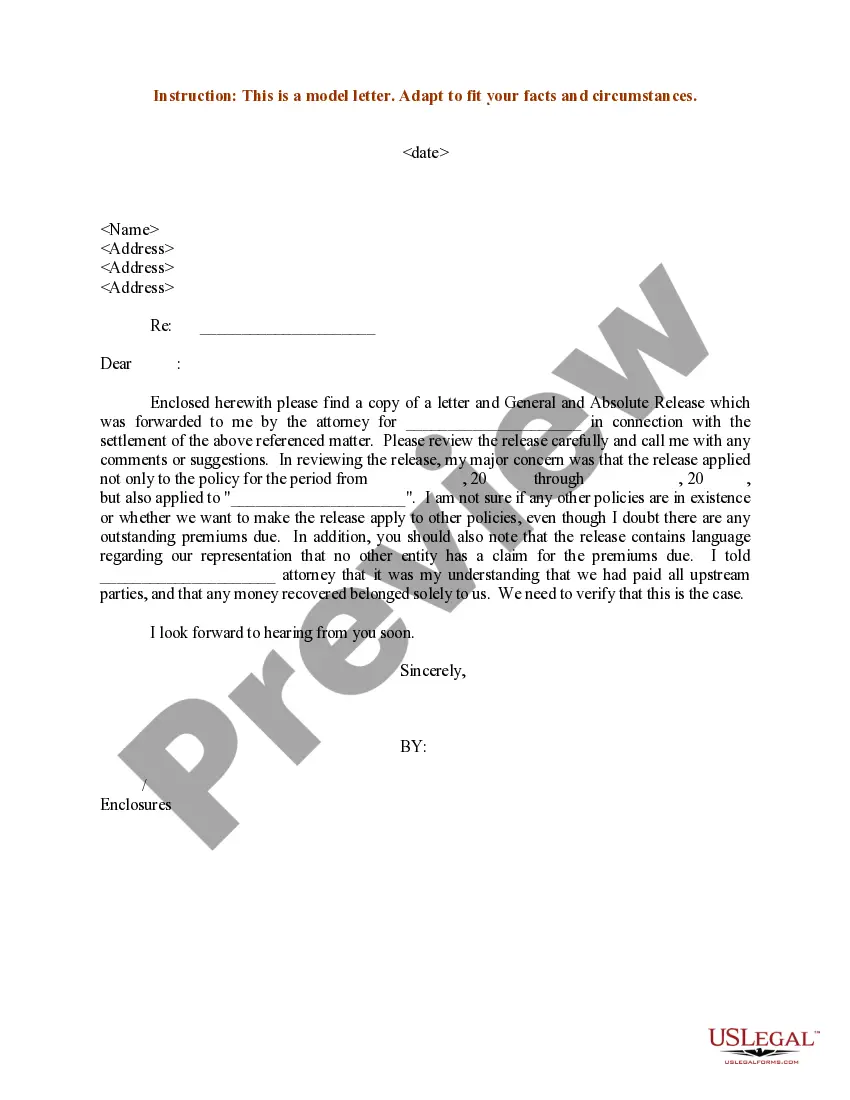
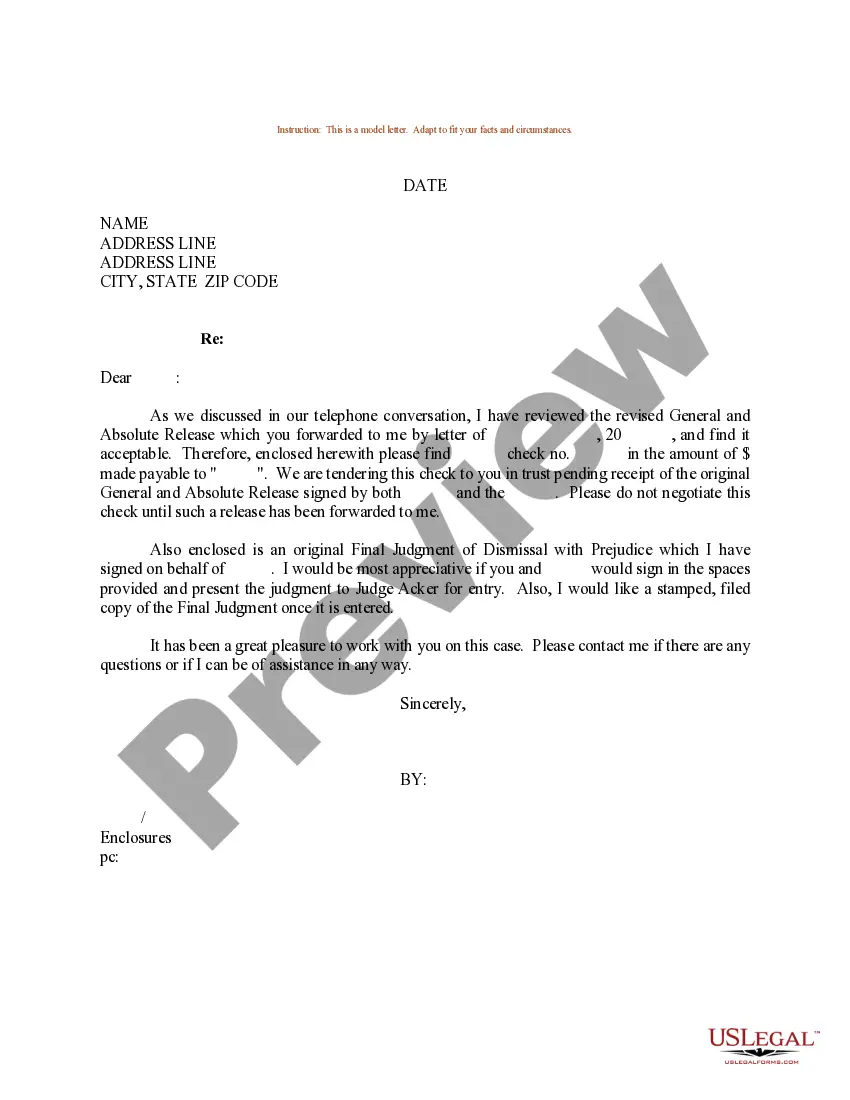
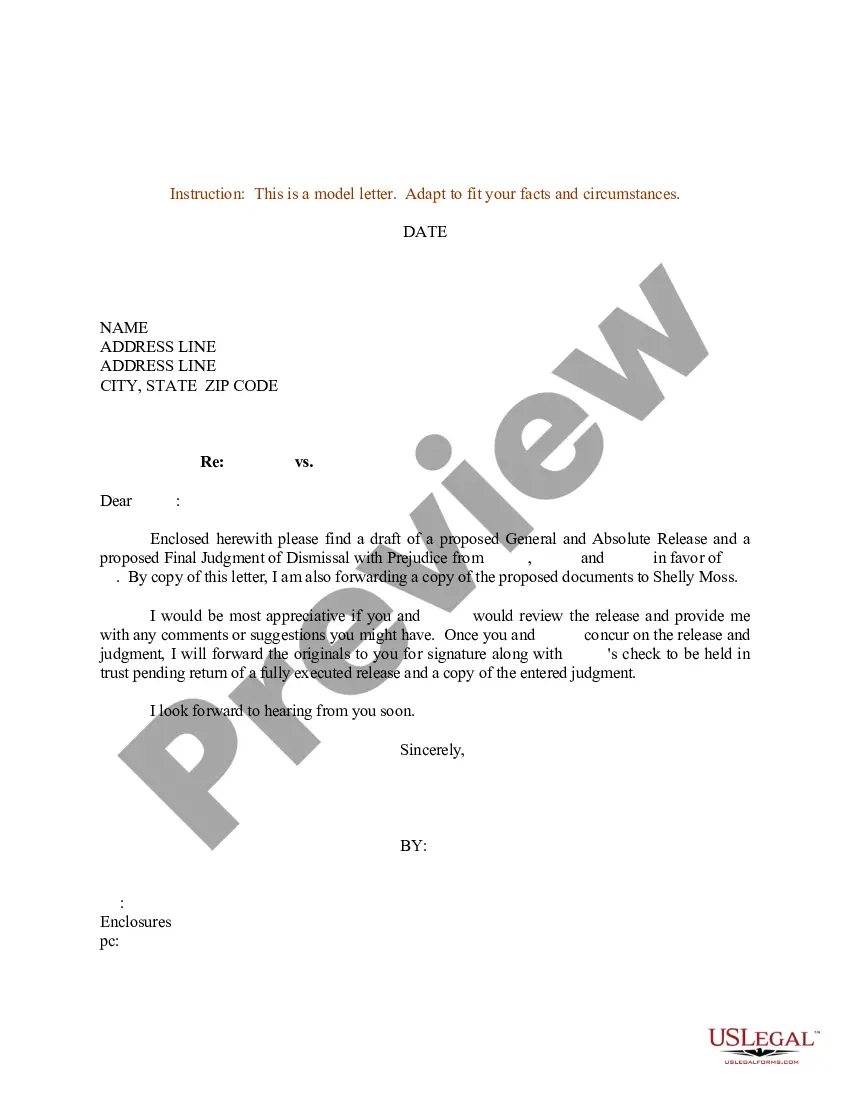
Get your form ready online
Our built-in tools help you complete, sign, share, and store your documents in one place.
Make edits, fill in missing information, and update formatting in US Legal Forms—just like you would in MS Word.
Download a copy, print it, send it by email, or mail it via USPS—whatever works best for your next step.
Sign and collect signatures with our SignNow integration. Send to multiple recipients, set reminders, and more. Go Premium to unlock E-Sign.
If this form requires notarization, complete it online through a secure video call—no need to meet a notary in person or wait for an appointment.
We protect your documents and personal data by following strict security and privacy standards.

Make edits, fill in missing information, and update formatting in US Legal Forms—just like you would in MS Word.

Download a copy, print it, send it by email, or mail it via USPS—whatever works best for your next step.

Sign and collect signatures with our SignNow integration. Send to multiple recipients, set reminders, and more. Go Premium to unlock E-Sign.

If this form requires notarization, complete it online through a secure video call—no need to meet a notary in person or wait for an appointment.

We protect your documents and personal data by following strict security and privacy standards.
Looking for another form?



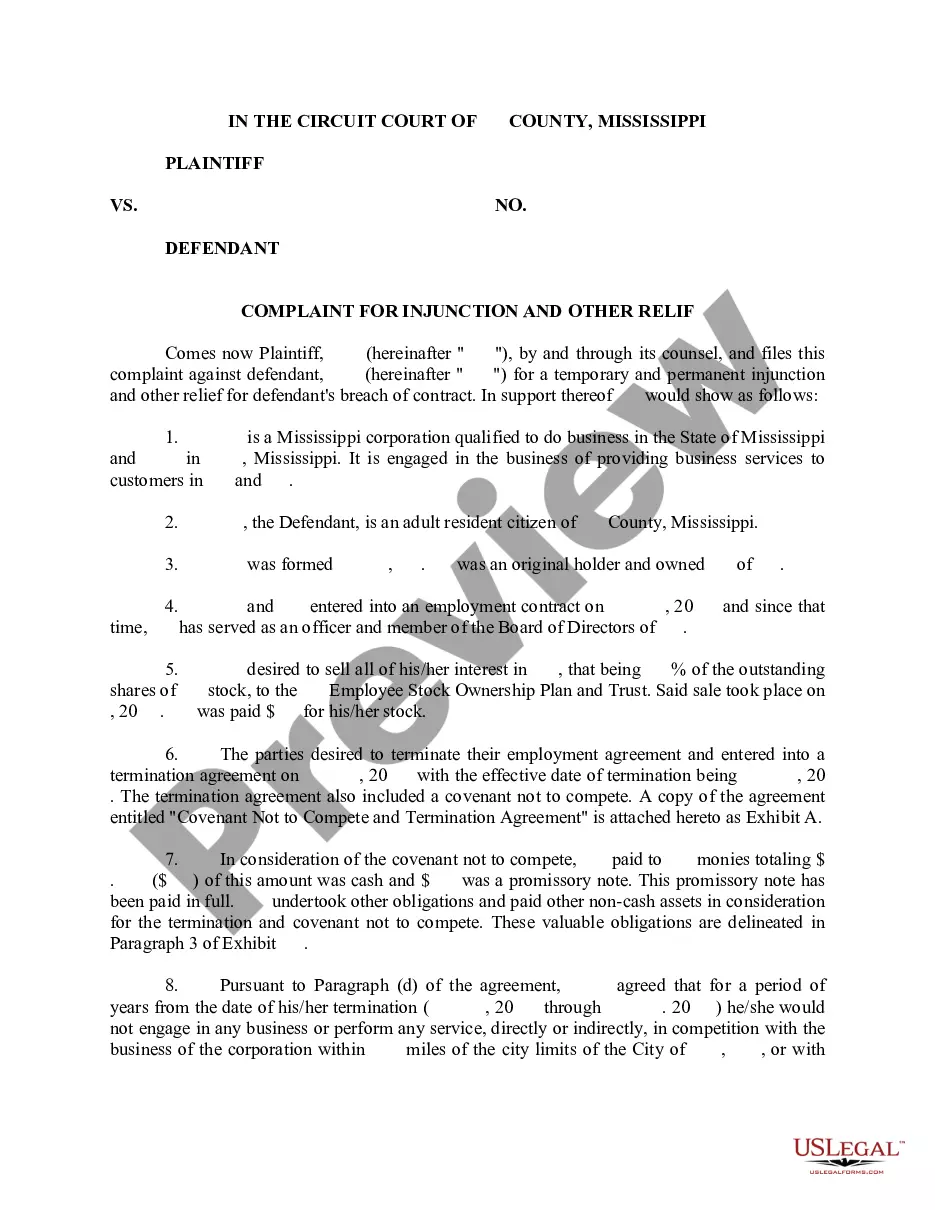
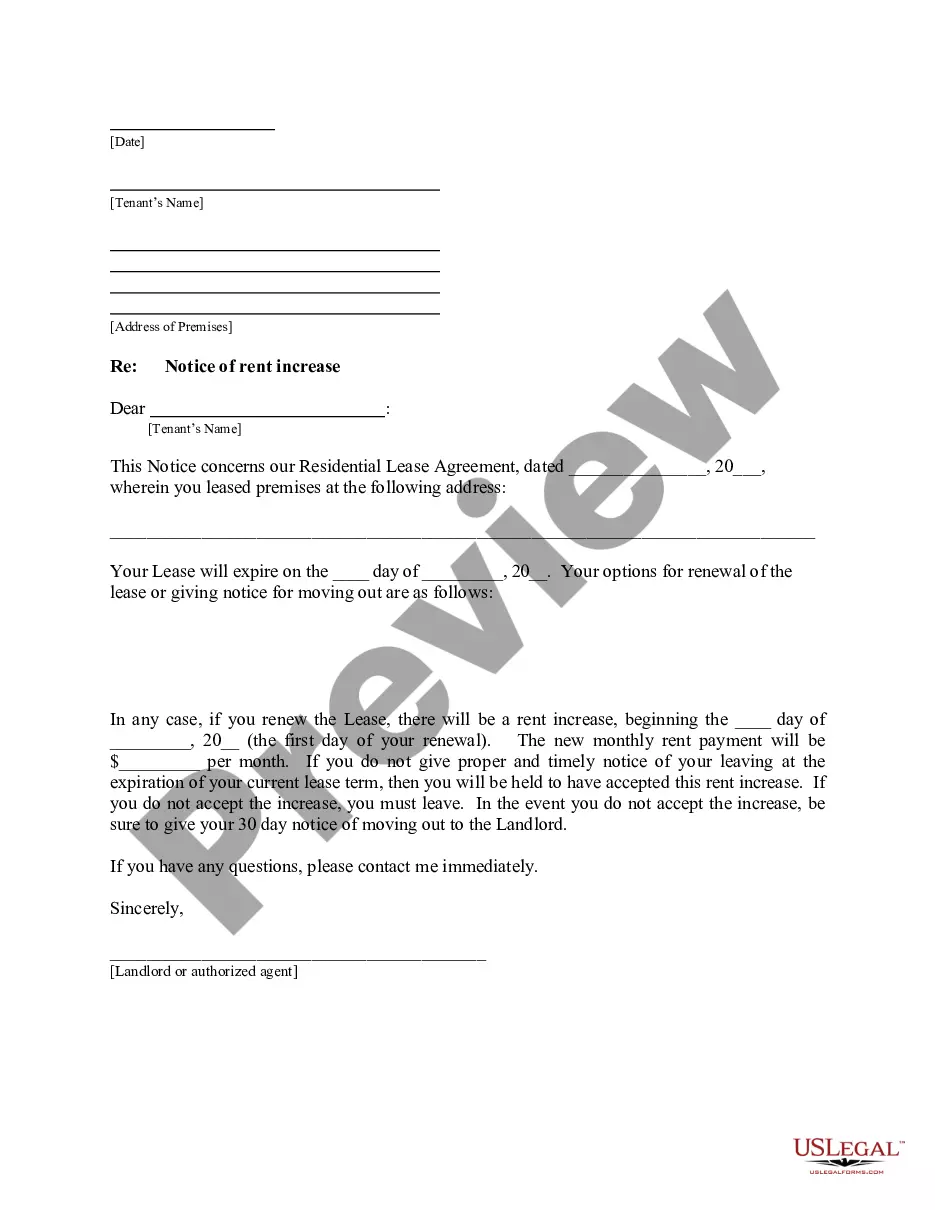

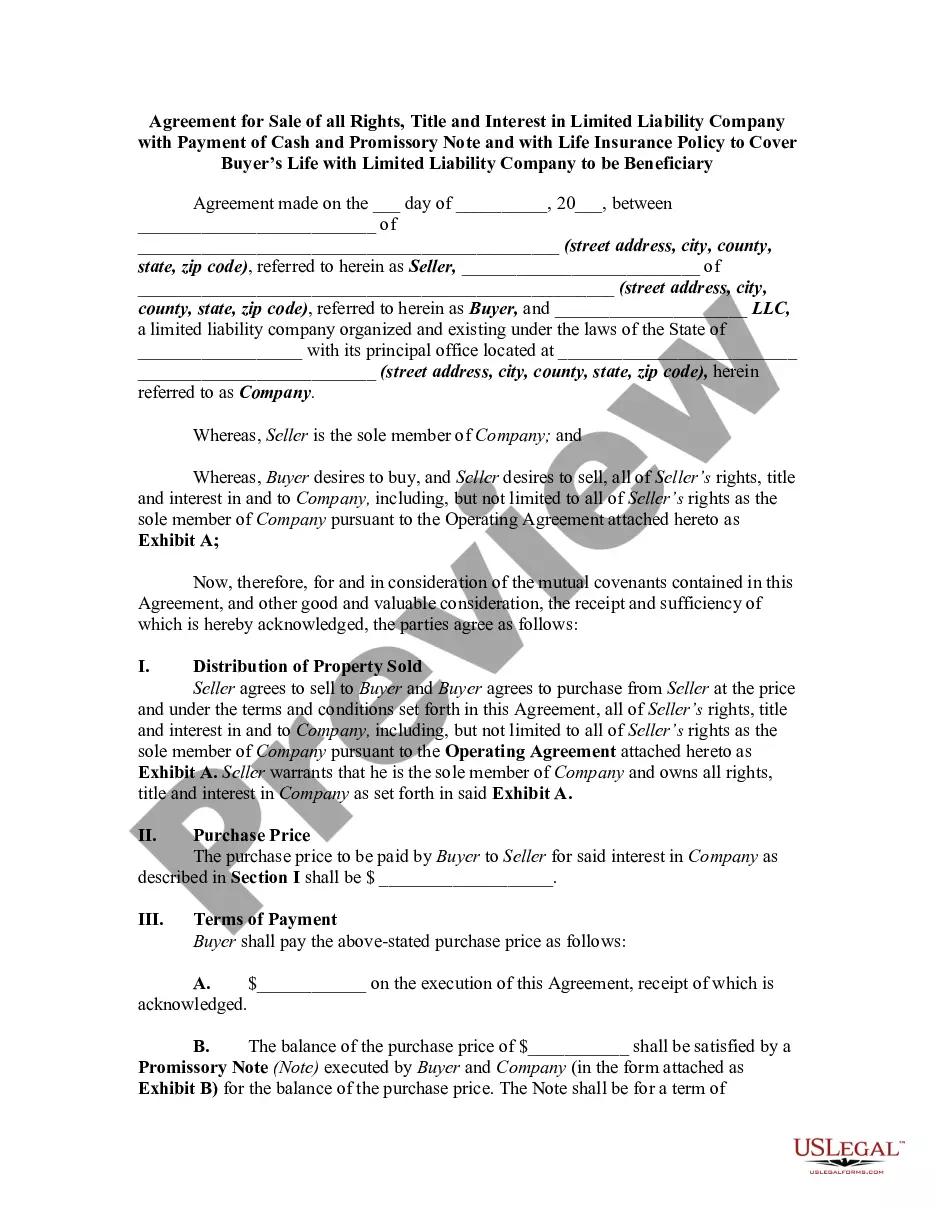



Form popularity
FAQ
A compassionate release letter should include a statement of intent, reference to the specific provision under which the inmate is applying, an explanation of how the inmate meets the criteria, supporting background information, and a release plan. Examples of successful letters can provide valuable guidance.
Writing in a Professional Tone The best way to write a letter to a judge is in business style, which is a formal way of structuring your message (outlined below). In addition to following a business-style structure, you should write the letter in a professional tone to ensure the judge will take your letter seriously.
Offenders sent to prison will generally serve 80% or more of their sentence, plus several years on PRC (if applicable). The rules on release vary depending on whether an offender is sentenced to a minimum and maximum term (most first- and second-degree felonies) or a set term (all other felonies).
Petition for a Reduction in Minimum Prison Term Incarcerated adults seeking petition for reduction in a minimum prison term must first meet with their unit case manager and complete an Incarcerated Adult Petition for Sentence Reduction SB201 (DRC3197).
Letters from non-lawyers to judges are absolutely to be avoided. They are inappropriate and violate many rules regarding proper communication with judges. Some letters may be in violation of criminal law that prohibits improper efforts to influenc...
Parole boards are looking for offenders to say certain things in their letters: Take responsibility. You can't plead your innocence or try to minimize your role in the crime. Express remorse. Explain how you have changed. Describe your future.
Contact Chambers Law Firm at 714-760-4088 for support from a criminal defense attorney. Start with a Clear Introduction. Introduce Yourself and Establish Credibility. Provide Reasons for Leniency. Tell a Story or Give Specific Examples. Provide Your Contact Information. Not the Same as a Motion to Modify a Sentence.
You must be serving at least one non-mandatory sentence to be eligible for Judicial Release. You are not eligible during any period you are serving a mandatory sentence. You are not eligible if you are serving only a mandatory sentence. Mandatory terms are defined at R.C.
If judicial release is granted, then the remaining prison sentence is suspended, and the inmate is released on community control (local supervision) for a period of between 1 and 5 years. The person will then meet with the County's probation department and determine the details of the supervision.
Under Ohio Revised Code Section 2929.20, judicial release allows eligible inmates to be released from custody and convert the remainder of their sentence to probation. To be considered eligible, an offender first cannot be serving a mandatory prison sentence.

