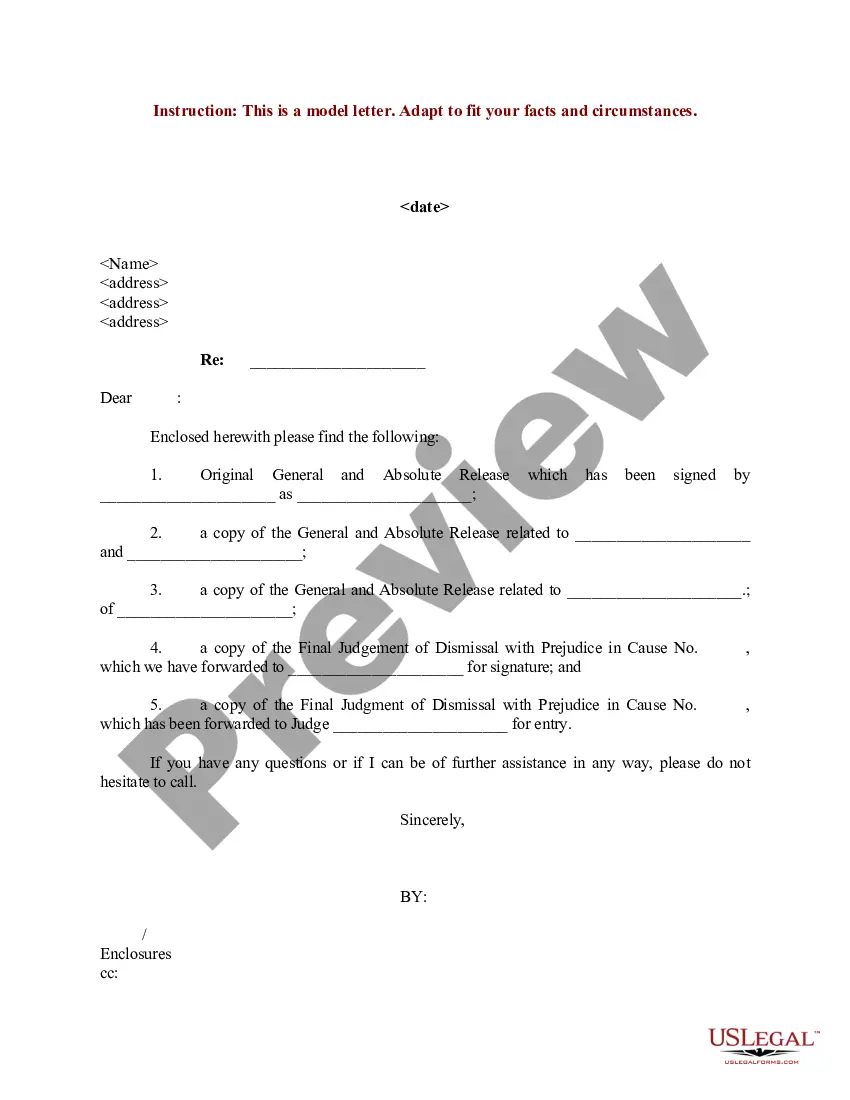
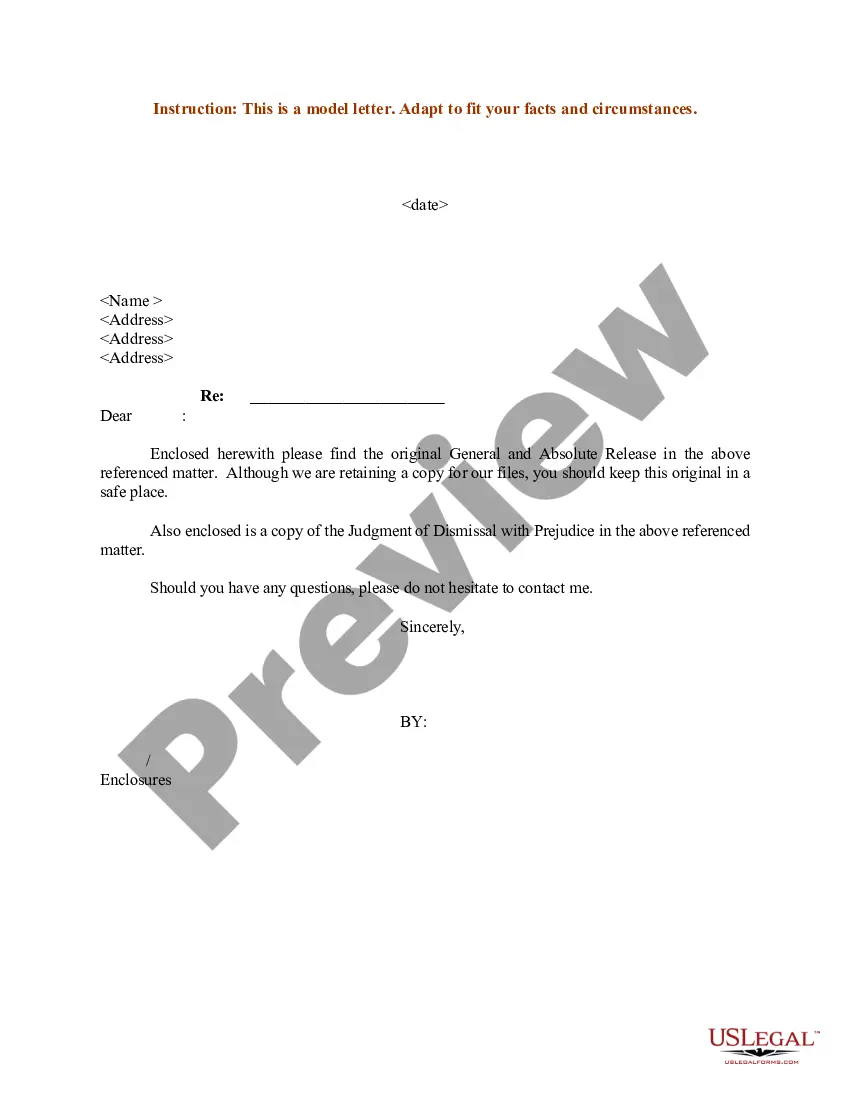
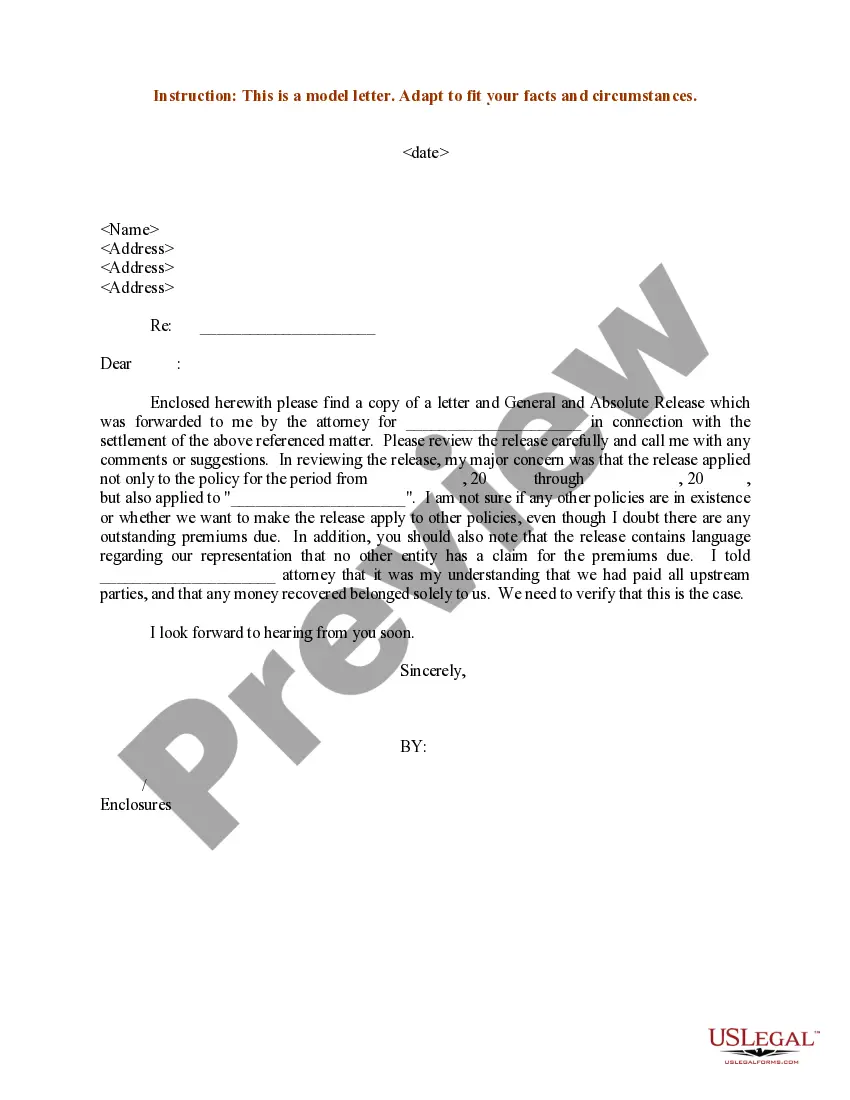
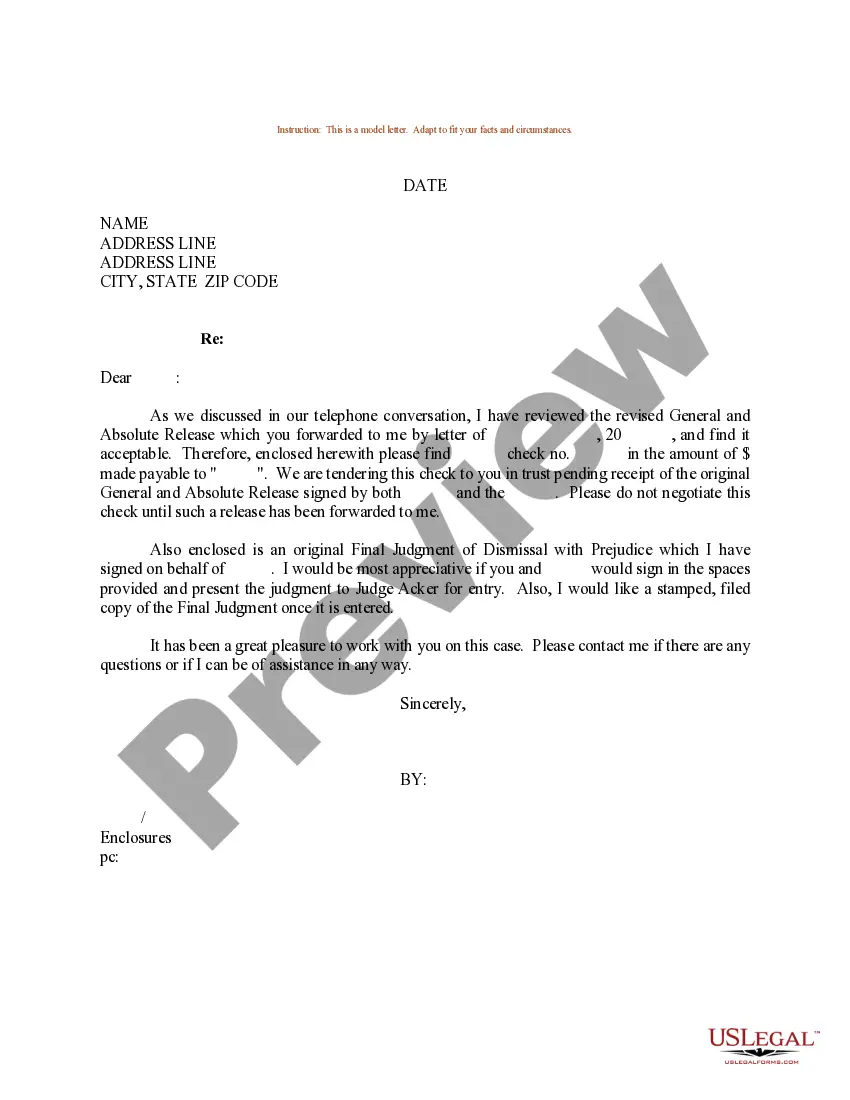
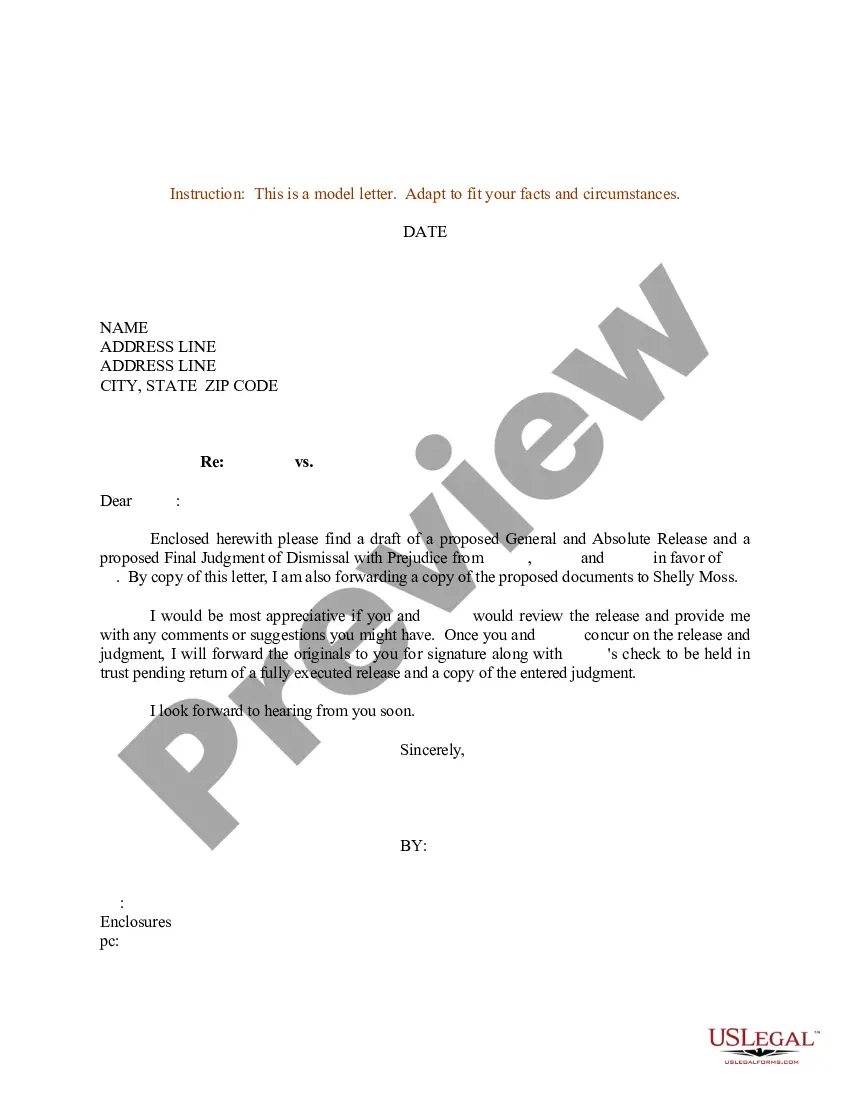
Release Letter Sample With Greetings In Oakland
Description
Get your form ready online
Our built-in tools help you complete, sign, share, and store your documents in one place.
Make edits, fill in missing information, and update formatting in US Legal Forms—just like you would in MS Word.
Download a copy, print it, send it by email, or mail it via USPS—whatever works best for your next step.
Sign and collect signatures with our SignNow integration. Send to multiple recipients, set reminders, and more. Go Premium to unlock E-Sign.
If this form requires notarization, complete it online through a secure video call—no need to meet a notary in person or wait for an appointment.
We protect your documents and personal data by following strict security and privacy standards.

Make edits, fill in missing information, and update formatting in US Legal Forms—just like you would in MS Word.

Download a copy, print it, send it by email, or mail it via USPS—whatever works best for your next step.

Sign and collect signatures with our SignNow integration. Send to multiple recipients, set reminders, and more. Go Premium to unlock E-Sign.

If this form requires notarization, complete it online through a secure video call—no need to meet a notary in person or wait for an appointment.

We protect your documents and personal data by following strict security and privacy standards.
Looking for another form?









Form popularity
FAQ
5 Steps to Prepare a Release Letter Step 1: Format Your Letter. Set up the format of the letter in the standard business format. Step 2: Information About the Release. Step 3: Maintaining the Tone. Step 4: Make it Short and Crisp. Step 5: Logo of the Company and the Name.
To formally greet someone in writing, some common options include: ``Dear (Name),'' ``Greetings (Name),'' ``To (Name),'' ``Honourable (Name),'' The choice depends on the level of formality. ``Dear (Name)'' is a standard formal greeting. ``Greetings (Name)'' is slightly more formal.
How to Write a Relieving Letter word format? Introduction. Start with a courteous introduction addressed to the departing employee. Statement of Termination. Reason for Departure. Highlight Achievements. Appreciation. Clearance Status. Future Success Wishes. Closing.
What are the parts of a formal letter? Header (date/address/return address) Date: When you write a formal letter, it's crucial to include the date on which you wrote it. Salutation. In a formal letter, the standard salutation is “Dear” followed by the recipient's title and last name. Body. Closing. Signature.
Release Letter means an unchangeable written promise by party, confirming the completion of specified obligations.
Dear Mr Name , This has reference to your letter of resignation dated( ------------), wherein you have requested to be relieved from the services of the company on( date----------). We also certify that your full and final settlement of account has been cleared with the organization.
The most formal salutation is Dear, title, then the last name. If you're unsure of the person's pronouns, it's a good idea to use Dear First and last name or Dear First name. When you don't know the recipient's name, you can use Hello or Greetings.
You will know the recipient's name in most situations, so the salutation should be “Dear," followed by “Mr.” or “Mrs.” and the recipient's last name. If you are addressing a larger group of people, the salutation can be “To”, followed by the name of the organization or department you are addressing to.
To formally greet someone in writing, some common options include: ``Dear (Name),'' ``Greetings (Name),'' ``To (Name),'' ``Honourable (Name),'' The choice depends on the level of formality. ``Dear (Name)'' is a standard formal greeting. ``Greetings (Name)'' is slightly more formal.