Release Letter Sample With Attachment In North Carolina
Description

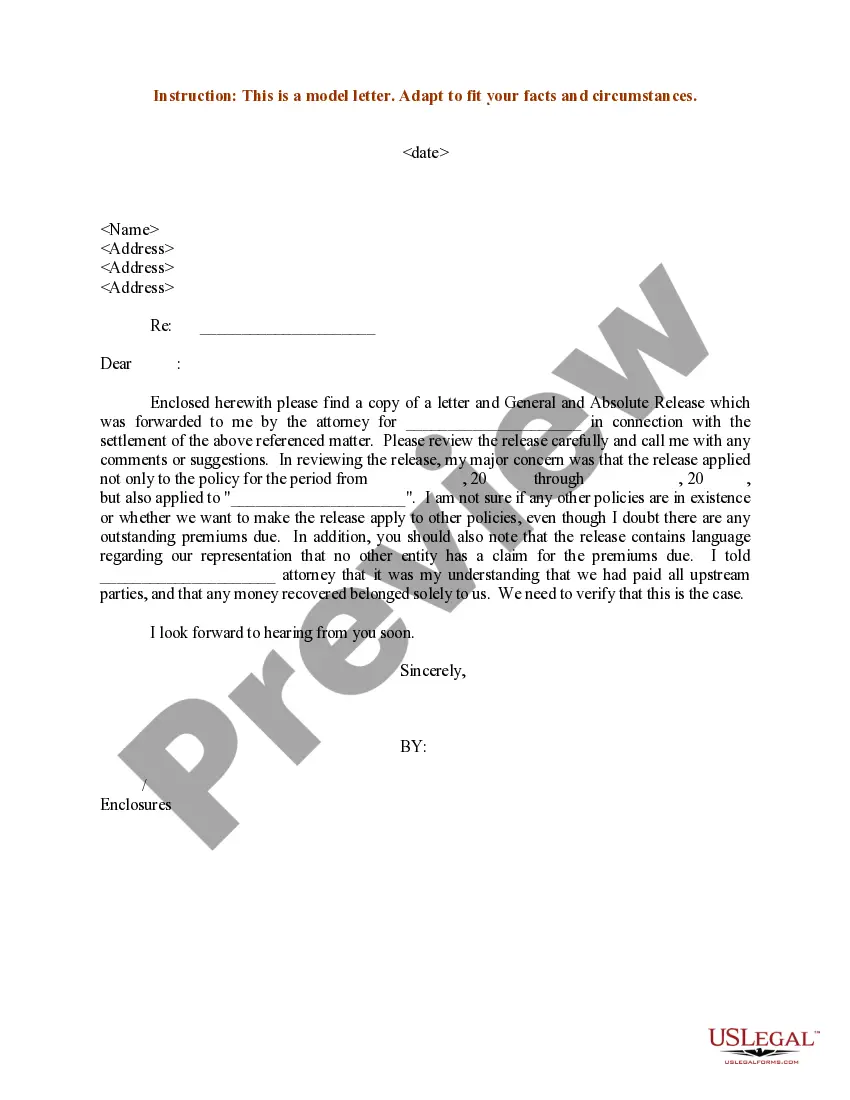
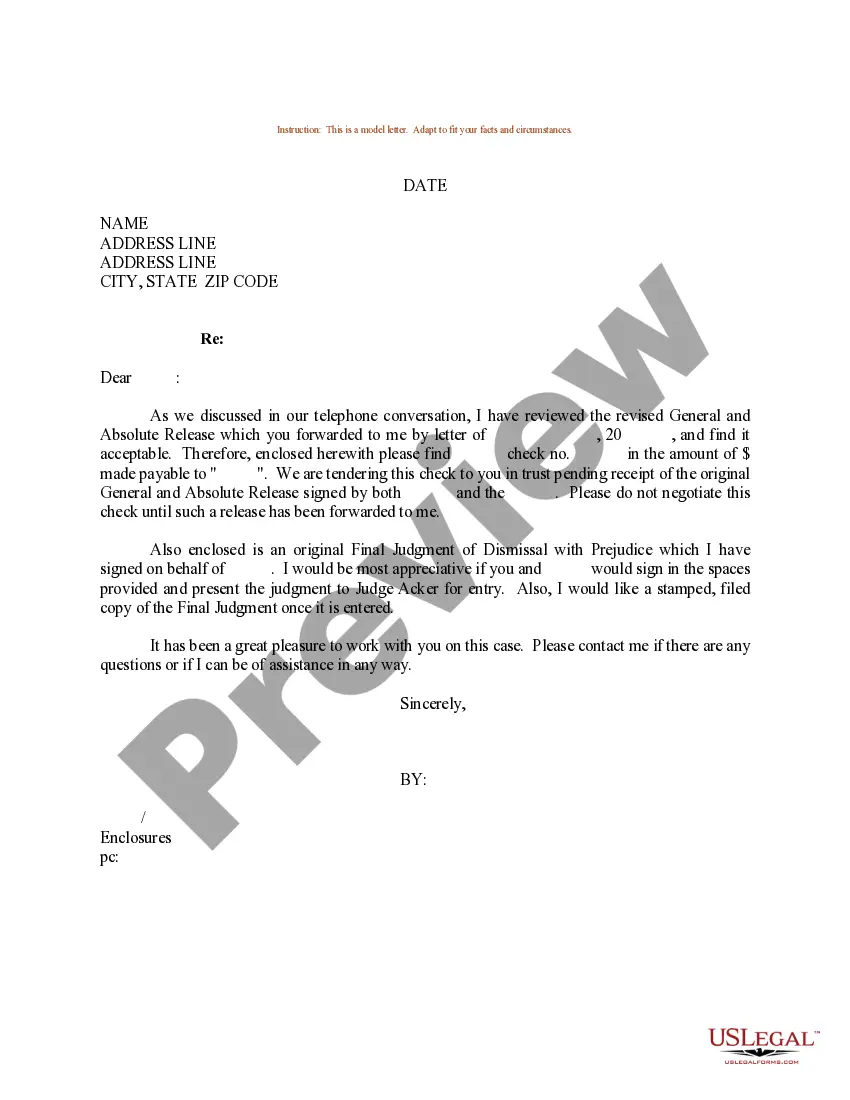
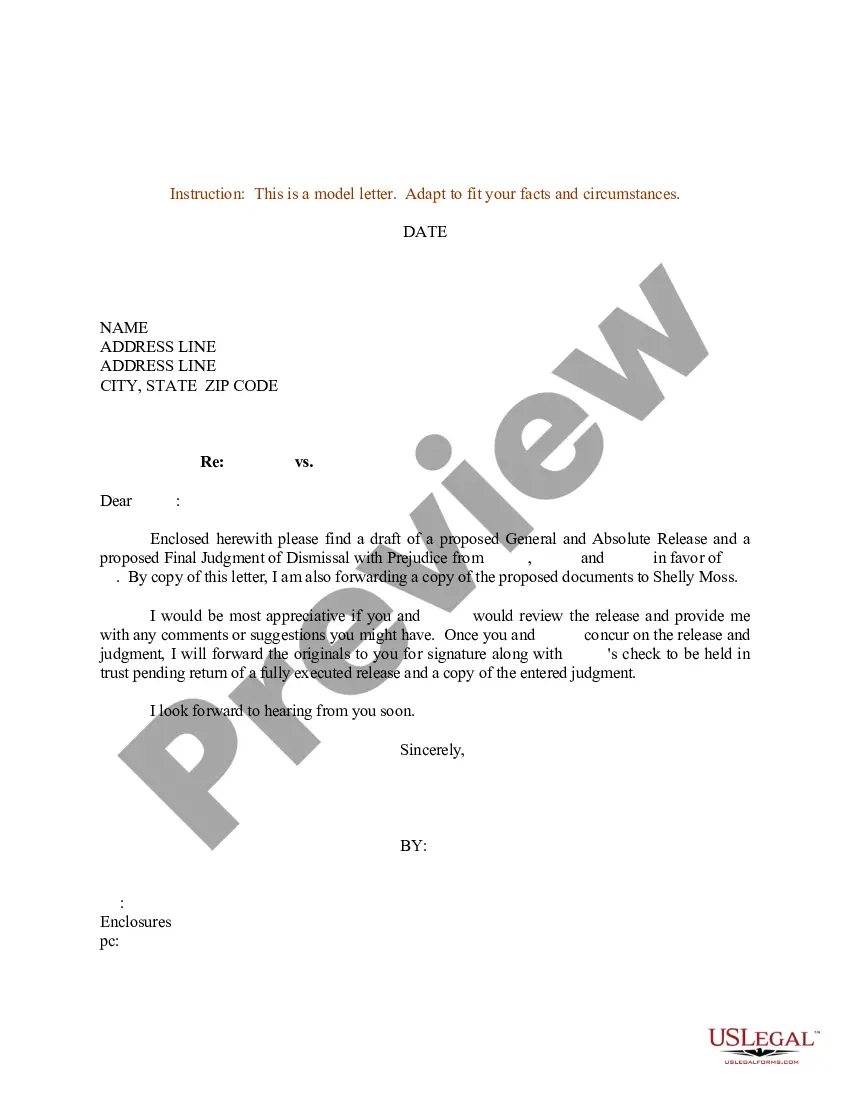
Get your form ready online
Our built-in tools help you complete, sign, share, and store your documents in one place.
Make edits, fill in missing information, and update formatting in US Legal Forms—just like you would in MS Word.
Download a copy, print it, send it by email, or mail it via USPS—whatever works best for your next step.
Sign and collect signatures with our SignNow integration. Send to multiple recipients, set reminders, and more. Go Premium to unlock E-Sign.
If this form requires notarization, complete it online through a secure video call—no need to meet a notary in person or wait for an appointment.
We protect your documents and personal data by following strict security and privacy standards.

Make edits, fill in missing information, and update formatting in US Legal Forms—just like you would in MS Word.

Download a copy, print it, send it by email, or mail it via USPS—whatever works best for your next step.

Sign and collect signatures with our SignNow integration. Send to multiple recipients, set reminders, and more. Go Premium to unlock E-Sign.

If this form requires notarization, complete it online through a secure video call—no need to meet a notary in person or wait for an appointment.

We protect your documents and personal data by following strict security and privacy standards.
Looking for another form?
Form popularity
FAQ
These debts will be discharged in the end. Your lawyer will contact the attorney for the lender, who will file motions to stop the process, and your paycheck, in most cases, will no longer be garnished within 15 to 30 days.
If you have received a Notice of Individual Income Tax Assessment, you have been assessed for income taxes due. You may have also previously received a "Notice to File a Return" and failed to respond to that notice within 30 days.
Call the Court or, better, go to the Court and ask to see the file. Review the file to determine who the original creditor was. You could also contact the attorney for the garnishee and ask them for that information. Go to the court and file an objection to the garnishment. The Court will set a hearing.
In the US, an employer must accept one garnishment and they can't fire you specifically for that. In a sense, you have some job security while the garnishment is in effect. However, they can fire you for cause if a legitimate case exists.
Garnishment is primarily a reduction of income, which can be burdensome for those already struggling to make ends meet. The garnishment doesn't just hurt your budget, but it can also drag down your credit scores.
Dear (Creditor's Name), I am writing to formally request the cessation of wage garnishment related to my account number (Your Account Number). Due to (briefly explain your situation, eg, ``a recent job loss'' or ``significant financial hardship''), I am unable to meet my current financial obligations.
A notice of assessment is mailed to taxpayers notifying them of the proposed amount they owe.
Once a tax bill has become delinquent, the Tax Collector has the authority (given by NCGS 105-368(a)) to garnish the taxpayer's wages or to attach rent, bank deposits, or other funds that are being held on behalf of the taxpayer to satisfy the debt.

