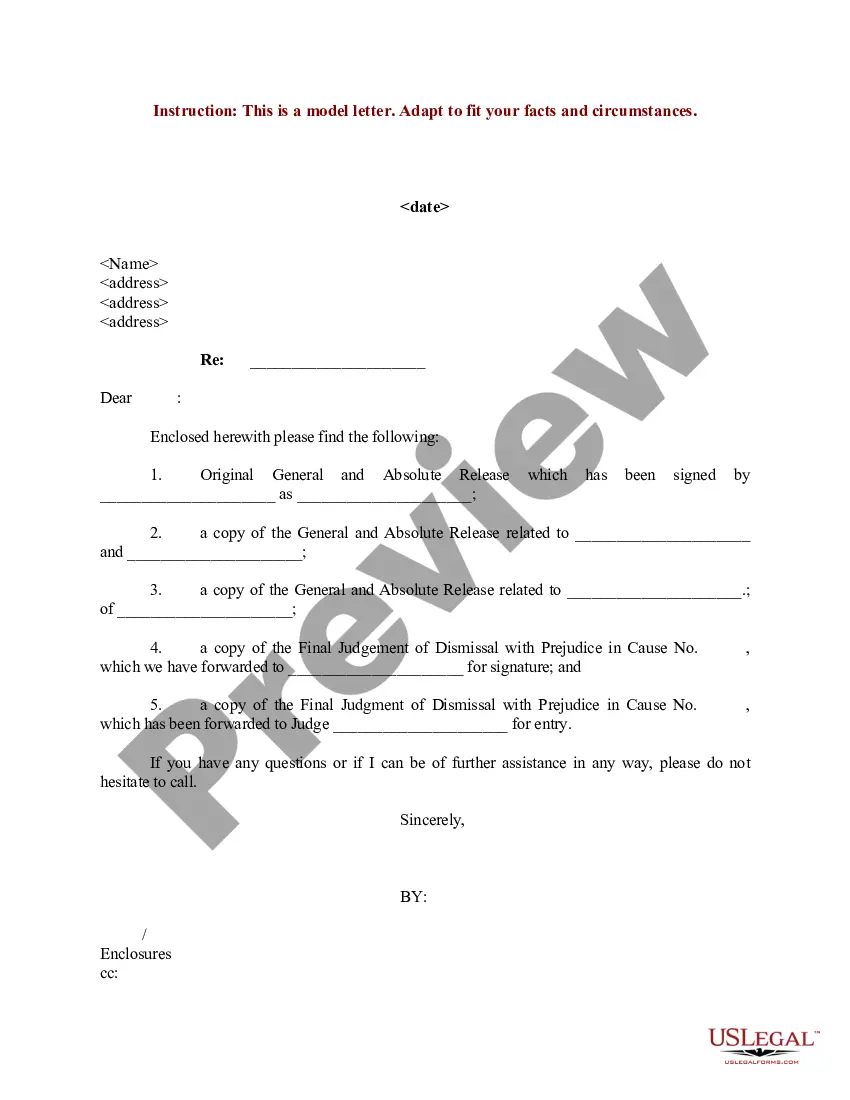
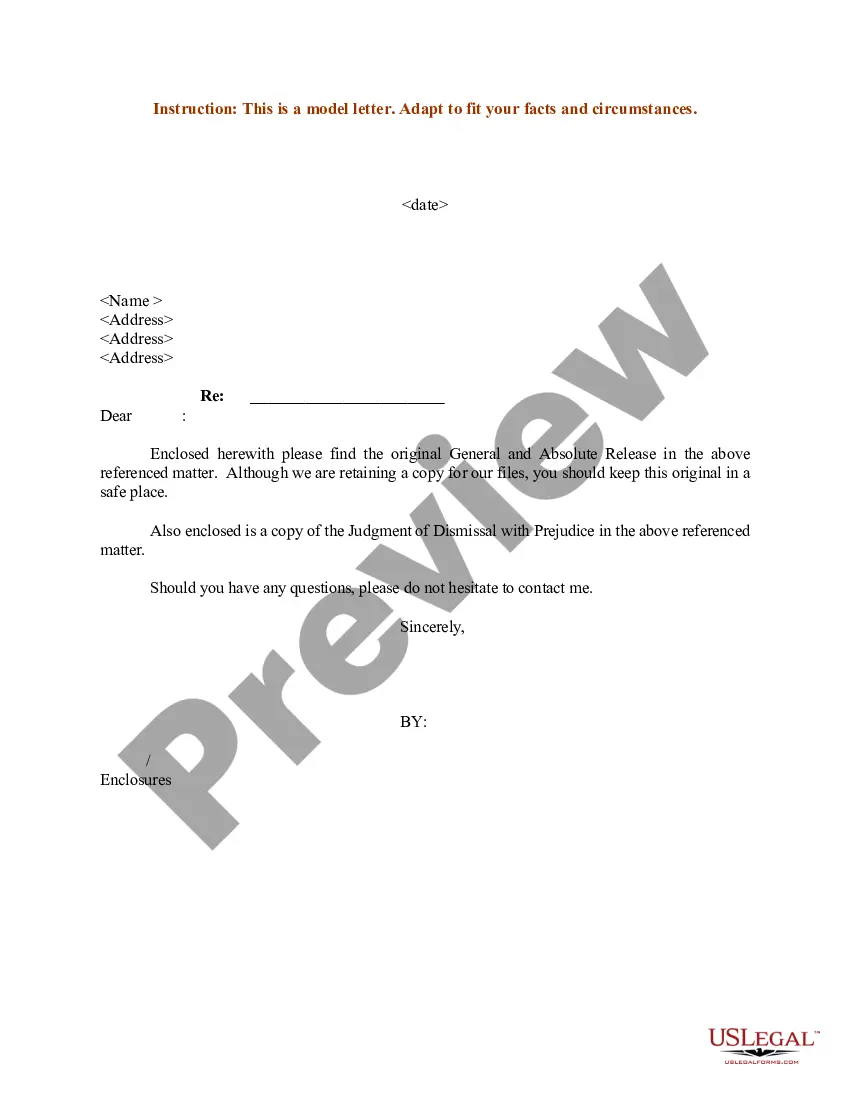
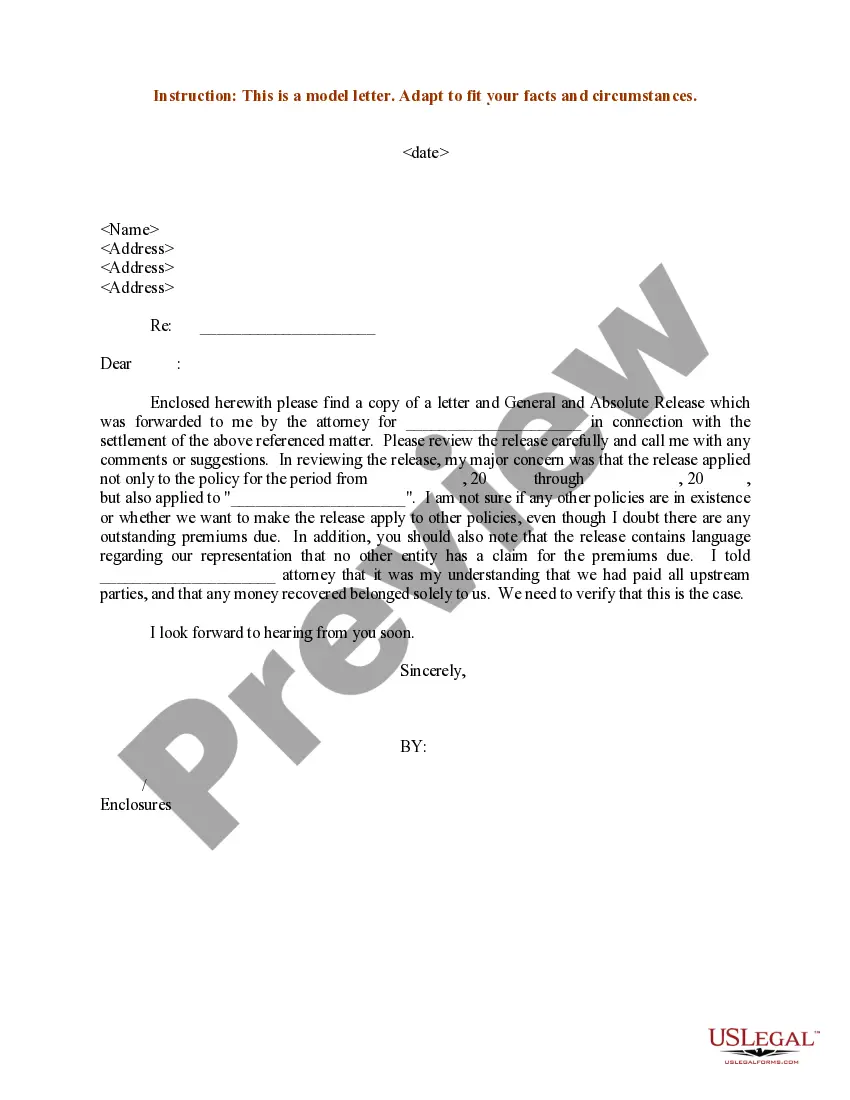
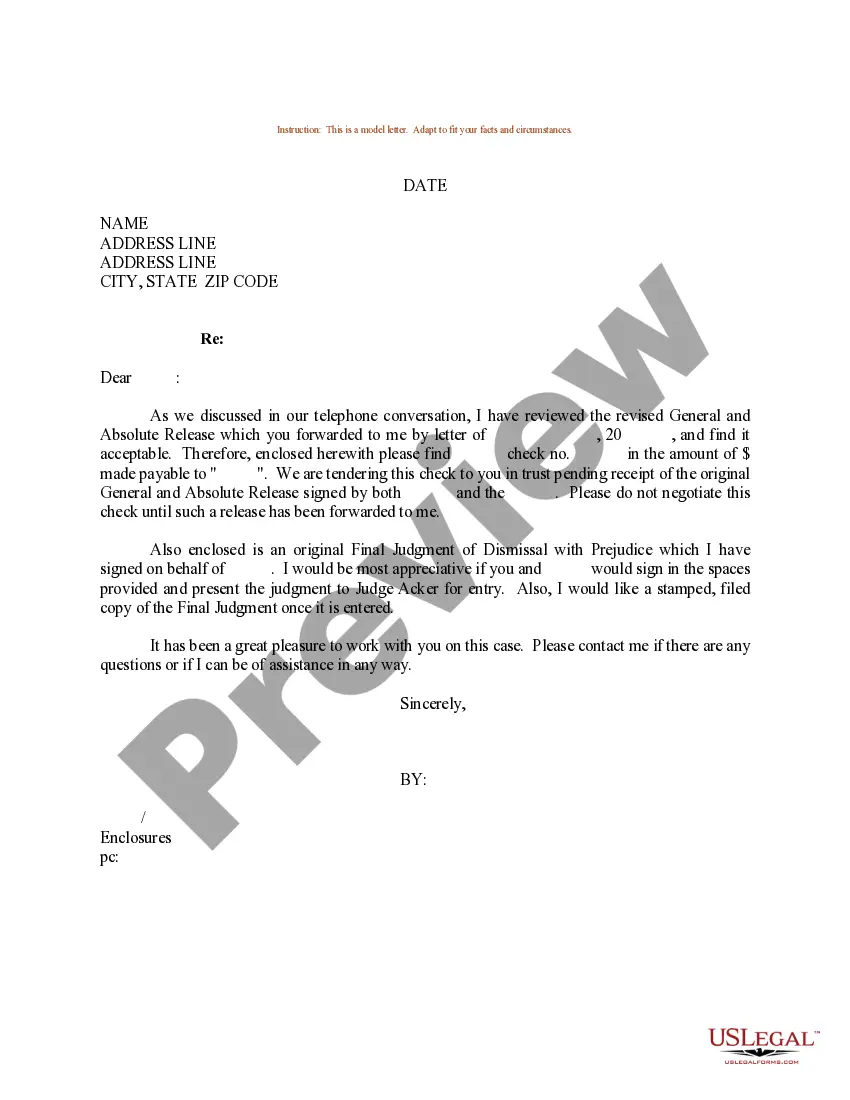
Release Letter Sample With Attachment In Nevada
Description
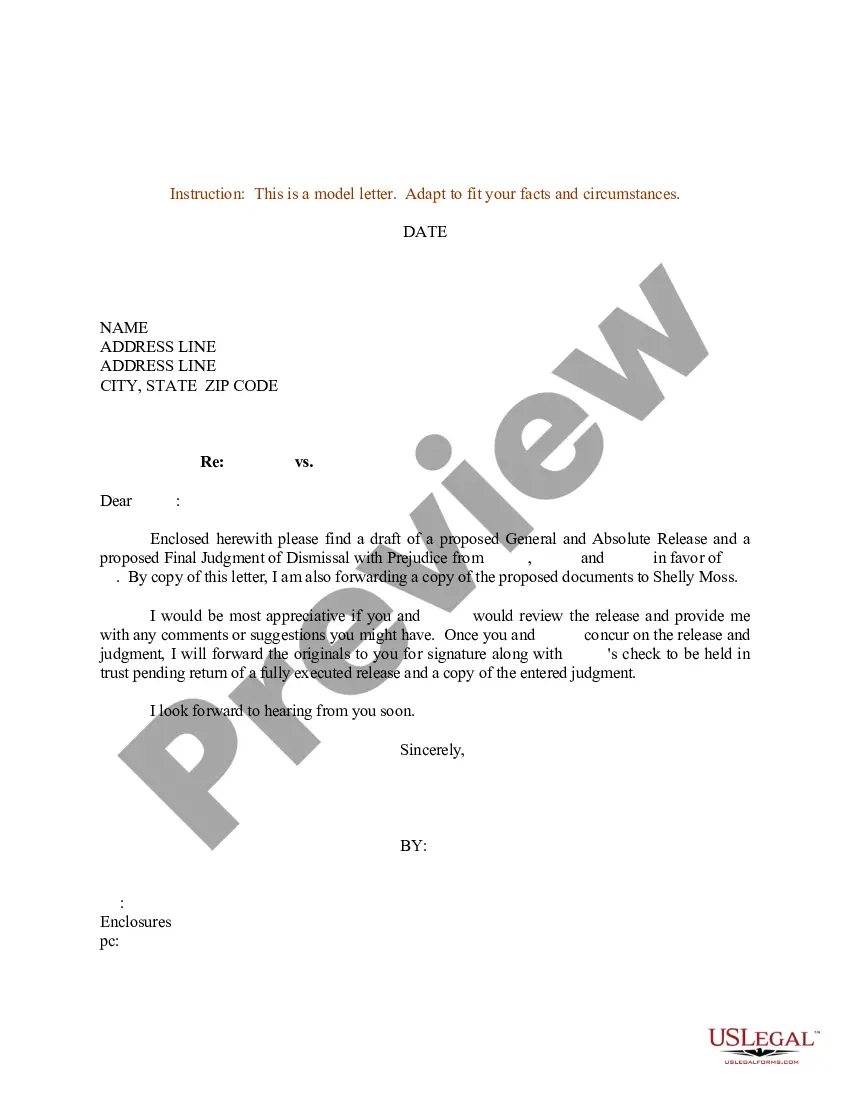
Get your form ready online
Our built-in tools help you complete, sign, share, and store your documents in one place.
Make edits, fill in missing information, and update formatting in US Legal Forms—just like you would in MS Word.
Download a copy, print it, send it by email, or mail it via USPS—whatever works best for your next step.
Sign and collect signatures with our SignNow integration. Send to multiple recipients, set reminders, and more. Go Premium to unlock E-Sign.
If this form requires notarization, complete it online through a secure video call—no need to meet a notary in person or wait for an appointment.
We protect your documents and personal data by following strict security and privacy standards.

Make edits, fill in missing information, and update formatting in US Legal Forms—just like you would in MS Word.

Download a copy, print it, send it by email, or mail it via USPS—whatever works best for your next step.

Sign and collect signatures with our SignNow integration. Send to multiple recipients, set reminders, and more. Go Premium to unlock E-Sign.

If this form requires notarization, complete it online through a secure video call—no need to meet a notary in person or wait for an appointment.

We protect your documents and personal data by following strict security and privacy standards.
Looking for another form?








Form popularity
FAQ
An Affidavit of Heirship is a legal document used to establish the heirs of a deceased person and their respective interests in the deceased person's estate when the deceased person dies without a will (intestate) or when there are uncertainties about the heirs and their inheritance rights.
Unconditional Release Waivers mean that the team is letting the player go without any conditions.
An unconditional release is when someone is completely freed from custody or obligation without any conditions or restrictions. This means they are no longer under any legal or contractual obligations and can go about their life freely.
If you were served with a summons and complaint you may discover that a default judgment was entered against you for the first time when your wages or bank accounts are garnished. To stop the garnishment and seek to have your day in court, you can file a Motion to Vacate.
What Is the Nevada Wage Garnishment Process? The garnishment process often starts after a creditor gets a judgment in court against a debtor. If a creditor gets a judgment against you, your employer will get a notice. The notice tells your employer they must withhold a specific amount of your wages.
Once you file an affidavit, legal authorities or relevant parties review it. They verify the facts and ensure the affidavit meets all legal standards. This step is crucial, as any inaccuracies or false statements can have legal repercussions.
In Nevada, the small estate affidavit is valid for estates worth less than $25,000, not including the value of any vehicles. The estate also must not include any real property, such as a home or land. The limit is higher, $100,000, if there is a surviving spouse.
Even if the bank is not required to send any notice under federal law, it may still do so as a routine business practice or because it is required to under state law. If you did not receive a notice about the garnishment of your account, ask your bank for a copy of the garnishment order that it received.
An affidavit of heirship is a legal document used to transfer property left by a deceased individual. Typically completed by a family member or close friend of the deceased, this person must have family knowledge and be able to verify the identities of heirs.