Release With Prejudice Without Prejudice In Nassau
Description

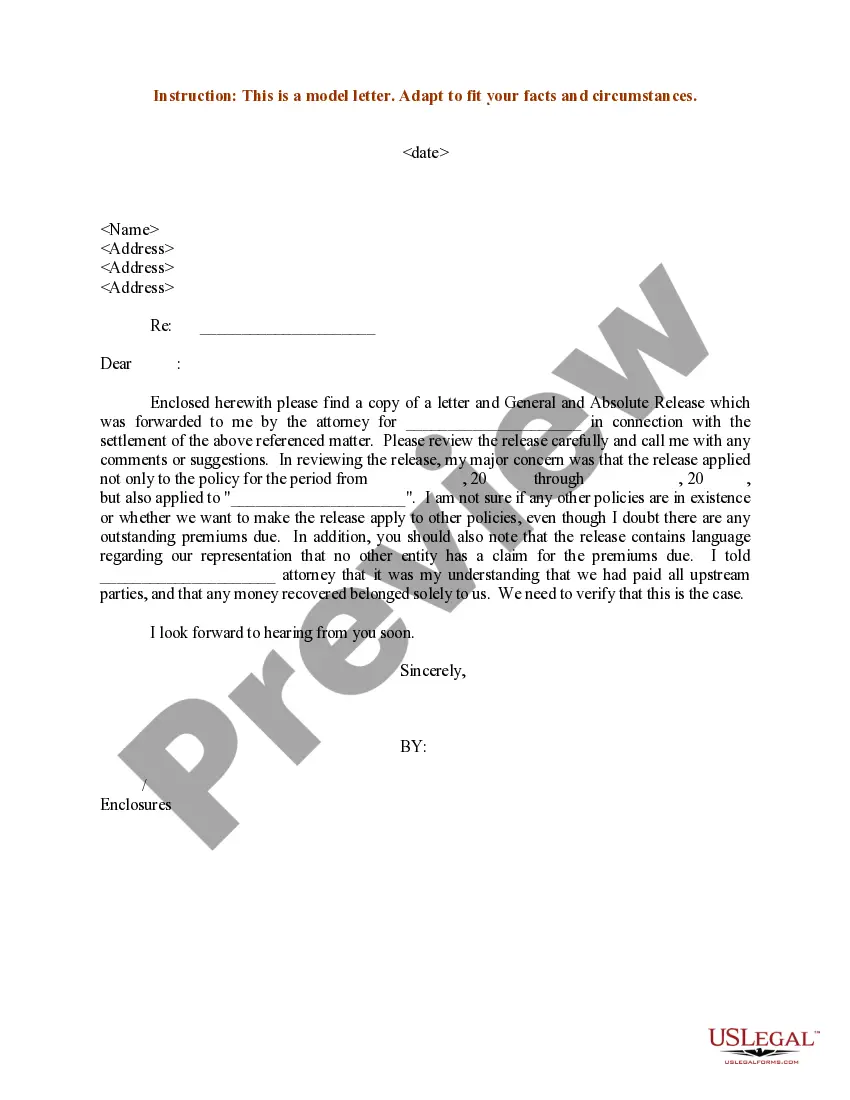
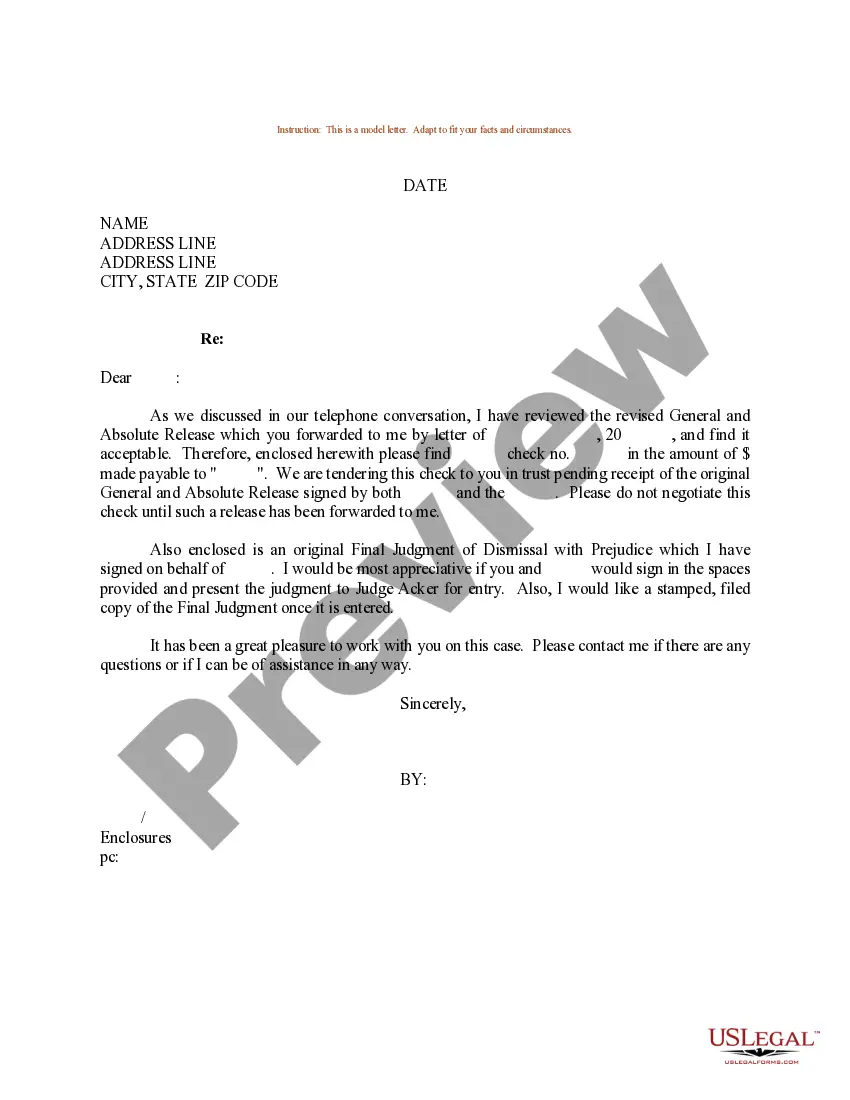
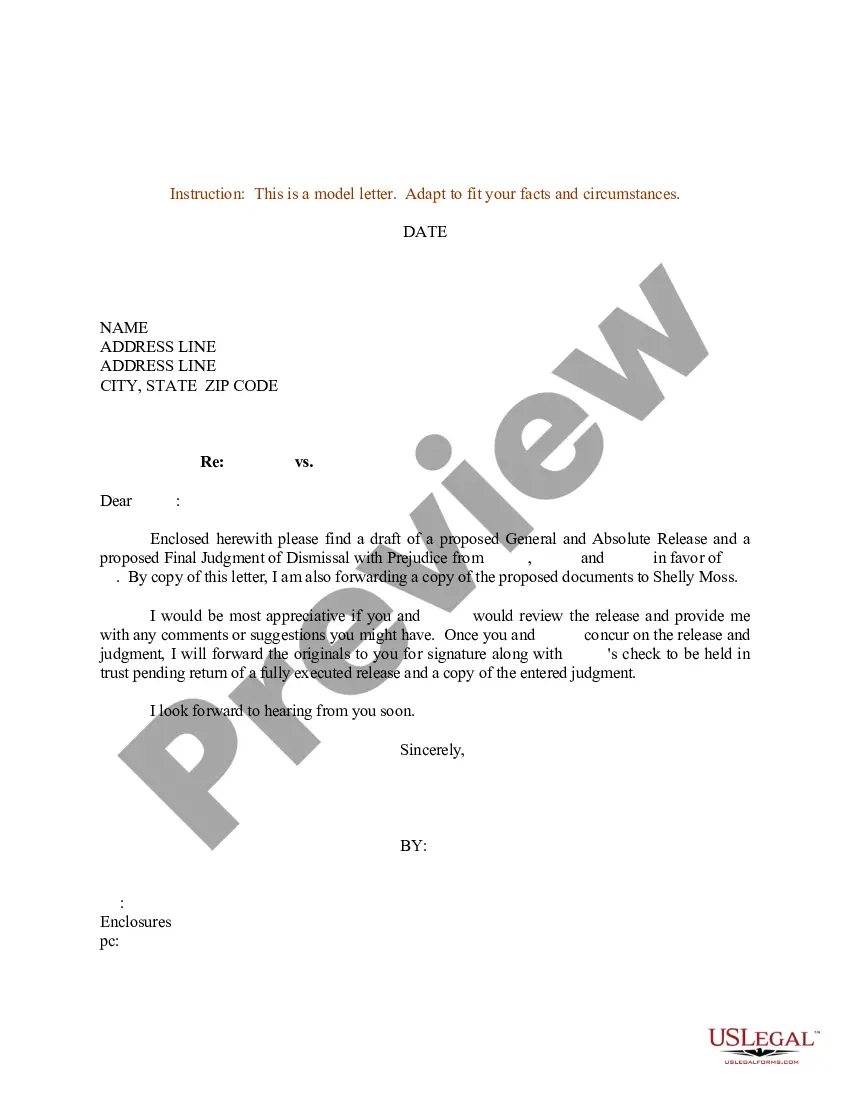
Get your form ready online
Our built-in tools help you complete, sign, share, and store your documents in one place.
Make edits, fill in missing information, and update formatting in US Legal Forms—just like you would in MS Word.
Download a copy, print it, send it by email, or mail it via USPS—whatever works best for your next step.
Sign and collect signatures with our SignNow integration. Send to multiple recipients, set reminders, and more. Go Premium to unlock E-Sign.
If this form requires notarization, complete it online through a secure video call—no need to meet a notary in person or wait for an appointment.
We protect your documents and personal data by following strict security and privacy standards.

Make edits, fill in missing information, and update formatting in US Legal Forms—just like you would in MS Word.

Download a copy, print it, send it by email, or mail it via USPS—whatever works best for your next step.

Sign and collect signatures with our SignNow integration. Send to multiple recipients, set reminders, and more. Go Premium to unlock E-Sign.

If this form requires notarization, complete it online through a secure video call—no need to meet a notary in person or wait for an appointment.

We protect your documents and personal data by following strict security and privacy standards.
Looking for another form?










Form popularity
FAQ
If the case is dismissed without prejudice, prosecutors will have another two years to refile before the statute of limitations expires. You can contact our California criminal defense lawyers for a case review. Eisner Gorin LLP has offices in Los Angeles, California.
It should be noted that the court upon a motion for a directed verdict may in appropriate circumstances deny that motion and grant instead a new trial, or a voluntary dismissal without prejudice under Rule 41(a)(2).
§ 1291, the federal courts of appeals have jurisdiction over the “final decisions” of the district courts. 28 U.S.C. § 1291. So to be appealable, dismissals without prejudice must produce a final decision.
If the court grants these motions to dismiss, the case is over, but the plaintiff can correct the problem and start the case again. This is called a dismissal without prejudice. Other motions to dismiss ask for dismissal with prejudice. This means that the case can't be started again.
A judge may dismiss a case without prejudice in order to allow for errors in the case presented to be addressed before it is brought back to court. A judge will dismiss a case with prejudice if he or she finds reason why the case should not move forward and should be permanently closed.
A case dismissed with prejudice is over and done with, once and for all, and can't be brought back to court. A case dismissed without prejudice means the opposite. It's not dismissed forever. The person whose case it is can try again.
Common methods to avoid being served Not answering the door. Lying about their identity. Hiding in the closet until the process server leaves. Staying at a family member or friend's home.

