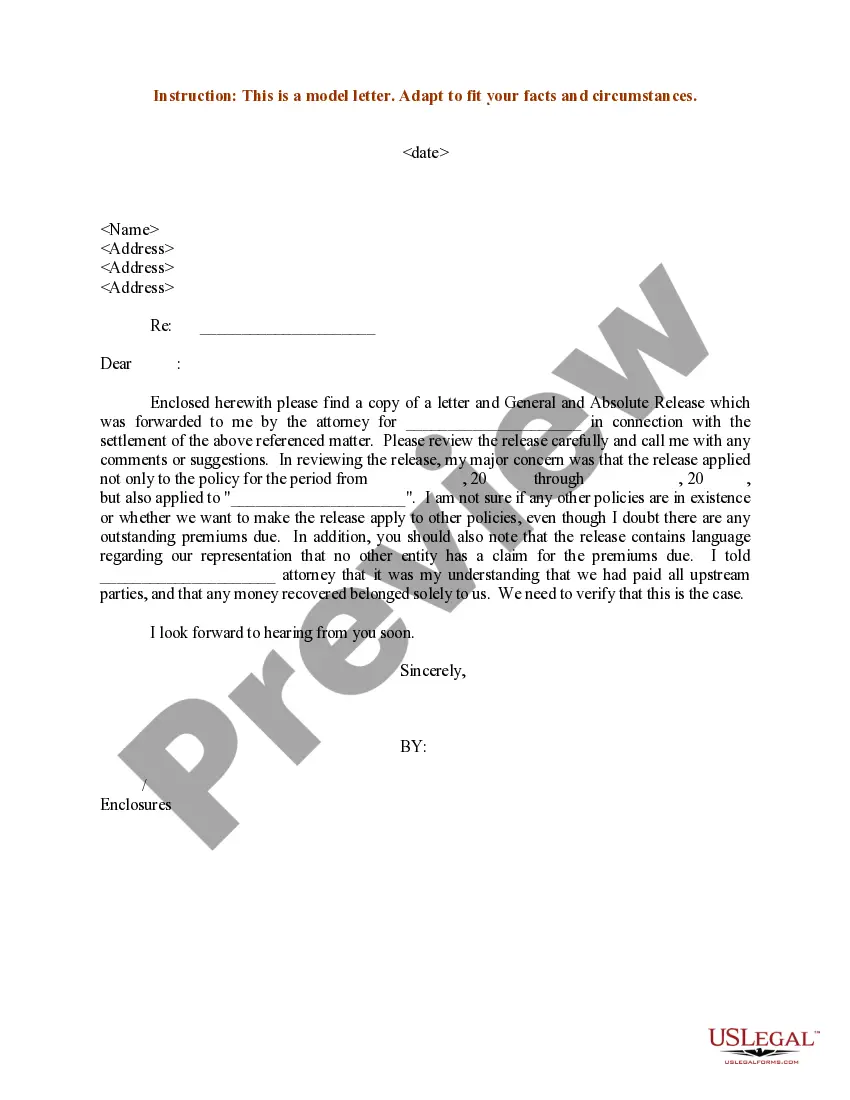
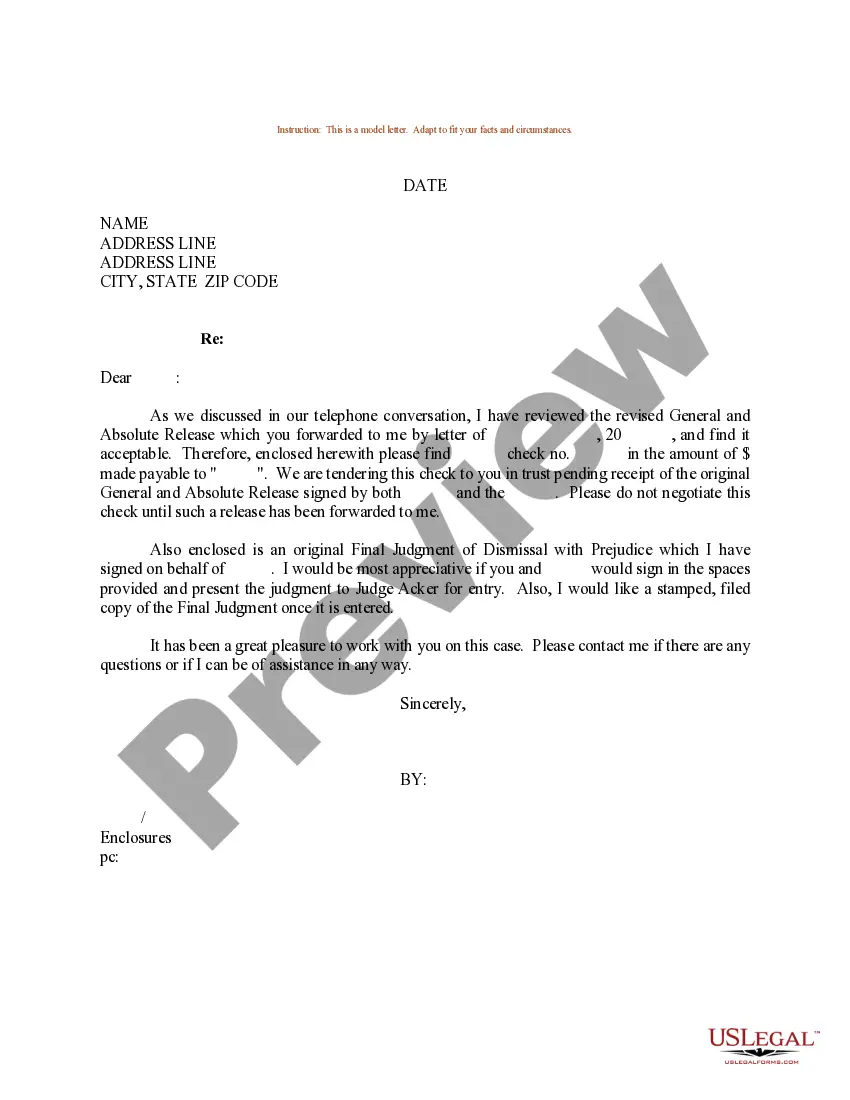
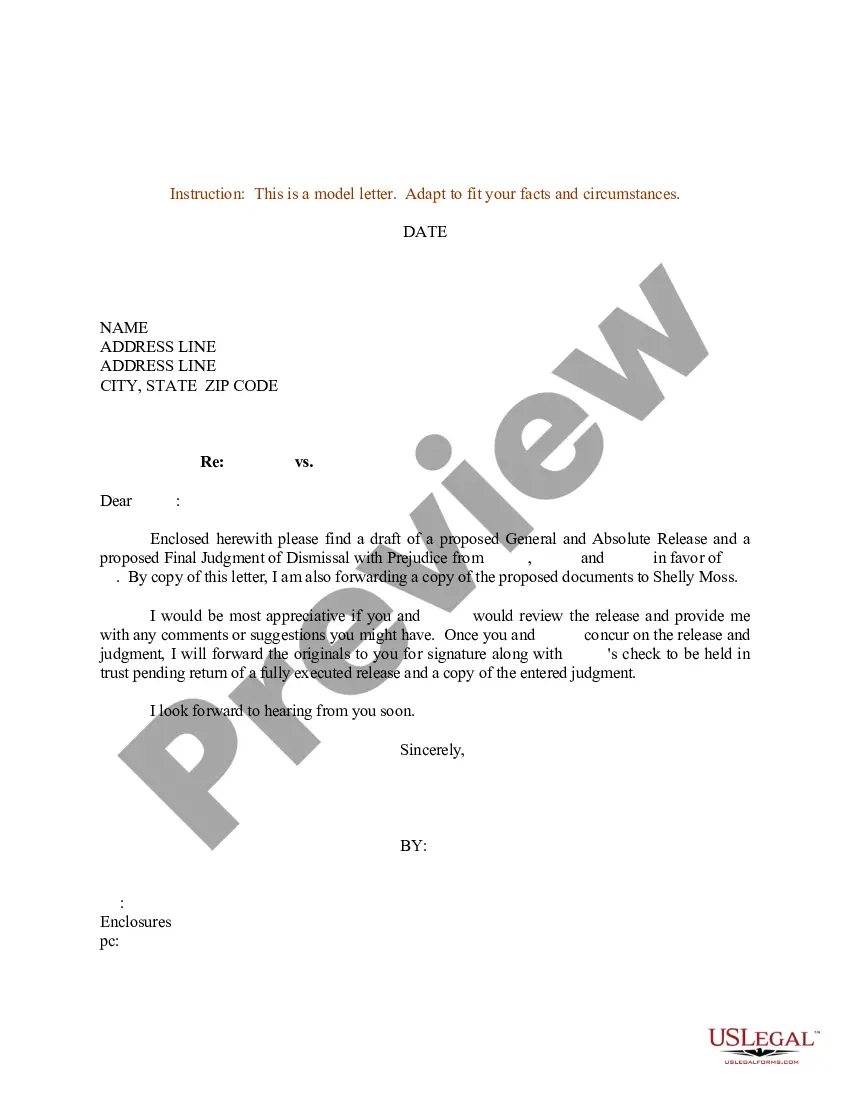
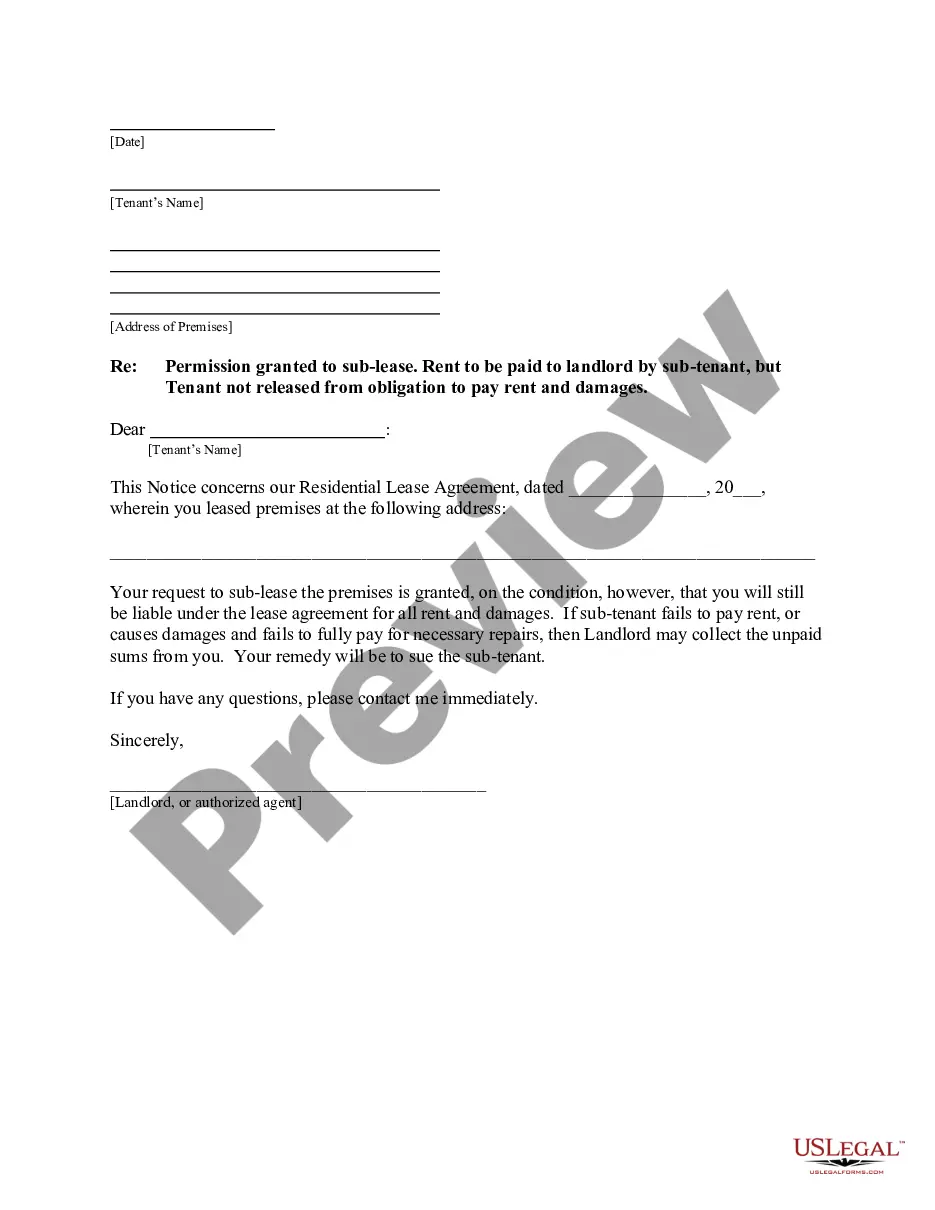
Release Letter Sample With Greetings In Massachusetts
Description

Get your form ready online
Our built-in tools help you complete, sign, share, and store your documents in one place.
Make edits, fill in missing information, and update formatting in US Legal Forms—just like you would in MS Word.
Download a copy, print it, send it by email, or mail it via USPS—whatever works best for your next step.
Sign and collect signatures with our SignNow integration. Send to multiple recipients, set reminders, and more. Go Premium to unlock E-Sign.
If this form requires notarization, complete it online through a secure video call—no need to meet a notary in person or wait for an appointment.
We protect your documents and personal data by following strict security and privacy standards.

Make edits, fill in missing information, and update formatting in US Legal Forms—just like you would in MS Word.

Download a copy, print it, send it by email, or mail it via USPS—whatever works best for your next step.

Sign and collect signatures with our SignNow integration. Send to multiple recipients, set reminders, and more. Go Premium to unlock E-Sign.

If this form requires notarization, complete it online through a secure video call—no need to meet a notary in person or wait for an appointment.

We protect your documents and personal data by following strict security and privacy standards.
Looking for another form?








Form popularity
FAQ
5 Steps to Prepare a Release Letter Step 1: Format Your Letter. Set up the format of the letter in the standard business format. Step 2: Information About the Release. Step 3: Maintaining the Tone. Step 4: Make it Short and Crisp. Step 5: Logo of the Company and the Name.
Supporting Statement Example: I am excited to apply for the Marketing Manager position at Company Name. As a seasoned marketing professional with over 7 years of experience, I have a proven track record of developing and implementing successful marketing campaigns that drive brand awareness and increase sales.
Supporting letter template Recipient's addressTo Whom It May Concern:I am writing in support of applicant's name's candidacy for opportunity. I believe this individual or organization is an exceptional candidate for this opportunity because list of primary reasons.
5 Elements to Include in a Letter of Support Introduction. In the first few sentences, use the introduction to give a brief description and identify your connection with the applicant. Statement of Support. Personal Anecdotes. Provide Examples. Closing Statement and Contact.
1. How to Write a Request Letter 1.1 Identify your Purpose. 1.2 Gather Necessary Information. 1.3 Use a Professional Tone. 1.4 Start with a clear subject line. 1.5 Begin with a Polite Salutation. 1.6 Introduce yourself and your purpose. 1.7 Provide necessary details and context. 1.8 Make a clear and specific request.
Most letters have three parts: an opening statement that identifies the project/program where funds are being sought, one or two middle paragraphs that indicate the relationship of the writer to the effort seeking funding, and a closing statement. Be sure all your supporters address the same person at the same address.
After the salutation/greeting comes the subject of the letter. In the centre of the line write 'Subject” followed by a colon. Then we sum up the purpose of writing the letter in one line.
Examples “I hope you feel your inner strength building day by day.” “This is tough, but you're tougher.” “I'm proud of you for walking this road, for doing what's right for you.” “You're making a big change, and that's a really big deal.”
Formal greetings are usually used when you are speaking with your employer or someone of high authority examples include Hello,Good morning, Nice to meet you. Informal greetings are usually used when speaking with friends or relatives examples,hey,how are ya, what's up .
Some of the best opening lines for a formal letter include: ``I am writing to inform you...'' ``I am writing in regards to...'' ``I am writing to express my interest in...'' ``I am writing to request...'' ``I am writing to discuss...'' ``I am writing to follow up on...'' ``I am writing to confirm...''

