Release Letter Sample With Reference In Maryland
Description
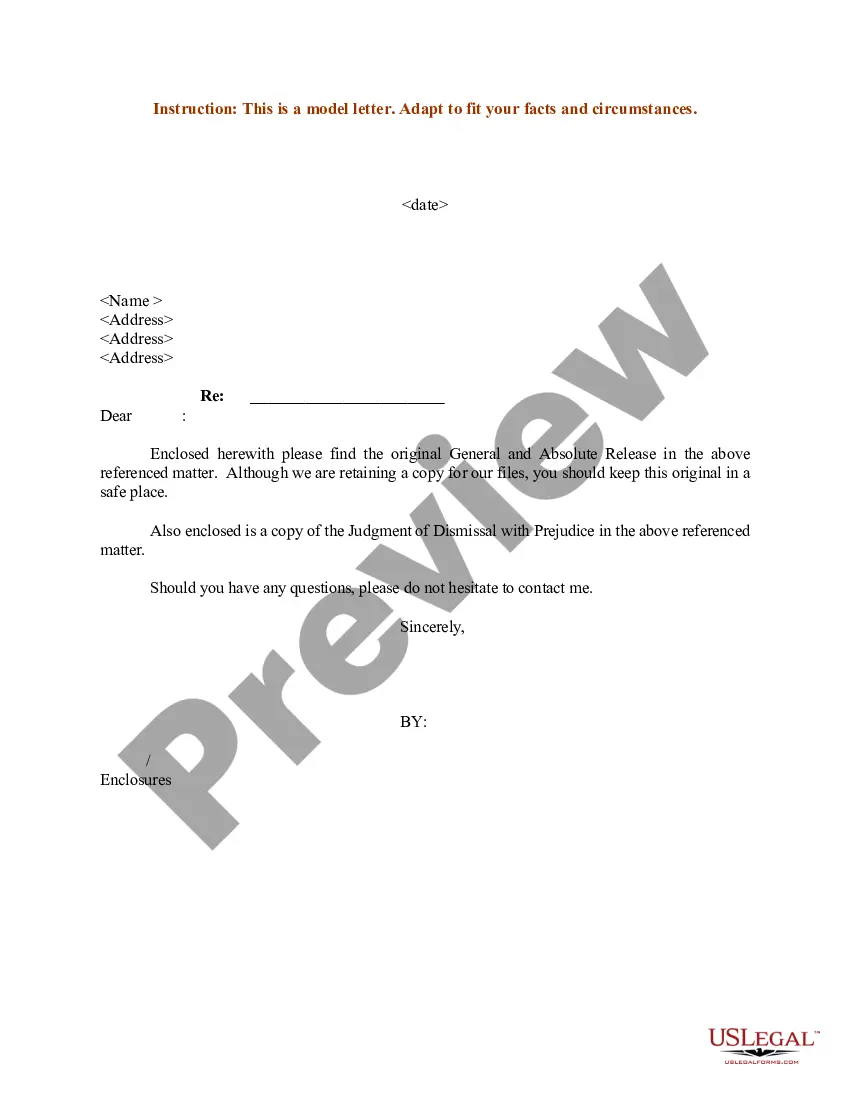
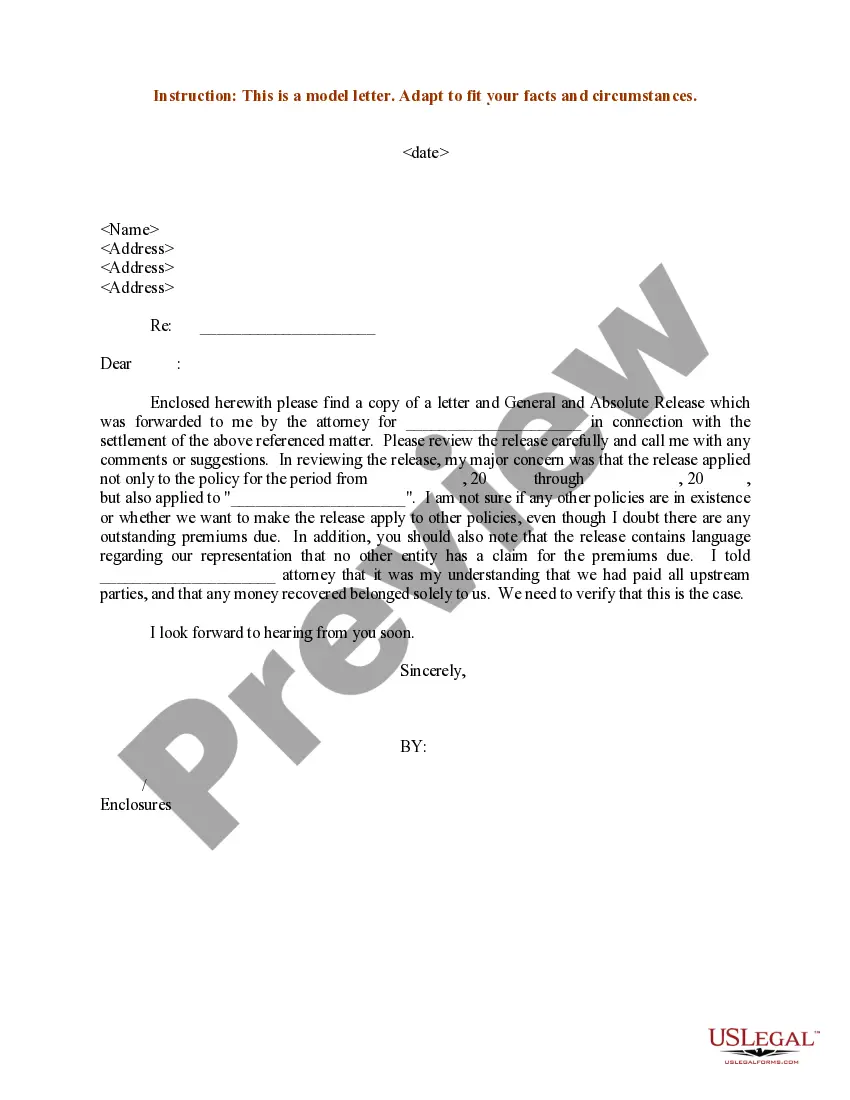
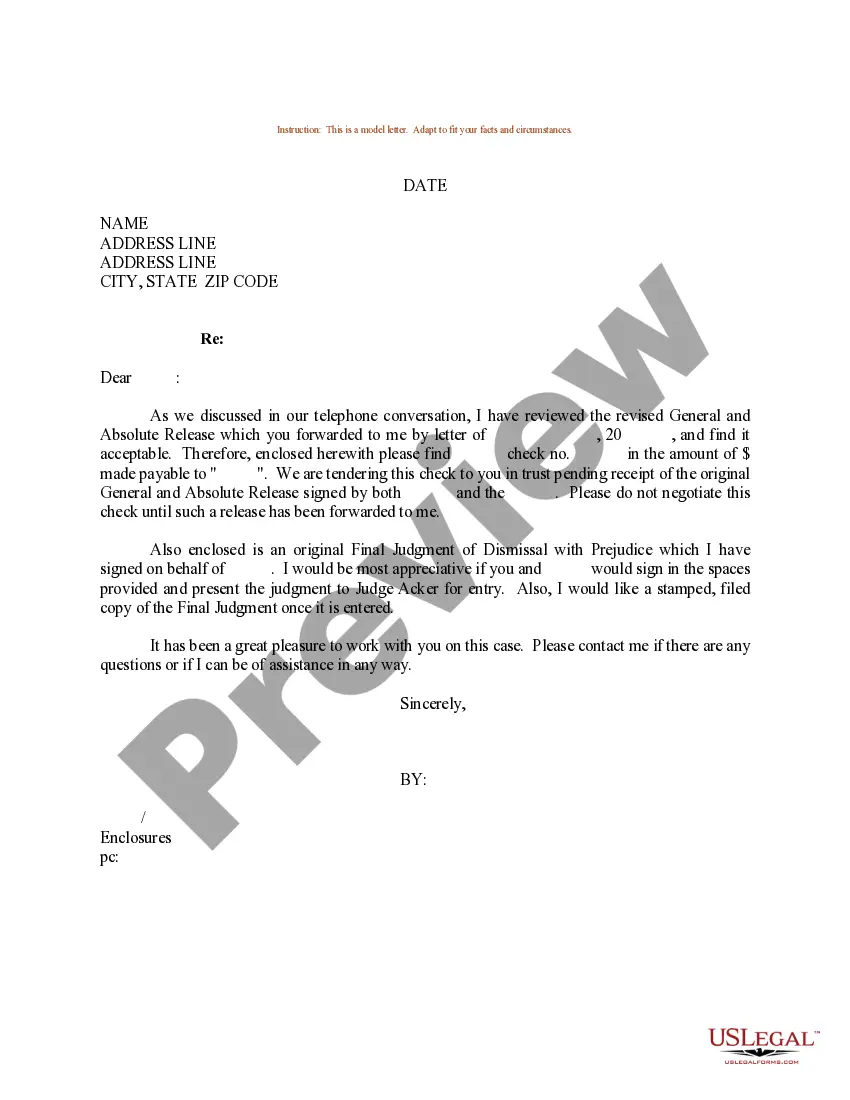
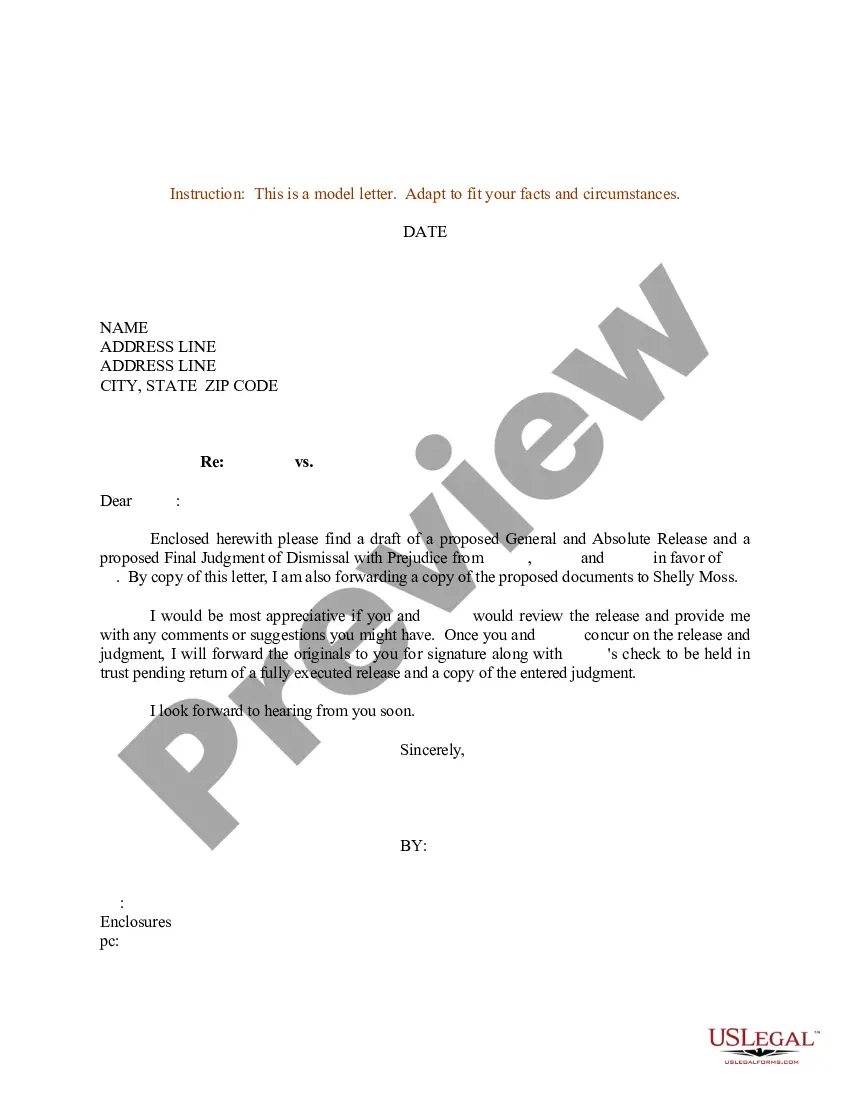
Get your form ready online
Our built-in tools help you complete, sign, share, and store your documents in one place.
Make edits, fill in missing information, and update formatting in US Legal Forms—just like you would in MS Word.
Download a copy, print it, send it by email, or mail it via USPS—whatever works best for your next step.
Sign and collect signatures with our SignNow integration. Send to multiple recipients, set reminders, and more. Go Premium to unlock E-Sign.
If this form requires notarization, complete it online through a secure video call—no need to meet a notary in person or wait for an appointment.
We protect your documents and personal data by following strict security and privacy standards.

Make edits, fill in missing information, and update formatting in US Legal Forms—just like you would in MS Word.

Download a copy, print it, send it by email, or mail it via USPS—whatever works best for your next step.

Sign and collect signatures with our SignNow integration. Send to multiple recipients, set reminders, and more. Go Premium to unlock E-Sign.

If this form requires notarization, complete it online through a secure video call—no need to meet a notary in person or wait for an appointment.

We protect your documents and personal data by following strict security and privacy standards.
Looking for another form?









Form popularity
FAQ
The lien release letter must include: The secured party's name imprinted on it (if a business entity) Contact telephone number of the secured party. The name of the debtor (customer) A description of the vehicle to include the year, make, model and vehicle identification number.
About Lien Release Forms They provide formal evidence that a lien has been satisfied and released. Property owners, lenders, and other stakeholders rely on lien release forms to confirm that no outstanding claims exist against the property, thereby protecting their financial and legal interests.
Note: If the lien holder is not a financial institution, the lien release letter must be notarized. If a lien release letter on the lien holder's letterhead is submitted, a photocopy must be made of the driver's license or state issued ID of the person submitting the letter.
To get a lien release in Maryland, a person must first locate the lienholder, contact them directly, and ask for a copy of the release.
The seller must sign and print his or her name and the buyer's name and address on the back of the “Certificate of Title” under the “Assignment of Ownership” section. The buyer's name and address must be recorded in the “Assignment of Ownership” section to complete the sale.
Typically, you will asked for the following information: VIN. description of the vehicle, such as its make, model, year, and color. date of the sale or title transfer. license plate number. odometer reading. new owner's name and contact information. your name and contact information.
How do I get a copy of a lien release in Maryland? You may apply for a clear title in person at any of the MVAs full-service branch offices or by mail to the MVAs title file unit.
Understanding Your Maryland Car Title The title contains identifying information for your vehicle, like the make, model, VIN, or vehicle identification number. It will also have your name as the owner and a section detailing when the car was bought and similar information.
If you are planning on transferring property, consider seeking help from a lawyer or title company to locate liens. Liens against property can be recorded at the Department of Land Records alongside deeds. Search for liens online using Maryland Land Records (mdlandrec).
ELT is mandatory for lenders in Maryland. For more information visit Maryland Department of Transportation – Motor Vehicle Administration.

