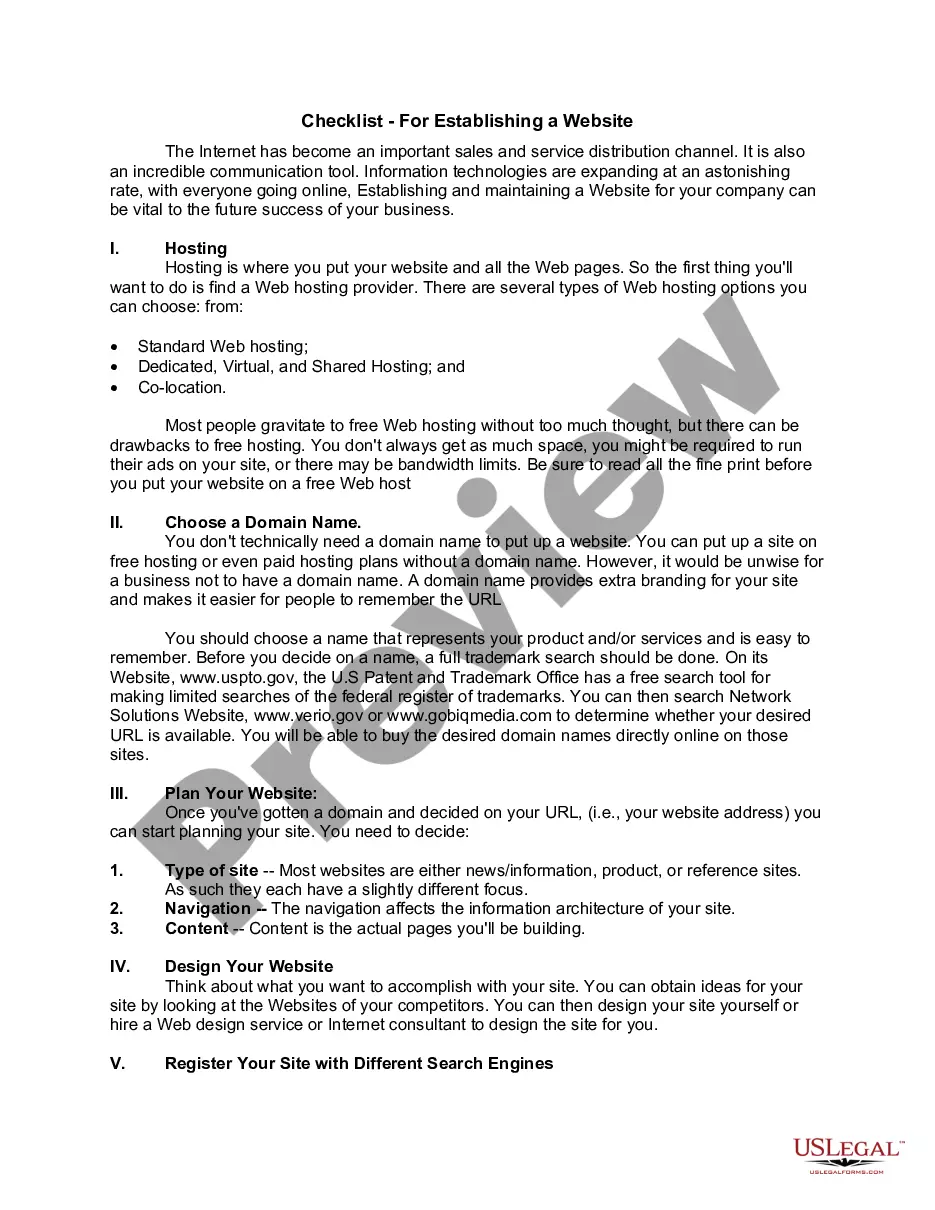
Release Letter Sample With Reference In Houston
Description

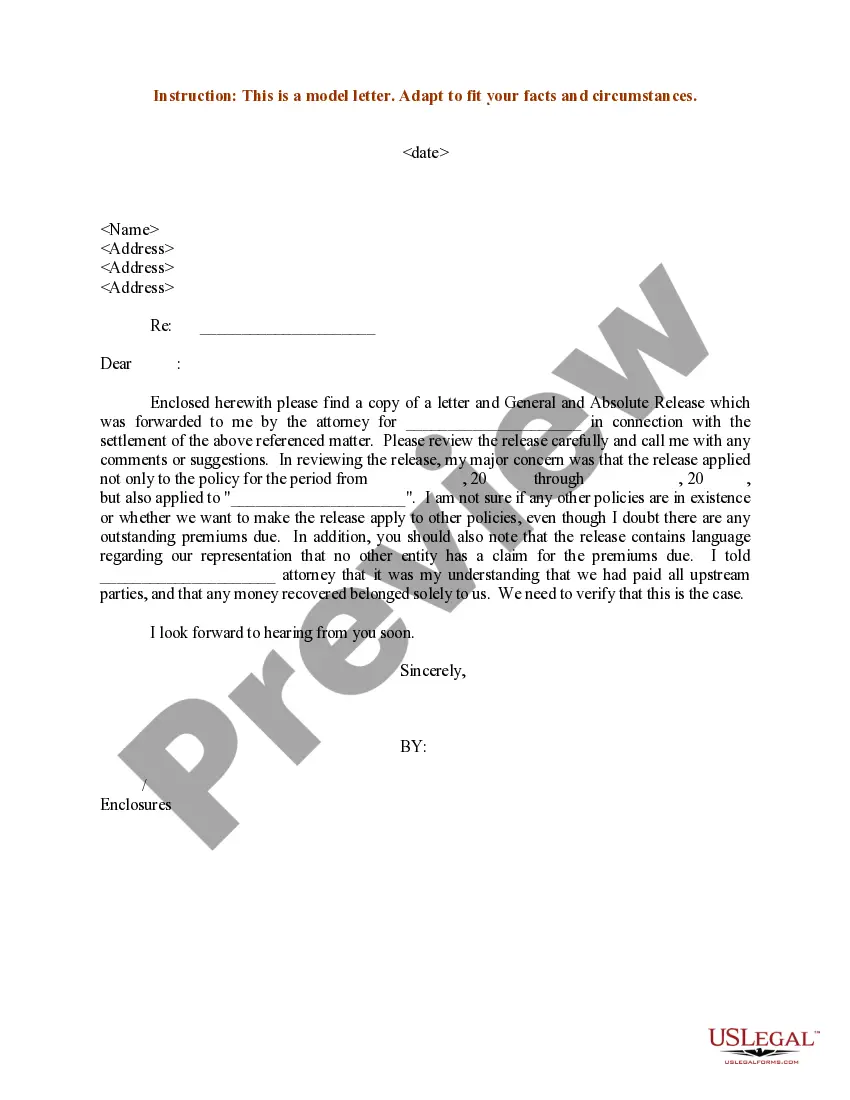
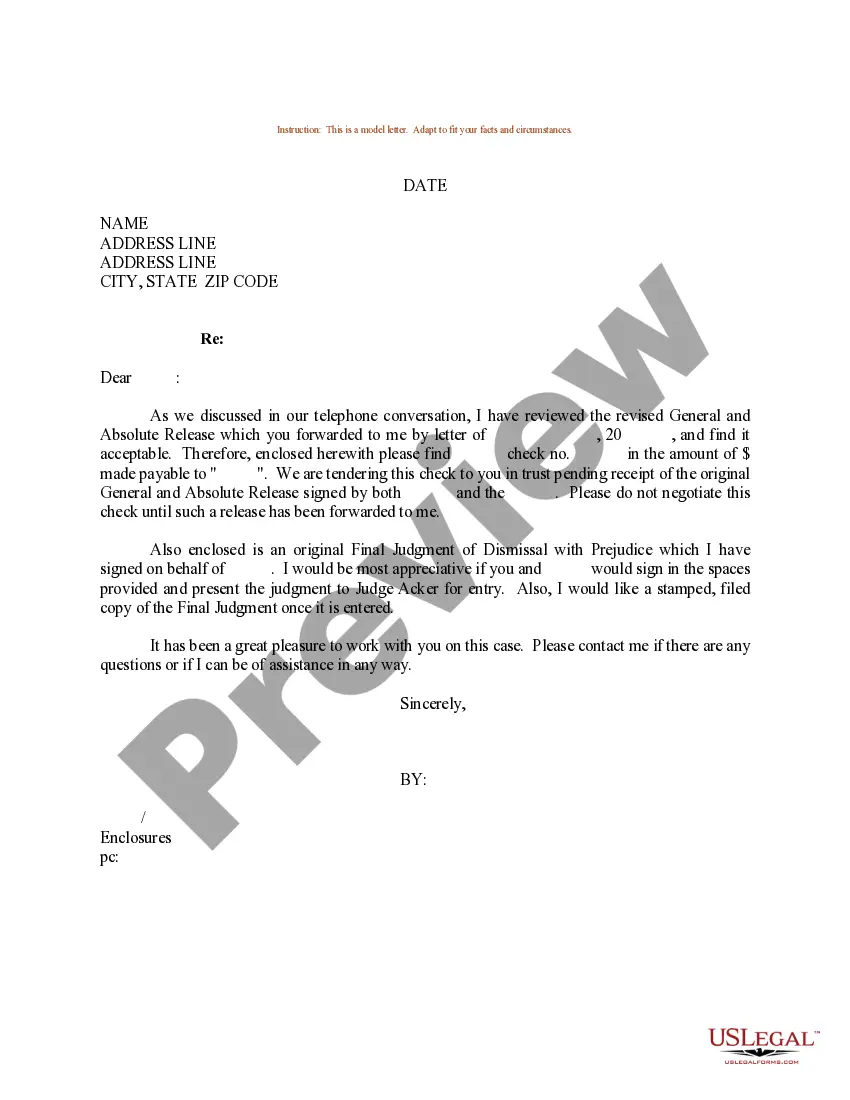
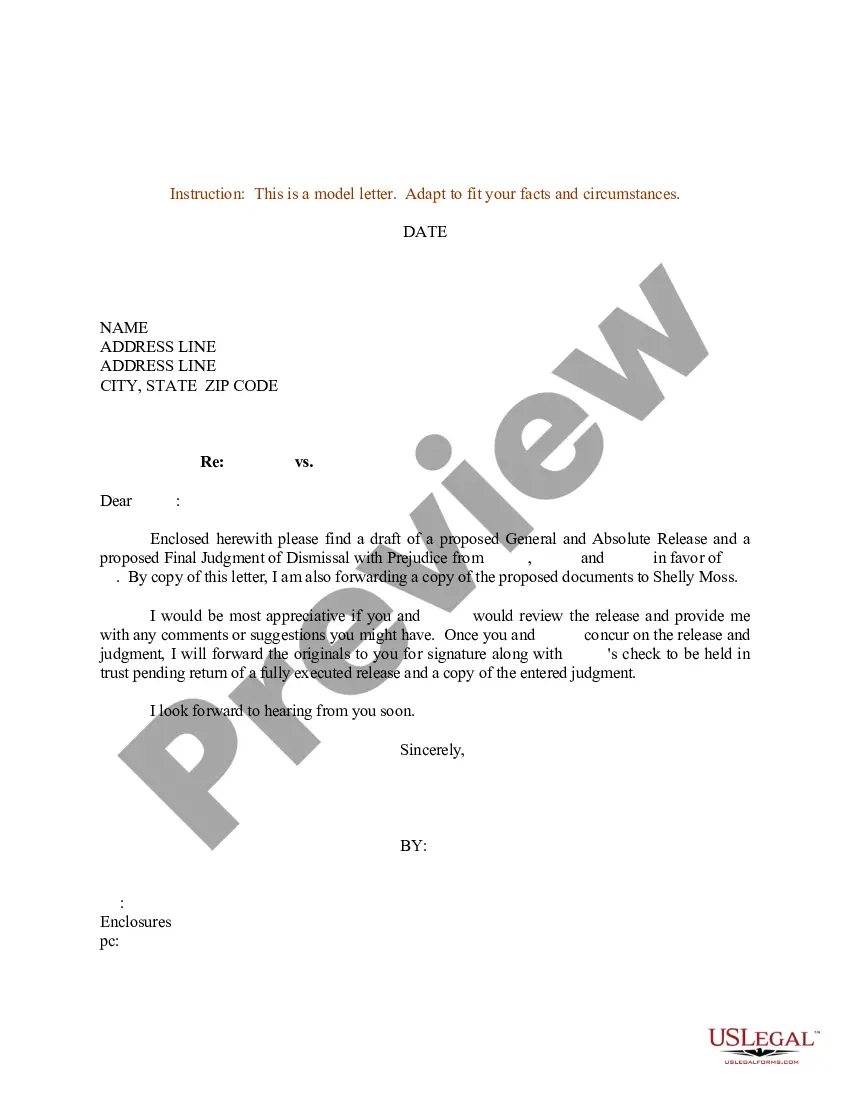
Get your form ready online
Our built-in tools help you complete, sign, share, and store your documents in one place.
Make edits, fill in missing information, and update formatting in US Legal Forms—just like you would in MS Word.
Download a copy, print it, send it by email, or mail it via USPS—whatever works best for your next step.
Sign and collect signatures with our SignNow integration. Send to multiple recipients, set reminders, and more. Go Premium to unlock E-Sign.
If this form requires notarization, complete it online through a secure video call—no need to meet a notary in person or wait for an appointment.
We protect your documents and personal data by following strict security and privacy standards.

Make edits, fill in missing information, and update formatting in US Legal Forms—just like you would in MS Word.

Download a copy, print it, send it by email, or mail it via USPS—whatever works best for your next step.

Sign and collect signatures with our SignNow integration. Send to multiple recipients, set reminders, and more. Go Premium to unlock E-Sign.

If this form requires notarization, complete it online through a secure video call—no need to meet a notary in person or wait for an appointment.

We protect your documents and personal data by following strict security and privacy standards.
Looking for another form?







Form popularity
FAQ
Letters may include information regarding employment/potential employment, residence, transportation, available treatment programs (as applicable), or other information the writer feels would be helpful to the parole panel in making their decision. Be sure to include the offender's name and TDCJ number.
I, SPONSOR'S FULL NAME, am respectfully requesting that you release NAME into my custody during the pendency of his/her removal proceedings. Thank you for your kind consideration of this request. Please do not hesitate to contact me directly with any questions that may arise.
Most letters have three parts: an opening statement that identifies the project/program where funds are being sought, one or two middle paragraphs that indicate the relationship of the writer to the effort seeking funding, and a closing statement. Be sure all your supporters address the same person at the same address.
Here are some tips to consider when writing a letter to someone in prison: Address the letter formally. Keep the content of your letter positive and respectful. Include personal stories and anecdotes. Keep the conversation light and upbeat. End the letter with a positive note.
What to write Introduce yourself — tell them your name, general location, and how you found out about them. Share things about yourself and the outside world. Ask questions to get to know them — such as how they're doing, plans they have for the future, and what their interests are.
I respectfully request that you consider (Name) for (parole, clemency, etc.). I truly believe that with the support of their family and community, they can make a positive impact upon their return. Thank you for your time and consideration. I sincerely hope for a favorable response.
It should be written with a letterhead including the contact information and address of the parole board and the date of writing. Begin the letter with ``Dear Honorable Members of the Parole Board'' and a colon rather than a comma. End the letter with ``Sincerely,'' and use your full name.
How to Write a Support Letter for Parole? State who you are and your relationship with the individual. How you can/will provide support to the inmate. Be sure to provide your contact information. It is good to be aware of the crimes and not to make any excuses for those crimes but instead write about how to move forward.
Tips For Writing A Request For A Relieving Letter Request the release of your relieving letter before a specific date. Mention your date of transfer and employee ID. Specify the status of your exit formalities. Highlight your last date of work at the current branch. Keep the request mail crisp and to-the-point.
The key to writing a letter to your emotions is communicating your thoughts and feelings. To do so, ask yourself intentional questions about how this particular emotion has recently surfaced in your life. Then, write down the answers as though you are talking to the emotion itself.

