Release Letter Sample With Greetings In Dallas
Description

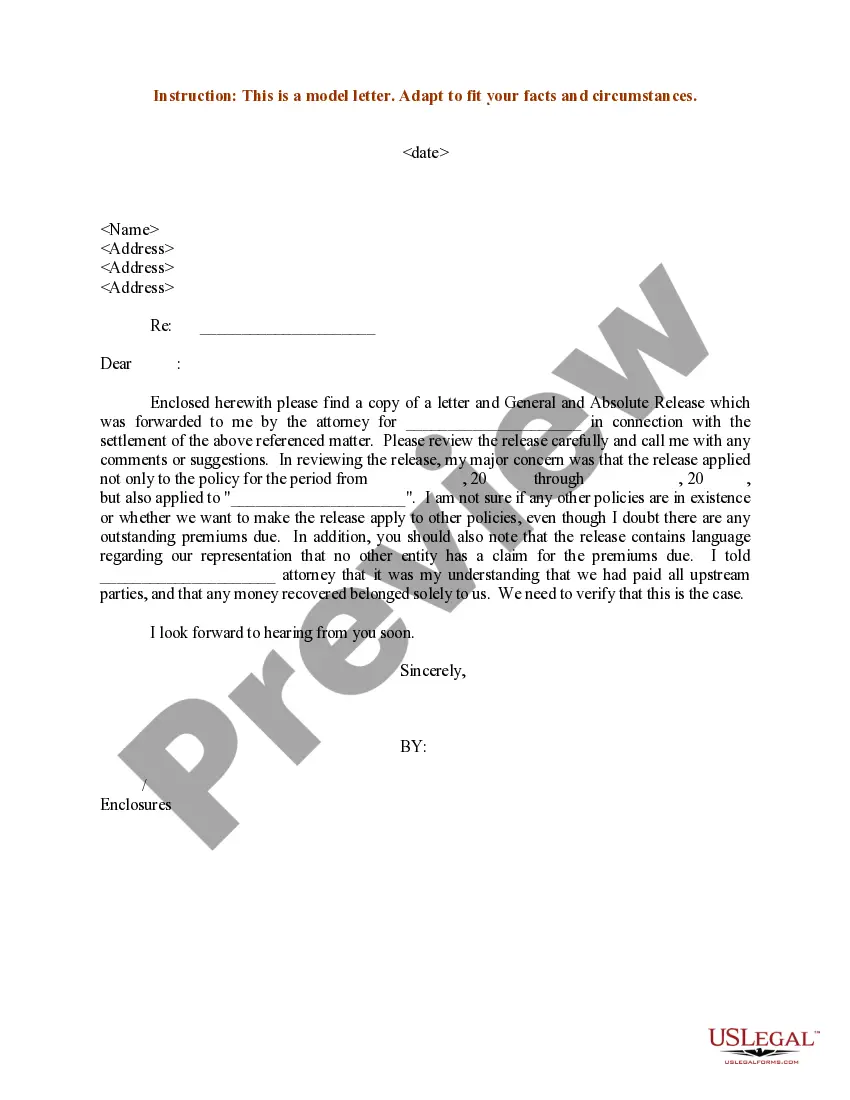
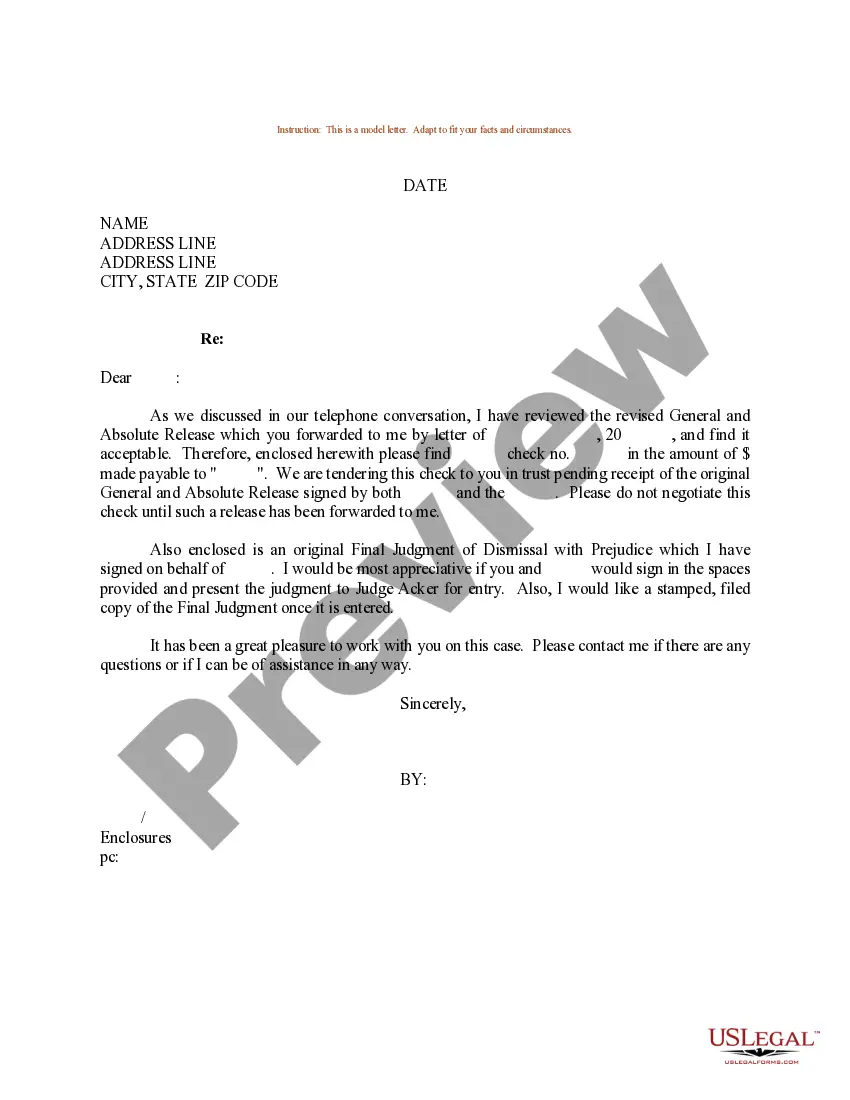
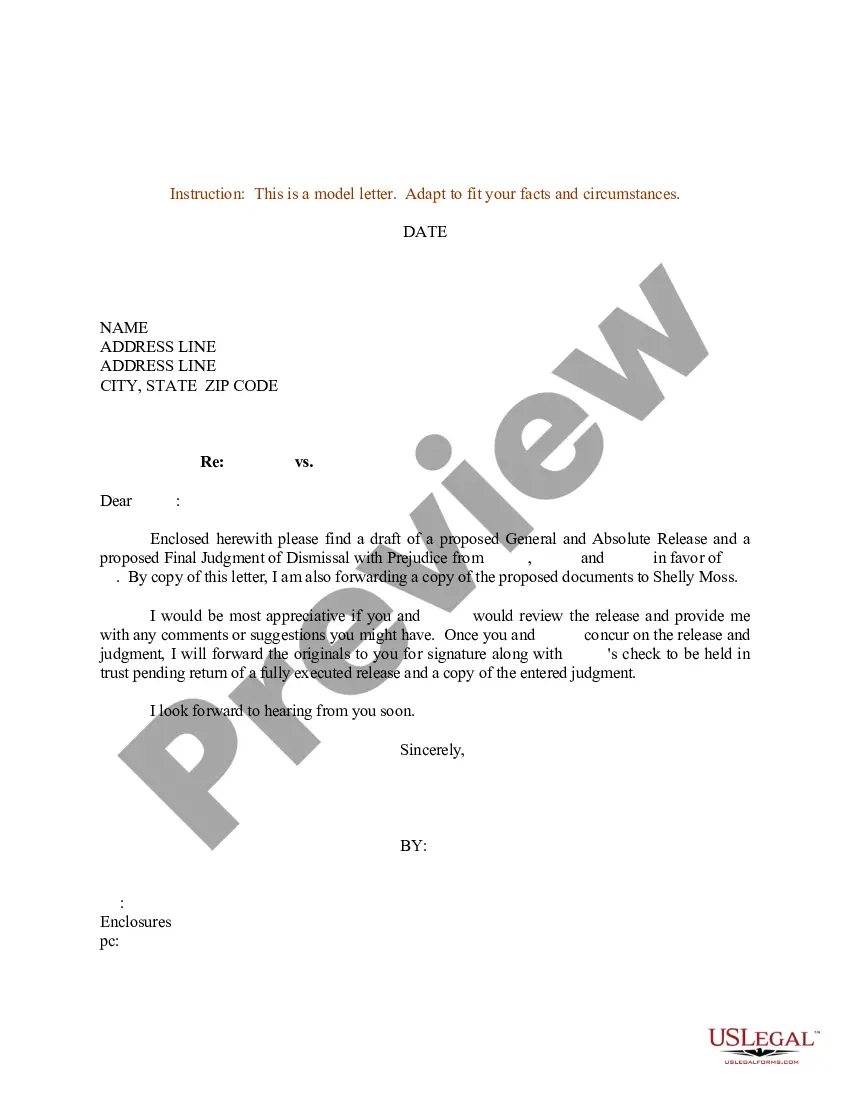
Get your form ready online
Our built-in tools help you complete, sign, share, and store your documents in one place.
Make edits, fill in missing information, and update formatting in US Legal Forms—just like you would in MS Word.
Download a copy, print it, send it by email, or mail it via USPS—whatever works best for your next step.
Sign and collect signatures with our SignNow integration. Send to multiple recipients, set reminders, and more. Go Premium to unlock E-Sign.
If this form requires notarization, complete it online through a secure video call—no need to meet a notary in person or wait for an appointment.
We protect your documents and personal data by following strict security and privacy standards.

Make edits, fill in missing information, and update formatting in US Legal Forms—just like you would in MS Word.

Download a copy, print it, send it by email, or mail it via USPS—whatever works best for your next step.

Sign and collect signatures with our SignNow integration. Send to multiple recipients, set reminders, and more. Go Premium to unlock E-Sign.

If this form requires notarization, complete it online through a secure video call—no need to meet a notary in person or wait for an appointment.

We protect your documents and personal data by following strict security and privacy standards.
Looking for another form?








Form popularity
FAQ
Elements: full mailing address of the sender. date on which letter is written. address of person to whom letter is addressed. subject line. salutation. body (the main message) complimentary closing. signature line (be sure to sign your letter)
Formal greetings are usually used when you are speaking with your employer or someone of high authority examples include Hello,Good morning, Nice to meet you. Informal greetings are usually used when speaking with friends or relatives examples,hey,how are ya, what's up .
“Dear Name, …” Use this salutation when you're addressing someone or sending business documents such as a cover letter to show your respect, professionalism, and politeness. In this case, you can use “Dear” followed by a person's title (Mr., Ms.) and their last name: “Dear Mr.
To formally greet someone in writing, some common options include: ``Dear (Name),'' ``Greetings (Name),'' ``To (Name),'' ``Honourable (Name),'' The choice depends on the level of formality. ``Dear (Name)'' is a standard formal greeting. ``Greetings (Name)'' is slightly more formal.
Some of the best opening lines for a formal letter include: ``I am writing to inform you...'' ``I am writing in regards to...'' ``I am writing to express my interest in...'' ``I am writing to request...'' ``I am writing to discuss...'' ``I am writing to follow up on...'' ``I am writing to confirm...''
Although in certain situations it is appropriate to use "Greetings" or "Hello" before the name of the recipient, using the word "Dear" at the beginning of a business letter is the preferred professional approach. When in doubt, use "Dear."
Dear Recipient's Name, Sending you my warmest greetings and best wishes. Hope this letter finds you in good health and high spirits. Looking forward to hearing from you soon.
Some of the best opening lines for a formal letter include: ``I am writing to inform you...'' ``I am writing in regards to...'' ``I am writing to express my interest in...'' ``I am writing to request...'' ``I am writing to discuss...'' ``I am writing to follow up on...'' ``I am writing to confirm...''
Once all the required information needed for a successful release is attained, a release certificate will be issued contingent that the inmate has an approved residence plan and sent to Records office. There it will be audited, and the release date calculated. These processes take approximately 4-6 weeks to complete.
To request time served, you must provide proof of incarceration from a jail or prison that includes the dates you were incarcerated, along with the request form linked below. To consider your request, you must enter a plea for the charges for which you are request jail credit, if you have not done so already.

