Release With Prejudice Without A Trial In Cook
Description

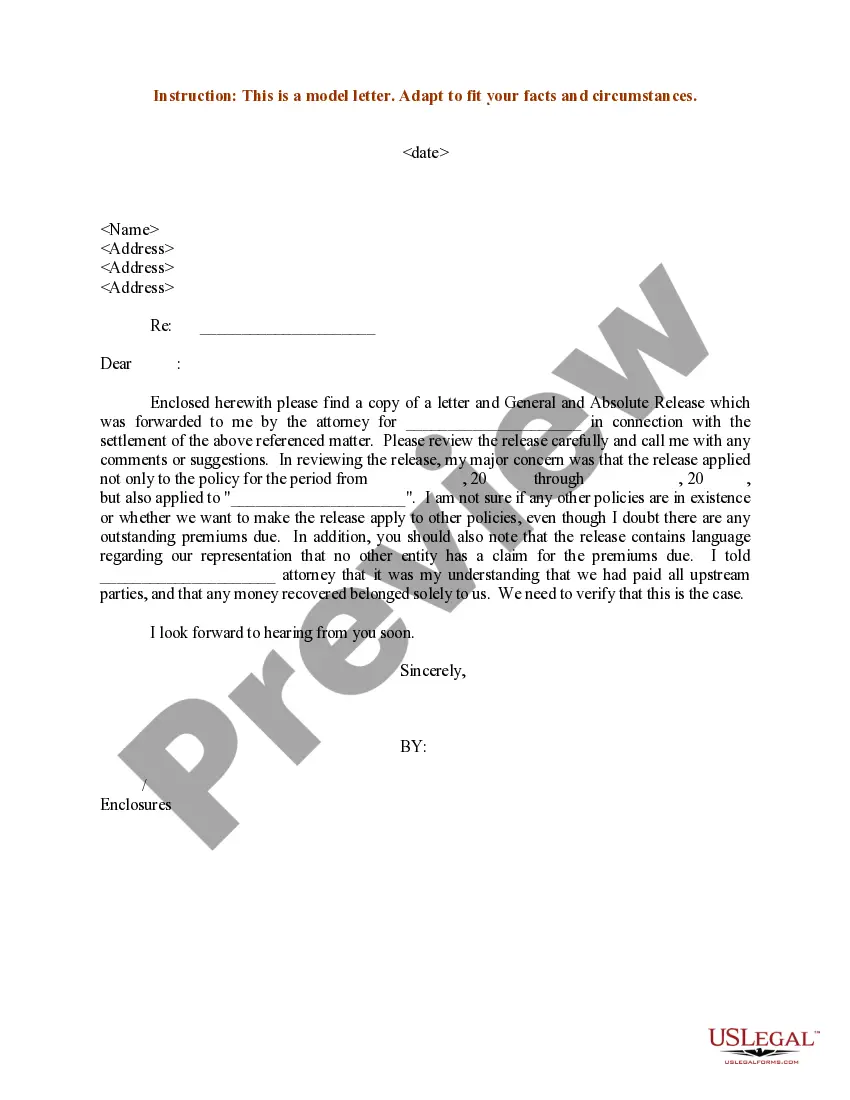
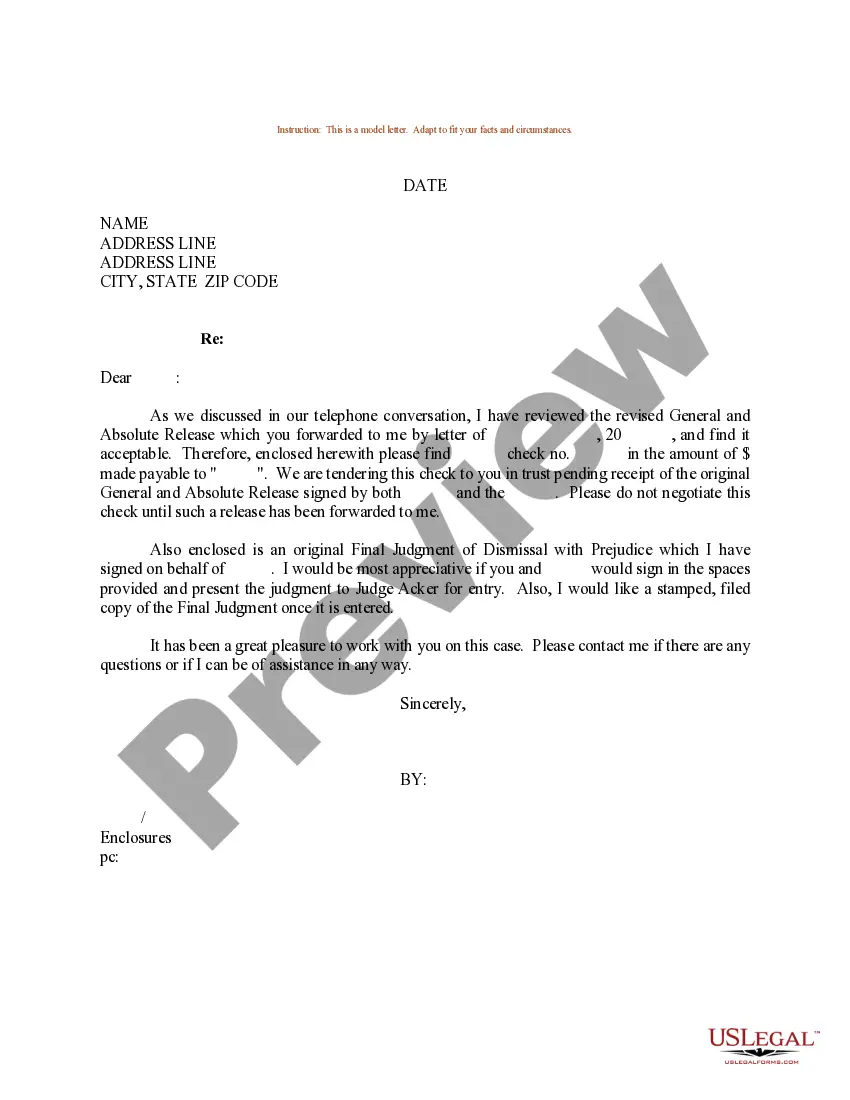
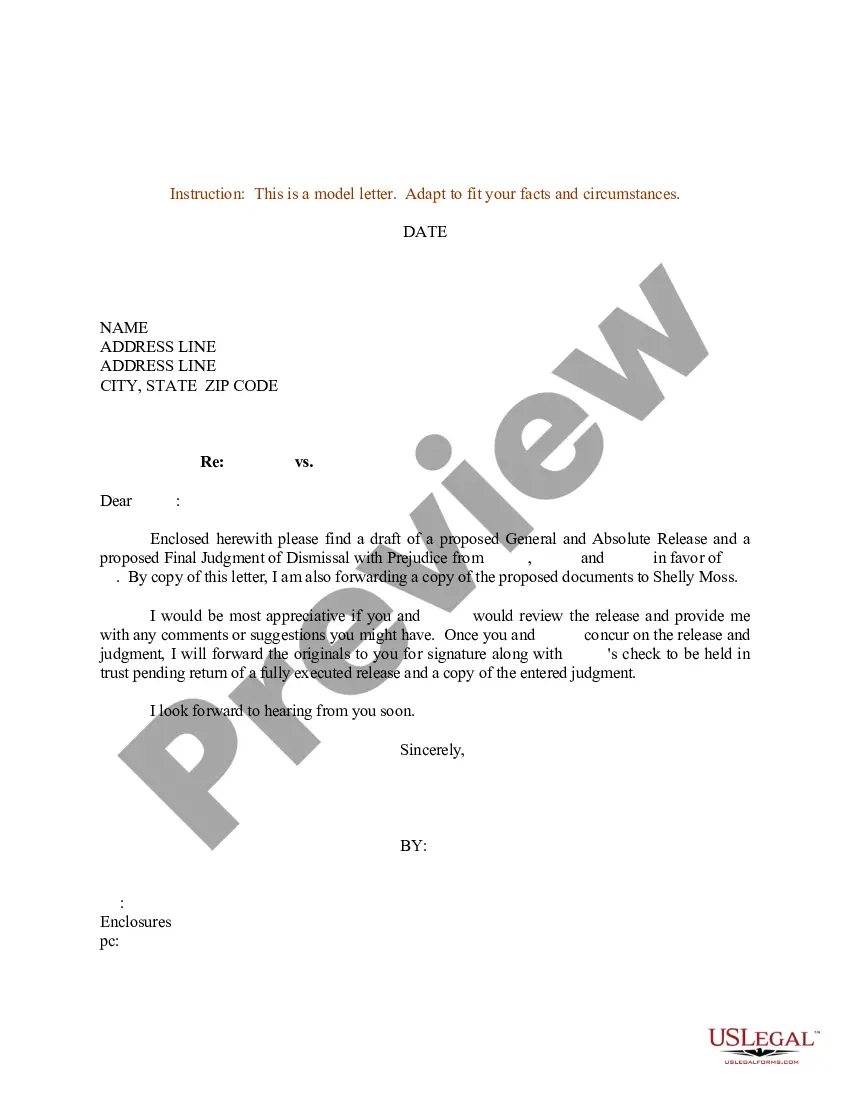
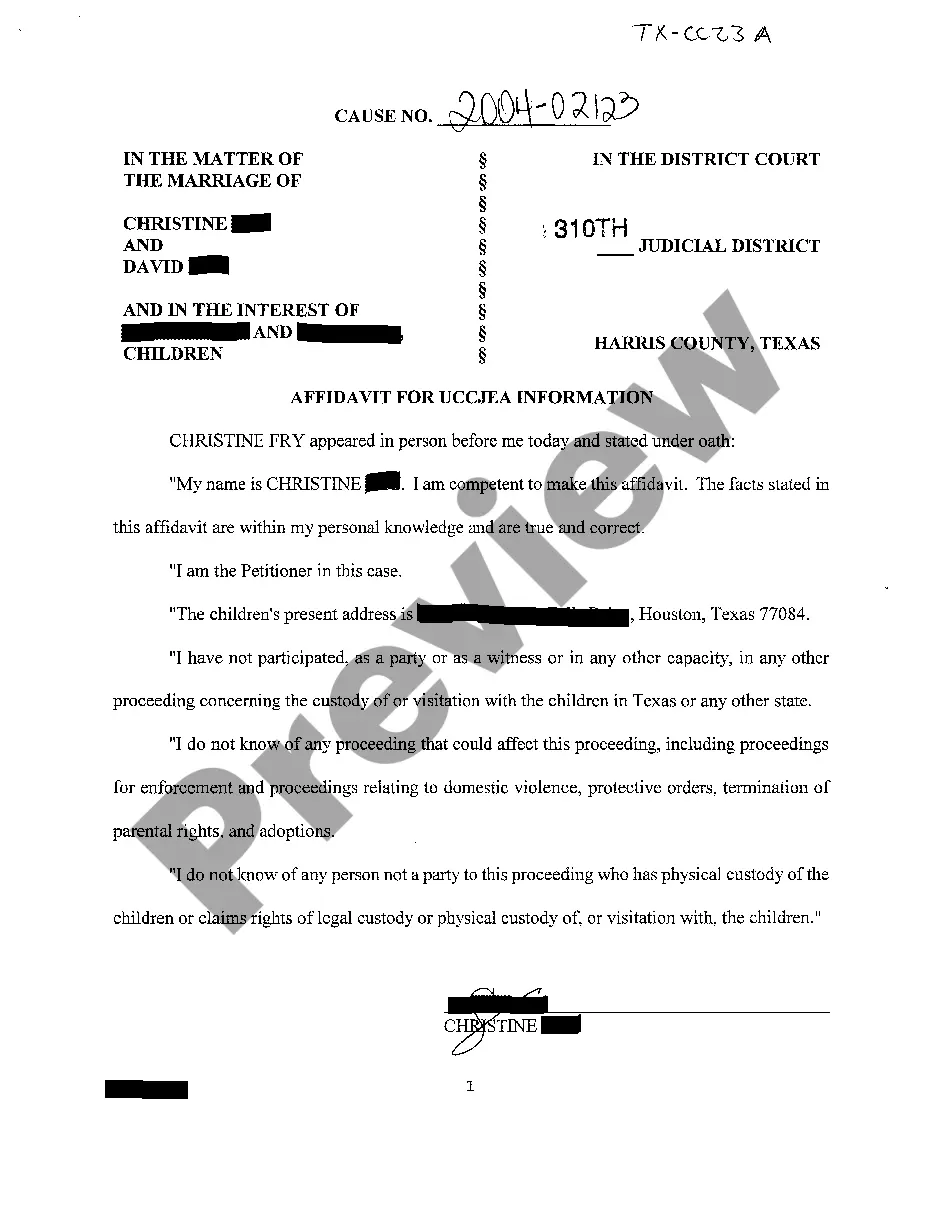
Get your form ready online
Our built-in tools help you complete, sign, share, and store your documents in one place.
Make edits, fill in missing information, and update formatting in US Legal Forms—just like you would in MS Word.
Download a copy, print it, send it by email, or mail it via USPS—whatever works best for your next step.
Sign and collect signatures with our SignNow integration. Send to multiple recipients, set reminders, and more. Go Premium to unlock E-Sign.
If this form requires notarization, complete it online through a secure video call—no need to meet a notary in person or wait for an appointment.
We protect your documents and personal data by following strict security and privacy standards.

Make edits, fill in missing information, and update formatting in US Legal Forms—just like you would in MS Word.

Download a copy, print it, send it by email, or mail it via USPS—whatever works best for your next step.

Sign and collect signatures with our SignNow integration. Send to multiple recipients, set reminders, and more. Go Premium to unlock E-Sign.

If this form requires notarization, complete it online through a secure video call—no need to meet a notary in person or wait for an appointment.

We protect your documents and personal data by following strict security and privacy standards.
Looking for another form?





Form popularity
FAQ
Steps to File a Motion to Dismiss Review the Complaint Thoroughly. Carefully read the plaintiff's complaint to identify any legal deficiencies. Research Relevant Laws and Precedents. Draft the Motion. Include a Conclusion. File the Motion with the Court.
In the formal legal world, a court case that is dismissed with prejudice means that it is dismissed permanently. A case dismissed with prejudice is over and done with, once and for all, and can't be brought back to court. A case dismissed without prejudice means the opposite. It's not dismissed forever.
A without prejudice offer can be used to resolve a legal dispute by enabling parties to make settlement offers without the risk of those offers being used against them in court. This protection encourages parties to engage in genuine negotiations to reach a settlement.
The traditional meaning of 'without prejudice' it is to allow communications between parties without worrying that those communications, like letters or emails, will be used in court against the writer. However, it's a term often misused by lawyers. It should be used to preface settlement discussions.
``Without prejudice'' is for when someone makes an offer to settle a case, but doesn't want the fact of an offer to be produced as evidence that they thought they were in the wrong. It means the offer can't be referred to in the case unless it's accepted.
A Dismissal without Prejudice means that the claim may be reasserted against the other party in the future.
A case dismissed with prejudice is over and done with, once and for all, and can't be brought back to court. A case dismissed without prejudice means the opposite. It's not dismissed forever. The person whose case it is can try again.
Voluntary dismissal. (a) The plaintiff may, at any time before trial or hearing begins, upon notice to each party who has appeared or each such party's attorney, and upon payment of costs, dismiss his or her action or any part thereof as to any defendant, without prejudice, by order filed in the cause.
The purpose of the "two-dismissal rule" is "to avoid vexatious litigation." When a complaint is dismissed a second time, the plaintiff is now barred from seeking relief on the same claim. Here, the first case was filed as an ordinary civil action.
As to remedy, in dismissal with prejudice, the remedy is an appeal; in dismissal without prejudice, the remedy is to refile, unless the order dismissing without prejudice may be the subject of an appropriate special civil action under Rule 65, provided that the requirements for a Rule 65 petition are present.

