Release Letter Sample With Greetings In Arizona
Description
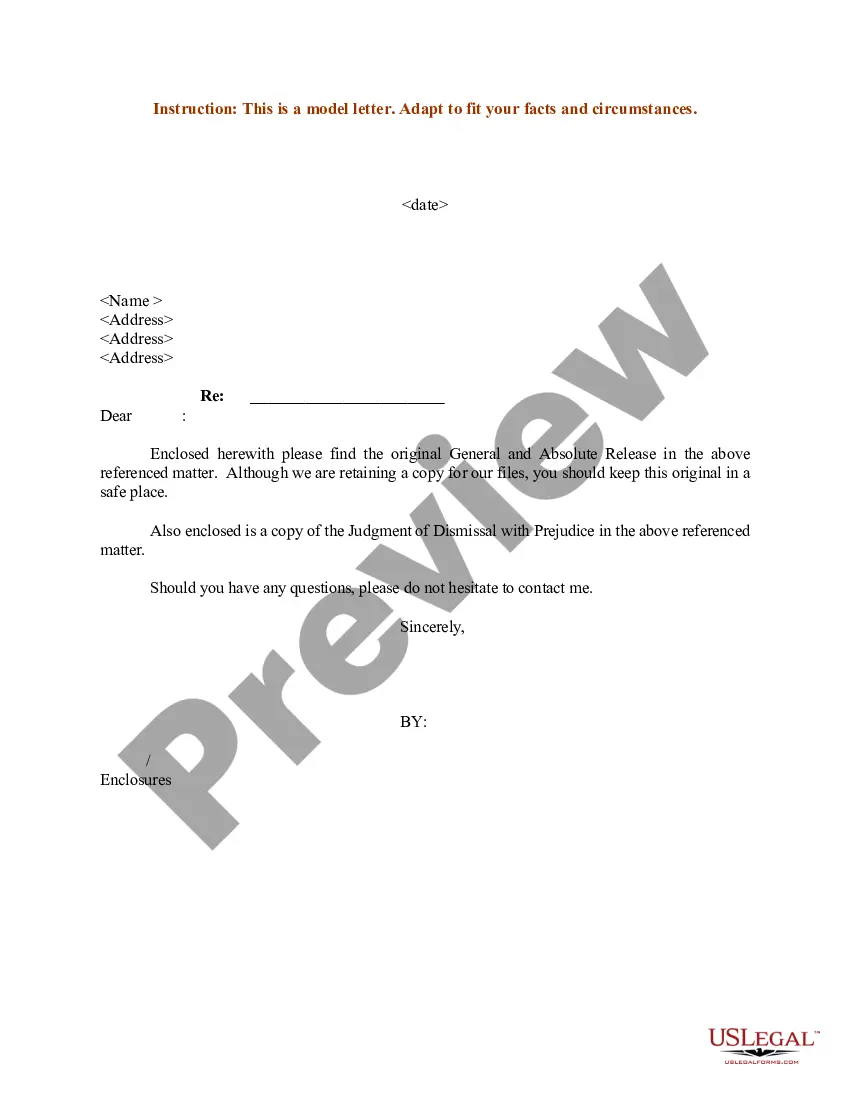
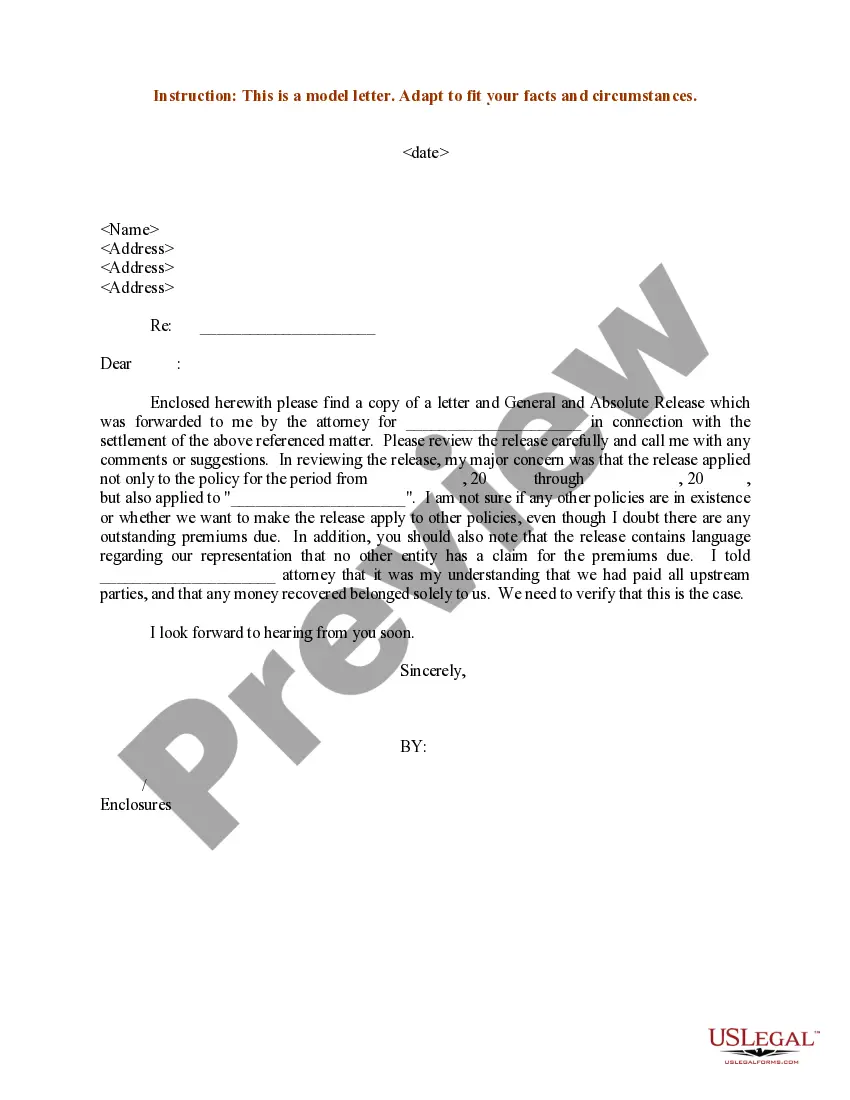
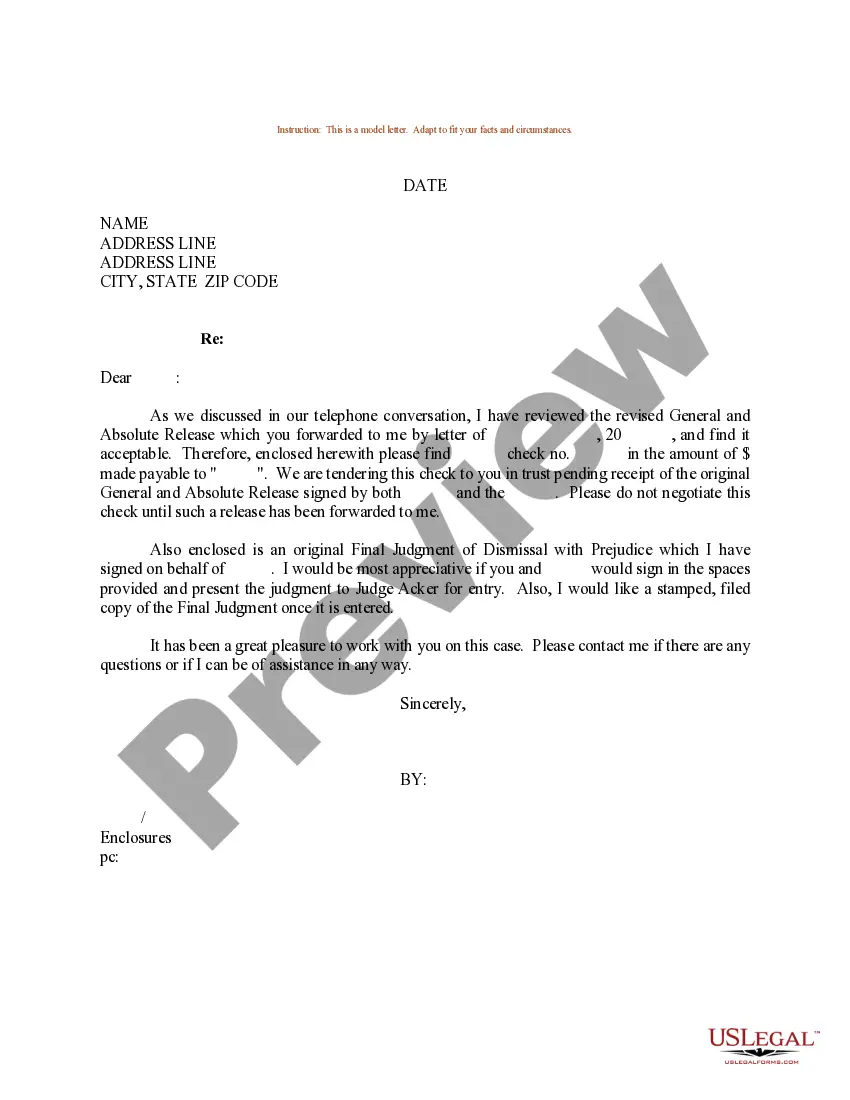
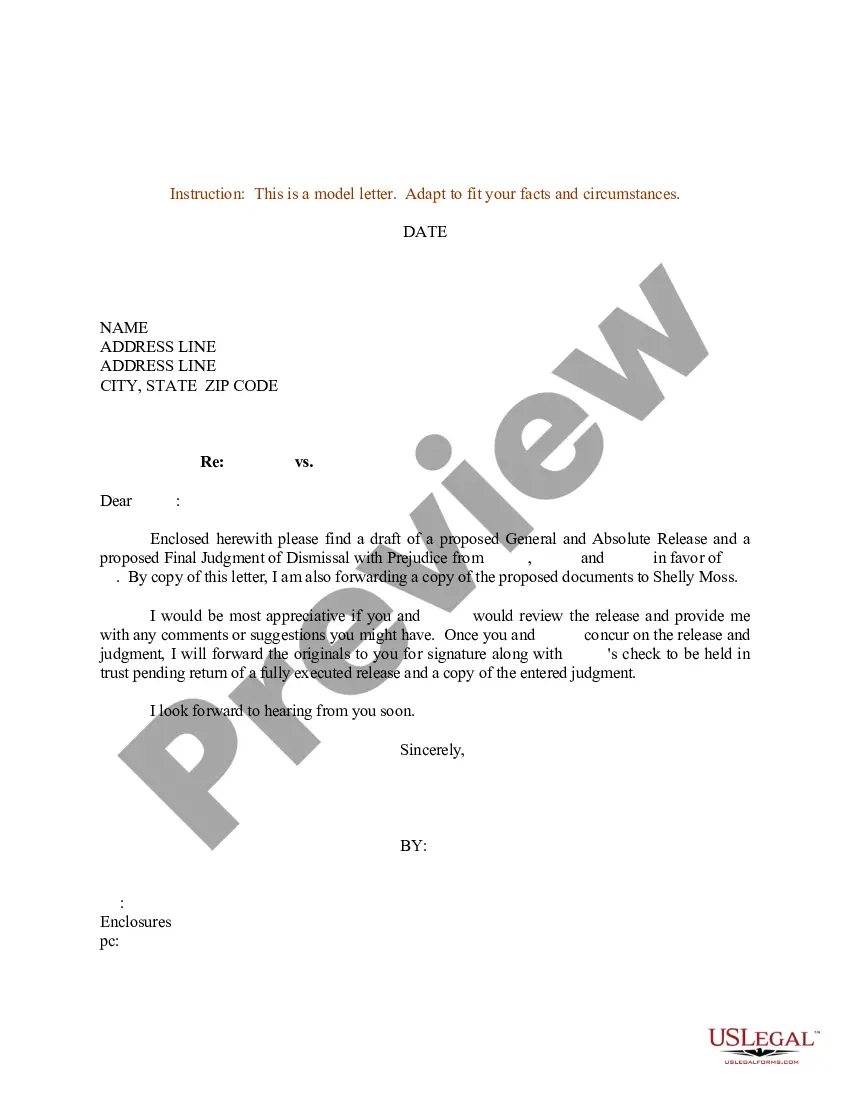
Get your form ready online
Our built-in tools help you complete, sign, share, and store your documents in one place.
Make edits, fill in missing information, and update formatting in US Legal Forms—just like you would in MS Word.
Download a copy, print it, send it by email, or mail it via USPS—whatever works best for your next step.
Sign and collect signatures with our SignNow integration. Send to multiple recipients, set reminders, and more. Go Premium to unlock E-Sign.
If this form requires notarization, complete it online through a secure video call—no need to meet a notary in person or wait for an appointment.
We protect your documents and personal data by following strict security and privacy standards.

Make edits, fill in missing information, and update formatting in US Legal Forms—just like you would in MS Word.

Download a copy, print it, send it by email, or mail it via USPS—whatever works best for your next step.

Sign and collect signatures with our SignNow integration. Send to multiple recipients, set reminders, and more. Go Premium to unlock E-Sign.

If this form requires notarization, complete it online through a secure video call—no need to meet a notary in person or wait for an appointment.

We protect your documents and personal data by following strict security and privacy standards.
Looking for another form?









Form popularity
FAQ
The most formal salutation is Dear, title, then the last name. If you're unsure of the person's pronouns, it's a good idea to use Dear First and last name or Dear First name. When you don't know the recipient's name, you can use Hello or Greetings.
5 strong greetings (salutations) Dear full name, Greeting the recipient by their full name is best when you haven't previously interacted with them. Dear title and last name, ... Hi first name, ... Dear team, department, or job title, ... Hello,
5 Steps to Prepare a Release Letter Step 1: Format Your Letter. Set up the format of the letter in the standard business format. Step 2: Information About the Release. Step 3: Maintaining the Tone. Step 4: Make it Short and Crisp. Step 5: Logo of the Company and the Name.
Start with Dear or even Dearest followed by the first name of the person to whom you are writing. In emails, you can also start with Hi (and the person's name)... Informal letters sometimes have a comma after the person's name, and the letter starts on the line below.
The greeting of a friendly letter always starts with 'Dear' followed by the person's name to whom you are writing the letter. In the below example, the greeting is 'Dear Jason. ' The greeting is followed by a comma, then a skipped line.
Some of the best opening lines for a formal letter include: ``I am writing to inform you...'' ``I am writing in regards to...'' ``I am writing to express my interest in...'' ``I am writing to request...'' ``I am writing to discuss...'' ``I am writing to follow up on...'' ``I am writing to confirm...''
Introduction Paragraph You might begin by asking the recipient about their well being. Or you may say that you hope the letter finds them in good health and great spirits. The opening of informal letters should be casual and comforting. It must not be formal and direct as in business letters.
Start with a Greeting: - Use a warm and friendly opening. You might say something like, ``Hey (Friend's Name)!'' or ``Dear (Friend's Name),''. Express Gratitude: - Share what you appreciate about them. Mention specific qualities or moments that have made a difference in your life. For example:
Consider including these details when making your request: Specific date and time: Clearly state the exact date and time you need to leave early. Impact on work: Acknowledge your completed tasks and how you can ensure productivity before or after your early departure.
After the resignation has been accepted, Employers have to write a relieving letter maintaining the following details. Employee Information. Employer/Organizational Information. Subject. Dates of Employment. Body of the letter. Formalities. Signatures. Contact Information.

