Release Letter Sample With Attachment In Alameda
Description

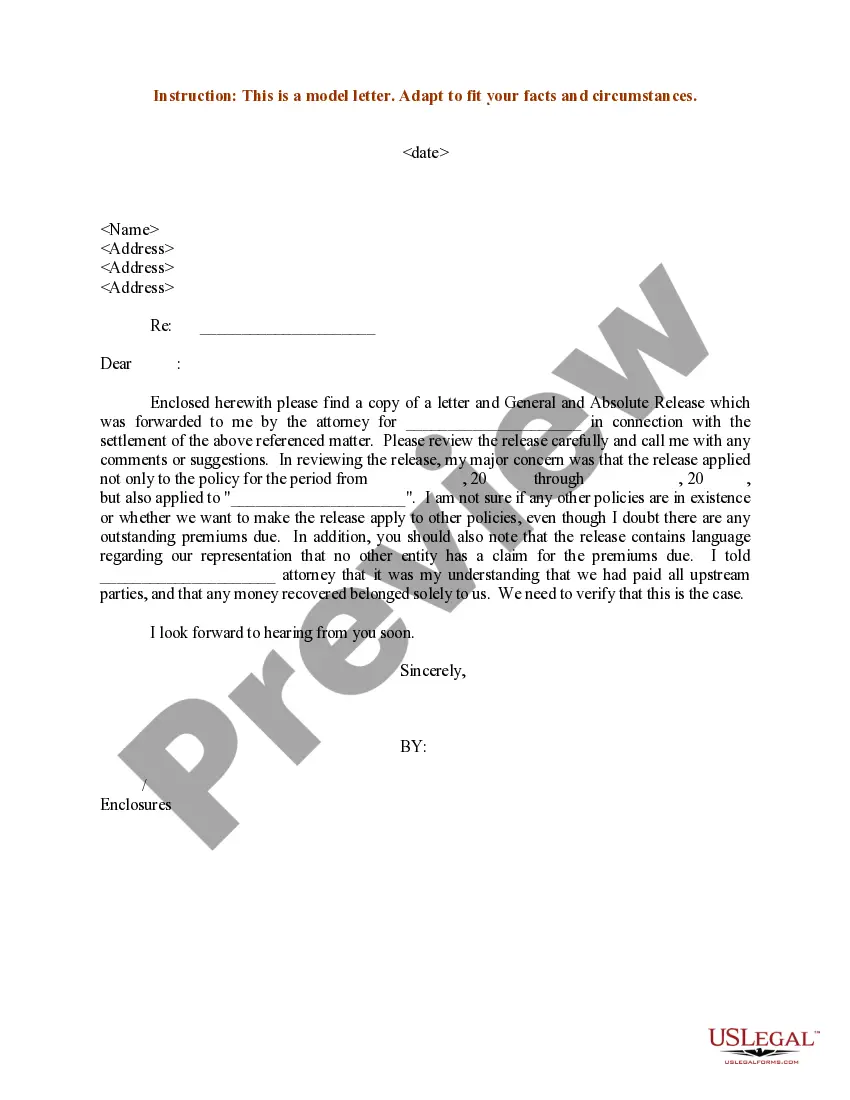
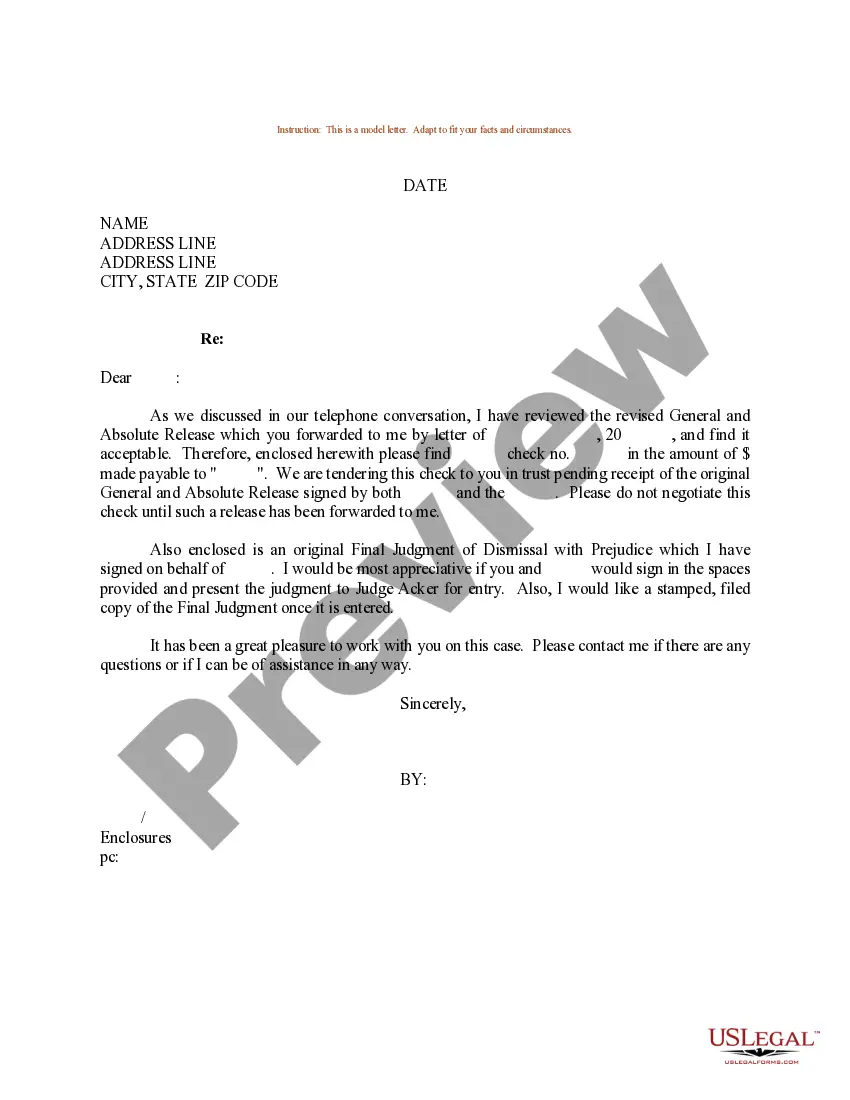
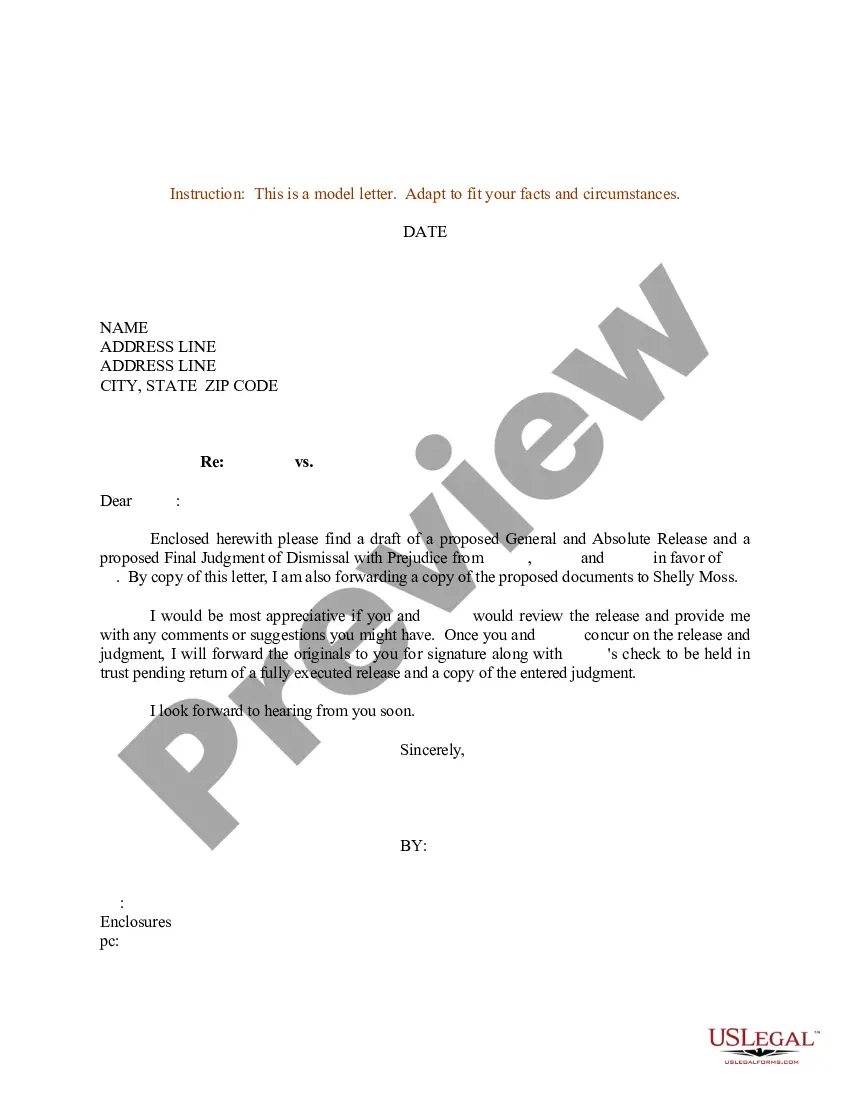
Get your form ready online
Our built-in tools help you complete, sign, share, and store your documents in one place.
Make edits, fill in missing information, and update formatting in US Legal Forms—just like you would in MS Word.
Download a copy, print it, send it by email, or mail it via USPS—whatever works best for your next step.
Sign and collect signatures with our SignNow integration. Send to multiple recipients, set reminders, and more. Go Premium to unlock E-Sign.
If this form requires notarization, complete it online through a secure video call—no need to meet a notary in person or wait for an appointment.
We protect your documents and personal data by following strict security and privacy standards.

Make edits, fill in missing information, and update formatting in US Legal Forms—just like you would in MS Word.

Download a copy, print it, send it by email, or mail it via USPS—whatever works best for your next step.

Sign and collect signatures with our SignNow integration. Send to multiple recipients, set reminders, and more. Go Premium to unlock E-Sign.

If this form requires notarization, complete it online through a secure video call—no need to meet a notary in person or wait for an appointment.

We protect your documents and personal data by following strict security and privacy standards.
Looking for another form?







Form popularity
FAQ
George E. McDonald Courthouse, Alameda: (510) 891-6005.
Records may be requested in the following ways: By submitting a request online via NextRequest. By telephone or visiting a department. By submitting a request in writing via email or US Mail.
For County assistance, please call 510.208. 9770 for a menu of County Agencies and Departments.
Certified copies of divorce records can be requested through the superior court, either in-person or by mail. The George E. McDonald Hall of Justice is the courthouse in Alameda County that houses all divorce papers. For either option, start by filling out the county's civil records request form.
In every case, to present an ex parte application to the court, a party must: reserve a hearing date with the applicable department (for applications that require a hearing.) ... file the motion with the court, and. give notice of the hearing date as required by law.
The form FL-040, also known as the Declaration Regarding Notice of Ex Parte Application for Order, is typically filed by the party or attorney seeking an ex parte order in a family law case in California.

