Consent Consumer Investigative For Employment In Washington
Description
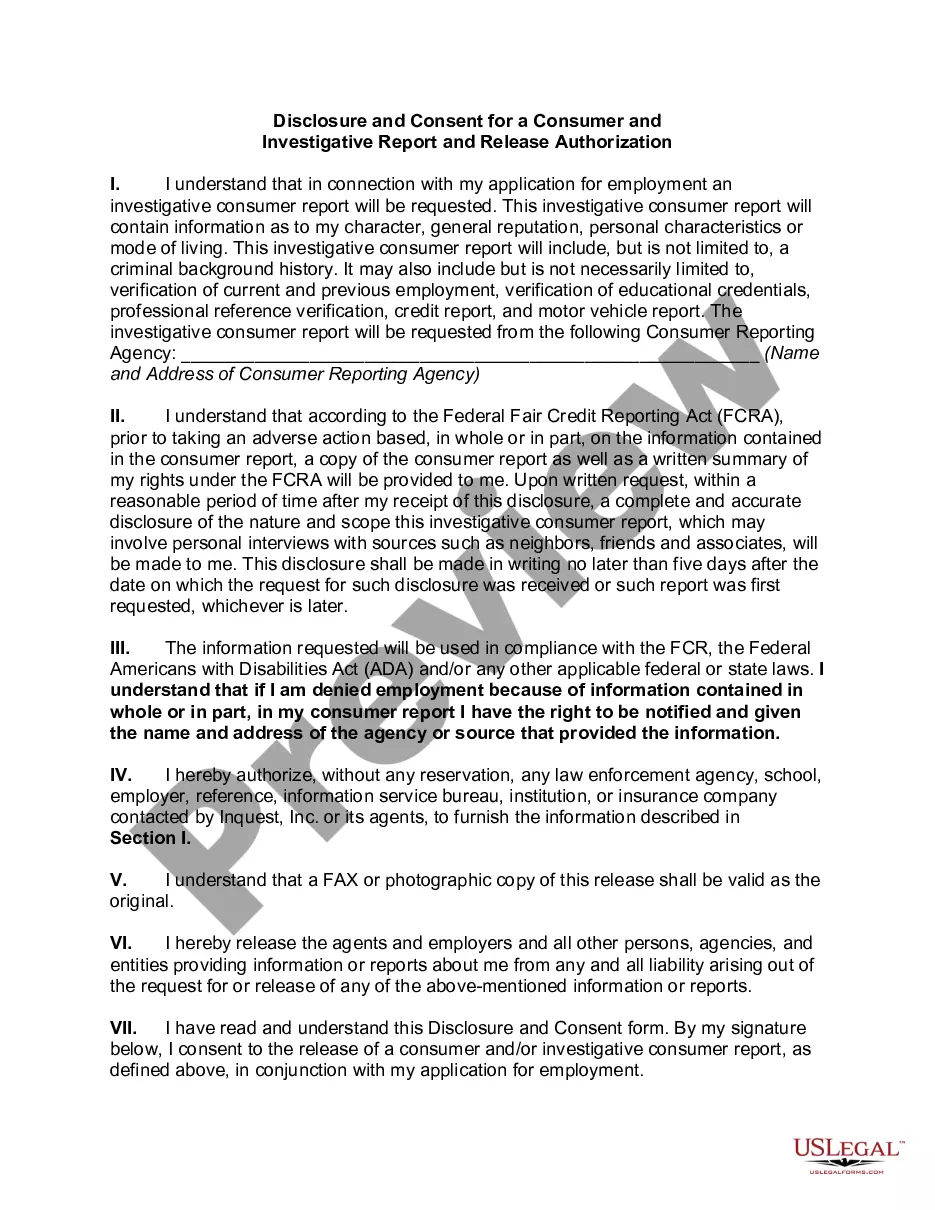
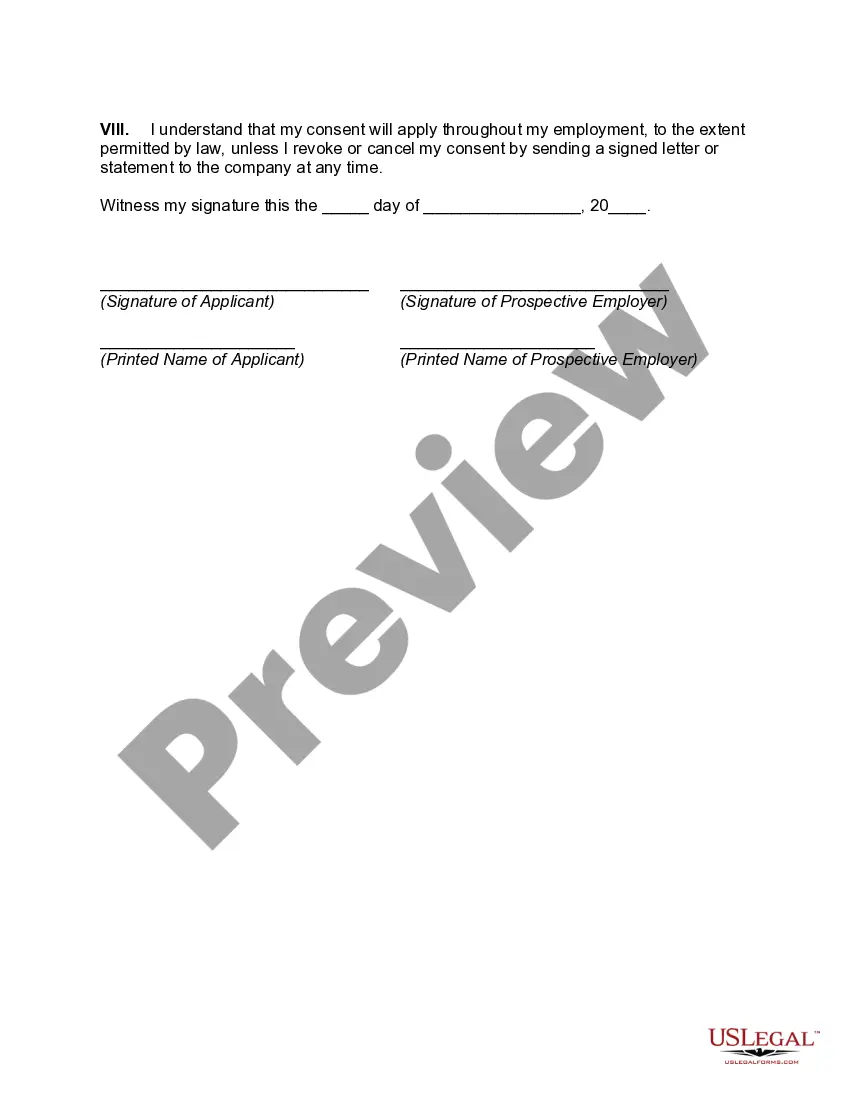
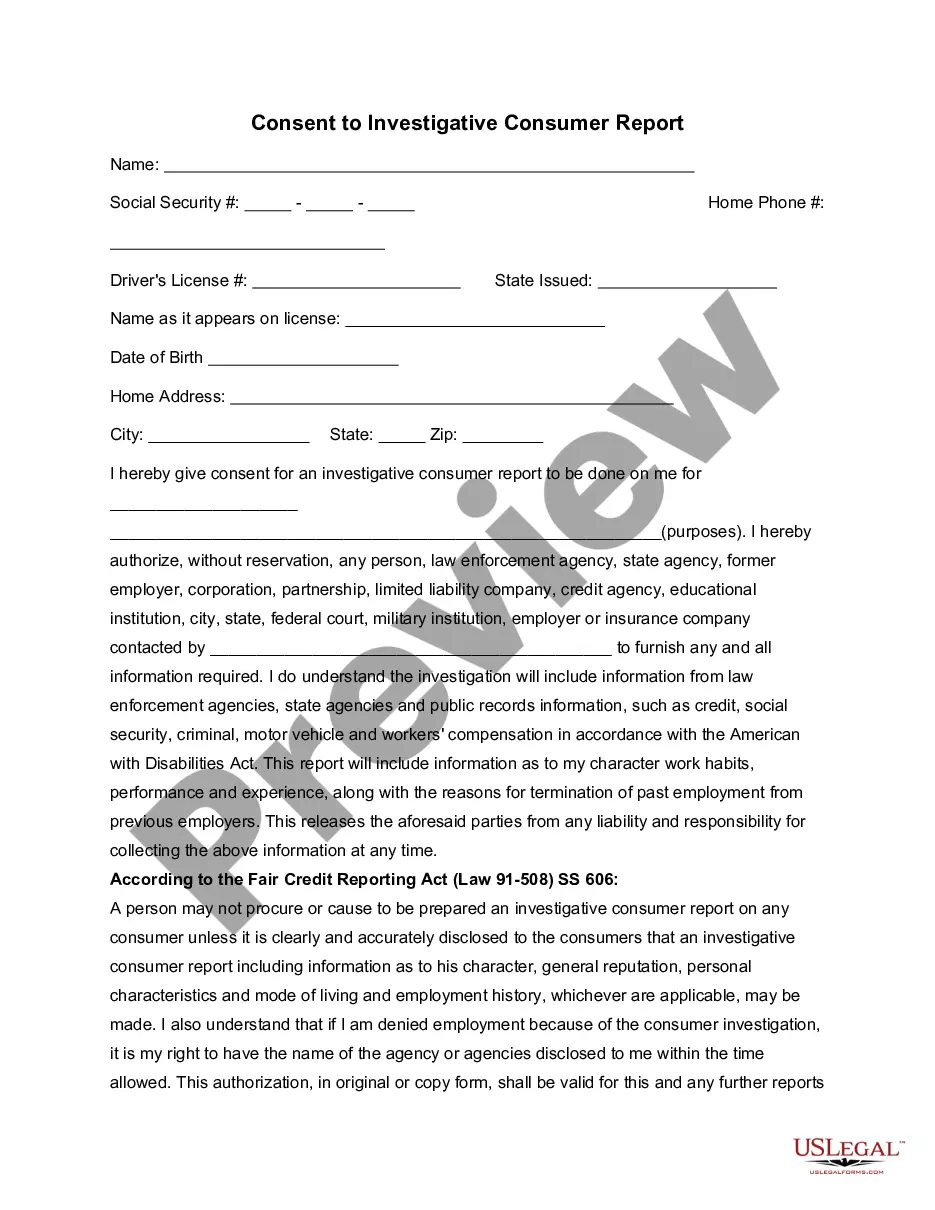
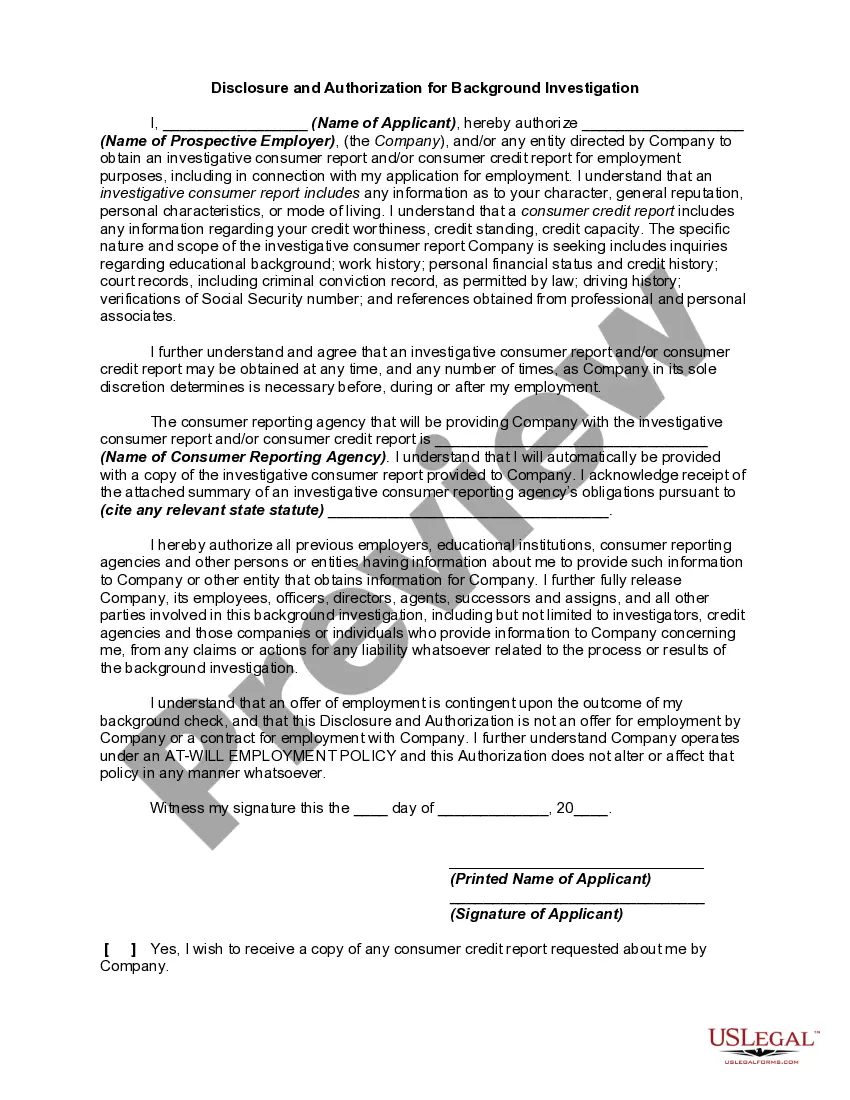
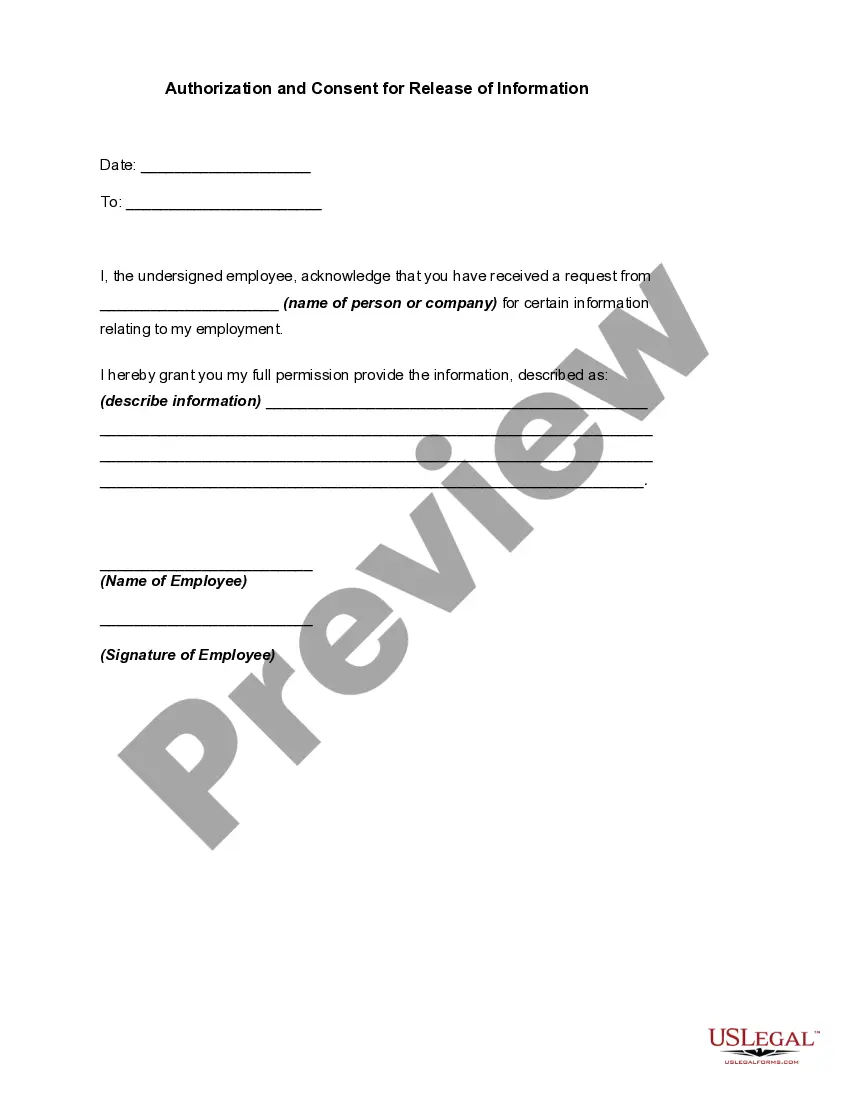
Get your form ready online
Our built-in tools help you complete, sign, share, and store your documents in one place.
Make edits, fill in missing information, and update formatting in US Legal Forms—just like you would in MS Word.
Download a copy, print it, send it by email, or mail it via USPS—whatever works best for your next step.
Sign and collect signatures with our SignNow integration. Send to multiple recipients, set reminders, and more. Go Premium to unlock E-Sign.
If this form requires notarization, complete it online through a secure video call—no need to meet a notary in person or wait for an appointment.
We protect your documents and personal data by following strict security and privacy standards.

Make edits, fill in missing information, and update formatting in US Legal Forms—just like you would in MS Word.

Download a copy, print it, send it by email, or mail it via USPS—whatever works best for your next step.

Sign and collect signatures with our SignNow integration. Send to multiple recipients, set reminders, and more. Go Premium to unlock E-Sign.

If this form requires notarization, complete it online through a secure video call—no need to meet a notary in person or wait for an appointment.

We protect your documents and personal data by following strict security and privacy standards.
Looking for another form?
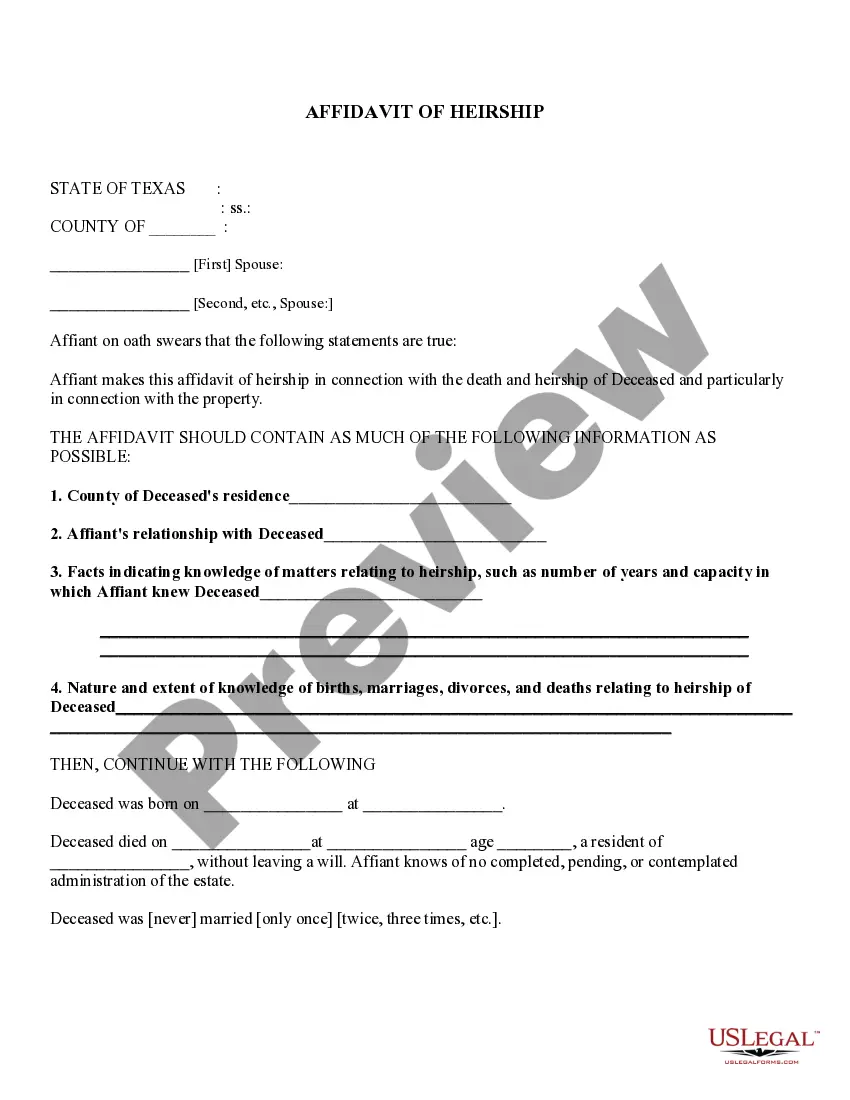

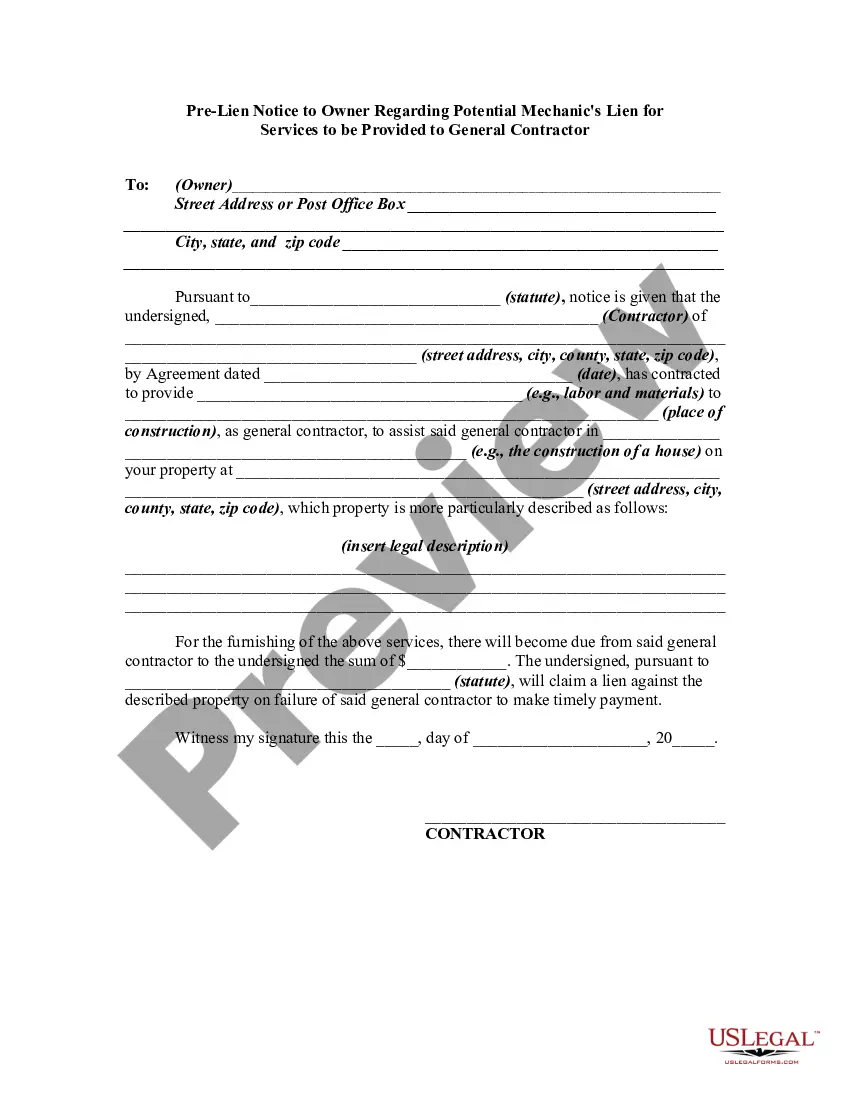
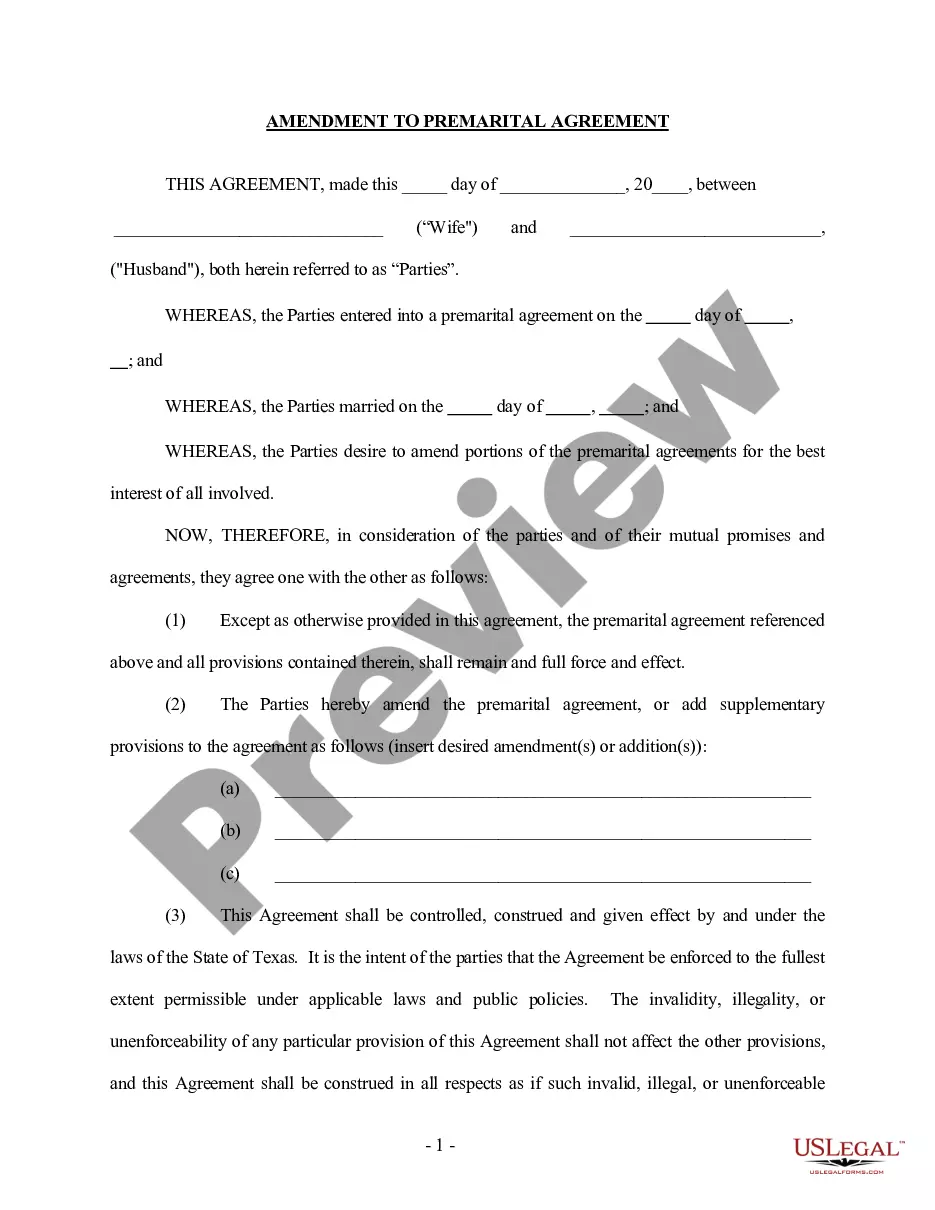


Form popularity
FAQ
California Credit Reporting Agencies Act (CCRAA) Employers in California are limited when they can request a consumer report, which essentially means a credit report. Under the CCRAA, employers must have a “legitimate business need” to access a credit record.
You must give your consent for reports to be provided to employers. A consumer reporting agency may not give out information about you to your employer, or a potential employer, without your written consent given to the employer.
Employers who use "investigative reports" – reports based on personal interviews concerning a person's character, general reputation, personal characteristics, and lifestyle – have additional obligations under the FCRA.
The general rule in California is that an employer may not consider acquire or consider a person's credit report in making job decisions except for applicants for or employees in: managerial positions. positions with the state Department of Justice. law enforcement positions, including peace officers.
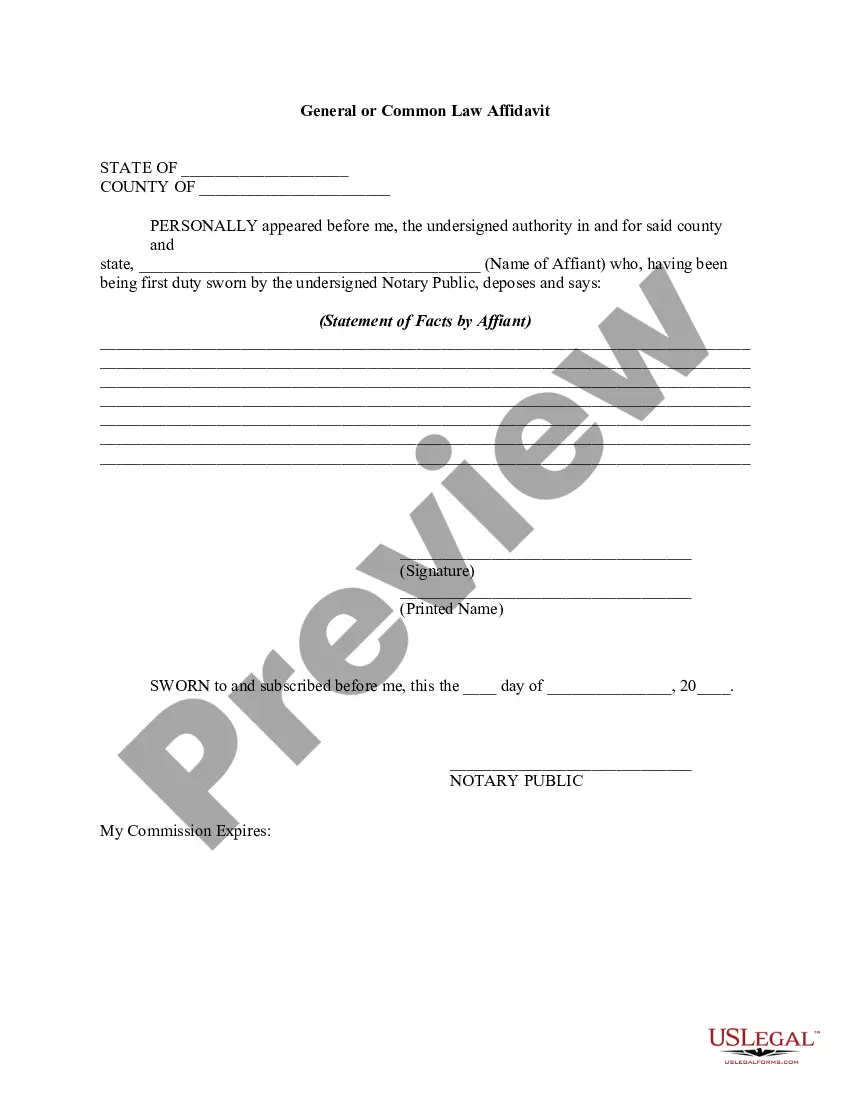
Employers must get your written permission before running a background check from a background reporting company. You have the right to say no, but if you do, you may not get the job.
The heart of the consumer protection provisions of the CPA is RCW 19.86. 020, which states: “Unfair methods of competition and unfair or deceptive acts or practices in the conduct of any trade or commerce are hereby declared unlawful.”
If the information is to be used for an insurance transaction, the consumer must give consent to the user of the report or the information must be coded.
The Act grants several privacy rights to Washington residents, including the right to access, correct, and delete personal data, as well as the right to data portability and to opt out of data processing for targeted advertising.
The ICRAA governs “investigative consumer reports.” An “investigative consumer report” contains the following information: Character. Reputation.
The Fair Credit Reporting Act (FCRA) regulates the consumer credit reporting industry. In general, the FCRA requires that industry to report your consumer credit information in a fair, timely, and accurate manner. Banks and other lenders use this information to make lending decisions.
