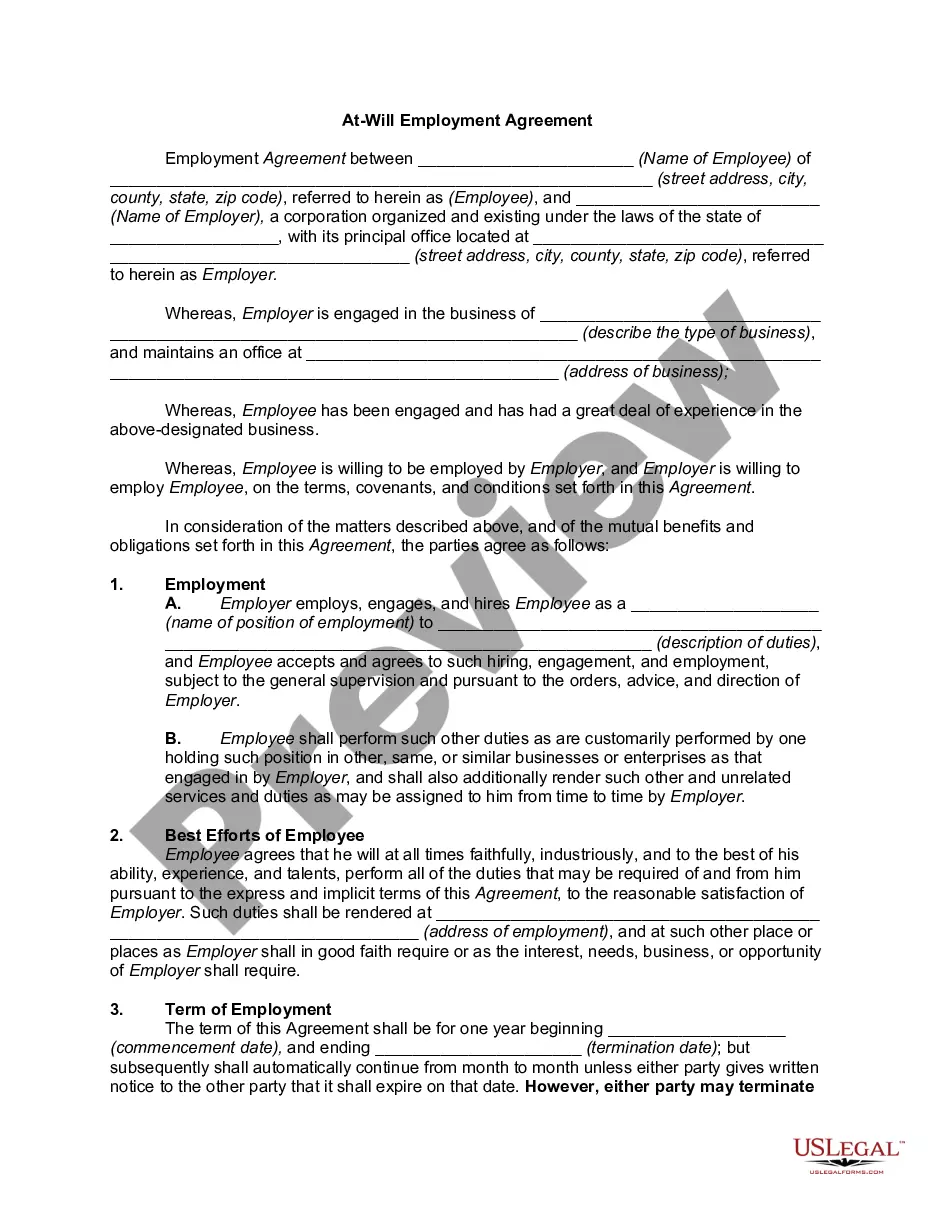
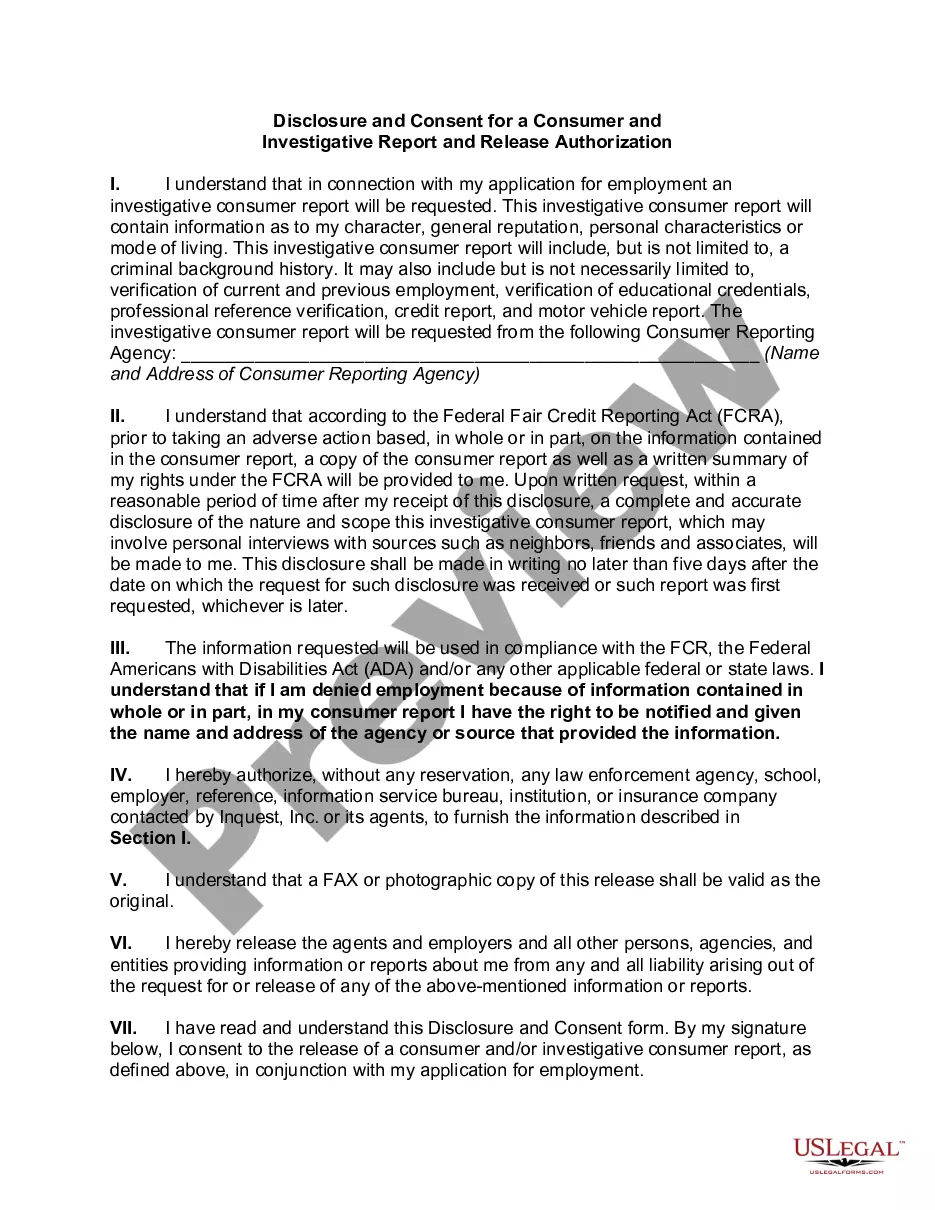
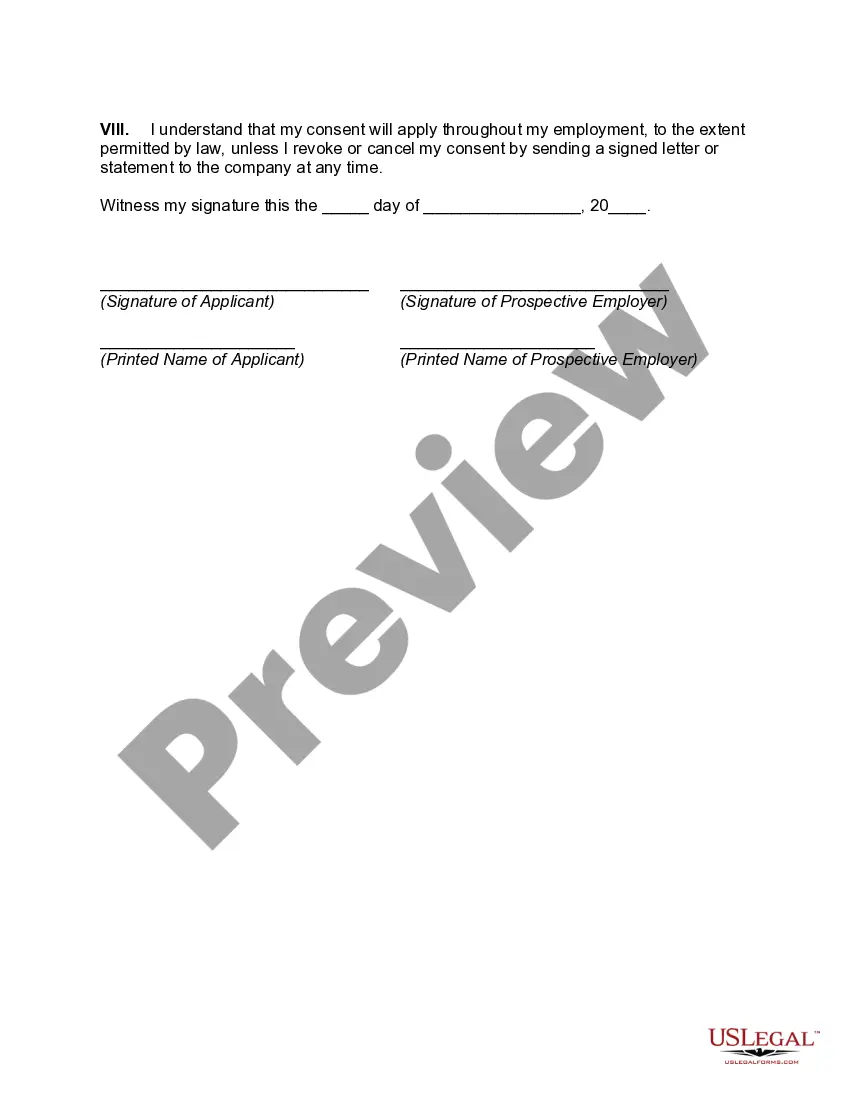
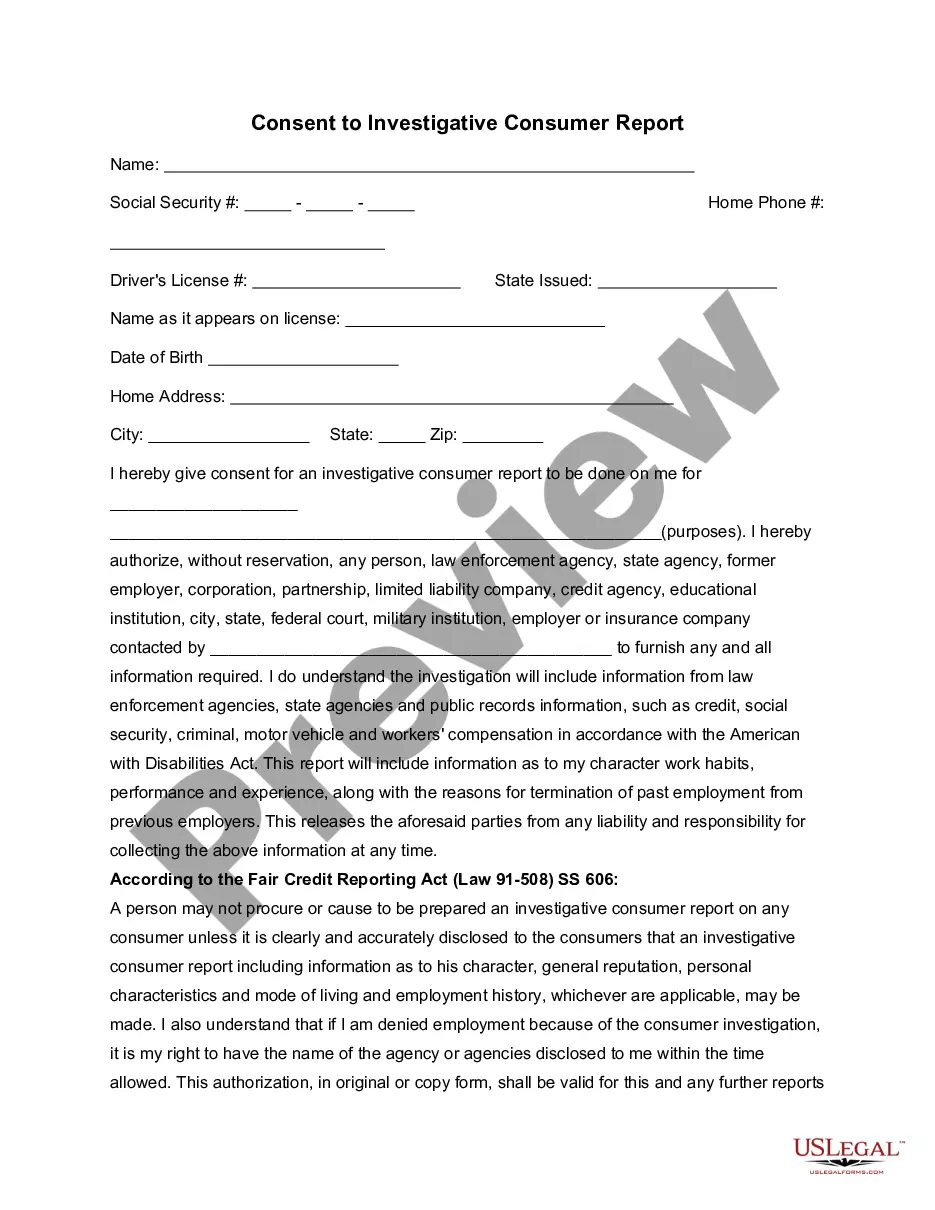
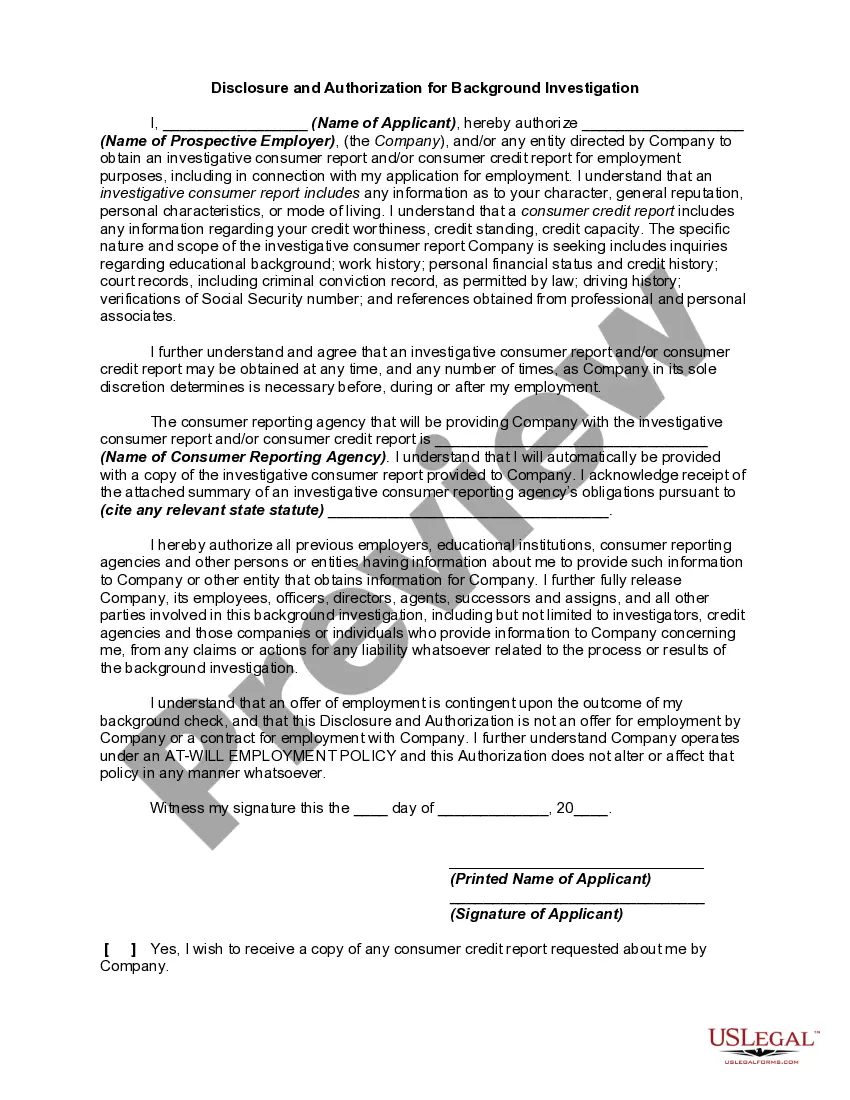
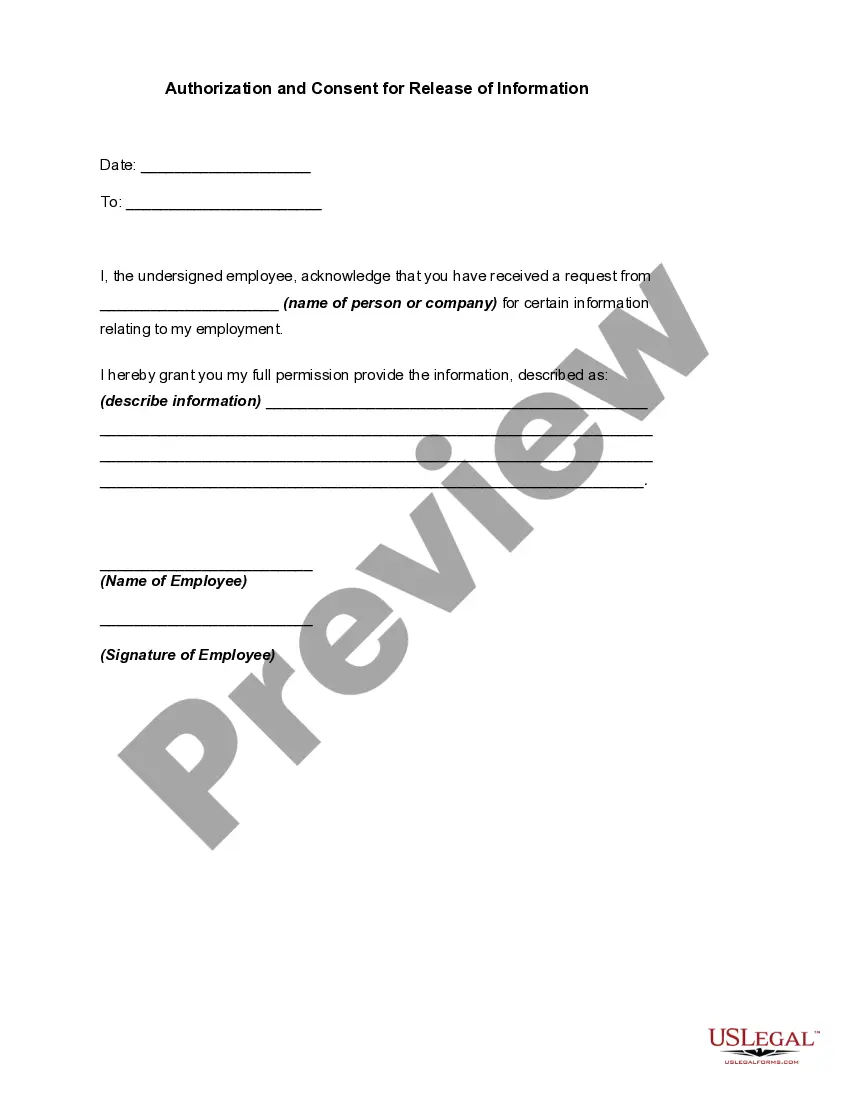
Consent Consumer Investigative For Employment In Fulton
Description
Get your form ready online
Our built-in tools help you complete, sign, share, and store your documents in one place.
Make edits, fill in missing information, and update formatting in US Legal Forms—just like you would in MS Word.
Download a copy, print it, send it by email, or mail it via USPS—whatever works best for your next step.
Sign and collect signatures with our SignNow integration. Send to multiple recipients, set reminders, and more. Go Premium to unlock E-Sign.
If this form requires notarization, complete it online through a secure video call—no need to meet a notary in person or wait for an appointment.
We protect your documents and personal data by following strict security and privacy standards.

Make edits, fill in missing information, and update formatting in US Legal Forms—just like you would in MS Word.

Download a copy, print it, send it by email, or mail it via USPS—whatever works best for your next step.

Sign and collect signatures with our SignNow integration. Send to multiple recipients, set reminders, and more. Go Premium to unlock E-Sign.

If this form requires notarization, complete it online through a secure video call—no need to meet a notary in person or wait for an appointment.

We protect your documents and personal data by following strict security and privacy standards.
Looking for another form?






Form popularity
FAQ
Simply put, a consumer report background check contains your personal and financialinformation. Your personal information could cover your general lifestyle, your reputationand impressions about your character.
Employers must get your written permission before running a background check from a background reporting company. You have the right to say no, but if you do, you may not get the job.
Employment background checks also are known as consumer reports. They can include information from a variety of sources, including credit reports and criminal records.
When you apply for a job, your prospective employer may use a consumer report to evaluate you as a potential employee. A consumer report is a collection of documents that may include credit reports, criminal and other public records such as bankruptcy filings, and records of civil court procedures and judgments.
Consumer reports may include information about a person's credit history, medical conditions, driving record, criminal activity, and even their participation in dangerous sports.
Investigative consumer reports contain information on an individual that is not in their credit report, including their "character, general reputation, personal characteristics, or mode of living" and are most often used by employers to check on job applicants.
In the US it's legal for employers to discriminate based on credit score/history, so unfortunately this is normal.
Employment background checks also are known as consumer reports. They can include information from a variety of sources, including credit reports and criminal records.
If a user takes any type of adverse action as defined by the FCRA that is based at least in part on information contained in a consumer report, Section 615(a) requires the user to notify the consumer. The notification may be done in writing, orally, or by electronic means.
The law that requires an insurer to notify an applicant in writing that an investigative consumer report may be made on them is the Fair Credit Reporting Act (FCRA), specifically within the provision of the Insurance Information and Privacy Protection Act.