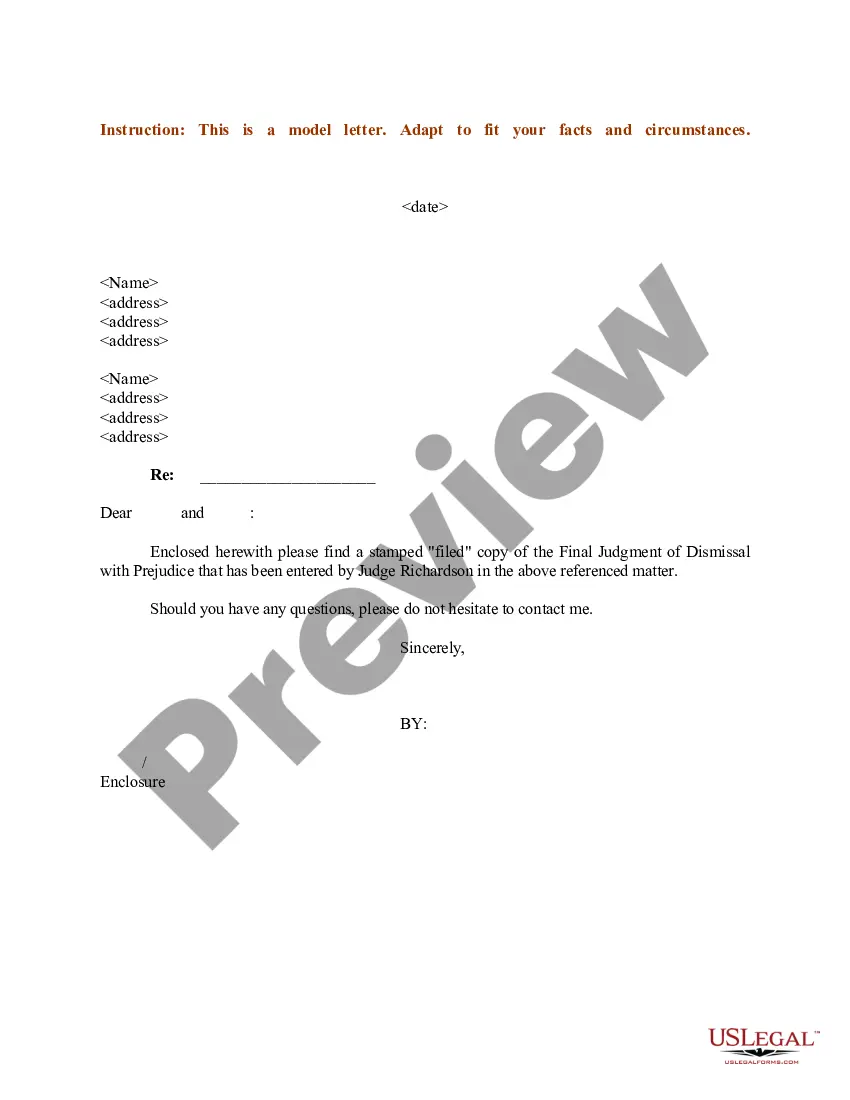
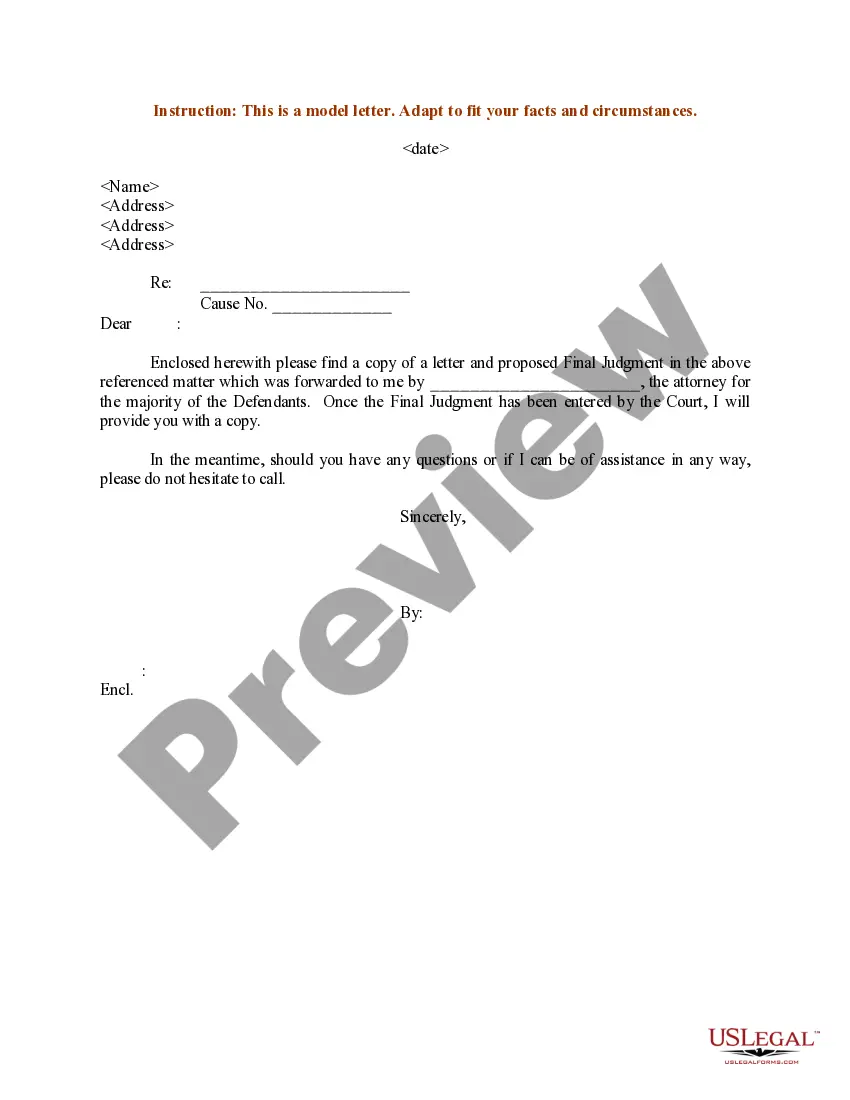
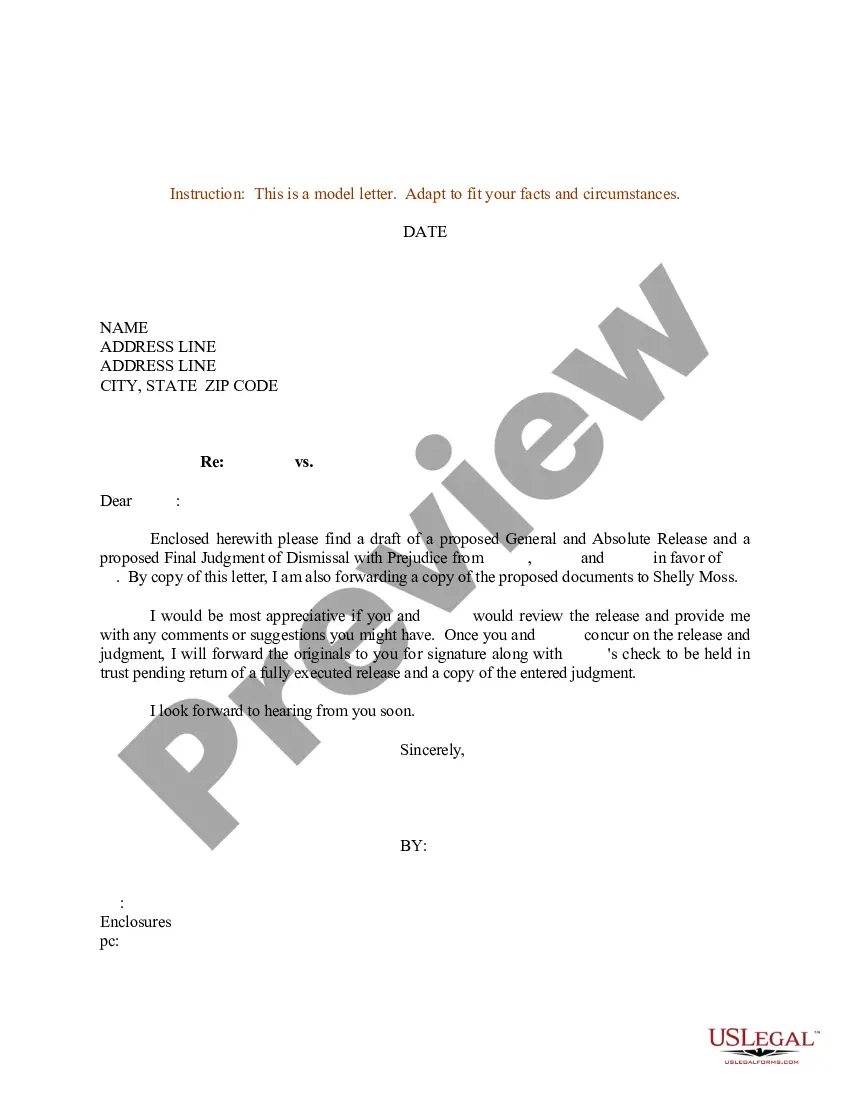
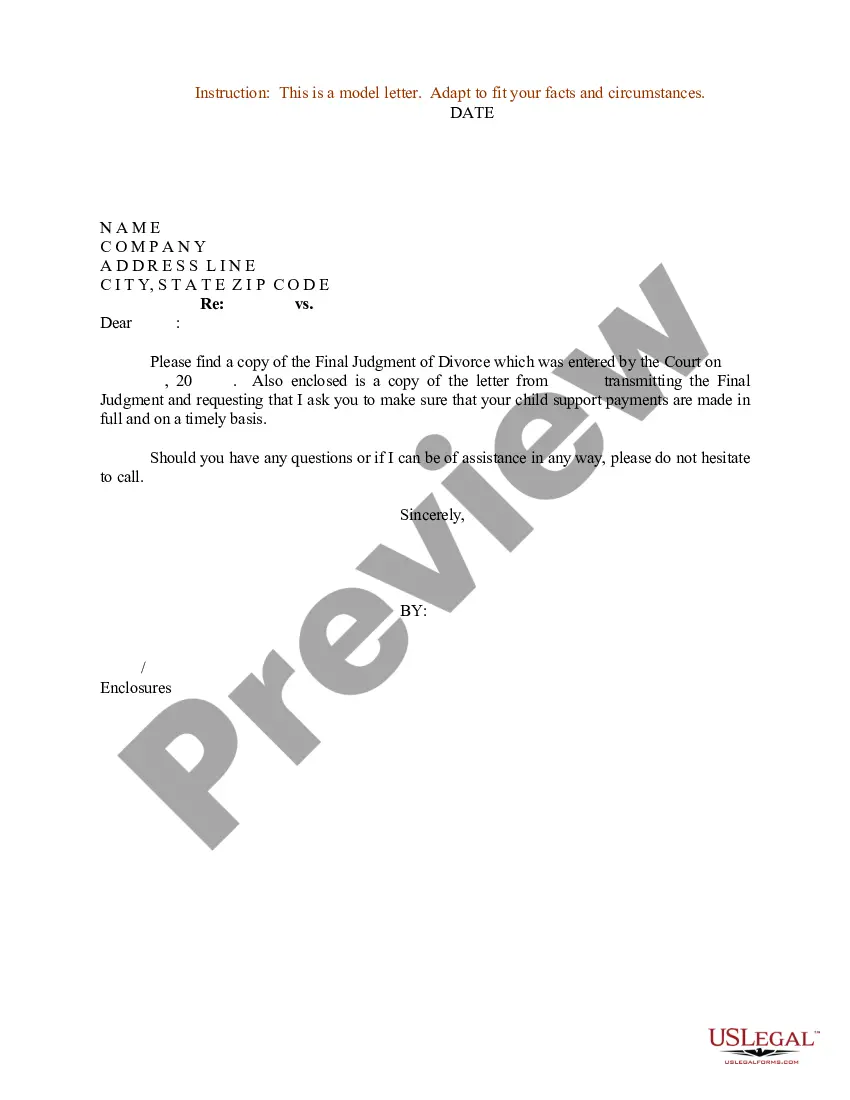
Sample Without Prejudice Letter In Washington
Description

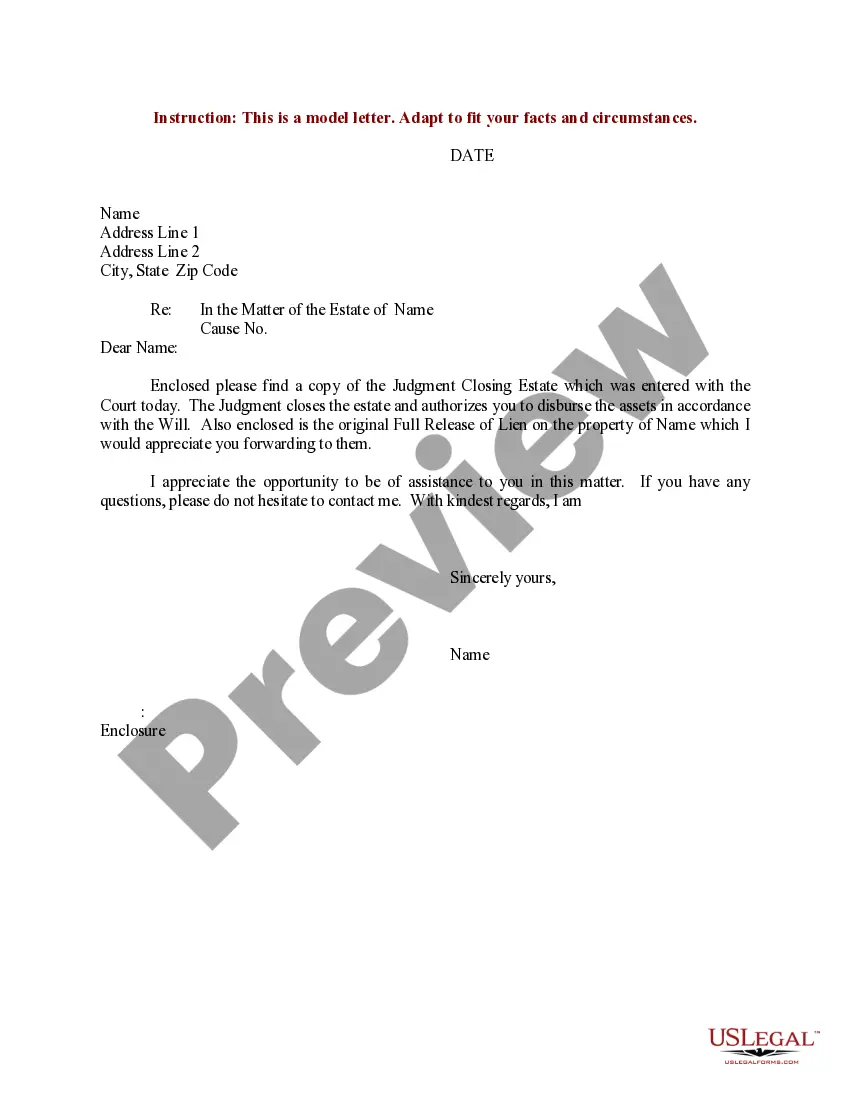
Get your form ready online
Our built-in tools help you complete, sign, share, and store your documents in one place.
Make edits, fill in missing information, and update formatting in US Legal Forms—just like you would in MS Word.
Download a copy, print it, send it by email, or mail it via USPS—whatever works best for your next step.
Sign and collect signatures with our SignNow integration. Send to multiple recipients, set reminders, and more. Go Premium to unlock E-Sign.
If this form requires notarization, complete it online through a secure video call—no need to meet a notary in person or wait for an appointment.
We protect your documents and personal data by following strict security and privacy standards.

Make edits, fill in missing information, and update formatting in US Legal Forms—just like you would in MS Word.

Download a copy, print it, send it by email, or mail it via USPS—whatever works best for your next step.

Sign and collect signatures with our SignNow integration. Send to multiple recipients, set reminders, and more. Go Premium to unlock E-Sign.

If this form requires notarization, complete it online through a secure video call—no need to meet a notary in person or wait for an appointment.

We protect your documents and personal data by following strict security and privacy standards.
Looking for another form?
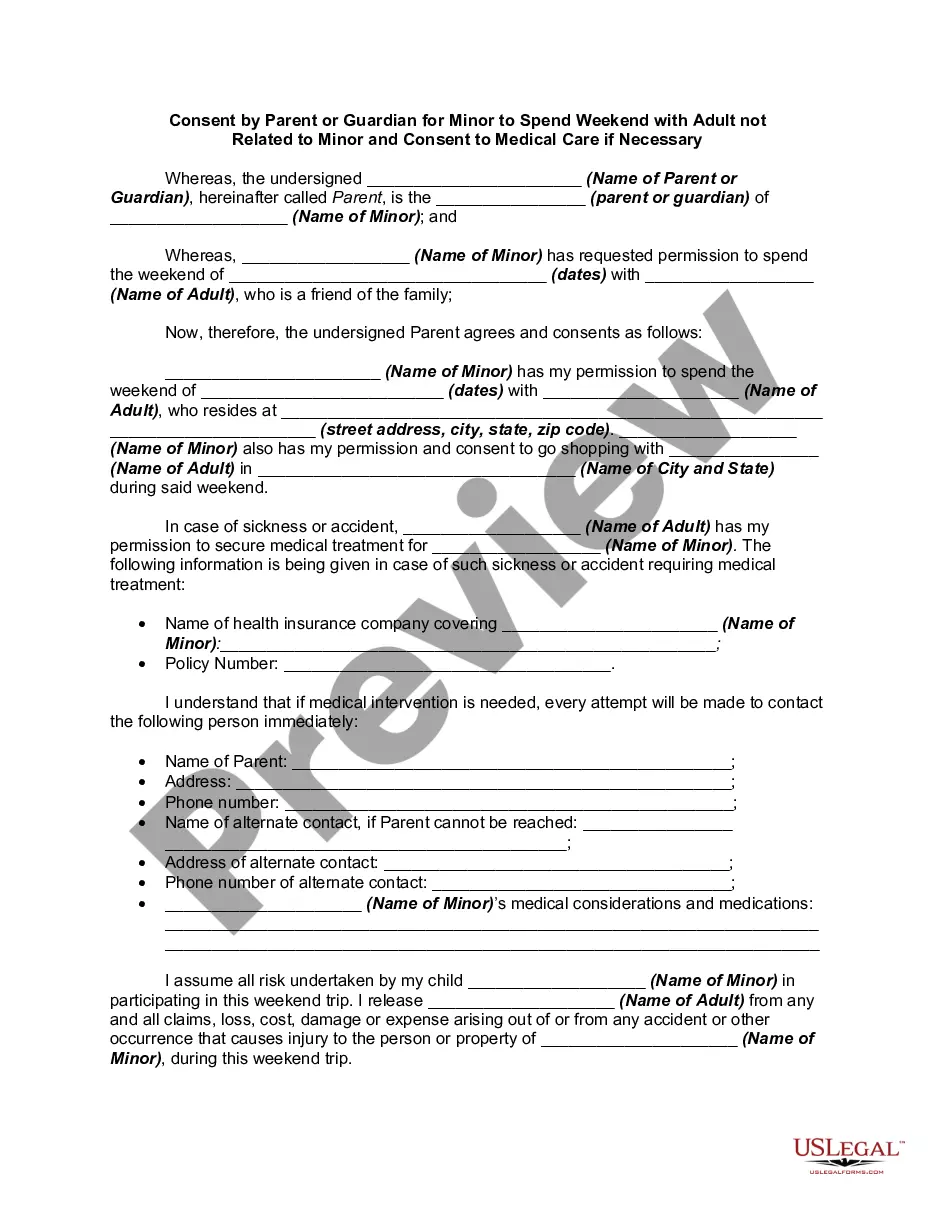






Form popularity
FAQ
Communications marked as 'without prejudice' cannot be used by the other party as evidence in court. This means that parties can speak openly about the matters in dispute without the risk of the other party using that information against them later.
Letter of No Prejudice (LONP) LONPs are intended to allow time-sensitive critical-path project activities to occur using local funds in advance of federal grant funds being available for reimbursement. As such, LONPs expire after a specific period of time, generally limited to five years.
For example, an employer might admit in a without prejudice communication that it had failed to carry out certain procedures which might otherwise render a dismissal unfair, but the employee would normally not be able to show that admission to an Employment Tribunal to try and prove their claim.
Whereas a case that is dismissed “with prejudice” is dismissed permanently, a case that is dismissed “without prejudice” is only dismissed temporarily. This temporary dismissal means that the plaintiff is allowed to re-file charges, alter the claim, or bring the case to another court.
If you write to somebody with whom you are in dispute and you label your communication “without prejudice” this generally means that this letter will not have to be produced to a court if your dispute ends up in a Trial and the Judge will never know that it has been written.
How to Draft a Declaration | WA Divorce & Family Law Article's Table of Contents. Don't Use the Subjoined Fill-In-The-Blank Declaration Forms. Be Thorough. Tell a Story. Show Rather Than Tell. Declarations Should Contain Firsthand Knowledge, Not Secondhand. Submit 3rd Party Supporting Declarations. Be Concise.
A good declaration is specific and detailed, focusing on the facts of the situation or event. Avoid general statements or opinions and instead provide concrete details and evidence to support your statement. Use specific dates, times, and locations to make your statement more credible.
(a) Format Requirements. All pleadings, motions, and other papers filed with the court shall be legibly written or printed. The use of letter-size paper (8-1/2 by 11 inches) is mandatory. The writing or printing shall appear on only one side of the page.
To begin a lawsuit in Federal Court, you must file a paper with the Court called a “complaint.” A complaint is a legal document that tells the judge and defendant(s) how and why you believe the defendants violated the law in a way that injured you and what you want the Court to do about it.
The Court may enter an order of dismissal without prejudice for failure to take action of record during the past 12 months.