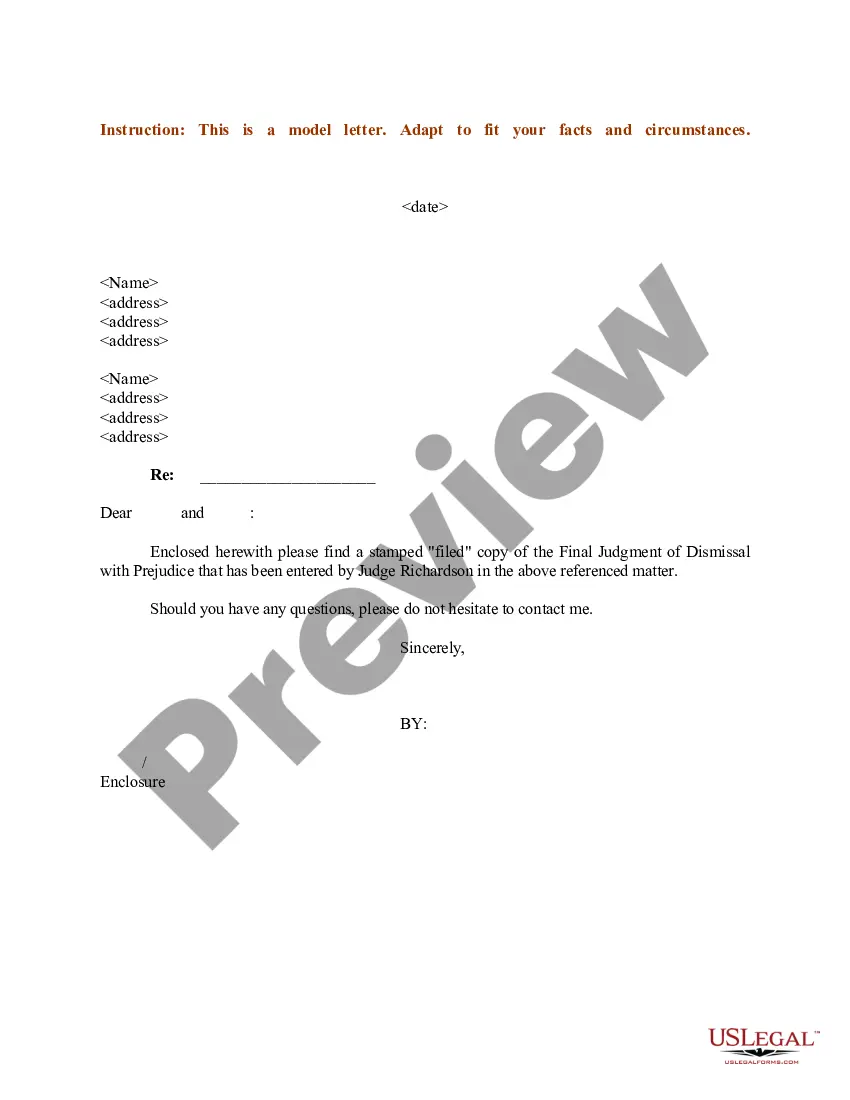
Sample Without Prejudice Letter In Ohio
Description
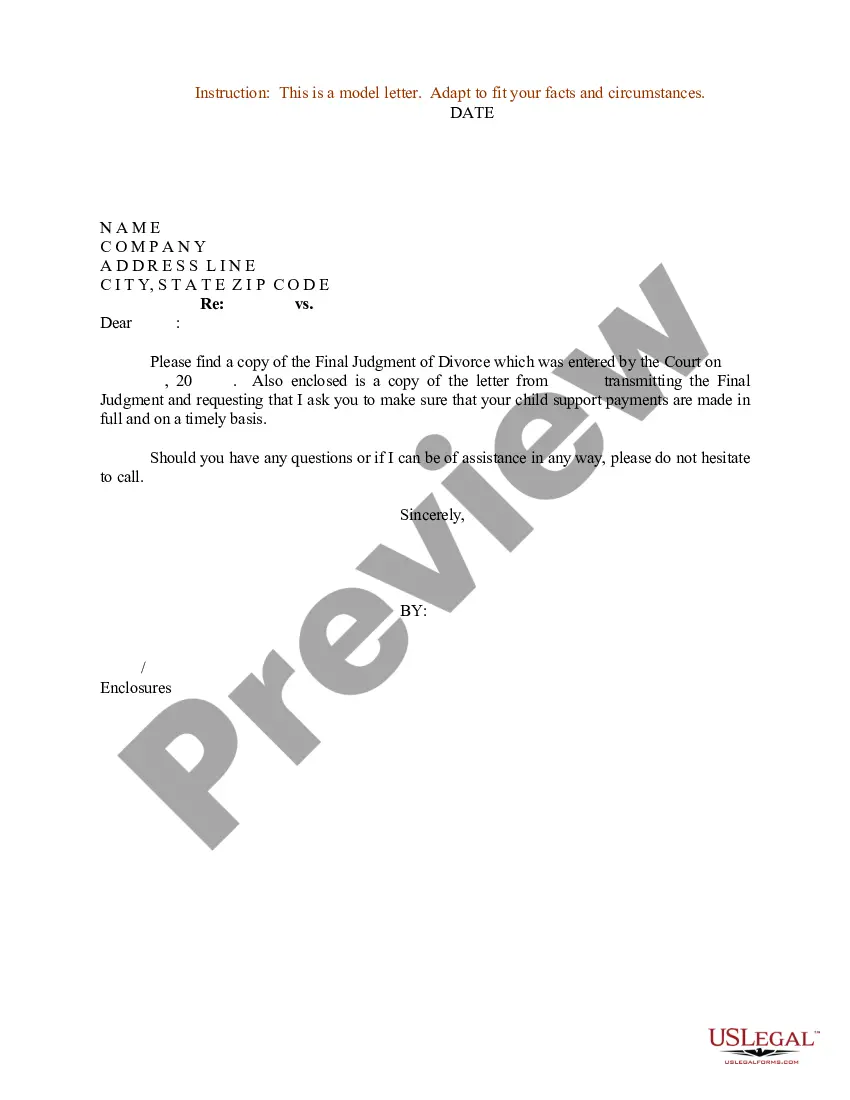
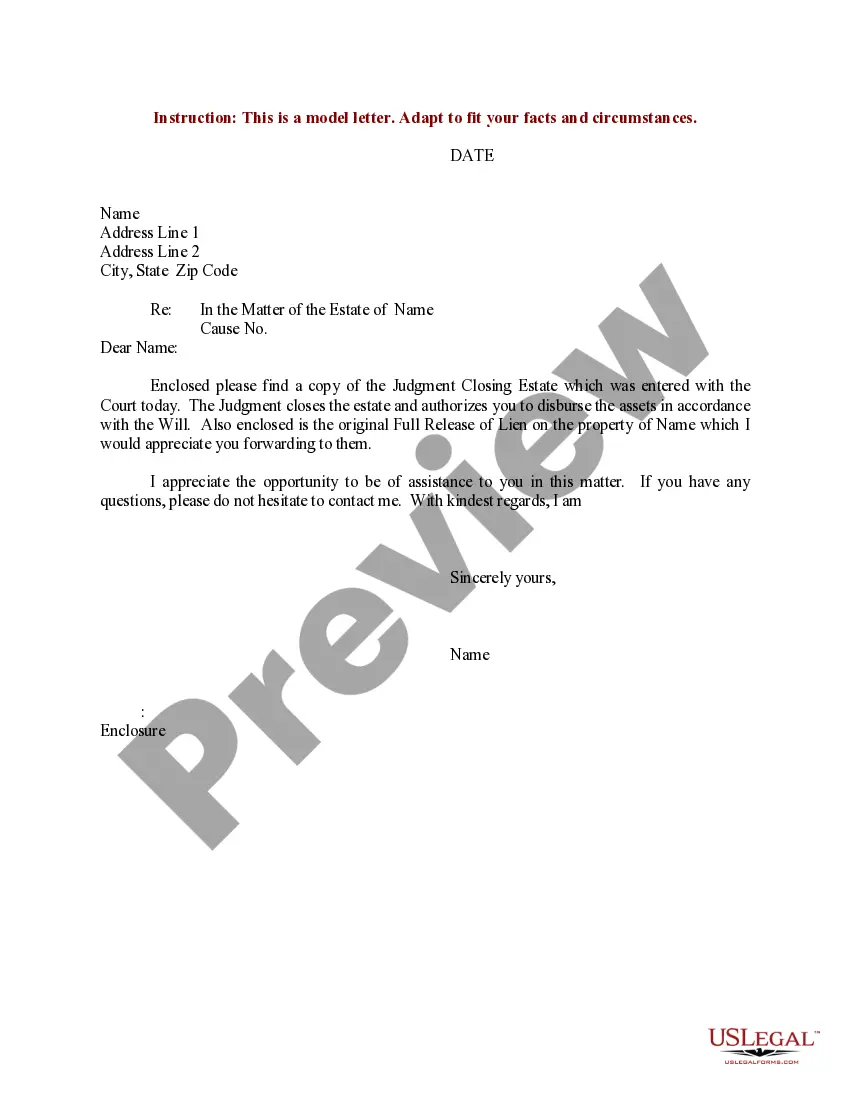
Get your form ready online
Our built-in tools help you complete, sign, share, and store your documents in one place.
Make edits, fill in missing information, and update formatting in US Legal Forms—just like you would in MS Word.
Download a copy, print it, send it by email, or mail it via USPS—whatever works best for your next step.
Sign and collect signatures with our SignNow integration. Send to multiple recipients, set reminders, and more. Go Premium to unlock E-Sign.
If this form requires notarization, complete it online through a secure video call—no need to meet a notary in person or wait for an appointment.
We protect your documents and personal data by following strict security and privacy standards.

Make edits, fill in missing information, and update formatting in US Legal Forms—just like you would in MS Word.

Download a copy, print it, send it by email, or mail it via USPS—whatever works best for your next step.

Sign and collect signatures with our SignNow integration. Send to multiple recipients, set reminders, and more. Go Premium to unlock E-Sign.

If this form requires notarization, complete it online through a secure video call—no need to meet a notary in person or wait for an appointment.

We protect your documents and personal data by following strict security and privacy standards.
Looking for another form?


Form popularity
FAQ
Rule 33 - Interrogatories to Parties (A) Availability; procedures for use. Any party, without leave of court, may serve upon any other party up to forty written interrogatories to be answered by the party served.
On motion and upon such terms as are just, the court may relieve a party or his legal representative from a final judgment, order or proceeding for the following reasons: (1) mistake, inadvertence, surprise or excusable neglect; (2) newly discovered evidence which by due diligence could not have been discovered in time ...
The "Rule of 60" is a guideline often used in retirement plans, where an employee becomes eligible for a pension or early retirement benefits once their age combined with years of service equals 60. This rule aims to reward long-serving employees by allowing them to retire earlier with full or partial benefits.
60(B) provides in part: On motion and upon such terms as are just, the court may relieve a party or his legal representative from a final judgment, order or proceeding for the follow- ing reasons: (1) mistake, inadvertance, surprise or excusable neglect; (2) newly discovered evidence which by due diligence could not ...
To file an appeal, you must file a notice of appeal with the clerk of the trial court within 30 days of the entry of final judgment. Sample Notice of Appeal. Specifically, it must be actually received by the clerk, not just postmarked, within 30 days.
A: Rule 60 of the Rules of Civil Procedure authorizes a section 2255 movant to ask the court for relief from a judgment. Rule 60 differs from Rule 59 in that Rule 60 may be used after the 28 day timeframe for filing a Rule 59(e) motion has run.
R. 5 duty to serve all other parties but did not authorize the party to use the facilities of a local court's electronic filing system to perform that duty-even though, under local rules, the court's facilities nevertheless serve by electronic means all parties participating in the electronic filing system.
The court may correct a clerical mistake or a mistake arising from oversight or omission whenever one is found in a judgment, order, or other part of the record. The court may do so on motion or on its own, with or without notice.
(2) All cases submitted for determination after a court trial shall be decided within ni nety days from the date the case was subm i tted. (3) All motions shall be ruled upon within one hundred twenty days from the date the moti on was filed, except as otherwi se noted on the report forms.
"Failure of service" is when the Sheriff's Deputy or Process Server is unable to make service within twenty-eight (28) days and must notify the court of the reason and issue a return to the Clerk of Courts.