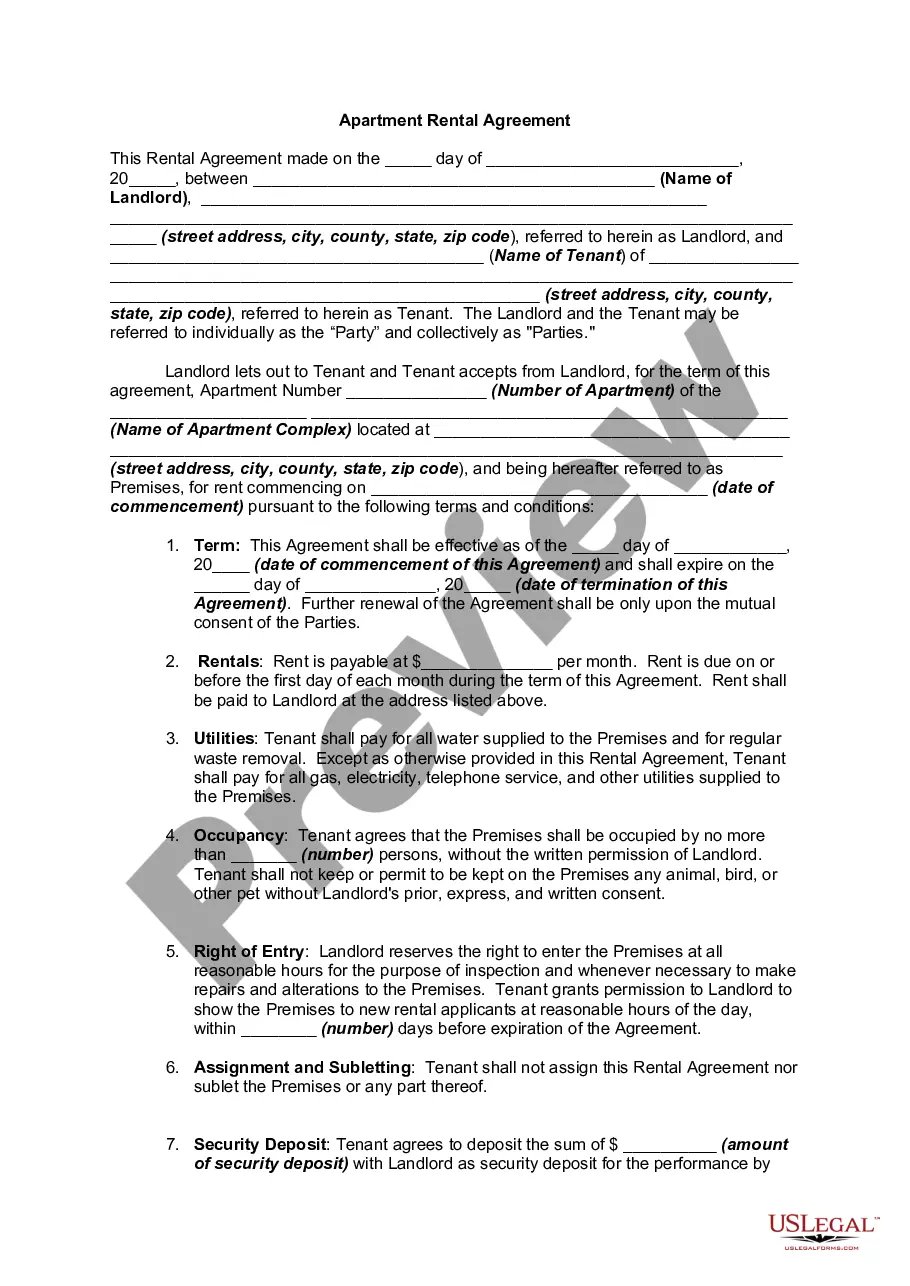
Removal Request Letter For Certificate In Fairfax
Description


Get your form ready online
Our built-in tools help you complete, sign, share, and store your documents in one place.
Make edits, fill in missing information, and update formatting in US Legal Forms—just like you would in MS Word.
Download a copy, print it, send it by email, or mail it via USPS—whatever works best for your next step.
Sign and collect signatures with our SignNow integration. Send to multiple recipients, set reminders, and more. Go Premium to unlock E-Sign.
If this form requires notarization, complete it online through a secure video call—no need to meet a notary in person or wait for an appointment.
We protect your documents and personal data by following strict security and privacy standards.

Make edits, fill in missing information, and update formatting in US Legal Forms—just like you would in MS Word.

Download a copy, print it, send it by email, or mail it via USPS—whatever works best for your next step.

Sign and collect signatures with our SignNow integration. Send to multiple recipients, set reminders, and more. Go Premium to unlock E-Sign.

If this form requires notarization, complete it online through a secure video call—no need to meet a notary in person or wait for an appointment.

We protect your documents and personal data by following strict security and privacy standards.
Looking for another form?







Form popularity
FAQ
The following parties must sign a quitclaim deed for the agreement to become legally binding, as stated in Va. Code § 55.1-612: The grantor. A notary or two witnesses who authenticate the signature.
Under Virginia's current expungement law, even with the help of a lawyer, expunging a criminal record often takes at least nine months, and sometimes much longer. Because the new law includes automatic sealing, some records will be sealed on a monthly basis, as soon as they become eligible.
How to Obtain an Expungement File the petition with a certified copy of the criminal charges. Serve the prosecutor with a copy of the petition and a certified copy of the charges. Obtain a complete set of fingerprints from a law enforcement agency.
The address of the Land Records Division is: Fairfax Circuit Court, 4110 Chain Bridge Road, Suite 317, Fairfax, VA 22030. The telephone number is 703/691-7320 (press 3, then 3). The office is open from a.m. – p.m. Monday through Friday.
Under Virginia's current expungement law, even with the help of a lawyer, expunging a criminal record often takes at least nine months, and sometimes much longer. Because the new law includes automatic sealing, some records will be sealed on a monthly basis, as soon as they become eligible.
Can an Expunged Record Still Be Used Against You in Family Court? While a previous criminal conviction will not be admissible as evidence in a family law court, whatever true facts of evidence related to that case can be re-entered into evidence in the family law case.
Having your criminal record expunged essentially means the information associated with your arrest will be treated as “confidential”. Records that have been expunged are not visible to landlords, bankers, or most employers.
An expungement only applies to those found innocent or not convicted. An expungement does not apply to those who have been convicted of a crime, unless the conviction is later overturned or an absolute pardon is granted. Absolute pardons are granted only in rare cases by the governor.
Under current Virginia law, the court will only seal your criminal records if: (1) you were acquitted; (2) the government decided not to prosecute you; (3) the charges against you were dismissed without evidence sufficient for a finding of guilty; or (4) the crime was committed by someone using your identity.