Removal Request Letter For Approval In Fairfax
Description

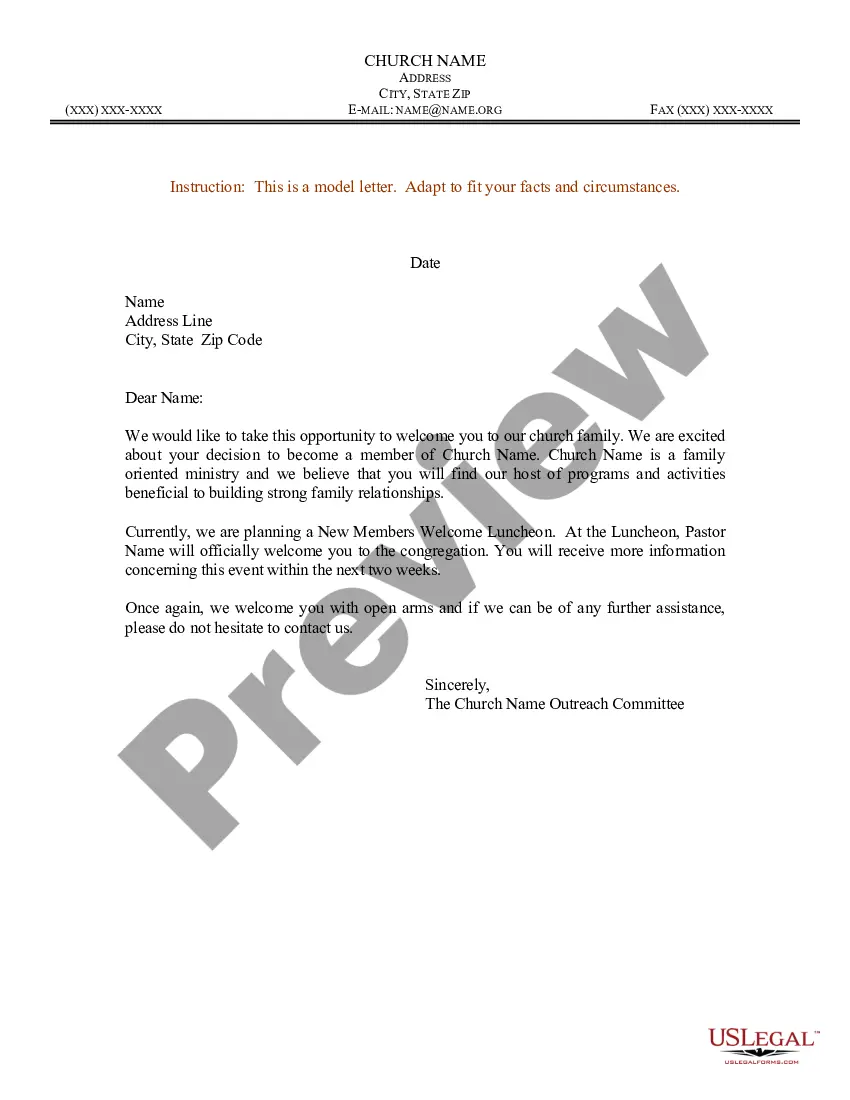
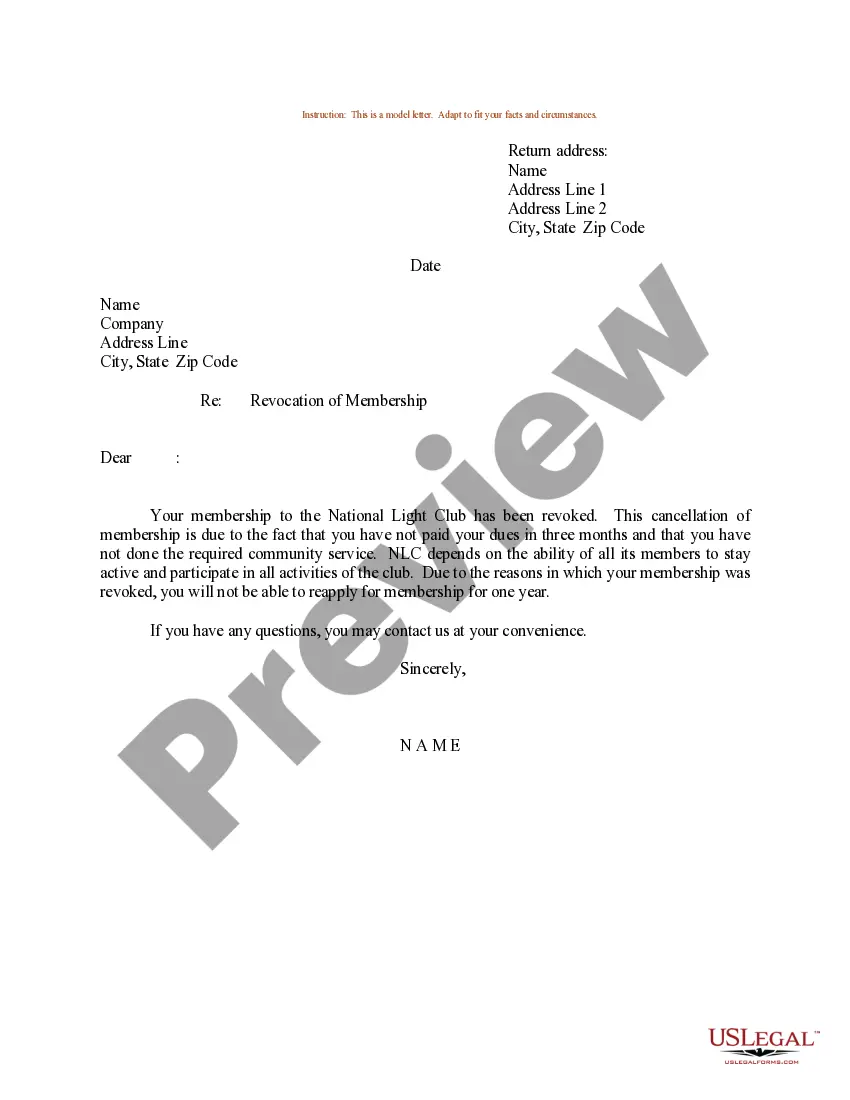
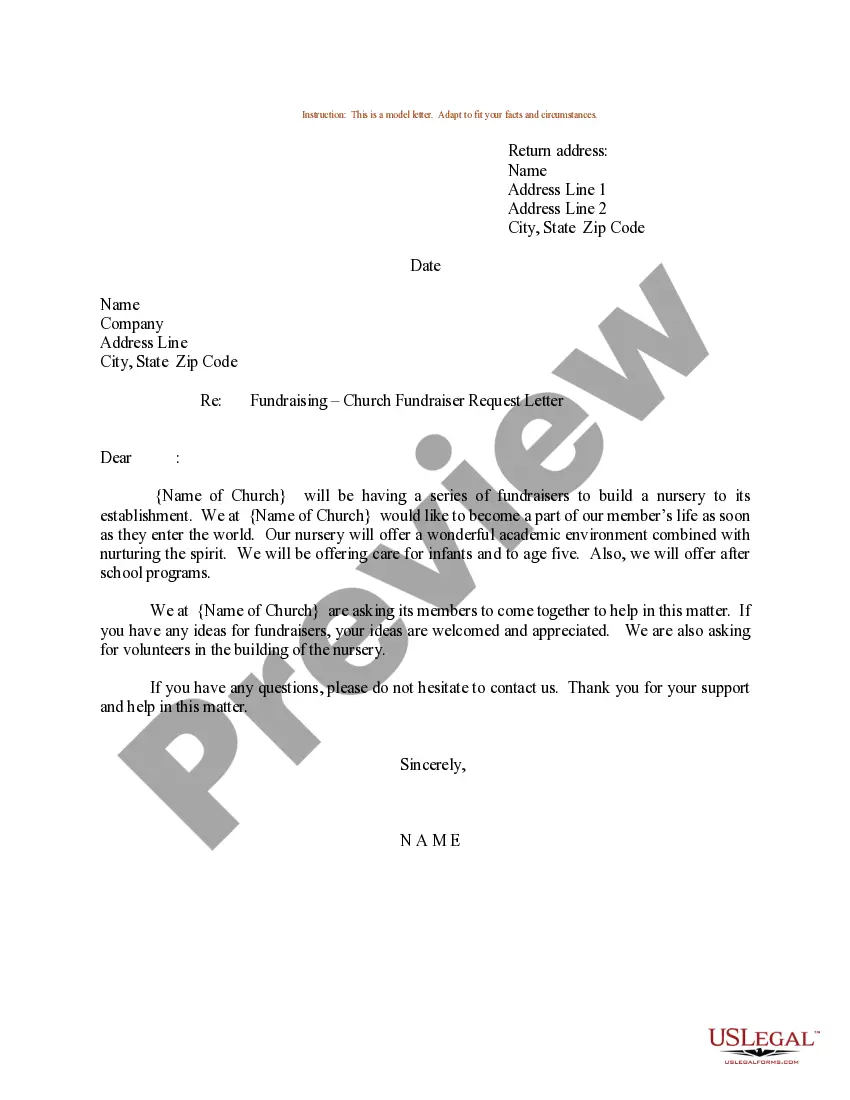
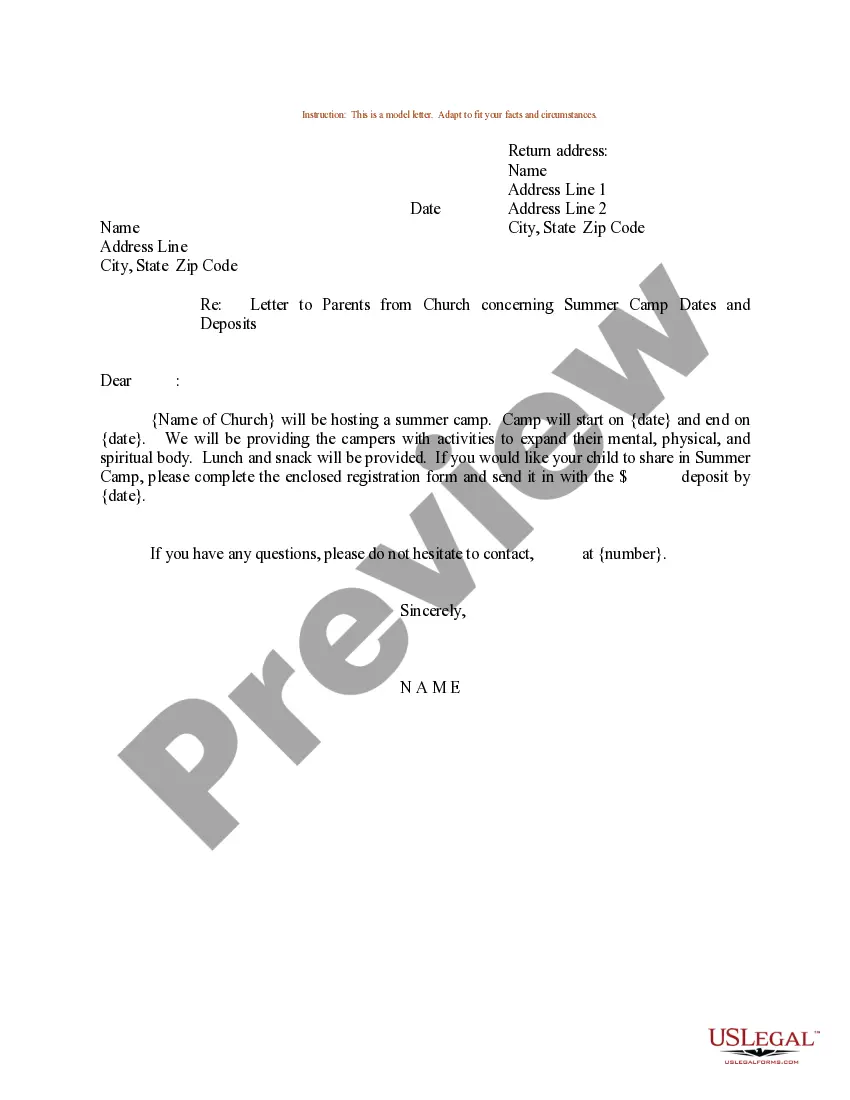
Get your form ready online
Our built-in tools help you complete, sign, share, and store your documents in one place.
Make edits, fill in missing information, and update formatting in US Legal Forms—just like you would in MS Word.
Download a copy, print it, send it by email, or mail it via USPS—whatever works best for your next step.
Sign and collect signatures with our SignNow integration. Send to multiple recipients, set reminders, and more. Go Premium to unlock E-Sign.
If this form requires notarization, complete it online through a secure video call—no need to meet a notary in person or wait for an appointment.
We protect your documents and personal data by following strict security and privacy standards.

Make edits, fill in missing information, and update formatting in US Legal Forms—just like you would in MS Word.

Download a copy, print it, send it by email, or mail it via USPS—whatever works best for your next step.

Sign and collect signatures with our SignNow integration. Send to multiple recipients, set reminders, and more. Go Premium to unlock E-Sign.

If this form requires notarization, complete it online through a secure video call—no need to meet a notary in person or wait for an appointment.

We protect your documents and personal data by following strict security and privacy standards.
Looking for another form?










Form popularity
FAQ
Probating a copy of a will in Virginia requires an additional step – a petition must be be filed in the Circuit Court where the decedent last lived (unless they were in a nursing home, then other rules may apply) asking that the Court accept the copy as the original will.
Do You Need Legal Help Regarding a Virginia Probate or Estate & Trust Issue To Protect Your Family's Assets? If you need legal assistance regarding a family estate you need to speak with an experienced Virginia probate, estate and trust administration attorney as soon as possible.
How to Obtain an Expungement File the petition with a certified copy of the criminal charges. Serve the prosecutor with a copy of the petition and a certified copy of the charges. Obtain a complete set of fingerprints from a law enforcement agency.
What is the procedure to probate an estate with a Will? A. The executor named in the Will must schedule an appointment with the Probate Division to probate the Will and qualify as executor. The named executor should be a Virginia resident; however, statutes allows out-of-state residents to qualify.
How Long Do You Have to File Probate After Death in Virginia? Many families need time to grieve after losing a loved one, so the Commonwealth of Virginia does not stipulate a time frame to file a will with the courts. However, the Circuit Court of Virginia recommends the executor files it within 30 days if possible.
Permits are typically required for the following projects: alterations to existing commercial structures; commercial structures; carport enclosures; decks; demolition; electrical systems; finished basements; garages and sheds; HVAC systems; mobile homes; plumbing systems; pools, spas and hot tubs; renovations; ...
A freestanding accessory structure that is between 8.5 feet and 12 feet in height may be located as close as five feet to any side or rear lot line. In a residential (R) zoning district, a freestanding accessory structure that exceeds 12 feet in height must meet the side setback requirement of that R district.
When is a permit required? Sheds 257 square feet or larger, carports and light- framed garages, all require permits. If the shed does not exceed 256 square feet (examples: 12 ft. X 20 ft. or 16 ft.
Permits are typically required for the following projects: alterations to existing commercial structures; commercial structures; carport enclosures; decks; demolition; electrical systems; finished basements; garages and sheds; HVAC systems; mobile homes; plumbing systems; pools, spas and hot tubs; renovations; ...
Please note, Sheds and/or Structures under 120 square feet do require a Planning Permit.

