Personal Property For Business In San Jose
Description

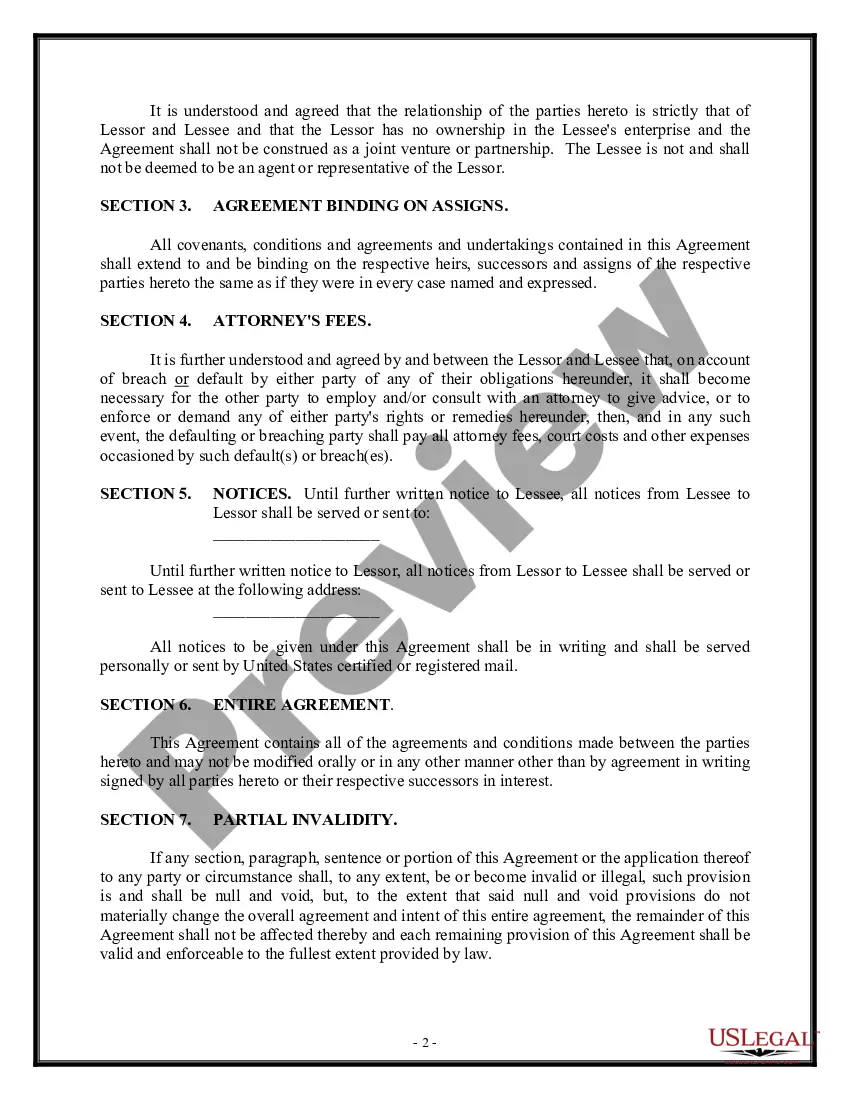
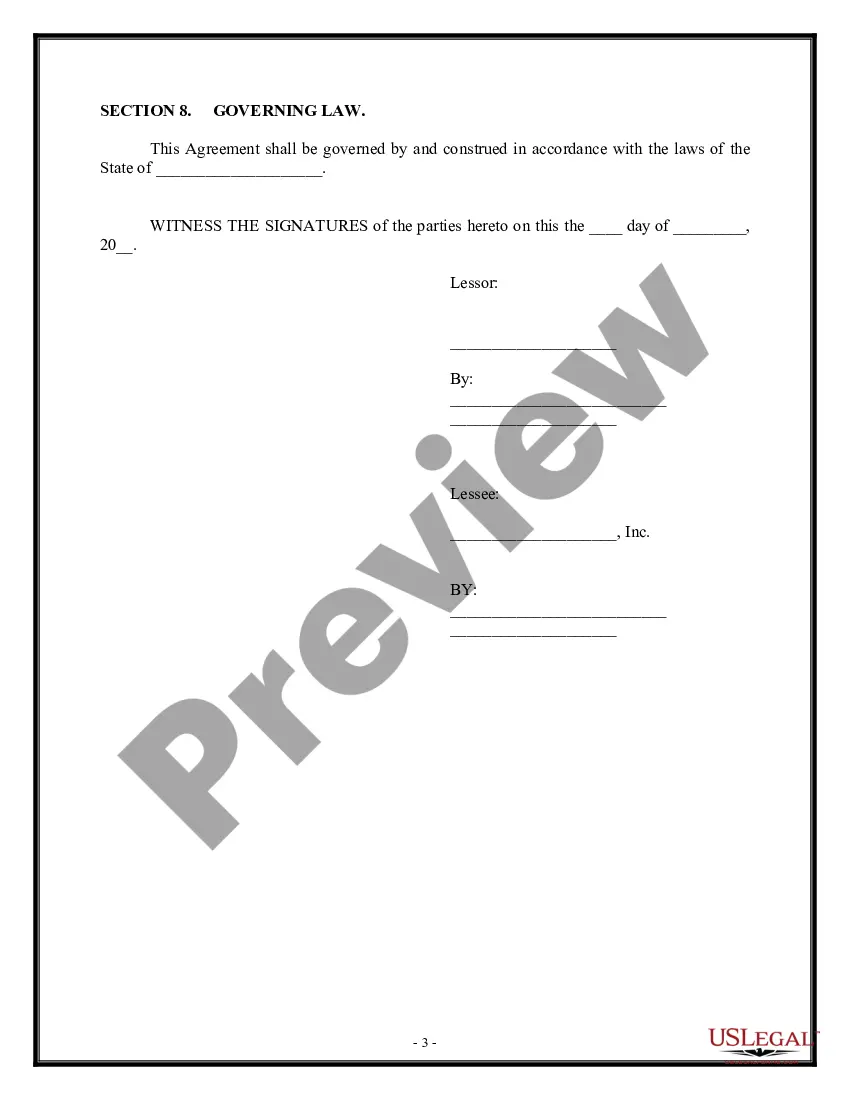
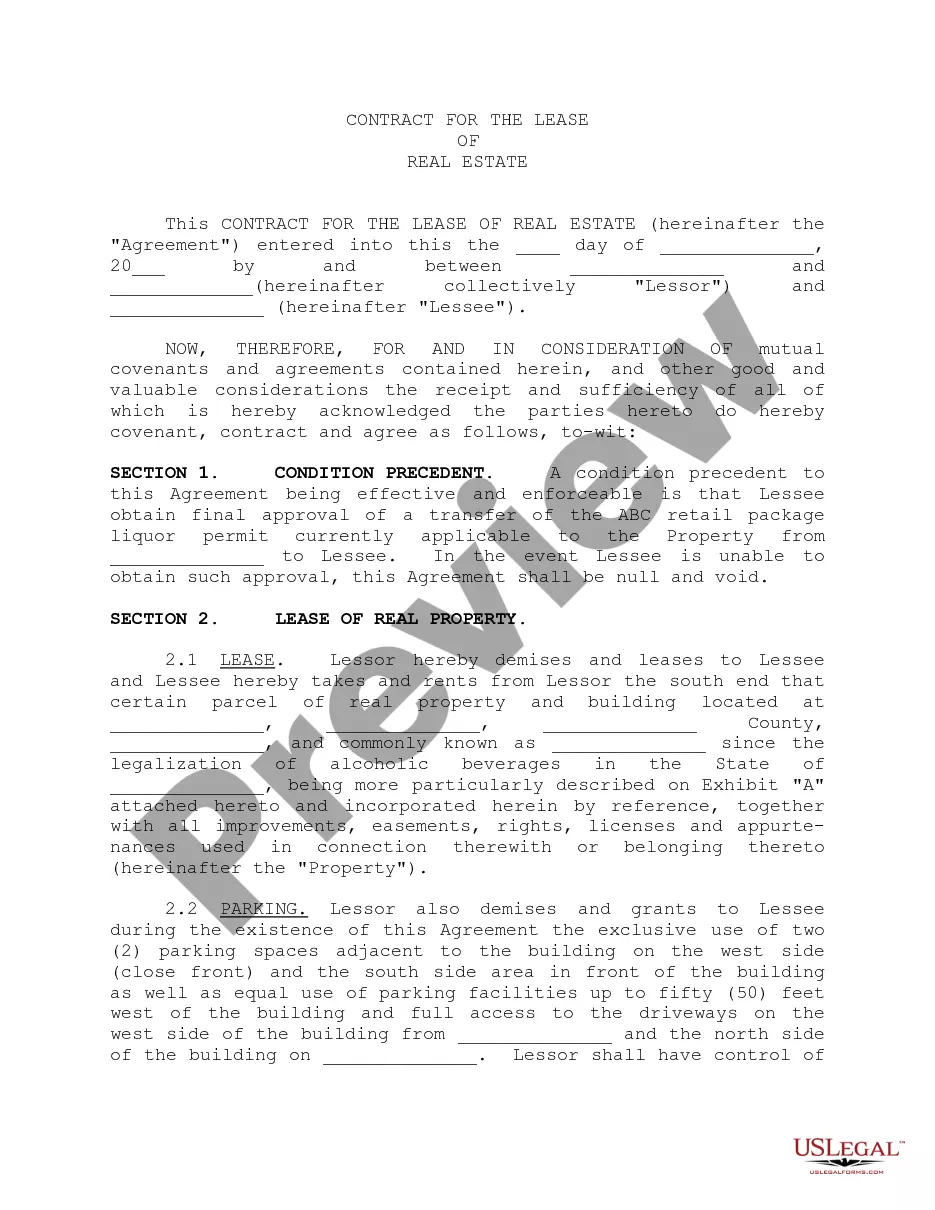
Get your form ready online
Our built-in tools help you complete, sign, share, and store your documents in one place.
Make edits, fill in missing information, and update formatting in US Legal Forms—just like you would in MS Word.
Download a copy, print it, send it by email, or mail it via USPS—whatever works best for your next step.
Sign and collect signatures with our SignNow integration. Send to multiple recipients, set reminders, and more. Go Premium to unlock E-Sign.
If this form requires notarization, complete it online through a secure video call—no need to meet a notary in person or wait for an appointment.
We protect your documents and personal data by following strict security and privacy standards.

Make edits, fill in missing information, and update formatting in US Legal Forms—just like you would in MS Word.

Download a copy, print it, send it by email, or mail it via USPS—whatever works best for your next step.

Sign and collect signatures with our SignNow integration. Send to multiple recipients, set reminders, and more. Go Premium to unlock E-Sign.

If this form requires notarization, complete it online through a secure video call—no need to meet a notary in person or wait for an appointment.

We protect your documents and personal data by following strict security and privacy standards.
Looking for another form?




Form popularity
FAQ
You can rent property to your business when you own real estate or personal property that your business can use. If you own a C corporation and want to take advantages of certain tax benefits, then the transaction should be treated as an arm's length transaction and should have a valid business purpose.
By "renting" a portion of your home to your business, you may be able to access even more deductions. It might sound odd, but it's perfectly legitimate and complies with IRS guidelines.
Business Personal Property includes all supplies, equipment and any fixtures used in the operation of a business. Exempt from reporting are business inventory, application software and licensed vehicles (except Special Equipment (SE) tagged and off-road vehicles).
In general, business personal property is all property owned, possessed, controlled, or leased by a business except real property and inventory items. Business personal property includes, but is not limited to: Machinery. Computers. Equipment (e.g. FAX machines, photocopiers)
The IRS has a number of ways to determine whether or not you have rental income. A few of these include reporting by third parties, reported income and expense discrepancies, audits and reviews, and public records.
The guide says that “it is a common practice for many professionals to own the property personally and lease it to a corporation or partnership where they conduct business.”2 The concern is that you might improperly jack up the rent to generate income you can then use to incorrectly absorb your passive losses.
Business Personal Property Tax is a tax assessed on tangible personal property businesses own. This type of property includes equipment, furniture, computers, machinery, and inventory, among other items not permanently attached to a building or land.
In general, business personal property is all property owned, possessed, controlled, or leased by a business except real property and inventory items. Business personal property includes, but is not limited to: Machinery. Computers. Equipment (e.g. FAX machines, photocopiers)
Factories and corporations are considered private property. The legal framework of a country or society defines some of the practical implications of private property. There are no expectations that these rules will define a rational and consistent model of economics or social system.