Personal Property Statement Without Homeowners Insurance In Sacramento
Description

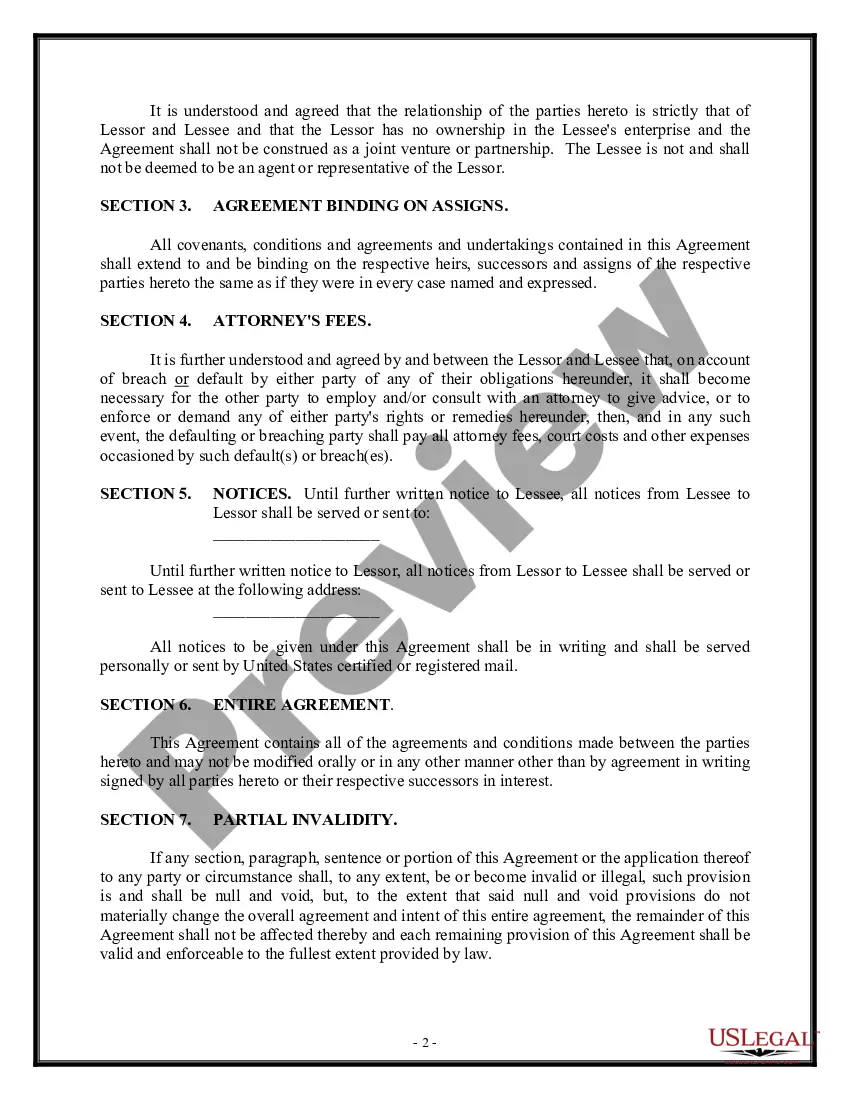
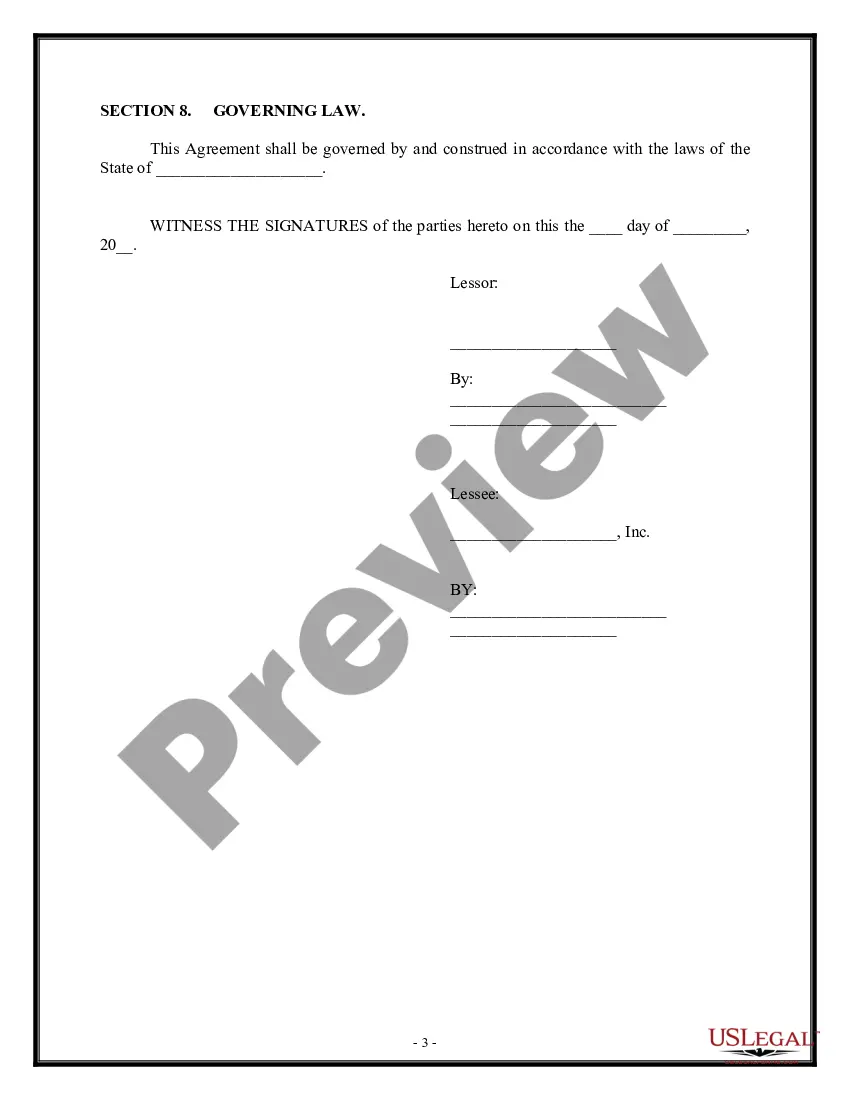
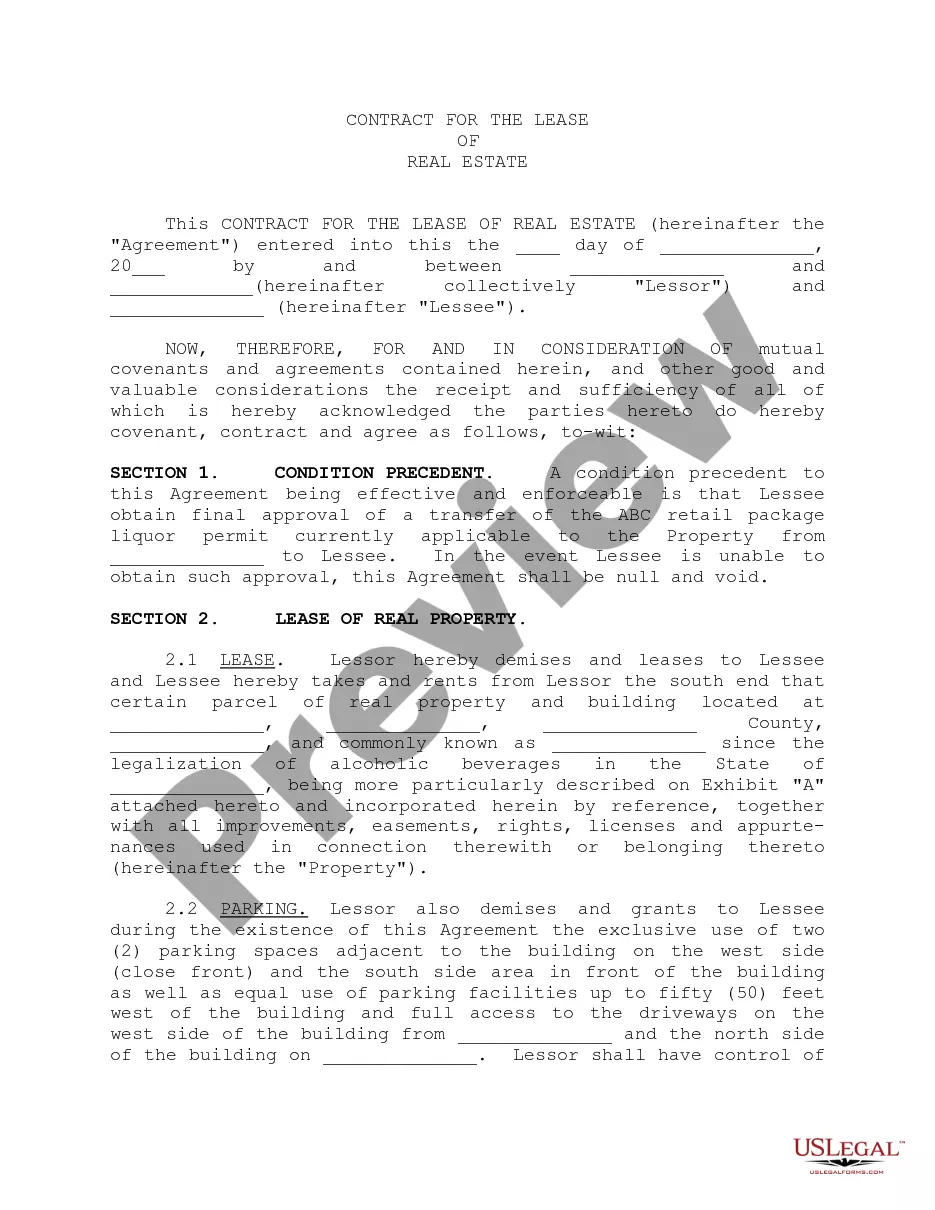
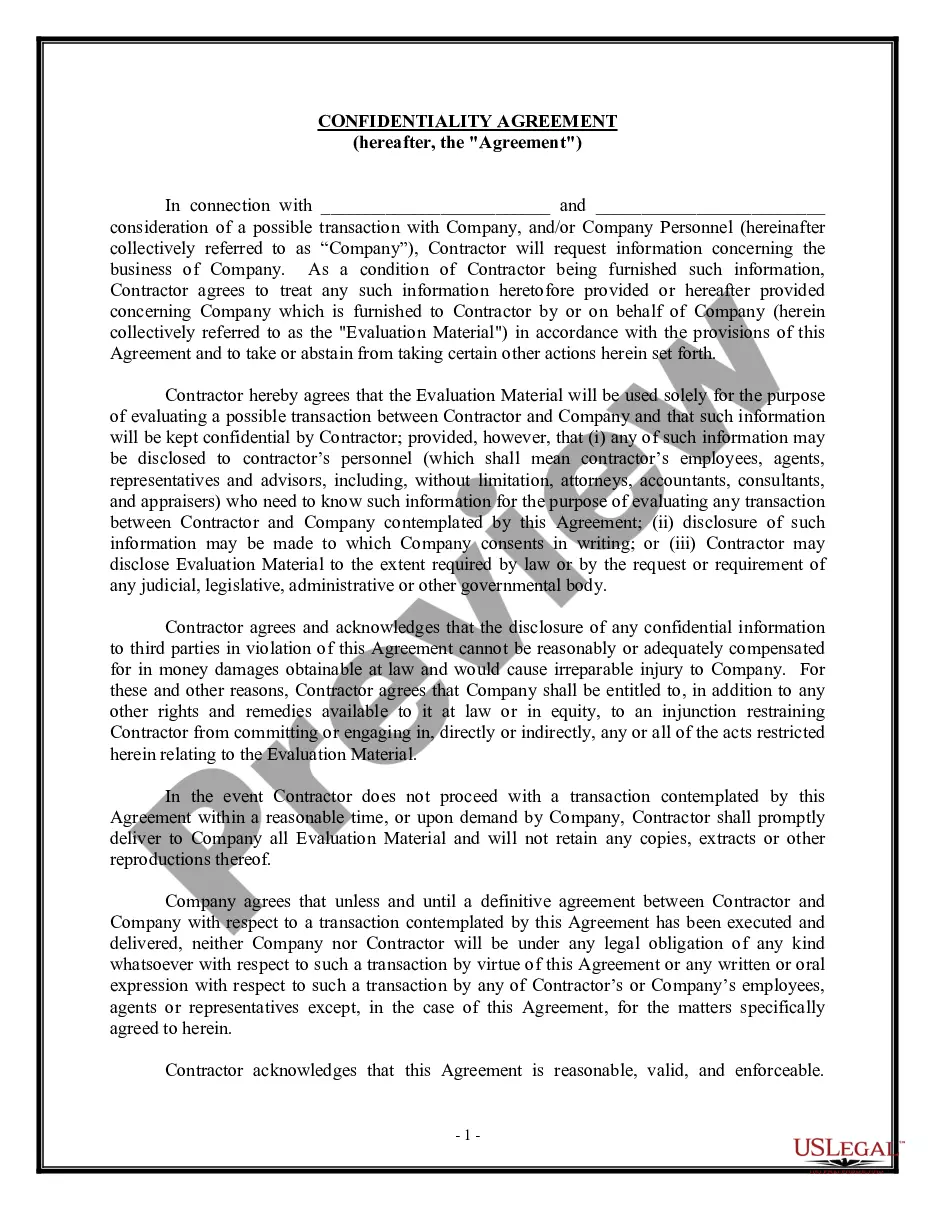
Get your form ready online
Our built-in tools help you complete, sign, share, and store your documents in one place.
Make edits, fill in missing information, and update formatting in US Legal Forms—just like you would in MS Word.
Download a copy, print it, send it by email, or mail it via USPS—whatever works best for your next step.
Sign and collect signatures with our SignNow integration. Send to multiple recipients, set reminders, and more. Go Premium to unlock E-Sign.
If this form requires notarization, complete it online through a secure video call—no need to meet a notary in person or wait for an appointment.
We protect your documents and personal data by following strict security and privacy standards.

Make edits, fill in missing information, and update formatting in US Legal Forms—just like you would in MS Word.

Download a copy, print it, send it by email, or mail it via USPS—whatever works best for your next step.

Sign and collect signatures with our SignNow integration. Send to multiple recipients, set reminders, and more. Go Premium to unlock E-Sign.

If this form requires notarization, complete it online through a secure video call—no need to meet a notary in person or wait for an appointment.

We protect your documents and personal data by following strict security and privacy standards.
Looking for another form?







Form popularity
FAQ
If you did not receive or misplaced your tax bill, you can request a duplicate online at .
1. Senior Citizen Homeowners' Property Tax Exemption. The Senior Citizen Homeowners' Property Tax Exemption is available to homeowners who are at least 65 years old and meet certain income requirements.
Annual property tax bills are mailed every year in October to the owner of record as of January 1 of that year. If you do not receive the original bill by November 1, contact the County Tax Collector or Assessor for a duplicate bill. Note, the original bill may still have the prior owner's name on it the first year.
Under Article XIII, Section I of the California Constitution, all property is taxable unless it is exempt. Each year Personal Property is reassessed as of lien date, January 1st. Personal Property is all property except real estate and can include business equipment, vessels, aircraft, vehicles and manufactured homes.
Deductible personal property taxes are those based only on the value of personal property such as a boat or car. The tax must be charged to you on a yearly basis, even if it's collected more than once a year or less than once a year.
Under Article XIII, Section I of the California Constitution, all property is taxable unless it is exempt. Each year Personal Property is reassessed as of lien date, January 1st.
Proposition 13 allows a transfer of primary resident between parent and child without reassessing the tax base of the home. To get the benefit, you filed the appropriate form with your county assessor's office after you prepared and filed the deed transferring the property from a parent to a child.
Proposition 13 thus gives rise to a lock-in effect for owner-occupiers that strengthens over time. It also affects the rental market, both directly because it applies to landlords and indirectly because it reduces the turnover of owner-occupied homes.
An annual filing of a Business Property Statement is a requirement of section 441(d) of the California Revenue and Taxation Code.
For transfers after February 16, 2021, the Parent-Child Exclusion allows parents to transfer a principal residence or a family farm to their children without full reassessment, if the child makes the home their principal residence after the transfer or continues to use the property as a farm.
