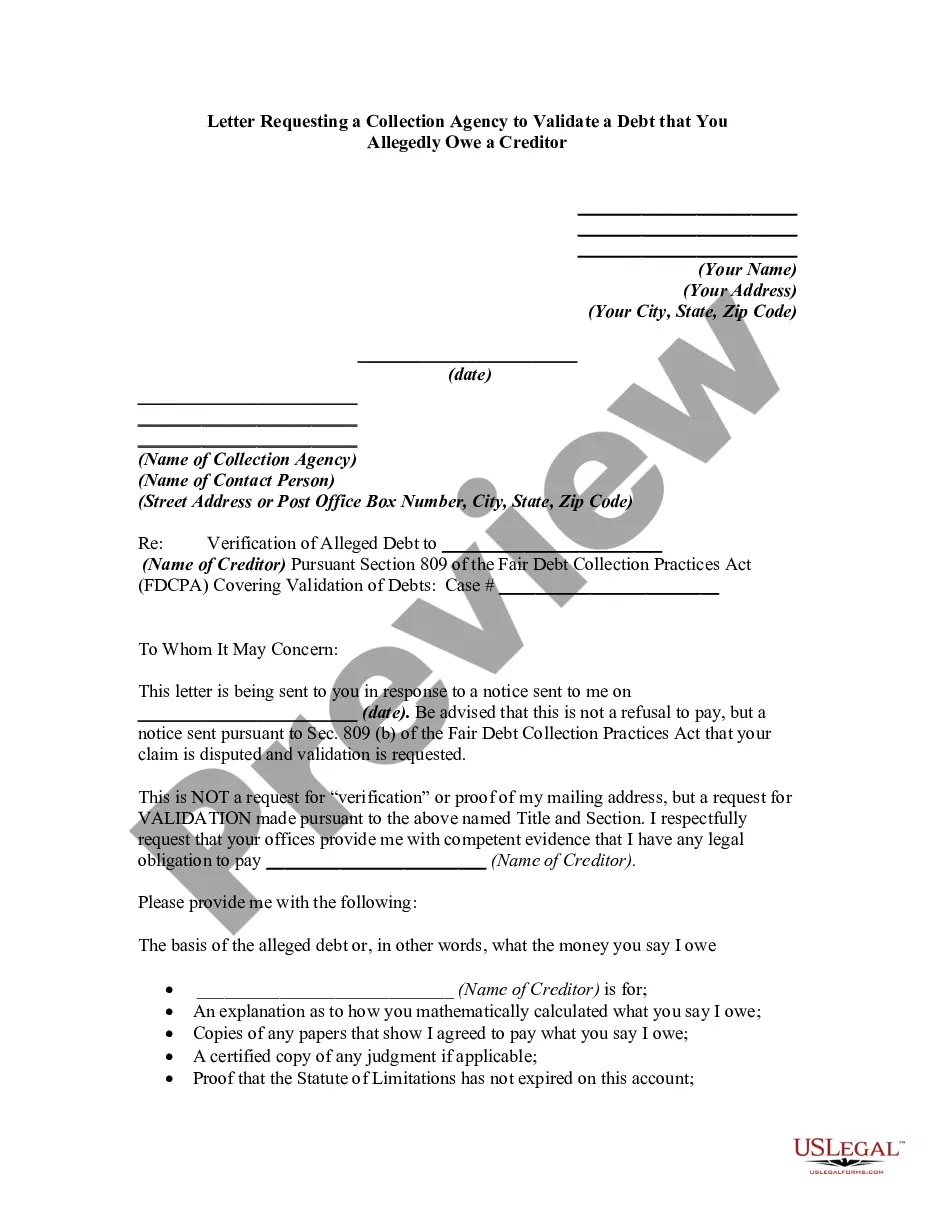
Personal Belongings With Examples In Nassau
Description

Get your form ready online
Our built-in tools help you complete, sign, share, and store your documents in one place.
Make edits, fill in missing information, and update formatting in US Legal Forms—just like you would in MS Word.
Download a copy, print it, send it by email, or mail it via USPS—whatever works best for your next step.
Sign and collect signatures with our SignNow integration. Send to multiple recipients, set reminders, and more. Go Premium to unlock E-Sign.
If this form requires notarization, complete it online through a secure video call—no need to meet a notary in person or wait for an appointment.
We protect your documents and personal data by following strict security and privacy standards.

Make edits, fill in missing information, and update formatting in US Legal Forms—just like you would in MS Word.

Download a copy, print it, send it by email, or mail it via USPS—whatever works best for your next step.

Sign and collect signatures with our SignNow integration. Send to multiple recipients, set reminders, and more. Go Premium to unlock E-Sign.

If this form requires notarization, complete it online through a secure video call—no need to meet a notary in person or wait for an appointment.

We protect your documents and personal data by following strict security and privacy standards.
Looking for another form?








Form popularity
FAQ
Disposition of Personal Property Without Administration is a streamlined process to simplify the handling of a deceased person's estate when the value of their assets falls below a certain threshold. It allows bypassing the court supervision of probate.
What does Disposition mean? In the absence of any express statutory provision, the primary meaning of 'disposition' in relation to property is the transfer of an interest in (as contrasted with mere possession of) property.
Disposition, in trusts and estates law, is the transfer, gift or sale of property from one individual to another.
Tangible personal property refers to physical assets that individuals own, such as furniture, vehicles, electronics, and jewelry. Adding tangible personal property provisions to your estate plan ensures smooth inheritance, prevents disputes, and helps distribute sentimental items as you wish.
Disposition of Personal Property Without Administration is a streamlined process to simplify the handling of a deceased person's estate when the value of their assets falls below a certain threshold. It allows bypassing the court supervision of probate.
The disposition on a criminal record is the current status or final outcome of an arrest or prosecution. Common dispositions are: Convicted: means you have plead or been found guilty by a court of law. Acquitted: means you have been found not guilty by a court of law in a criminal trial.
6016. "Tangible personal property." "Tangible personal property" means personal property which may be seen, weighed, measured, felt, or touched, or which is in any other manner perceptible to the senses.
Some tenants and property owners ask the question of: “Is leasehold improvement an intangible asset?” In short, leasehold improvements are not intangible. Rather, these improvements are tangible additions or enhancements made to a property.
Tangible personal property (TPP) is everything other than real estate that is used in a business or rental property. Examples of tangible personal property are computers, furniture, tools, machinery, signs, equipment, leasehold improvements, supplies, and leased equipment.
Tangible personal property (TPP) is everything other than real estate that is used in a business or rental property. Examples of tangible personal property are computers, furniture, tools, machinery, signs, equipment, leasehold improvements, supplies, and leased equipment.