Personal Property Document Without Comments In Franklin
Description

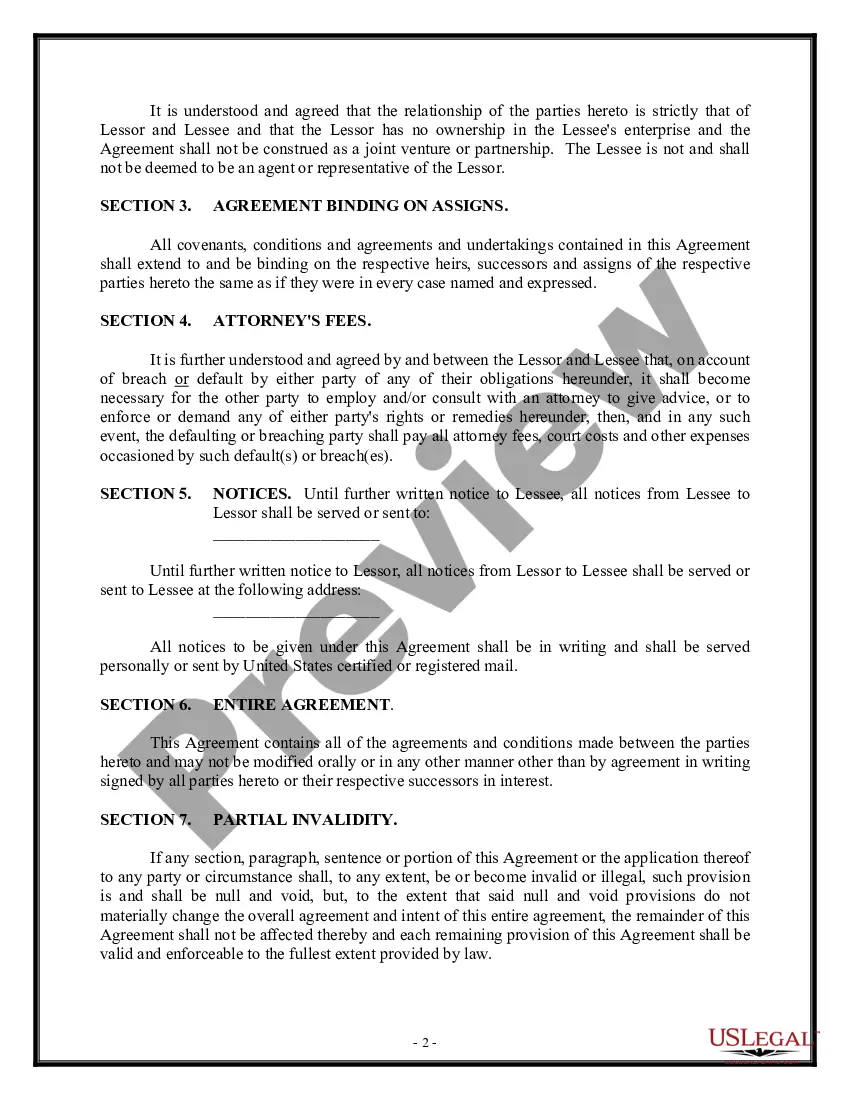
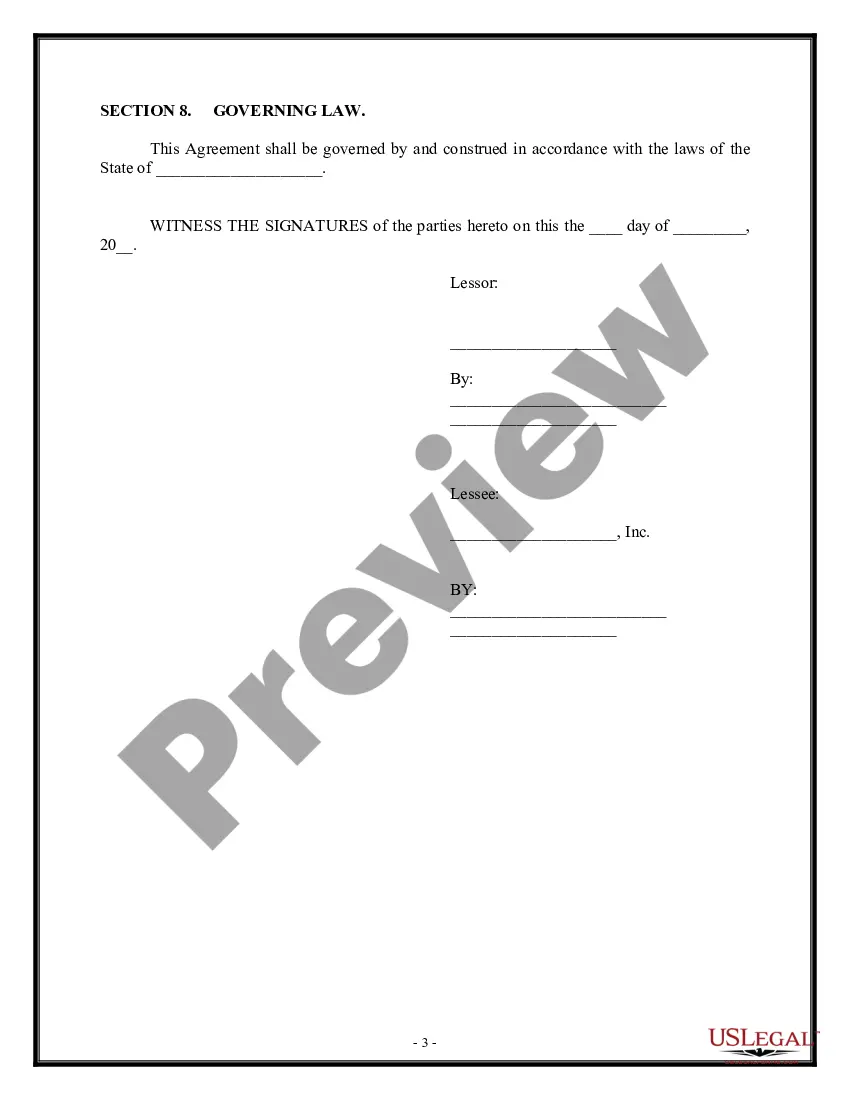
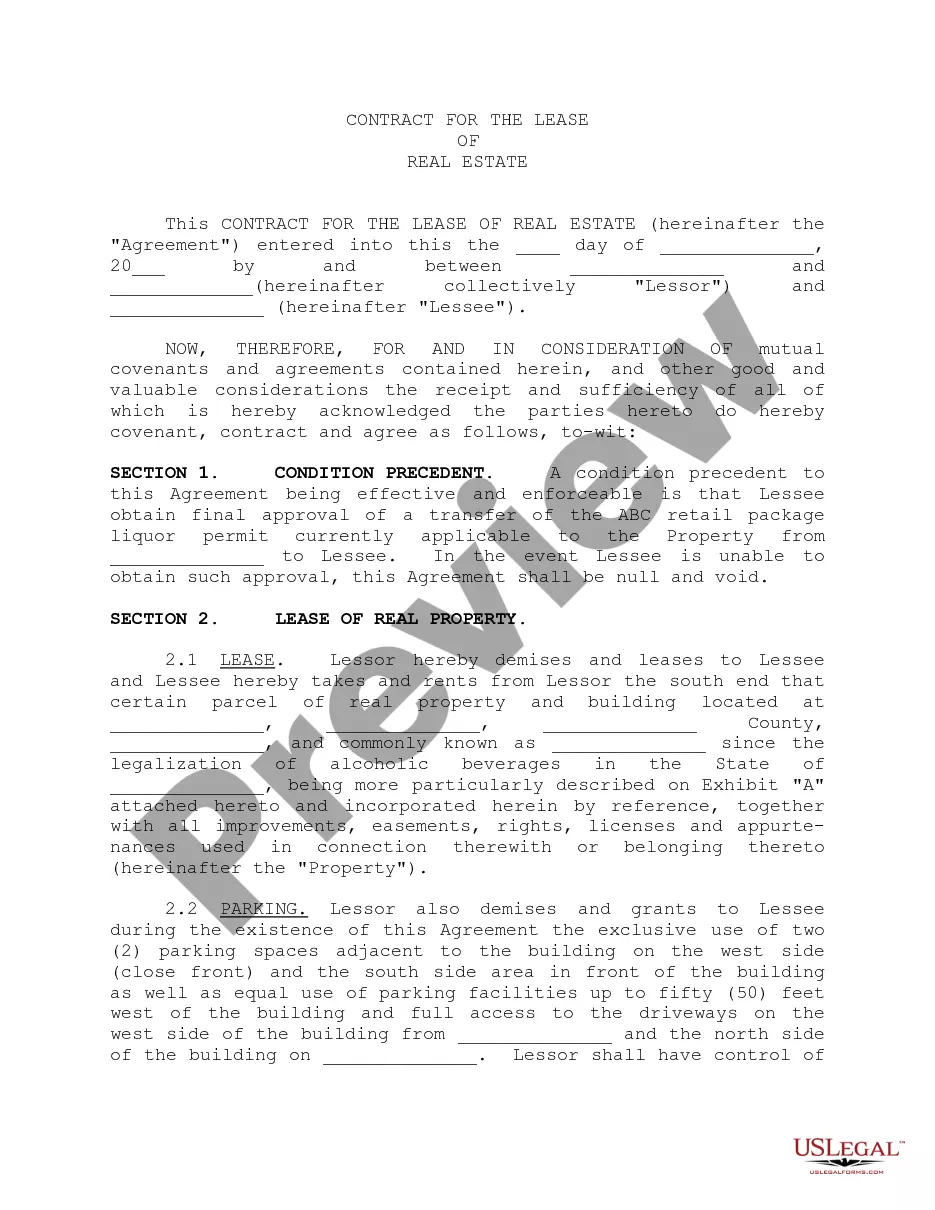
Get your form ready online
Our built-in tools help you complete, sign, share, and store your documents in one place.
Make edits, fill in missing information, and update formatting in US Legal Forms—just like you would in MS Word.
Download a copy, print it, send it by email, or mail it via USPS—whatever works best for your next step.
Sign and collect signatures with our SignNow integration. Send to multiple recipients, set reminders, and more. Go Premium to unlock E-Sign.
If this form requires notarization, complete it online through a secure video call—no need to meet a notary in person or wait for an appointment.
We protect your documents and personal data by following strict security and privacy standards.

Make edits, fill in missing information, and update formatting in US Legal Forms—just like you would in MS Word.

Download a copy, print it, send it by email, or mail it via USPS—whatever works best for your next step.

Sign and collect signatures with our SignNow integration. Send to multiple recipients, set reminders, and more. Go Premium to unlock E-Sign.

If this form requires notarization, complete it online through a secure video call—no need to meet a notary in person or wait for an appointment.

We protect your documents and personal data by following strict security and privacy standards.
Looking for another form?



Form popularity
FAQ
Proof of ownership is documentation that proves an item belonged to you before it was damaged or stolen. Documentation can be bank statements, receipts, online registration or photos.
In descending order of importance, we suggest the following: Original Receipts • Cancelled Checks • Credit Card Receipts • A letter from the store where the item was purchased. This letter must be only to confirm that the item was purchased there, and not be a quote for a replacement.
It is recommended you make a list of the items that were taken and add as many specific details about the property to the list. Also, consider gathering receipts and bank statements that will help you prove that the items are yours in the event the person that took your belongings states the items aren't yours.
The following are primary ways you may prove ownership when filing a claim: Property Tax Statement: Tax statements are the best form of current proof of ownership, and in most cases, the easiest to obtain. Deed or official record: Original deed, warranty deed or deed of trust to the property.
The Colorado Personal Property tax is a levy on Personal Property used by a business or organization to generate revenue, this includes short term rental properties. The Assessor assesses a value for the property based on owner submitted asset listings, Assessor discovery or Best Information Available.
Tangible Personal Property is defined as assets owned by the taxpayer and used, or held for use, by a business or profession, including but not limited to: equipment, furniture, fixtures, machinery, all raw materials, supplies, but excluding all finished goods of the manufacturer and inventories of merchandise held for ...
Tennessee does not tax personal property such as cars and boats. The Tennessee Comptroller of the Treasury has more information about how your property is assessed, how to calculate your tax bill and how to file an appeal.
Overview. The Department of Revenue does not collect property tax. County assessors of property appraise real estate for assessment purposes and assess tax on tangible personal property used or held for use in business.
How does Tennessee's tax code compare? Tennessee does not have an individual income tax. Tennessee has a 6.5 percent corporate income tax rate and levies a state gross receipts tax. Tennessee also has a 7.00 percent state sales tax rate and an average combined state and local sales tax rate of 9.55 percent.