Arrendamiento Bienes For Rent In Wayne
Description

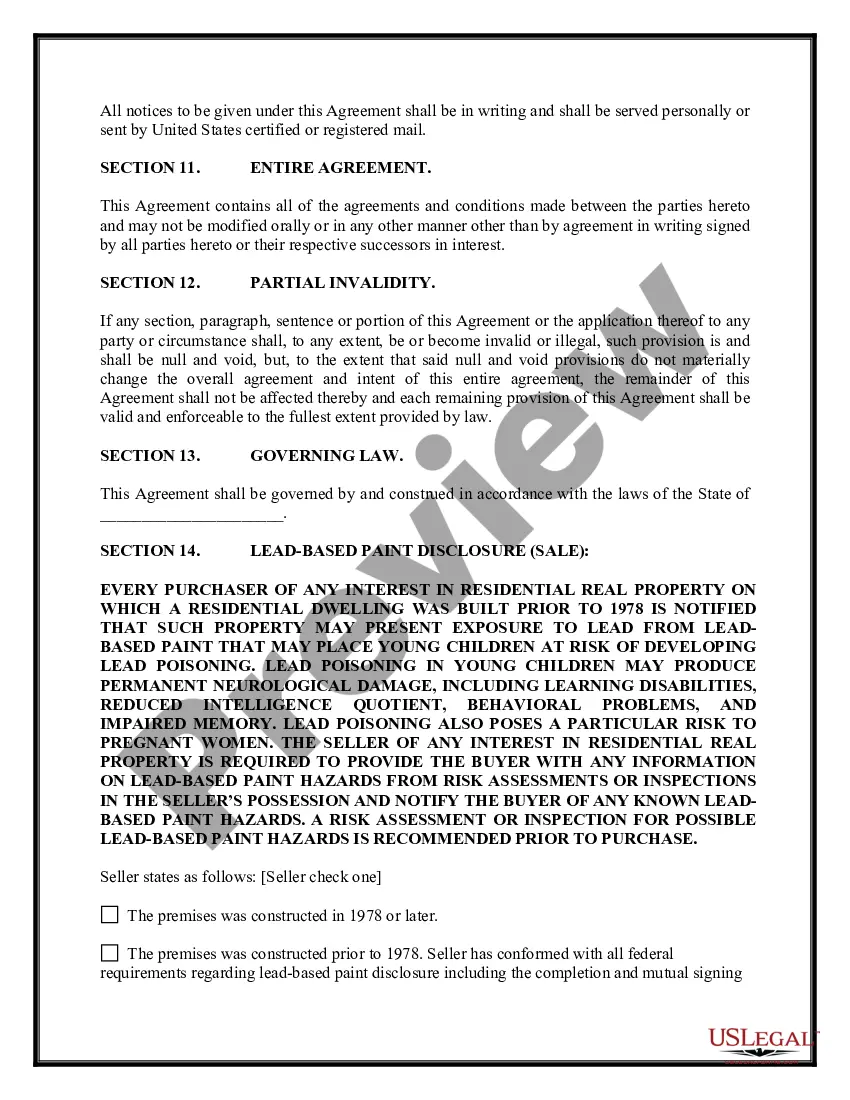
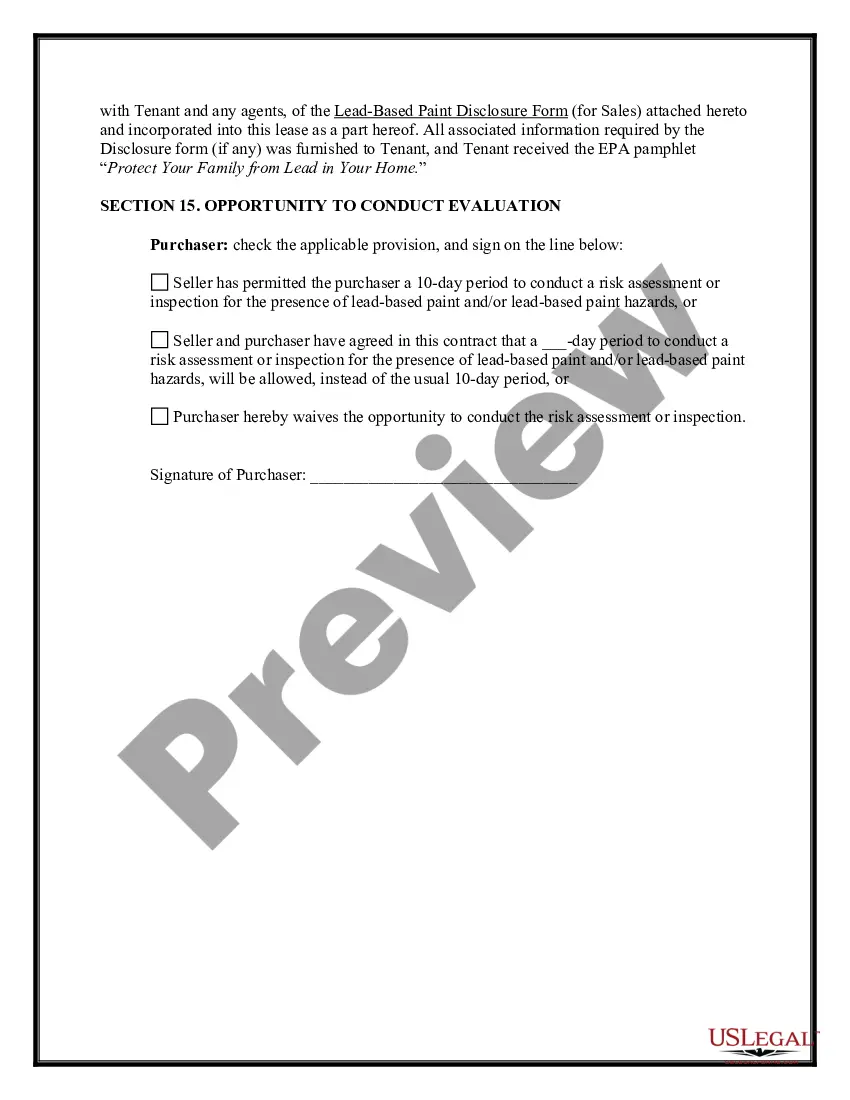
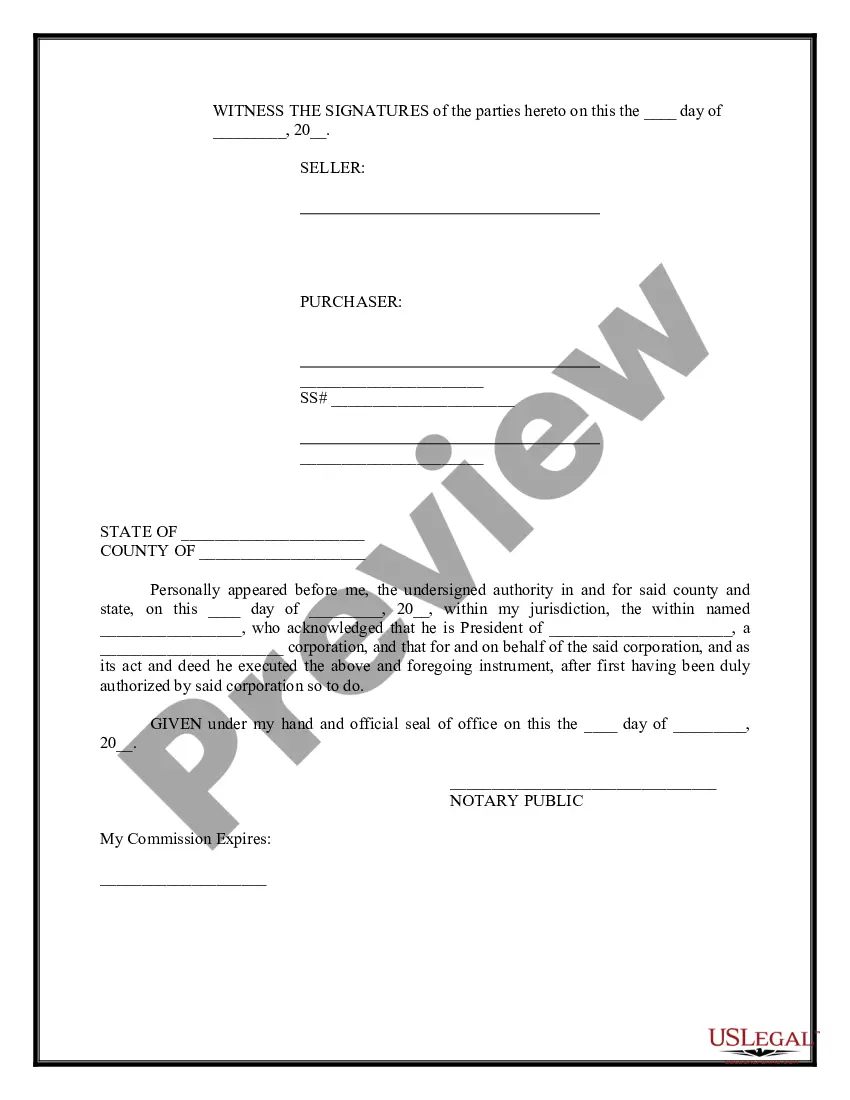
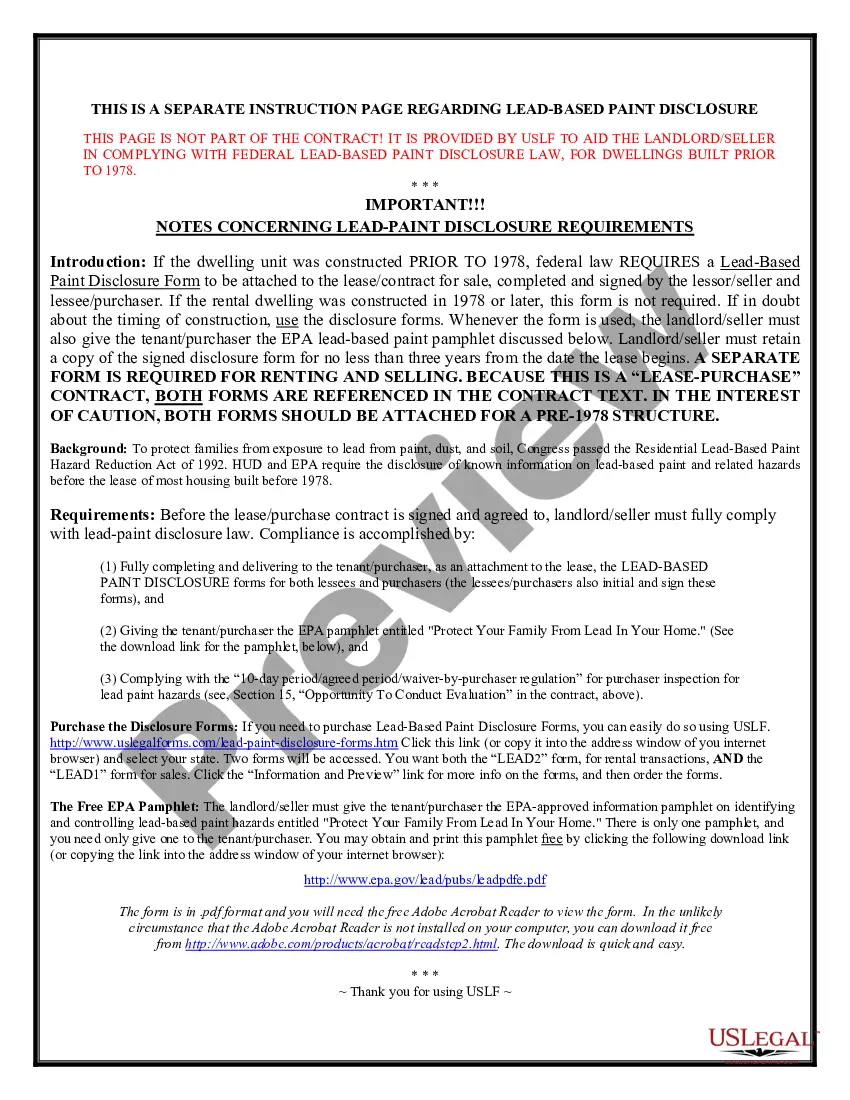
Get your form ready online
Our built-in tools help you complete, sign, share, and store your documents in one place.
Make edits, fill in missing information, and update formatting in US Legal Forms—just like you would in MS Word.
Download a copy, print it, send it by email, or mail it via USPS—whatever works best for your next step.
Sign and collect signatures with our SignNow integration. Send to multiple recipients, set reminders, and more. Go Premium to unlock E-Sign.
If this form requires notarization, complete it online through a secure video call—no need to meet a notary in person or wait for an appointment.
We protect your documents and personal data by following strict security and privacy standards.

Make edits, fill in missing information, and update formatting in US Legal Forms—just like you would in MS Word.

Download a copy, print it, send it by email, or mail it via USPS—whatever works best for your next step.

Sign and collect signatures with our SignNow integration. Send to multiple recipients, set reminders, and more. Go Premium to unlock E-Sign.

If this form requires notarization, complete it online through a secure video call—no need to meet a notary in person or wait for an appointment.

We protect your documents and personal data by following strict security and privacy standards.
Looking for another form?

Form popularity
FAQ
It is possible to draft your own lease agreement, but you are leaving yourself open to issues.
Here's a list of standard fields that you should include in your lease agreement: Tenant information. Include each tenant's full name and contact information. Rental property description. Security deposit. Monthly rent amount. Utilities. Lease term. Policies. Late fees.
A residential lease is a contract between a landlord and a tenant - or a lessor and a lessee. It will outline and detail the terms under which the tenant can occupy the landlord's property.
Management then over here in this white box this will be where you write the amount you're payingMoreManagement then over here in this white box this will be where you write the amount you're paying numerically. So for example I'm paying 500.
What to include in an apartment lease agreement. Tenant information. Include each tenant's full name and contact information. Rental property description. List the apartment's location, all common areas, parking spaces, and included facilities. Security deposit. Monthly rent amount. Utilities. Lease term. Policies. Late fees.
Rent Philly is a Condo Shops (TCS) Rental Portal. We are the largest purveyor of the finest apartment and condominium rentals in the Philadelphia Area.
One popular guideline is the 30% rent rule, which says to spend around 30% of your gross income on rent. So if you earn $4,000 per month before taxes, you could spend up to about $1,200 per month on rent.
Try the 50/30/20 rule The rule entails spending 50% of your monthly income on essential expenses such as rent, monthly bills, and groceries, spending 30% on non-essential purchases such as going out to eat, and putting 20% into your savings account.
Final Thoughts. In response to the question, “Is the 30% income rule for rent still realistic in 2024?”, there's no one-size-fits-all answer. “The 30% rule is a good starting point,” Dowski said, “but it's important to consider your specific circumstances and make choices that work best for you.”
Advice from financial planners can be helpful, but these guidelines don't always apply to everyone. Take rent for example. The traditional advice is simple: Spend no more than 30% of your before-tax income on housing costs. That means if you bring in $5,000 per month before taxes, your rent shouldn't exceed $1,500.