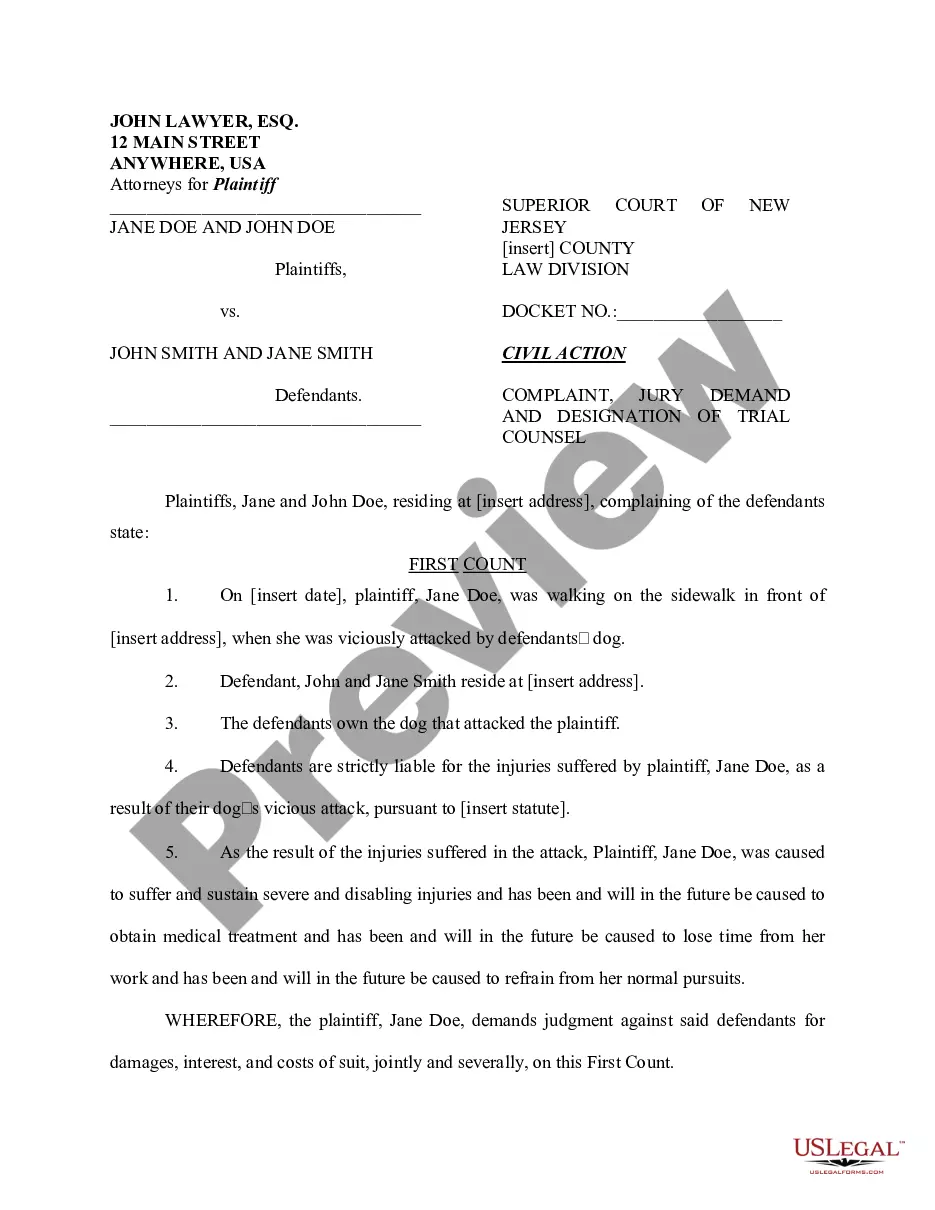
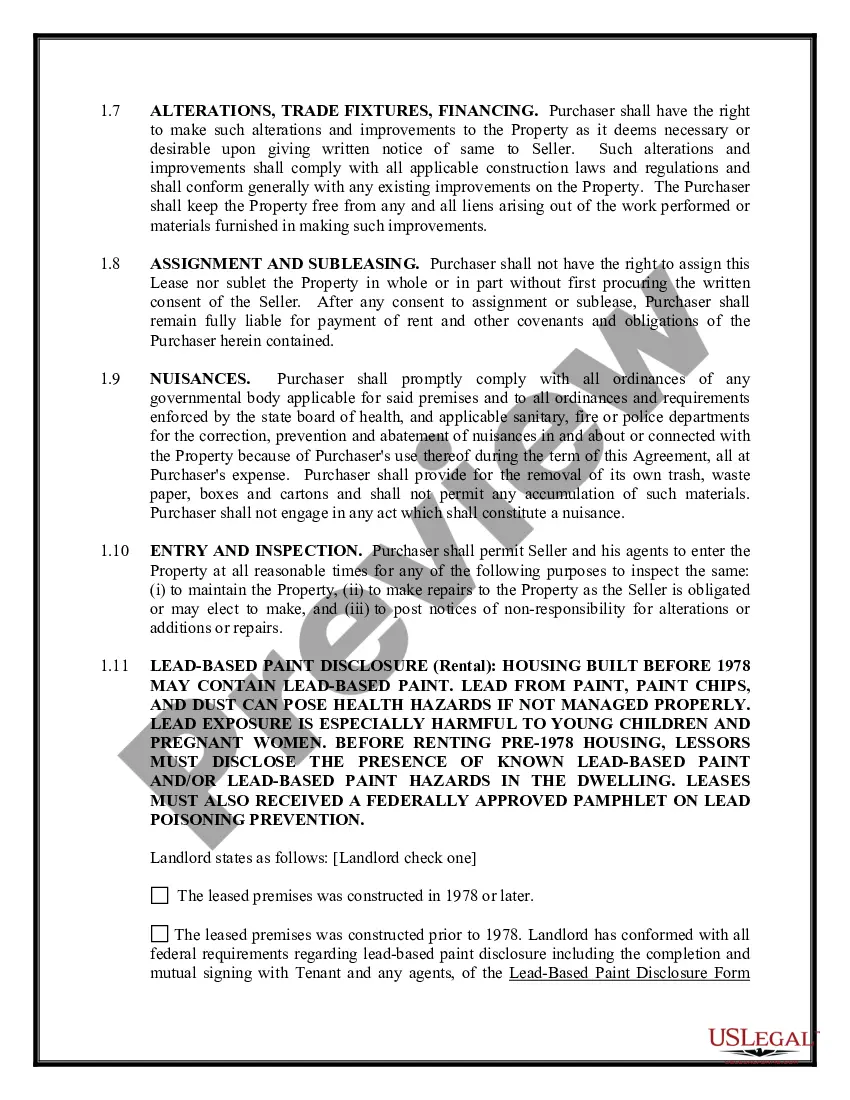
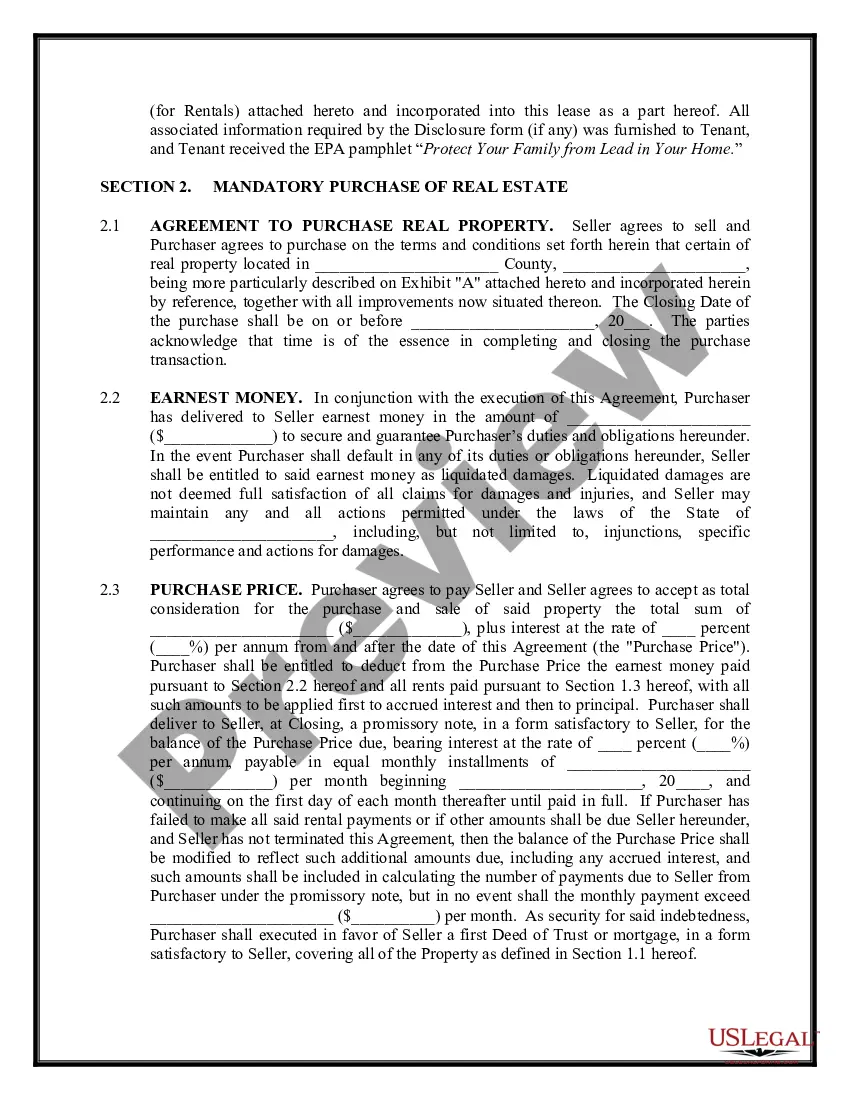
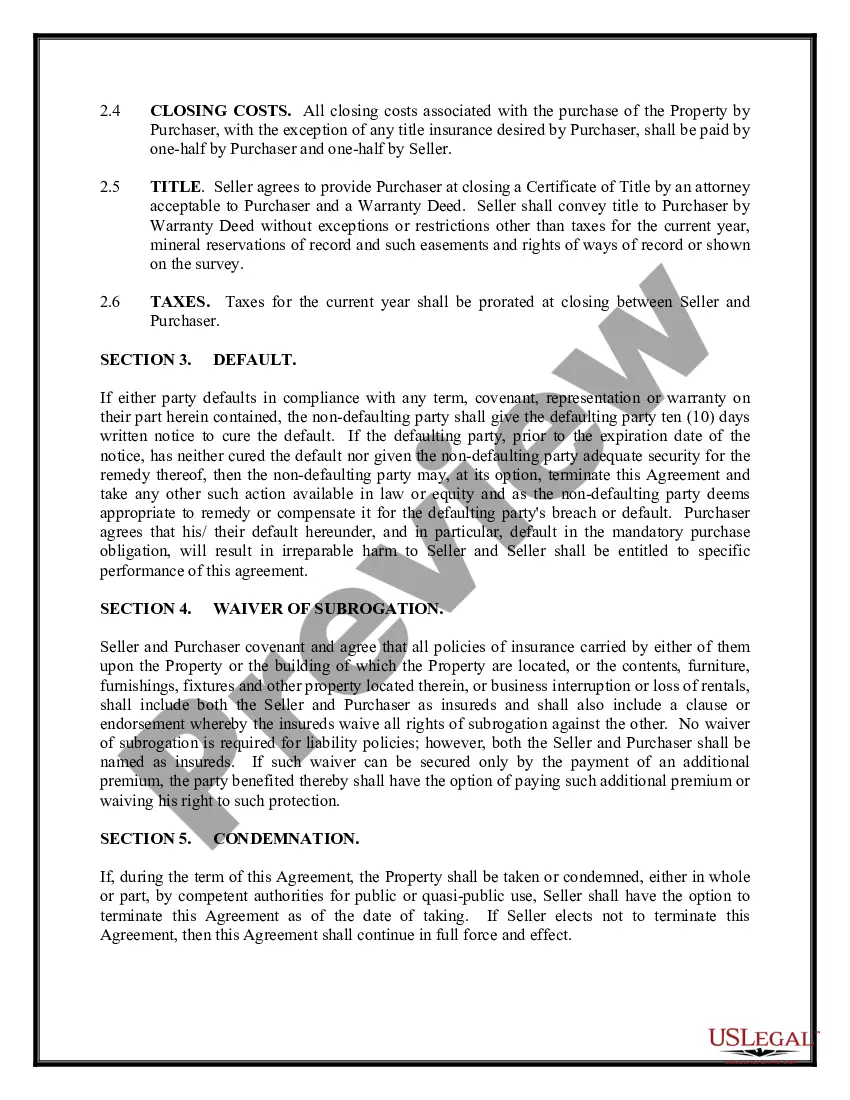
Arrendamiento Bienes Without In Utah
Description

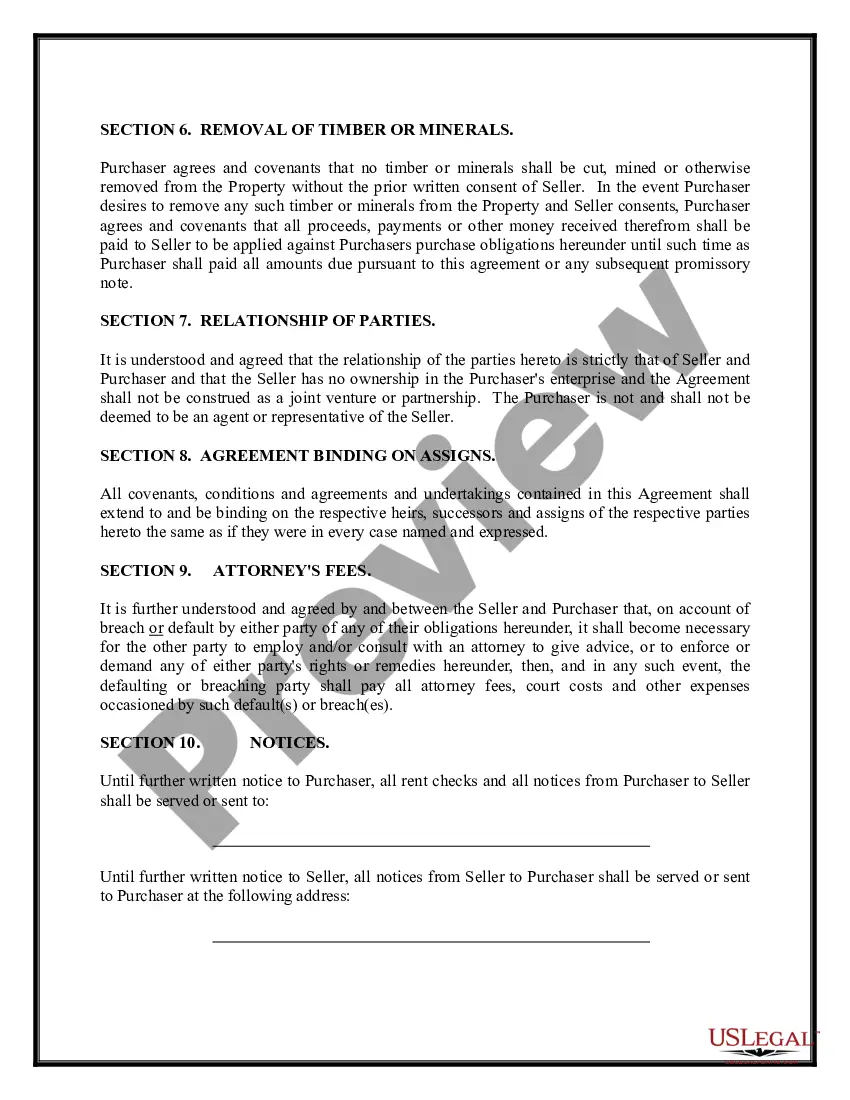
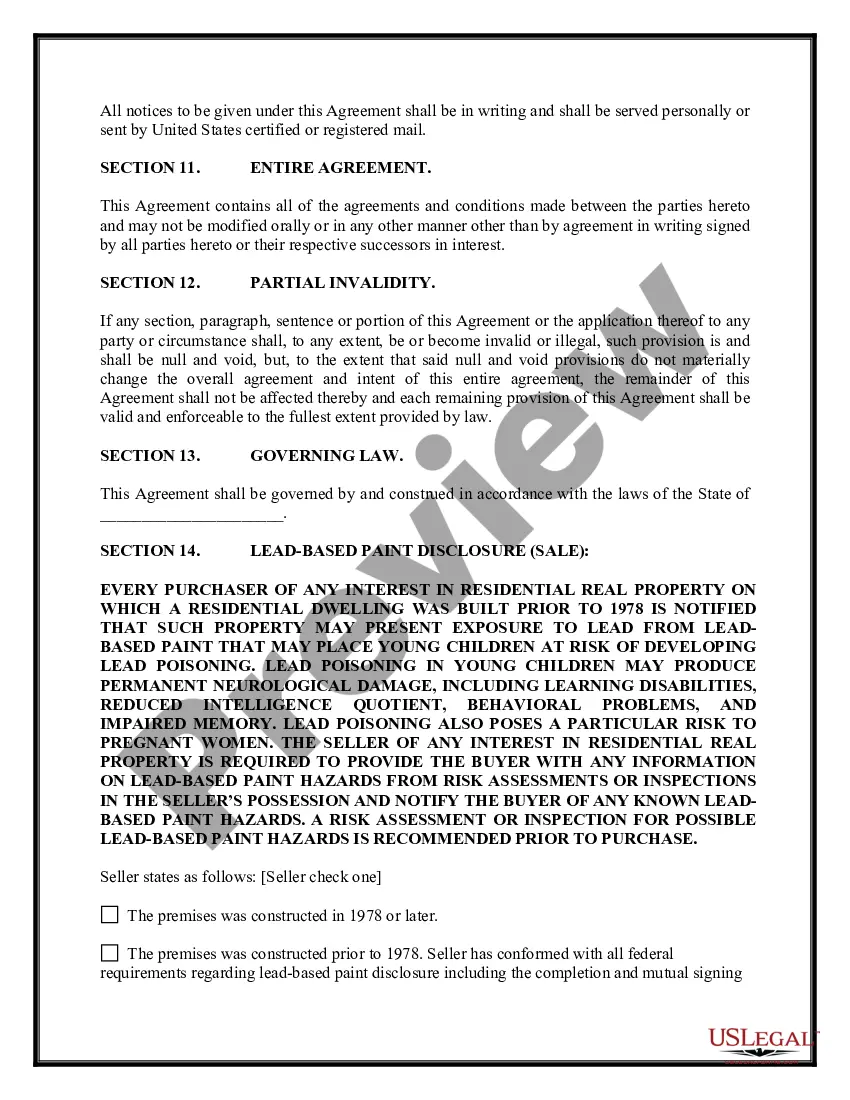
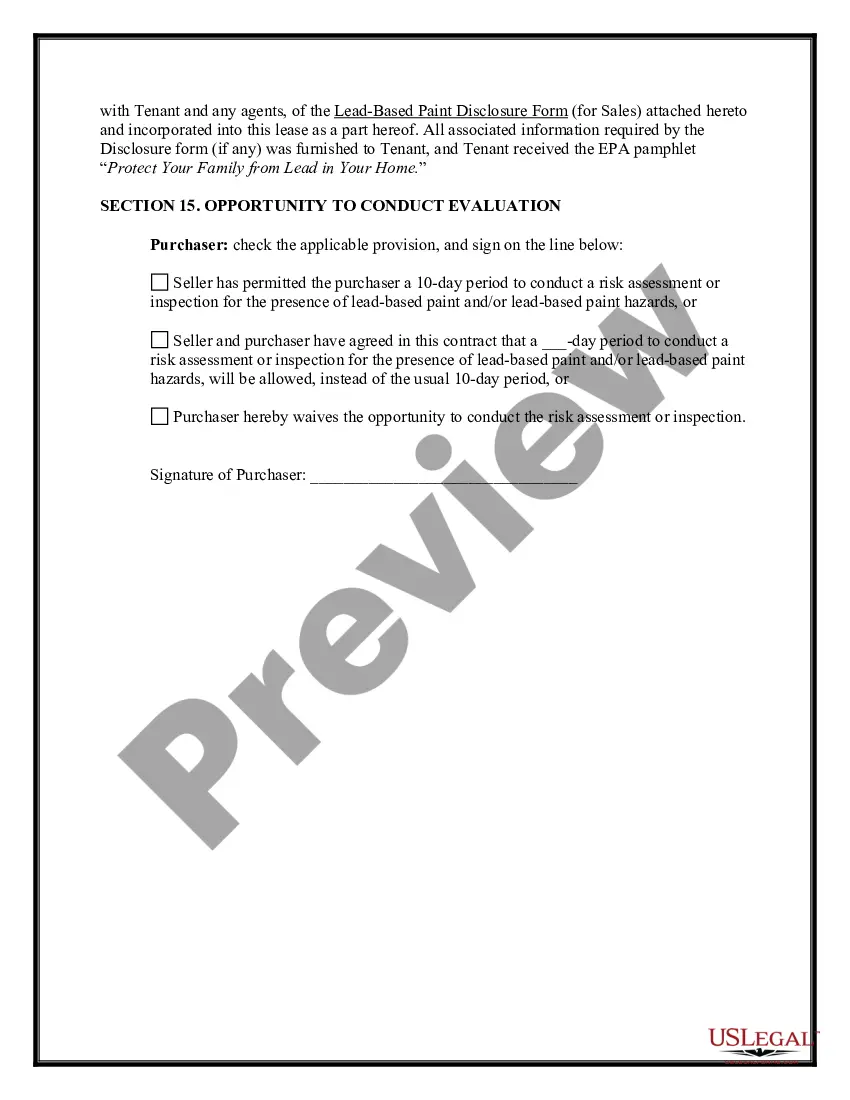
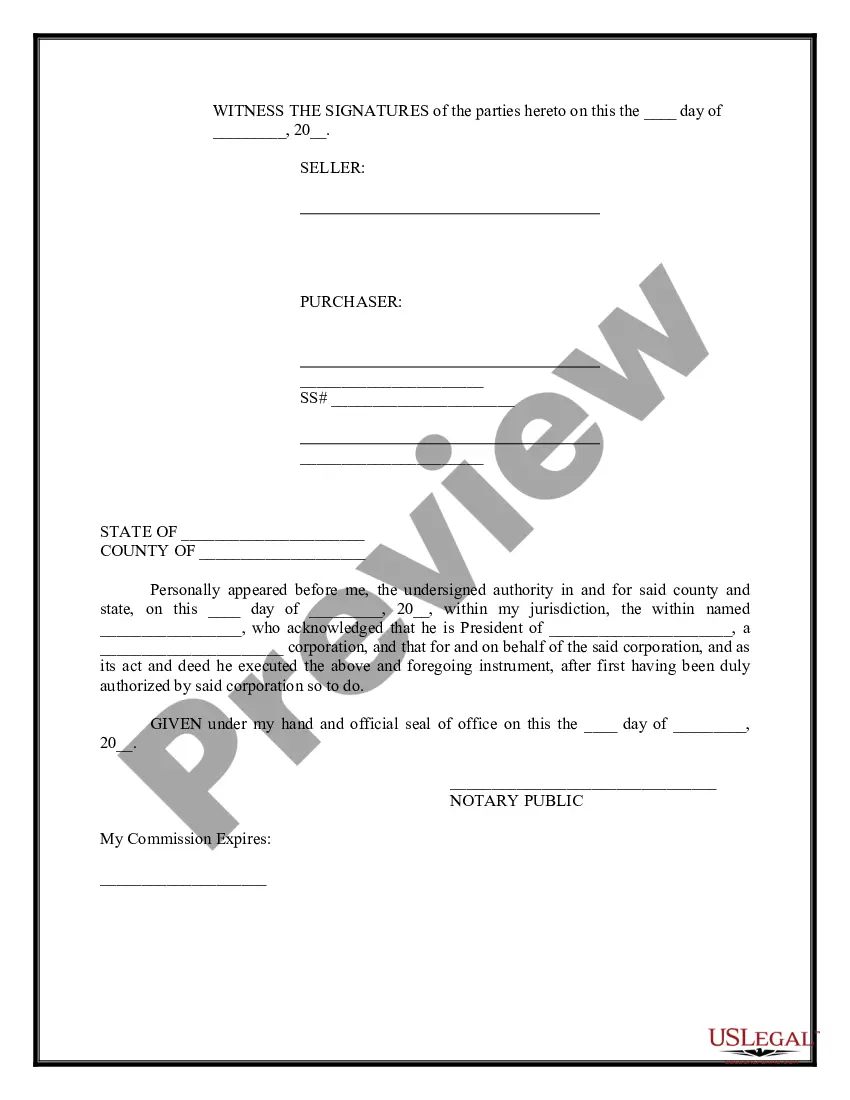
Get your form ready online
Our built-in tools help you complete, sign, share, and store your documents in one place.
Make edits, fill in missing information, and update formatting in US Legal Forms—just like you would in MS Word.
Download a copy, print it, send it by email, or mail it via USPS—whatever works best for your next step.
Sign and collect signatures with our SignNow integration. Send to multiple recipients, set reminders, and more. Go Premium to unlock E-Sign.
If this form requires notarization, complete it online through a secure video call—no need to meet a notary in person or wait for an appointment.
We protect your documents and personal data by following strict security and privacy standards.

Make edits, fill in missing information, and update formatting in US Legal Forms—just like you would in MS Word.

Download a copy, print it, send it by email, or mail it via USPS—whatever works best for your next step.

Sign and collect signatures with our SignNow integration. Send to multiple recipients, set reminders, and more. Go Premium to unlock E-Sign.

If this form requires notarization, complete it online through a secure video call—no need to meet a notary in person or wait for an appointment.

We protect your documents and personal data by following strict security and privacy standards.
Looking for another form?



Form popularity
FAQ
Utah law protects tenants' right to privacy by restricting landlord entry only to necessary instances such as repairs, inspections, or showings, and requires at least a 24-hour notice, barring emergency situations. Tenants also have a right to quiet enjoyment, meaning they should not be disturbed unnecessarily.
UInder Utah Code Sec. 57-22-5(2)(c), the law says that a tenant may not unreasonably deny access, refuse entry, or withhold consent, to enter the residential rental unit to the owner, agent, or manager for the purpose of making repairs to the unit. No notice specified.
Utah Landlord Rights and Responsibilities If you fail to provide the required amenities for habitable housing, tenants could report you to government authorities for unsafe living conditions. Landlords in Utah must also make repairs within up to 10 days after receiving written notice.
Disturbing other tenants or neighbors. Having parties or visitors so frequently as to interfere with any neighbor's quiet enjoyment. Smoking and the tenant's smoke drifts into another rental unit, but only if the landlord prohibits smoking in all units.
O The owner occupied with no more than four units – is the Mrs. Murphy exemption – if the owner lives in the units – up to four units they are exempt. Single-family homes are the ones mentioned in the Act and they are exempt if they don't use a broker, real estate person or property manager.
Quiet Enjoyment and Nuisance Prevention This right implies that the tenant should not face unreasonable disturbances, whether they originate from the landlord or from other sources within the property. A tenant's home is their sanctuary, and Utah's nuisance laws strive to protect that sanctity.
Renter's duties -- Cleanliness and sanitation -- Compliance with written agreement -- Destruction of property, interference with peaceful enjoyment prohibited.
Verbal threats, threats of physical violence, or actual physical contact are all examples of landlord harassment. Also, keep in mind that verbal threats can occur via face-to-face interaction, over the phone, or in writing.
(1) A person is guilty of harassment if, with intent to frighten or harass another, he communicates a written or recorded threat to commit any violent felony. (2) Harassment is a class B misdemeanor. Utah Laws.