Arrendamiento Bienes Forma In Phoenix
Description

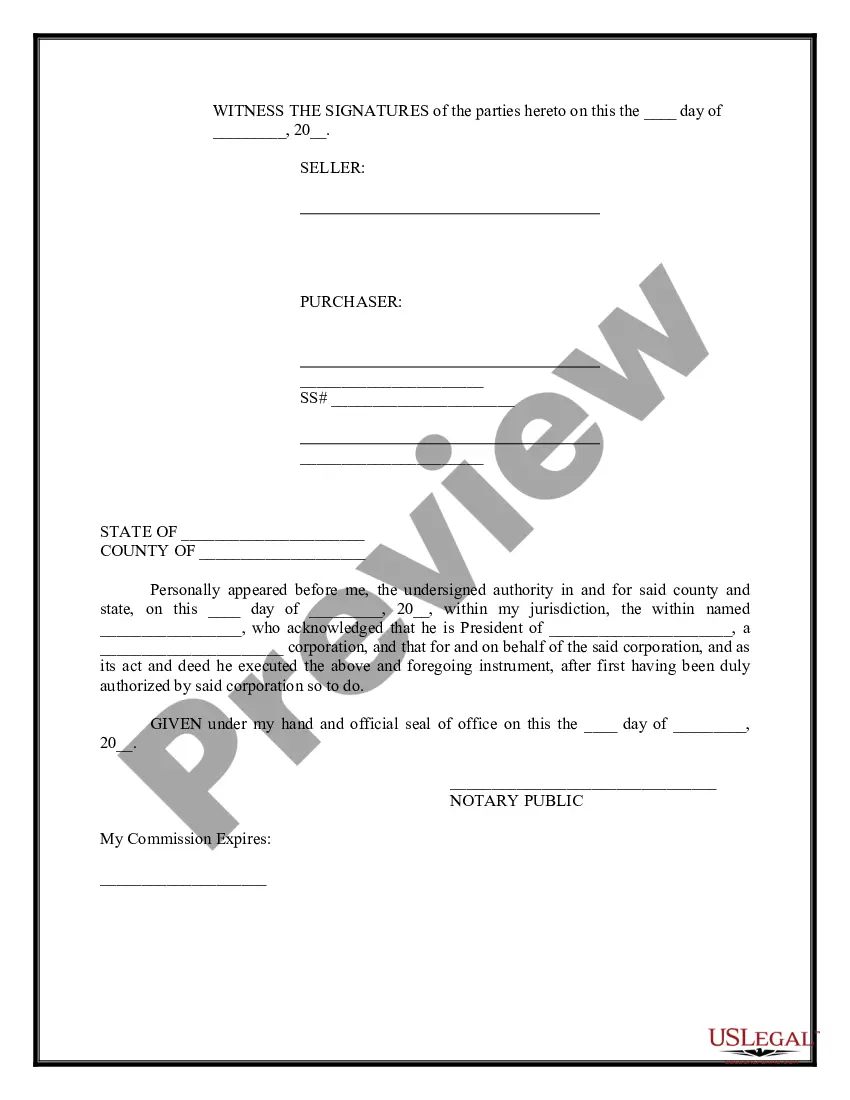
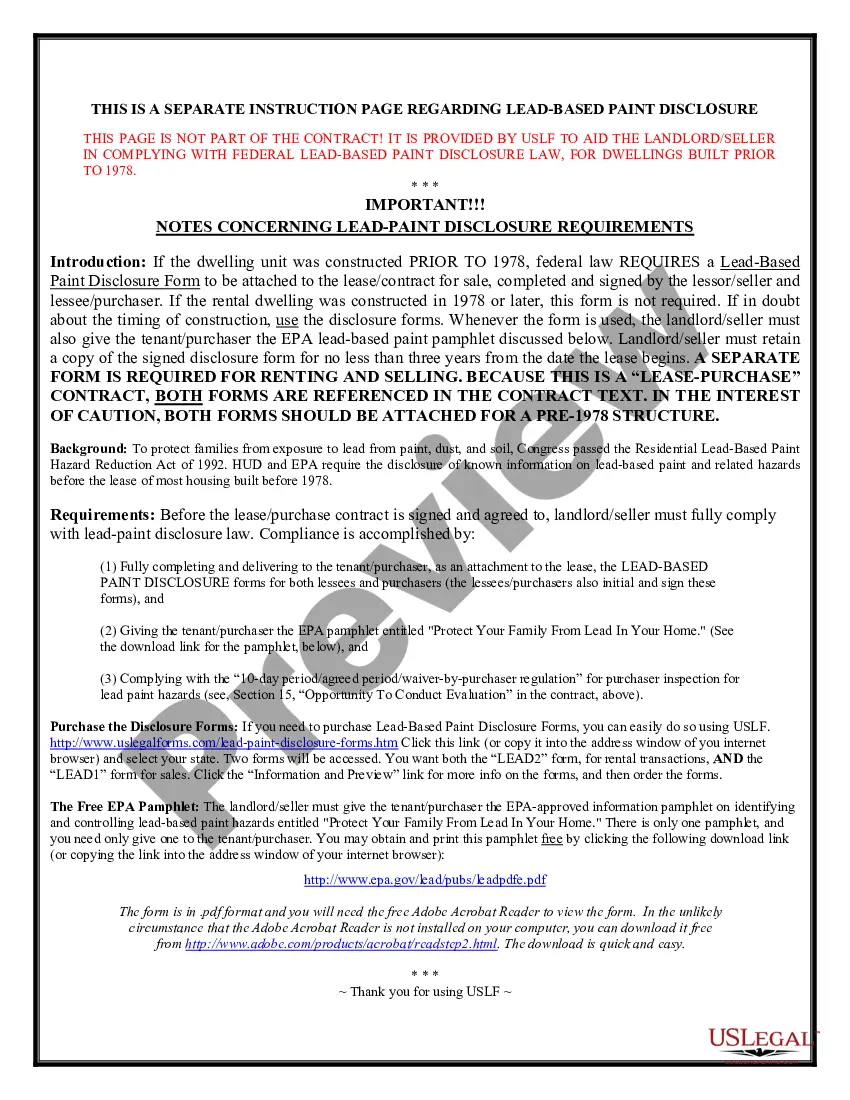
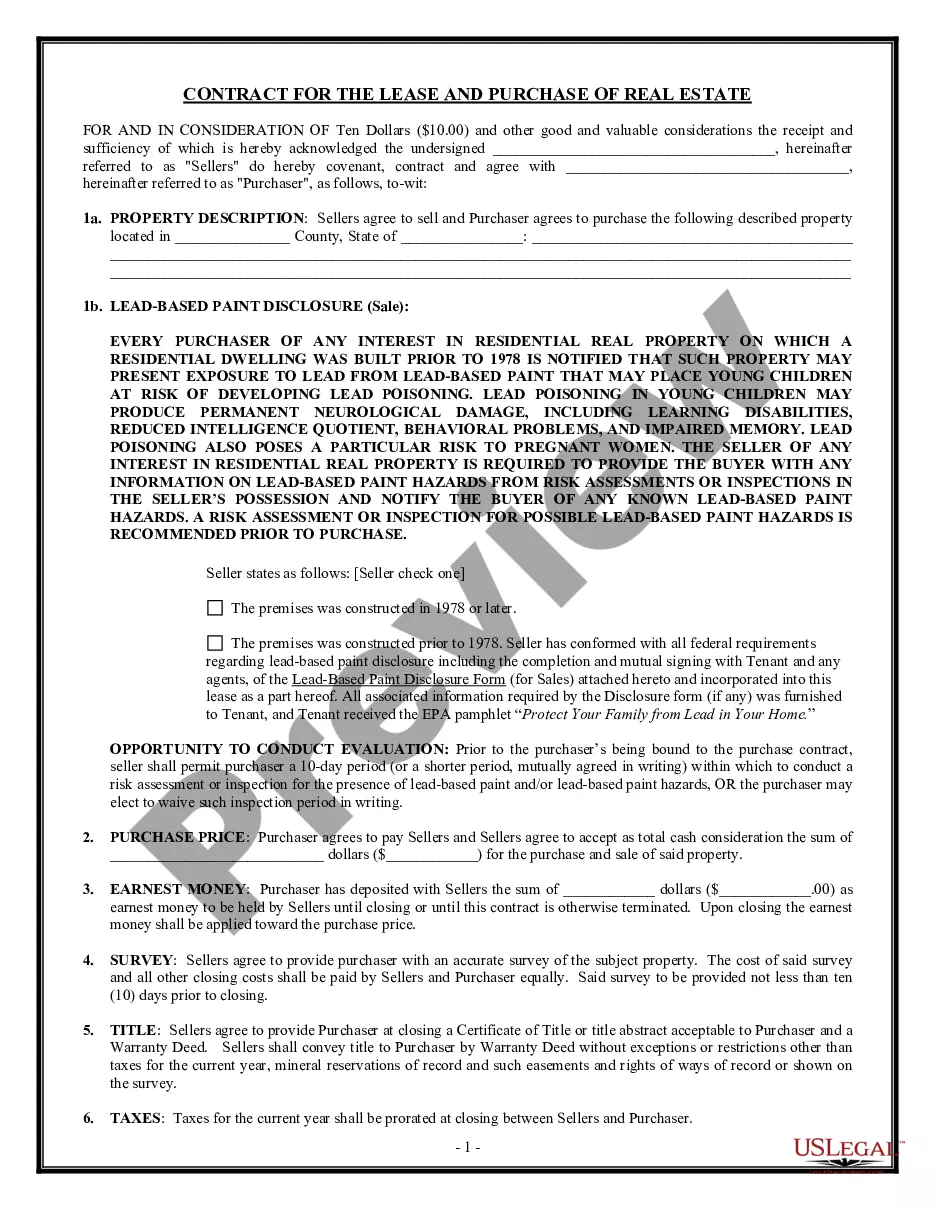
Get your form ready online
Our built-in tools help you complete, sign, share, and store your documents in one place.
Make edits, fill in missing information, and update formatting in US Legal Forms—just like you would in MS Word.
Download a copy, print it, send it by email, or mail it via USPS—whatever works best for your next step.
Sign and collect signatures with our SignNow integration. Send to multiple recipients, set reminders, and more. Go Premium to unlock E-Sign.
If this form requires notarization, complete it online through a secure video call—no need to meet a notary in person or wait for an appointment.
We protect your documents and personal data by following strict security and privacy standards.

Make edits, fill in missing information, and update formatting in US Legal Forms—just like you would in MS Word.

Download a copy, print it, send it by email, or mail it via USPS—whatever works best for your next step.

Sign and collect signatures with our SignNow integration. Send to multiple recipients, set reminders, and more. Go Premium to unlock E-Sign.

If this form requires notarization, complete it online through a secure video call—no need to meet a notary in person or wait for an appointment.

We protect your documents and personal data by following strict security and privacy standards.
Looking for another form?








Form popularity
FAQ
In order to be a landlord in Arizona, there are certain licenses and permits that you need to obtain. This includes a business license and a residential rental license from the City of Phoenix. These licenses are essential to ensure compliance with local regulations and to legally operate your rental property.
(Lodging spaces booked for 30 days or more.) Currently, there is no state or county tax imposed on residential rentals. Therefore, Arizona cities are not be able to impose a tax on residential rentals from and after December 31, 2024.
Arizona's residential rental tax is a type of transaction privilege tax (TPT). Rent TPTs are sales taxes that most landlords transfer to their renters. However, beginning Jan. 1, 2025, Arizona property owners will stop collecting this rent tax.
Arizona's residential rental tax is a type of transaction privilege tax (TPT). Rent TPTs are sales taxes that most landlords transfer to their renters. However, beginning Jan. 1, 2025, Arizona property owners will stop collecting this rent tax.
In December 2024, ADOR announced the elimination of transaction privilege tax (TPT) applicable to the rental of real estate for residential purposes (residential rental) as of January 1, 2025. A.R.S. § 42-6004 (H) was amended to exempt residential rental TPT from being levied.
Material Breach of the Rental Agreement (5-day Notice for Health and Safety) The tenant must fix problems. The landlord must give the tenant a written notice stating what the problem is and that the rental agreement will terminate after 5 days if the problem is not fixed in 5 days. (ARS § 33-1368(A).)
El contrato de arrendamiento es aquel contrato por el cual las partes contratantes se obligan recíprocamente, una (el arrendador), a conceder el uso o goce temporal de una cosa y la otra (el arrendatario), a pagar por ese uso o goce un precio cierto (renta).
TITULO VI. De la locación El que paga el precio, se llama en este código "locatario", "arrendatario" o "inquilino", y el que lo recibe "locador" o "arrendador". El precio se llama también "arrendamiento" o alquiler.
En el contrato de arrendamiento intervienen dos partes, el arrendador y el arrendatario, este último coloquialmente es también conocido como inquilino. Por virtud de este contrato tanto el arrendador como el arrendatario tienen derechos y obligaciones recíprocas.
El significado de arrendatario se asocia con el de inquilino mientras que el de arrendador va ligado al de propietario cuando hablamos del alquiler de un inmueble o de cualquier otro bien.