Real Estate Clause In A Will In Florida
Description

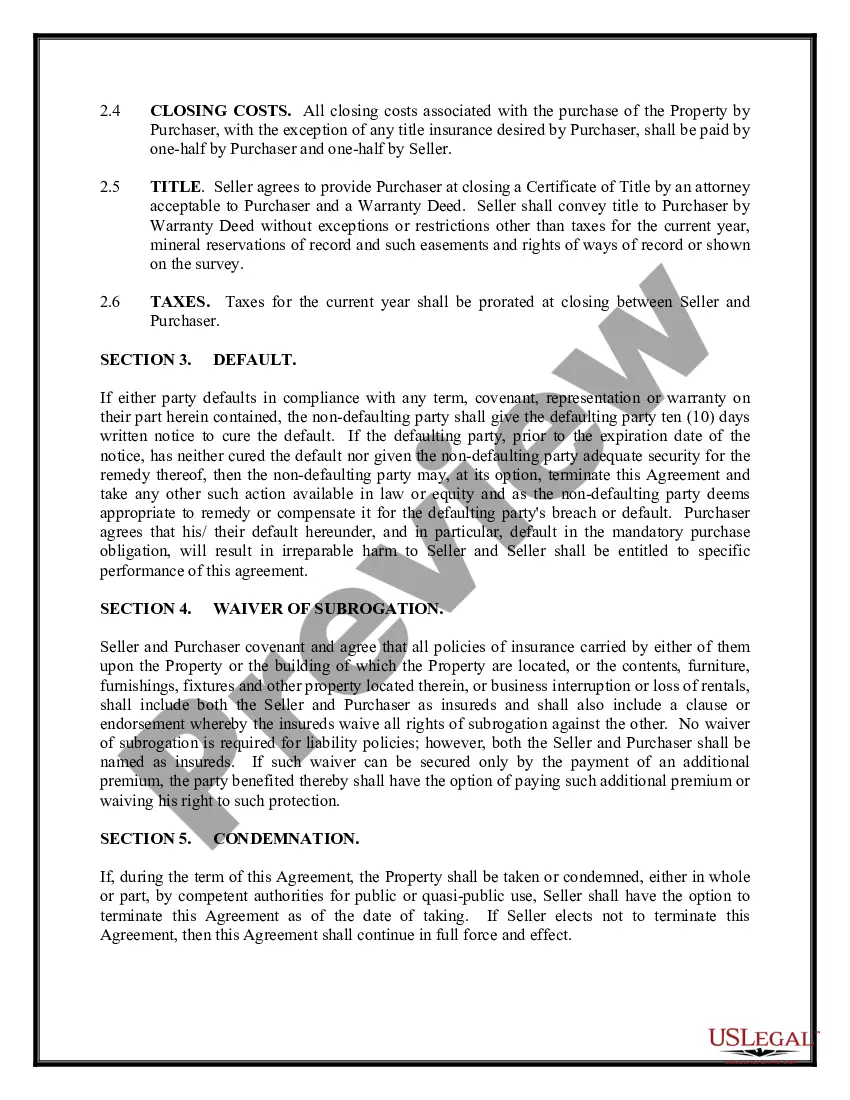
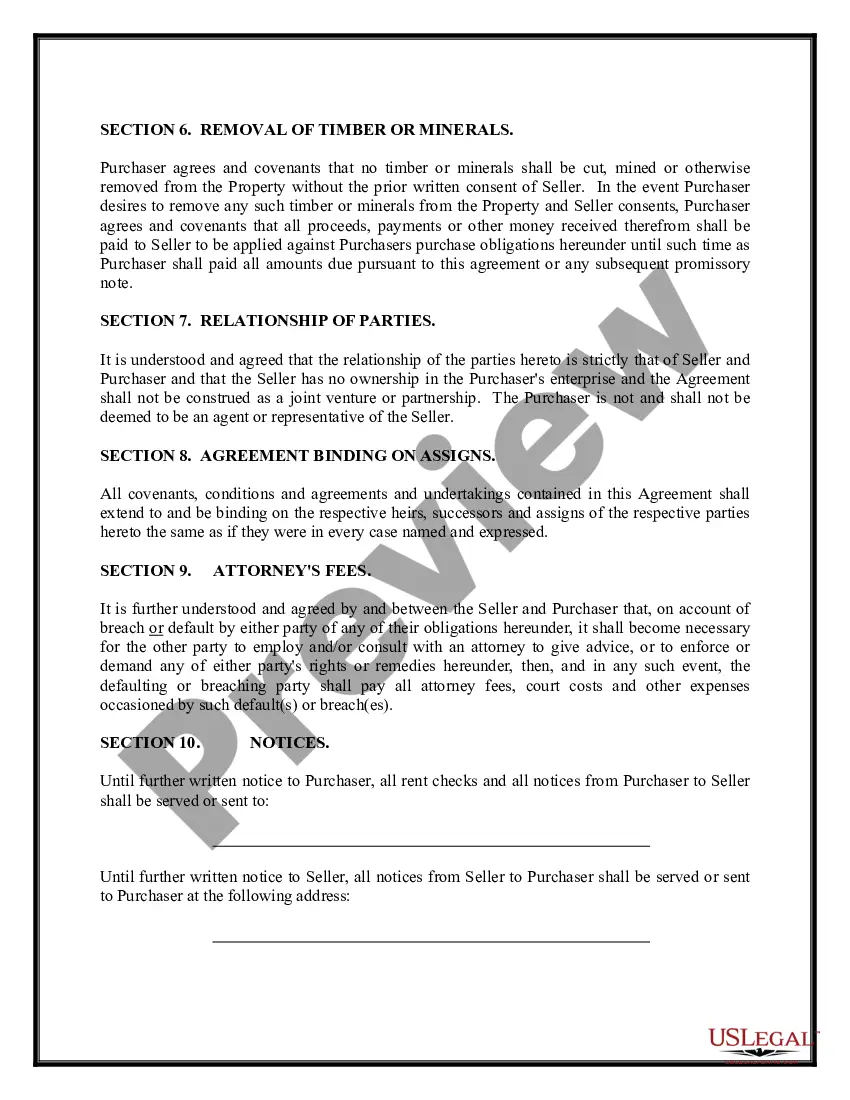
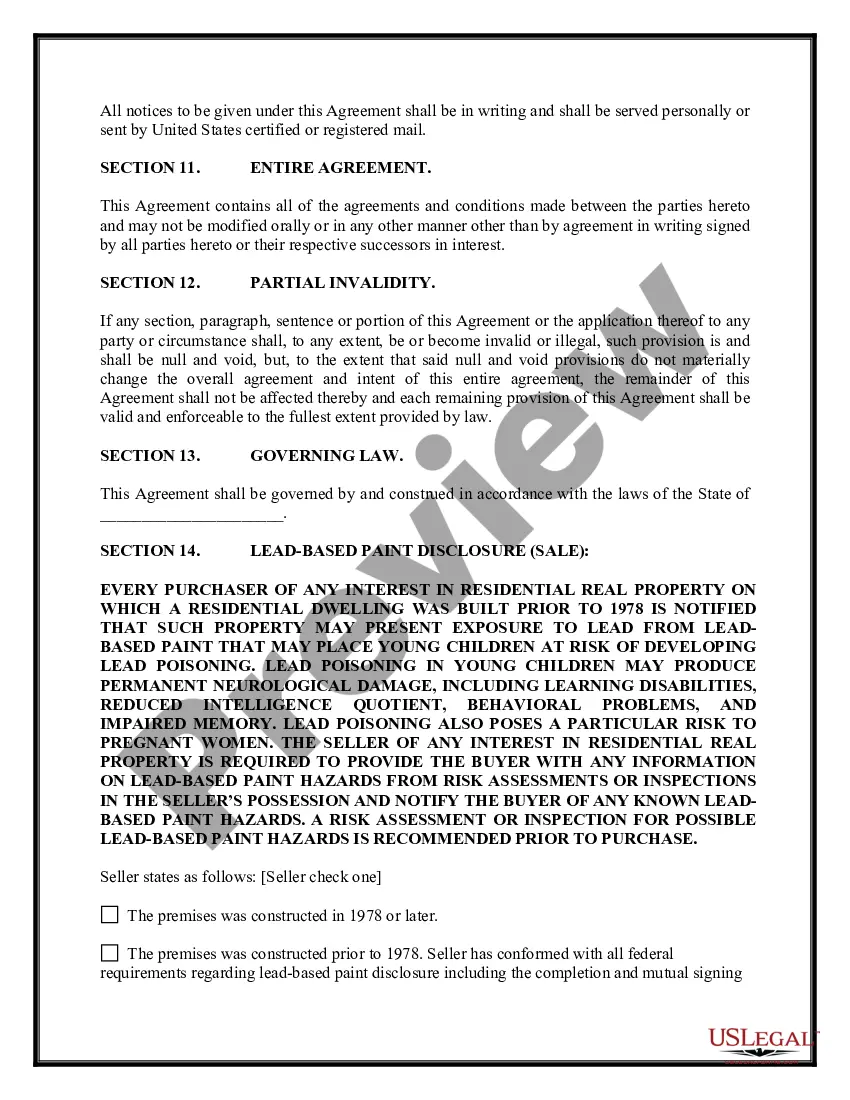
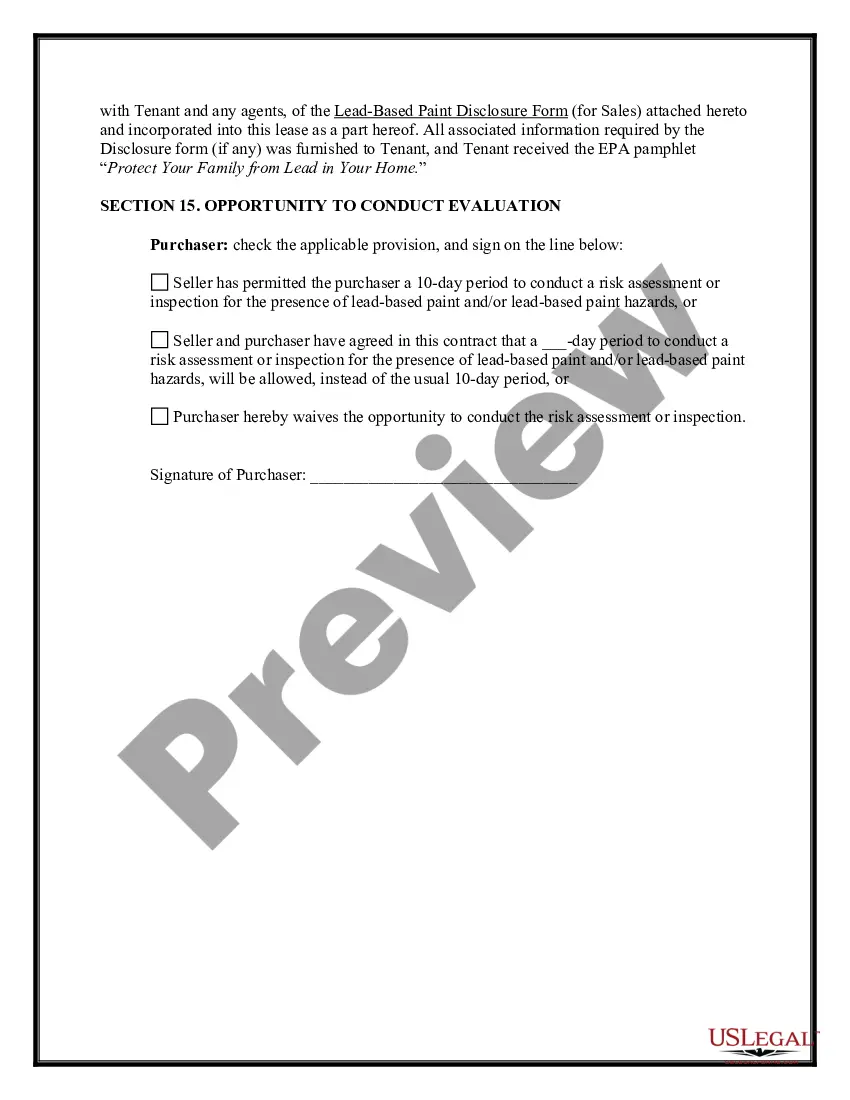
Get your form ready online
Our built-in tools help you complete, sign, share, and store your documents in one place.
Make edits, fill in missing information, and update formatting in US Legal Forms—just like you would in MS Word.
Download a copy, print it, send it by email, or mail it via USPS—whatever works best for your next step.
Sign and collect signatures with our SignNow integration. Send to multiple recipients, set reminders, and more. Go Premium to unlock E-Sign.
If this form requires notarization, complete it online through a secure video call—no need to meet a notary in person or wait for an appointment.
We protect your documents and personal data by following strict security and privacy standards.

Make edits, fill in missing information, and update formatting in US Legal Forms—just like you would in MS Word.

Download a copy, print it, send it by email, or mail it via USPS—whatever works best for your next step.

Sign and collect signatures with our SignNow integration. Send to multiple recipients, set reminders, and more. Go Premium to unlock E-Sign.

If this form requires notarization, complete it online through a secure video call—no need to meet a notary in person or wait for an appointment.

We protect your documents and personal data by following strict security and privacy standards.
Looking for another form?










Form popularity
FAQ
In California, executors can make a move on estate property for themselves, but only in some instances and only with all the legal boxes ticked. This type of decision gets a very close look by the court because, let's face it, it's easy for conflicts of interest to pop up.
In some cases, the executor can sell the house without getting the sign-off from all the heirs. For example, in California, if the executor can sell the property for at least 90 percent of its appraised value, they may have the authority to move forward with the sale.
However, if anyone is the sole owner of a home, property, or piece of land, that real estate must go through probate court before inheritance may take place. In Florida, if a married couple does not own property jointly, probate court follows Florida's state intestacy laws.
You'll need to file the necessary documents with the local probate court where the decedent resided in Florida. Once approved by a judge, they issue Letters of Administration certifying your role as estate administrator to third parties, including banks.
The executor must give notice to the beneficiaries of the sale, but they do not need approval. All beneficiaries must sign the contract if it is the decedent's homestead.
The executor must give notice to the beneficiaries of the sale, but they do not need approval. All beneficiaries must sign the contract if it is the decedent's homestead.
All heirs must agree with the terms of the deal. The proceeds are held temporarily. While the rest of the probate is ongoing, the proceeds from the sale of the property are held in escrow by the probate attorney through the creditors' claims period (typically 90 days).
The executor must give notice to the beneficiaries of the sale, but they do not need approval. All beneficiaries must sign the contract if it is the decedent's homestead.
Examples of non-probate assets include: Jointly owned property with right of survivorship. Assets with designated beneficiaries, such as retirement accounts and life insurance policies. Assets held in a living trust.
Florida generally has two different types of probate - one is easy, one is much more complicated - and probate can take 5-8 months under most scenarios. Some estates won't need to go through formal probate at all. If a deceased person had no assets in their own, individual name, then no probate is required.