Assignment Clause Real Estate For Sale In Chicago
Description

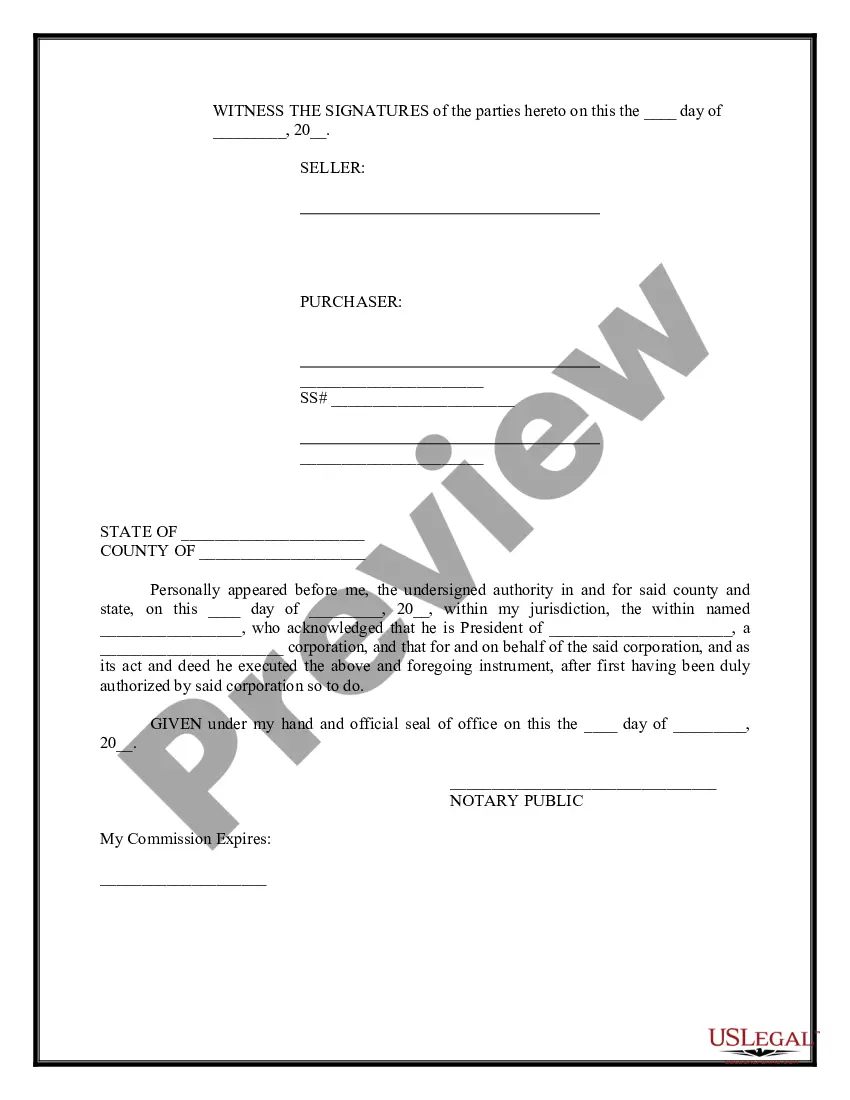
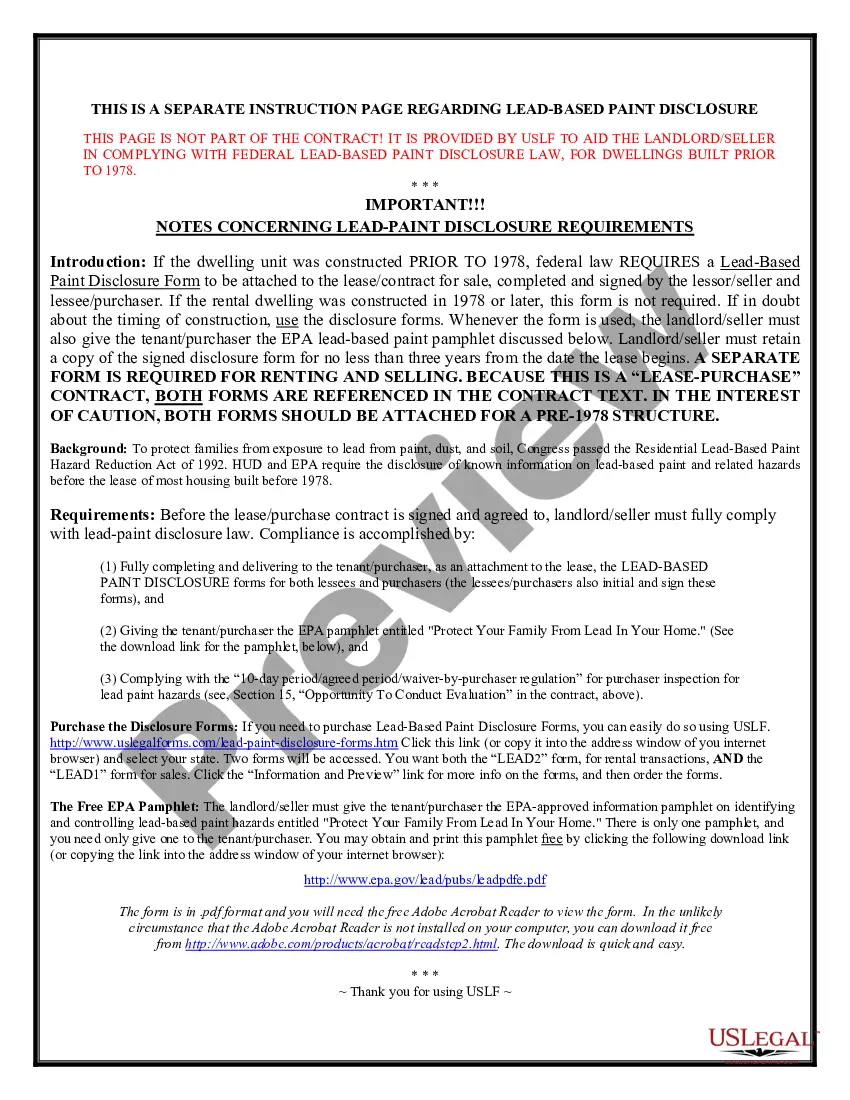
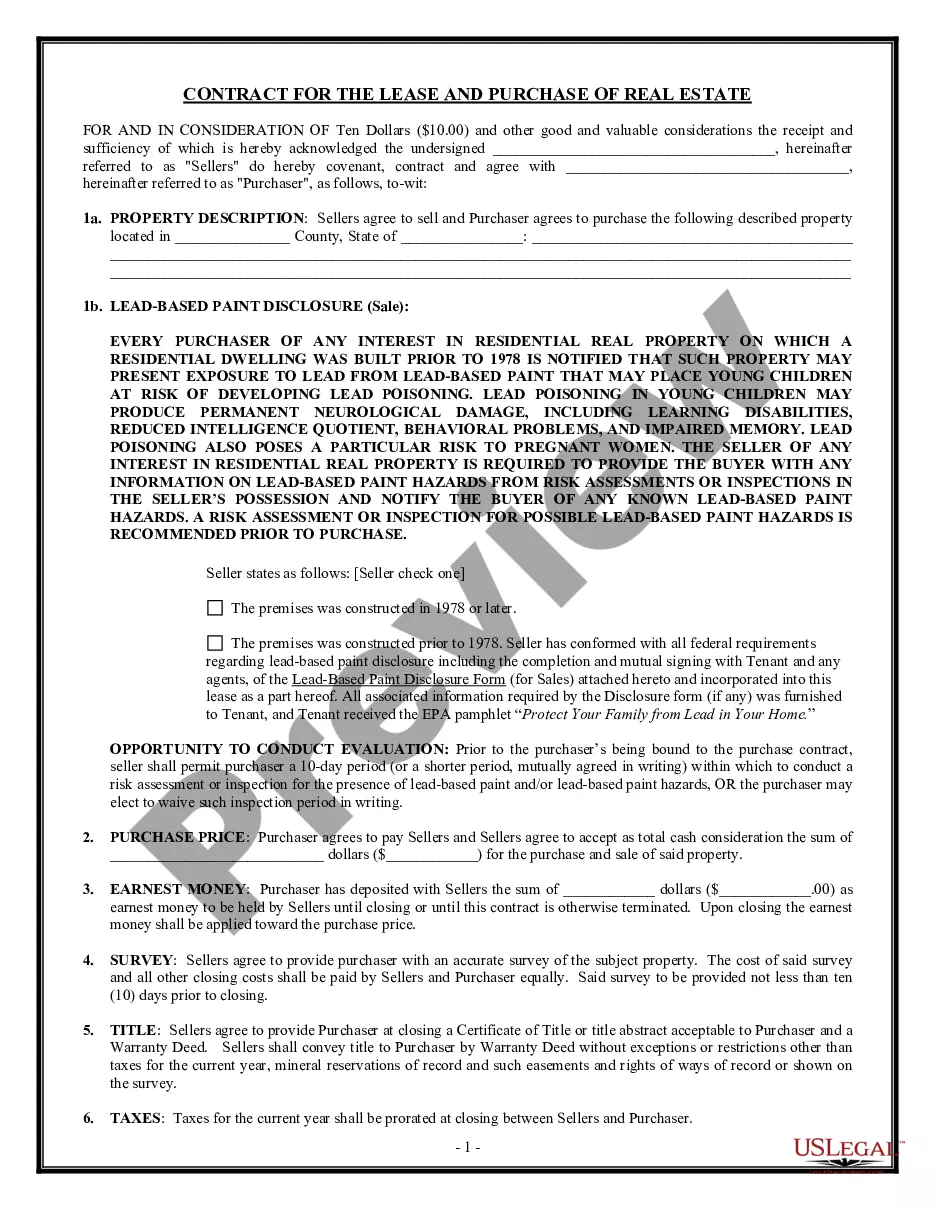
Get your form ready online
Our built-in tools help you complete, sign, share, and store your documents in one place.
Make edits, fill in missing information, and update formatting in US Legal Forms—just like you would in MS Word.
Download a copy, print it, send it by email, or mail it via USPS—whatever works best for your next step.
Sign and collect signatures with our SignNow integration. Send to multiple recipients, set reminders, and more. Go Premium to unlock E-Sign.
If this form requires notarization, complete it online through a secure video call—no need to meet a notary in person or wait for an appointment.
We protect your documents and personal data by following strict security and privacy standards.

Make edits, fill in missing information, and update formatting in US Legal Forms—just like you would in MS Word.

Download a copy, print it, send it by email, or mail it via USPS—whatever works best for your next step.

Sign and collect signatures with our SignNow integration. Send to multiple recipients, set reminders, and more. Go Premium to unlock E-Sign.

If this form requires notarization, complete it online through a secure video call—no need to meet a notary in person or wait for an appointment.

We protect your documents and personal data by following strict security and privacy standards.
Looking for another form?







Form popularity
FAQ
What This Means for Real Estate. If a contract does NOT mention anything about assignment, you are legally allowed to assign it. However, just because you can assign a contract doesn't always mean you should—some deals require strategy and smooth handling.
Many real estate contracts already include language allowing assignment. Some even state that no seller consent is required, making things smooth for wholesalers and investors.
✅ If the contract allows assignment or is silent on the issue, you can assign it. ❌ If the contract prohibits assignment, you CANNOT assign it (unless the seller agrees). Smart investors always check their contracts, negotiate assignability upfront, and use clear communication to keep deals running smoothly.
A buyer most likely to be involved in an assignment of contract is typically an investor or a speculator who transfers the obligations and rights of a contract to another party before completion, often for a profit. This is common in real estate transactions but can apply to other business dealings.
In the mergers and acquisitions context, an assignment of a contract from a target company entity to the relevant acquirer entity is needed whenever a contract has to be placed in the name of an entity other than the existing target company entity after consummation of a transaction.
A "Consent to Assignment" clause stipulates that a party must obtain permission from the other party before transferring their rights or obligations under the contract to a third party. This ensures that the original party remains involved in decisions affecting the performance and continuity of the contract.
Examples include confidentiality, liability, and termination clauses, all of which serve to protect parties' interests and provide a framework for resolving potential disputes.
An Assignment Clause in a bank guarantee becomes onerous when it allows the beneficiary of the guarantee to transfer or assign the rights under the guarantee to another party without the consent of the guarantor (usually a bank).
Phrases and Clauses PhrasesClauses Best friend Because he gave her a puppy On the horizon When the saints go marching in After the devastation I waited for him Because of her glittering smile He wants to become an engineer2 more rows
No Party shall assign this Agreement or any part hereof without the prior written consent of the other Parties. Subject to the foregoing, this Agreement shall be binding upon and inure to the benefit of the Parties Parties, and their respective permitted successors and assigns.