Real Property Clause In Will In Bexar
Description

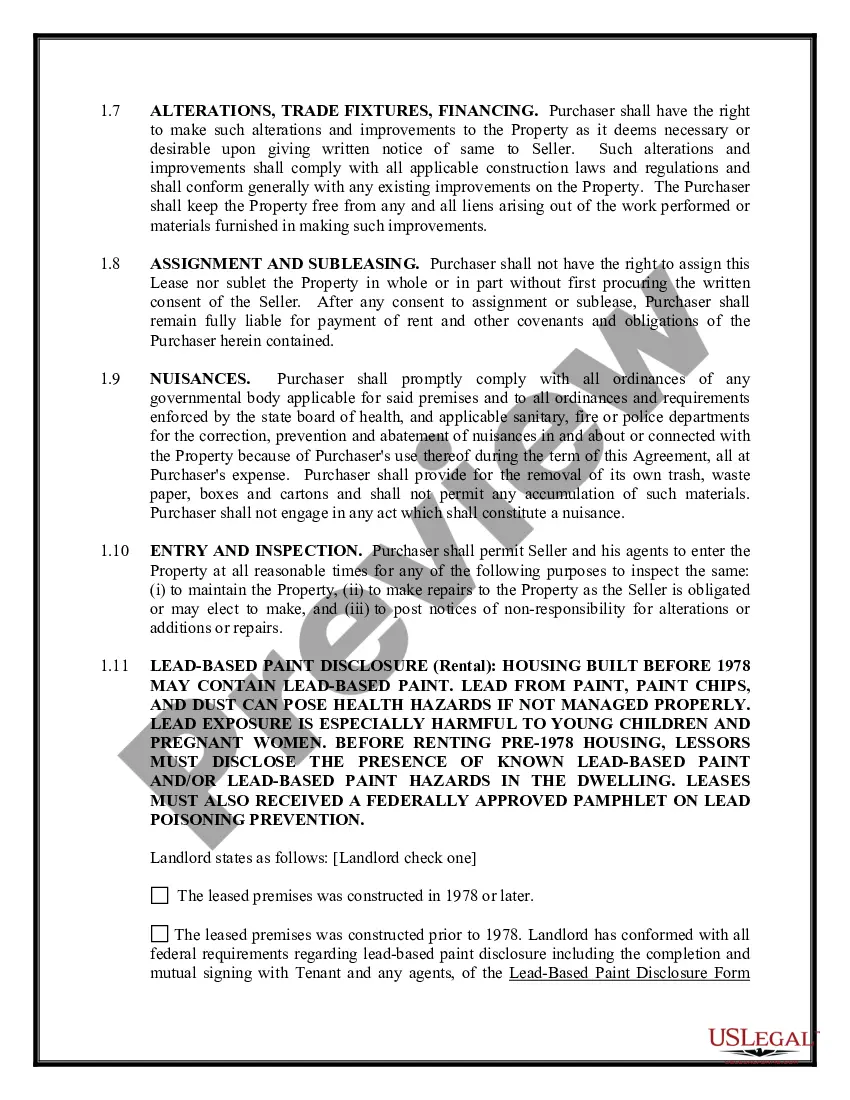
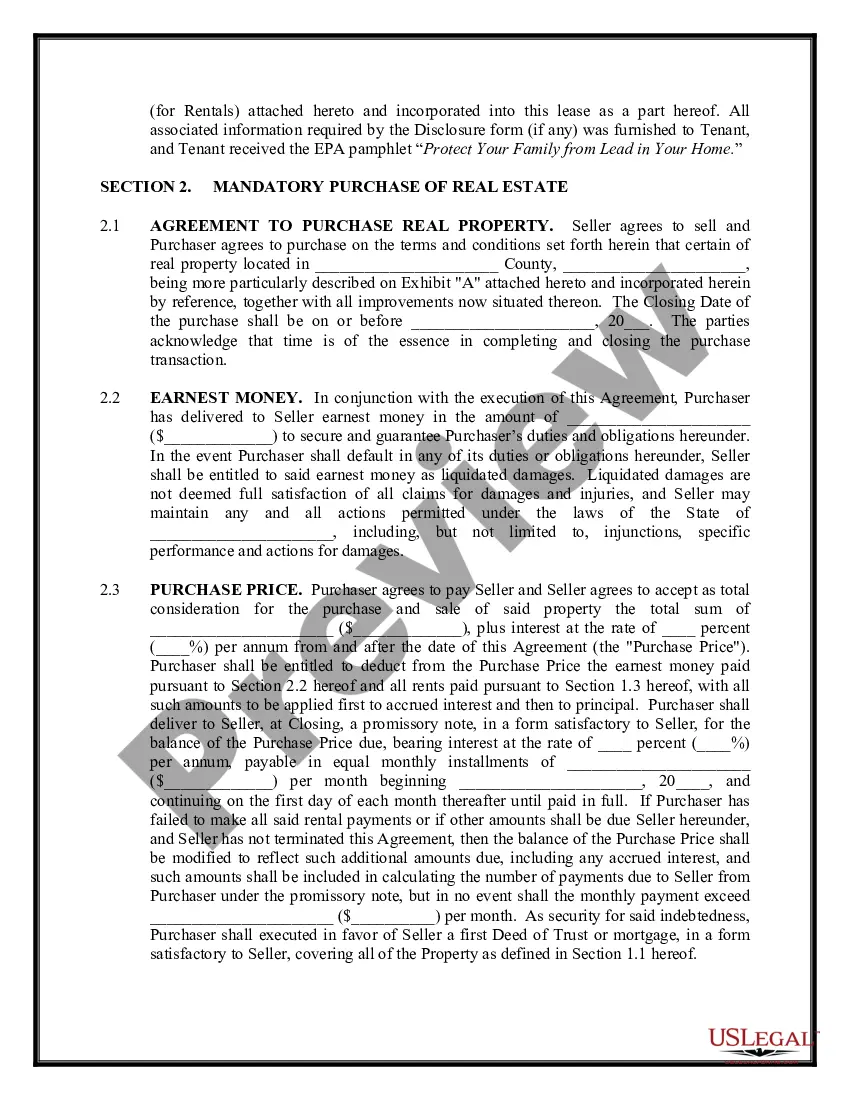
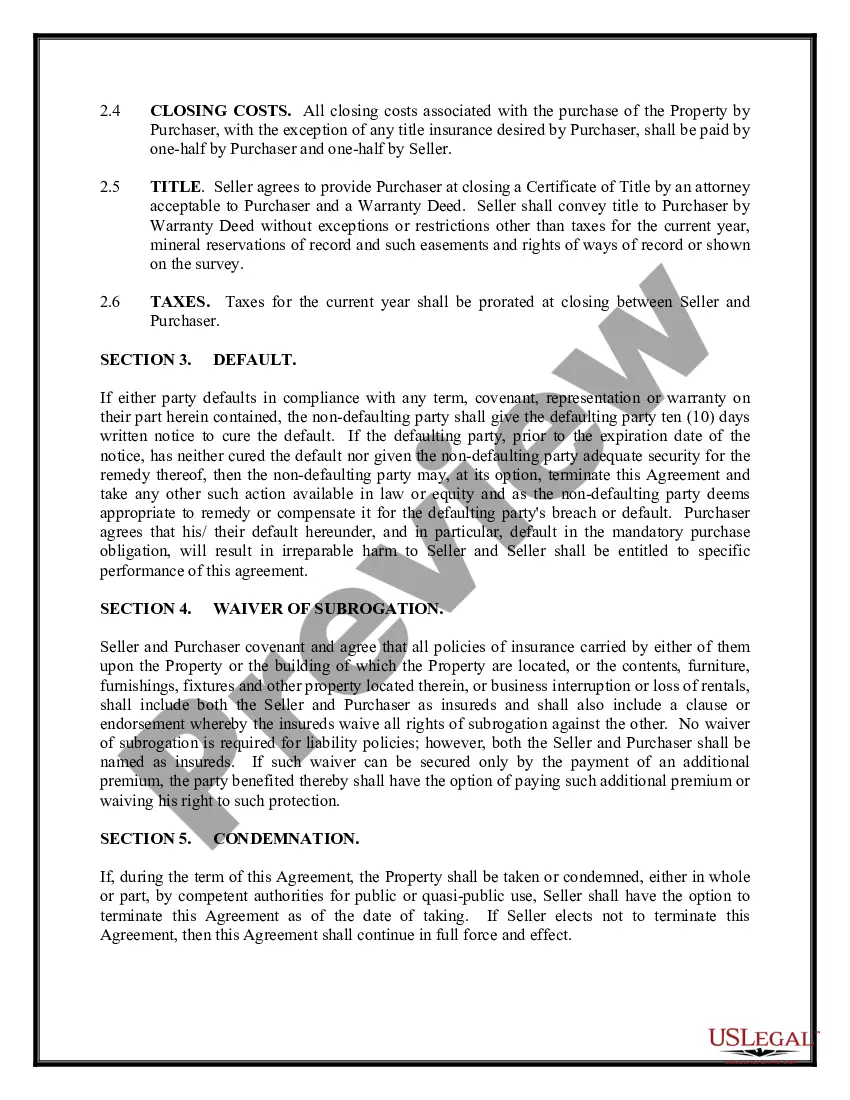
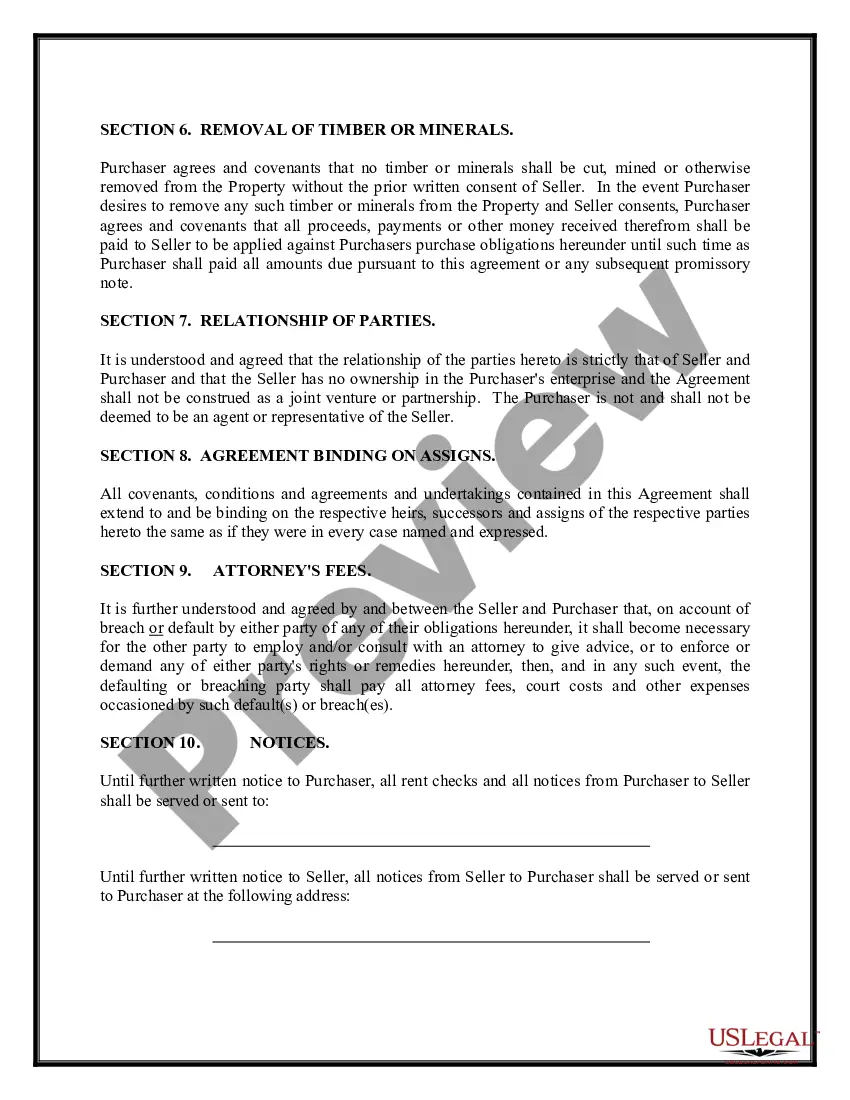
Get your form ready online
Our built-in tools help you complete, sign, share, and store your documents in one place.
Make edits, fill in missing information, and update formatting in US Legal Forms—just like you would in MS Word.
Download a copy, print it, send it by email, or mail it via USPS—whatever works best for your next step.
Sign and collect signatures with our SignNow integration. Send to multiple recipients, set reminders, and more. Go Premium to unlock E-Sign.
If this form requires notarization, complete it online through a secure video call—no need to meet a notary in person or wait for an appointment.
We protect your documents and personal data by following strict security and privacy standards.

Make edits, fill in missing information, and update formatting in US Legal Forms—just like you would in MS Word.

Download a copy, print it, send it by email, or mail it via USPS—whatever works best for your next step.

Sign and collect signatures with our SignNow integration. Send to multiple recipients, set reminders, and more. Go Premium to unlock E-Sign.

If this form requires notarization, complete it online through a secure video call—no need to meet a notary in person or wait for an appointment.

We protect your documents and personal data by following strict security and privacy standards.
Looking for another form?








Form popularity
FAQ
The Texas affidavit of heirship form must be filled out and filed on behalf of a decedent's heir and can not be completed by the heir. Instead, two disinterested parties who know the necessary details about a decedent's family life need to fill out the form.
Once you complete the small estate affidavit and the affidavit of heirship, you must file them with the clerk of the court at the probate court in the county where the deceased was a resident.
1. This form should be completed by someone other than an Heir. This person should be someone who is familiar with the family history of the deceased (decedent), and who will obtain no benefit from the Estate. The person who fills out the form is referred to as the “AFFIANT”.
In Texas, bank accounts generally do not go through probate. This means that if you have a bank account in Texas, your loved ones will not have to go through the hassle and expense of Probate Court in order to access your account after you die.
Procedures: Please e-file all appropriate documents for your case with the Bexar County Probate Clerk's office, including Proposed Orders, Judgments, Affidavits of Heirship, and Proof of Death for review.
Texas law allows executors to sell property without the beneficiaries' approval, which can be necessary to keep the estate solvent. However, this authority comes with the responsibility of ensuring that the sale is conducted in the best interest of the estate.
The first step in this process is to obtain letters testamentary, also known as a letter of testamentary, a document issued by a probate court that provides proof that an individual is an executor and therefore has the authority to act on behalf of the estate.
How can I find out if an executor has been named over a deceased person's estate? In most jurisdiction one can contact the probate court or court that administers estates in that jurisdiction to determine if an estate has been opened for a deceased person or if an executor or personal representative has been appointed.
The will if there is one will show who the executors are and may well show details of bequests to specific individuals or parties or it may not. This will depend on how the deceased drafted their will and the expressions they wanted to make.