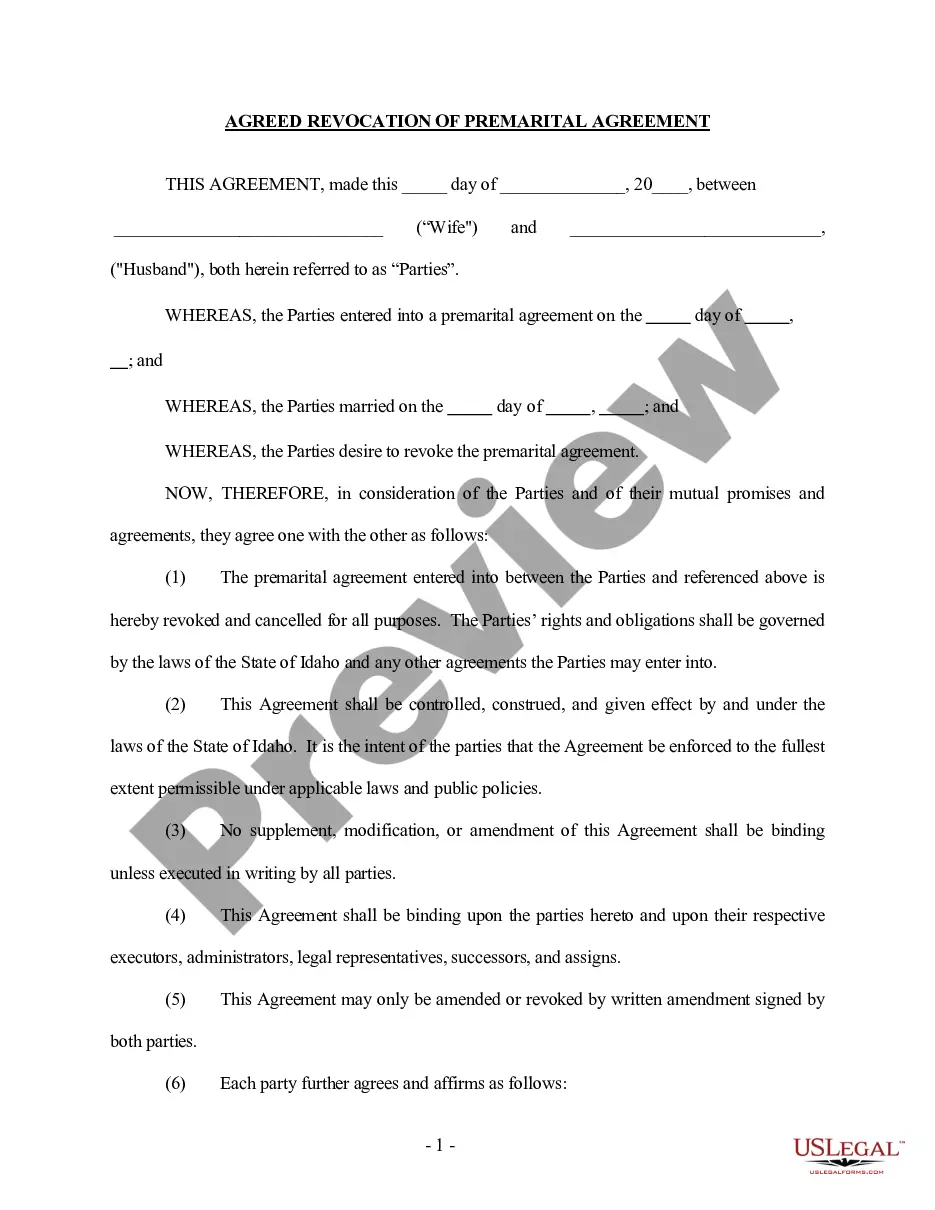
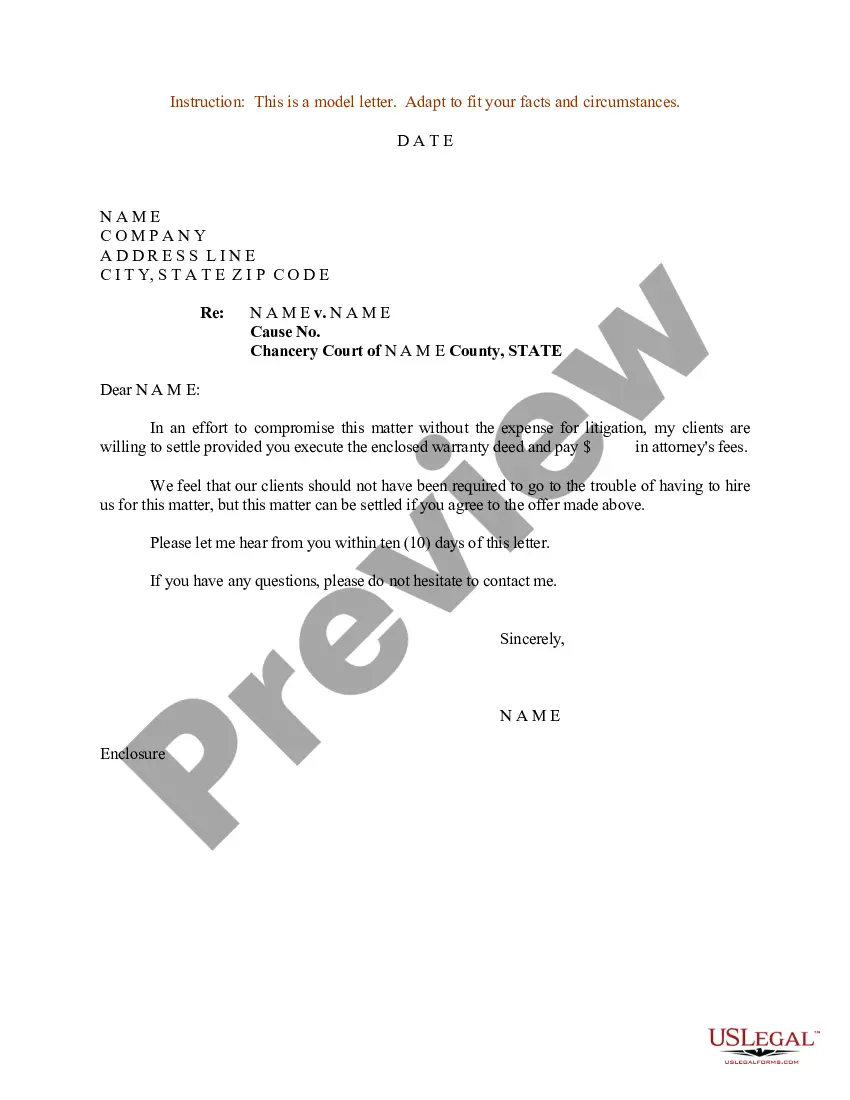
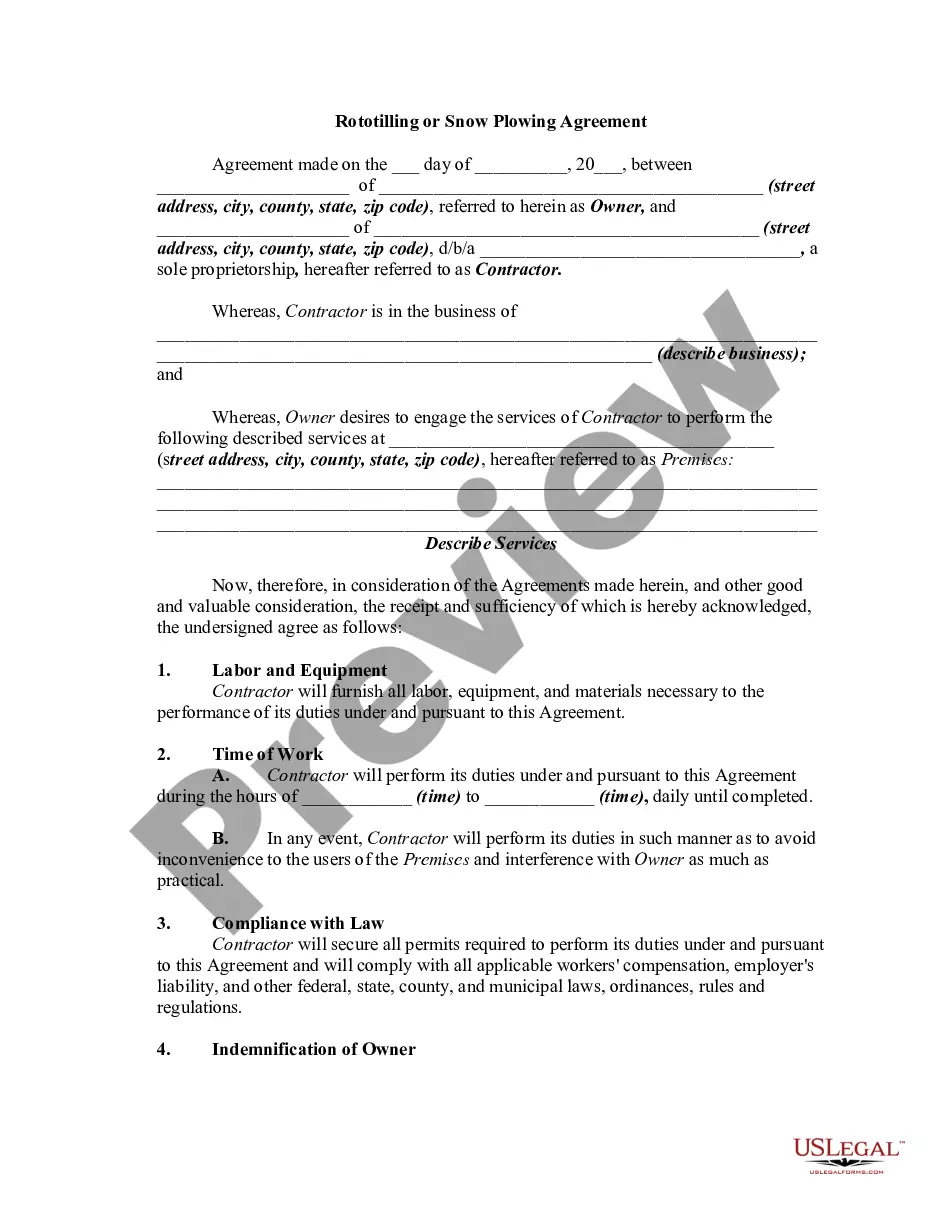
Letters To Lawyers Examples In Utah
Description


Get your form ready online
Our built-in tools help you complete, sign, share, and store your documents in one place.
Make edits, fill in missing information, and update formatting in US Legal Forms—just like you would in MS Word.
Download a copy, print it, send it by email, or mail it via USPS—whatever works best for your next step.
Sign and collect signatures with our SignNow integration. Send to multiple recipients, set reminders, and more. Go Premium to unlock E-Sign.
If this form requires notarization, complete it online through a secure video call—no need to meet a notary in person or wait for an appointment.
We protect your documents and personal data by following strict security and privacy standards.

Make edits, fill in missing information, and update formatting in US Legal Forms—just like you would in MS Word.

Download a copy, print it, send it by email, or mail it via USPS—whatever works best for your next step.

Sign and collect signatures with our SignNow integration. Send to multiple recipients, set reminders, and more. Go Premium to unlock E-Sign.

If this form requires notarization, complete it online through a secure video call—no need to meet a notary in person or wait for an appointment.

We protect your documents and personal data by following strict security and privacy standards.
Looking for another form?








Form popularity
FAQ
The Scales of Justice are perhaps the most familiar symbol associated with the law, symbolizing the impartial deliberation, or "weighing" of two sides in a legal dispute.
The term esquire, or the abbreviation Esq., gets used most frequently in written legal communications. It offers a sign that you have communicated directly with an attorney rather than a legal assistant, paralegal, or someone else within the office. Most often, Esq.
Try to create a clear, comprehensive story of your situation. For example, if it's an event-related incident (e.g. traffic ticket), you should make sure you write down everything that took place, from start to finish, in chronological order. Create a folder of relevant legal documents.
Formatting the Letter Decide whether to follow "full block" or "modified block" format. Write your address. Write the date. Insert your attorney's name and address. Reference your case number. Greet your attorney. Write out the body of the letter. Close the letter.
Here are some tips to keep in mind: Always terminate the relationship in writing. Even if you fire your attorney in a verbal exchange, you should follow up by sending a written termination letter. Get to the point. Be firm. Be polite. Ask for a copy of your case file.
If you are referring to a lawyer in a professional setting the best title is counselor. If you are looking for the appropriate suffix it is Esquire or Esq. which states they are a practicing attorney. JD is the title for the degree and only used for academics or in in non legal situations.
Basic Format: The most common format is to use their first name and last name, followed by their professional designation. For example, "John Doe, Esq." or "Jane Smith, Attorney at Law." Including Professional Titles:Esquire (Esq.): In the United States, many lawyers use "Esq." after t.
In the United States, esquire (often shortened to Esq.) is a title of courtesy, given to a lawyer and commonly appended to his/her surname (e.g., John Smith, Esq. or John Smith, Esquire) when addressing the lawyer in written form.
Explain your case briefly but provide enough detail to give a clear picture of your legal issue. Be Honest: Full disclosure is crucial. Be honest about all aspects of your case, including any actions you've taken and any communication with other parties involved.
A clear statement of your complaint. This should be towards the top of your letter and should lay out exactly why you are dissatisfied. For example, if you believe the lawyer has lied to you, clearly state that you believe they have been dishonest. An easily understood statement of facts that back up your complaint.