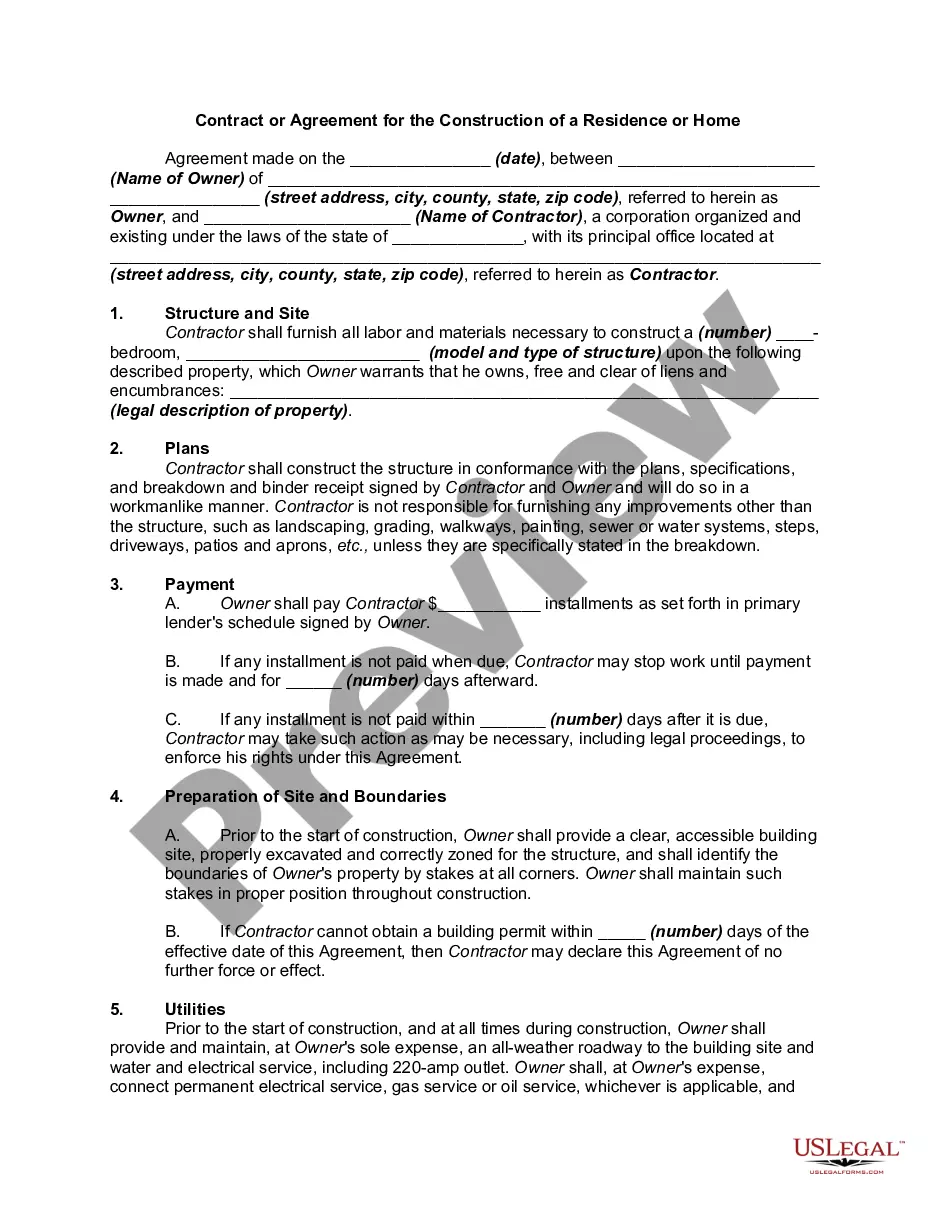
Opposing Counsel And In Suffolk
Description


Get your form ready online
Our built-in tools help you complete, sign, share, and store your documents in one place.
Make edits, fill in missing information, and update formatting in US Legal Forms—just like you would in MS Word.
Download a copy, print it, send it by email, or mail it via USPS—whatever works best for your next step.
Sign and collect signatures with our SignNow integration. Send to multiple recipients, set reminders, and more. Go Premium to unlock E-Sign.
If this form requires notarization, complete it online through a secure video call—no need to meet a notary in person or wait for an appointment.
We protect your documents and personal data by following strict security and privacy standards.

Make edits, fill in missing information, and update formatting in US Legal Forms—just like you would in MS Word.

Download a copy, print it, send it by email, or mail it via USPS—whatever works best for your next step.

Sign and collect signatures with our SignNow integration. Send to multiple recipients, set reminders, and more. Go Premium to unlock E-Sign.

If this form requires notarization, complete it online through a secure video call—no need to meet a notary in person or wait for an appointment.

We protect your documents and personal data by following strict security and privacy standards.
Looking for another form?


Form popularity
FAQ
A motion may be withdrawn at any time prior to its return date by filing with the clerk a written request signed by counsel for the moving party.
The return date is the court date. The party making the motion chooses the court date and puts it in the Notice of Motion so everyone knows when to come to court. NYSCEF wants to know the court date and has a calendar button to find the court date you picked.
The written response must be made within 20 days of personal service, or within 30 days of the time when service by any other means is complete. If the defendant fails to respond he or she is in default and plaintiff may be able to obtain a default judgment against the defendant.
The Order to Show Cause often contains a direction to the parties that they stop some specific activity until the court hears or decides the motion. The Order to Show Cause is supported by an "Affidavit in Support," and copies of any documents that support the request and would help the judge make a decision.
Motions made by notice of motion and petitions and notices of petition in special proceedings are processed by the General Clerk's Office (Room 119) and are to be made returnable in the Motion Submission Part Courtroom (Room 130) on any business day of the week at AM.
8 Tips for Dealing with Difficult Opposing Counsel Point out Common Ground. Don't be Afraid to Ask Why. Separate the Person from the Problem. Focus on your Interests. Don't Fall for your Assumptions. Take a Calculated Approach. Control the Conversation by Reframing. Pick up the Phone.
Where are motions returnable? Motions are returnable to 851 Grand Concourse Bronx, New York 10451 in room 217.
Unless otherwise ordered by the judge or specified in the judge's individual rules of practice, opposition to most motions must be filed within 14 calendar days after you are served with the motion papers.
Generally speaking, in the US, an opposing attorney does not owe you a duty that would give rise to a claim for legal malpractice. You might have some other claim against them, but not malpractice.
What is a lawyer against you called? “Opposing counsel” or, for short, “OC.” Depending on the matter, it can also be “plaintiff's counsel,” “attorney for the plaintiff,” “defense counsel,” “attorney for the defendant,” “attorney for the petitioner,” “attorney for the respondent,” ad infinitum.