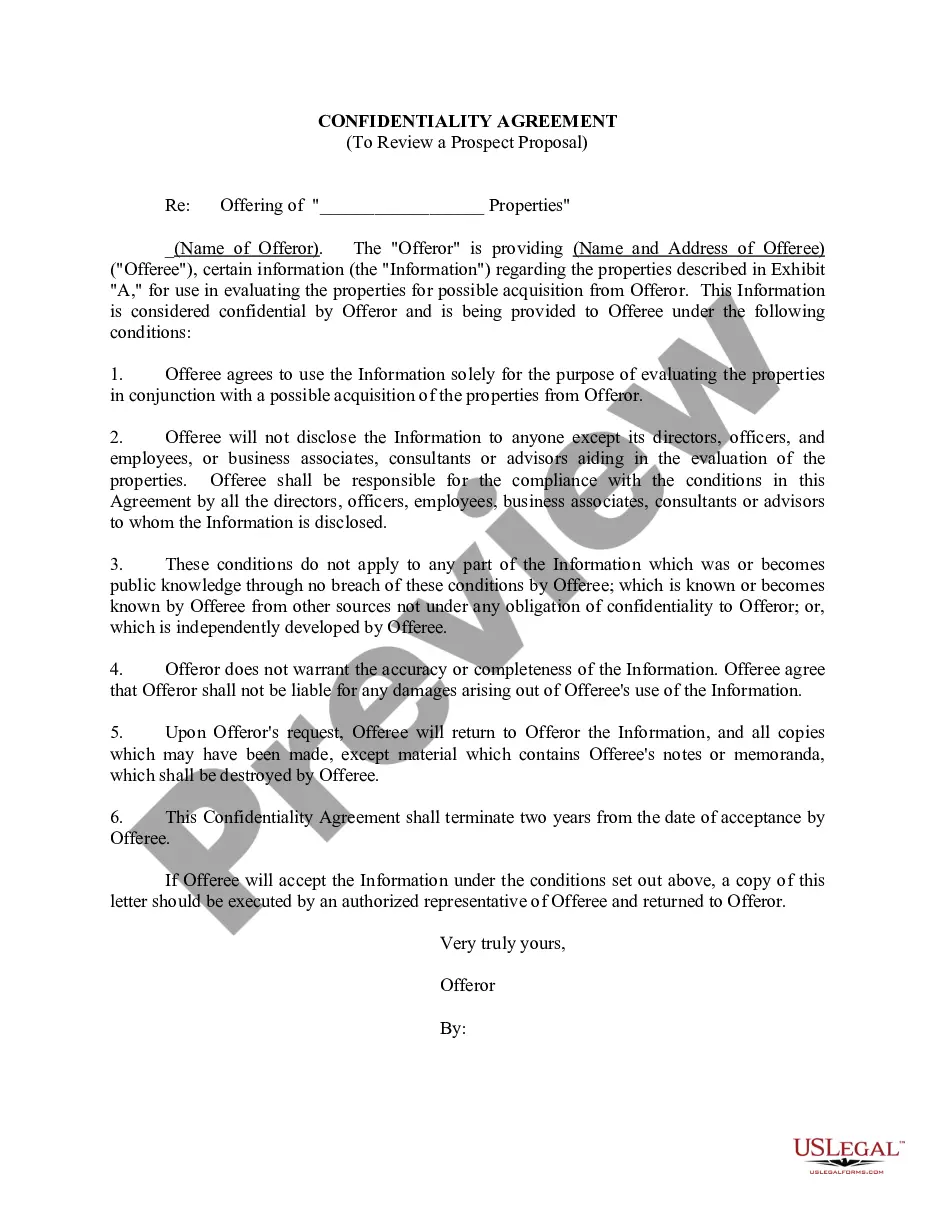
Suing Opposing Counsel For Malpractice In Nevada
Description


Get your form ready online
Our built-in tools help you complete, sign, share, and store your documents in one place.
Make edits, fill in missing information, and update formatting in US Legal Forms—just like you would in MS Word.
Download a copy, print it, send it by email, or mail it via USPS—whatever works best for your next step.
Sign and collect signatures with our SignNow integration. Send to multiple recipients, set reminders, and more. Go Premium to unlock E-Sign.
If this form requires notarization, complete it online through a secure video call—no need to meet a notary in person or wait for an appointment.
We protect your documents and personal data by following strict security and privacy standards.

Make edits, fill in missing information, and update formatting in US Legal Forms—just like you would in MS Word.

Download a copy, print it, send it by email, or mail it via USPS—whatever works best for your next step.

Sign and collect signatures with our SignNow integration. Send to multiple recipients, set reminders, and more. Go Premium to unlock E-Sign.

If this form requires notarization, complete it online through a secure video call—no need to meet a notary in person or wait for an appointment.

We protect your documents and personal data by following strict security and privacy standards.
Looking for another form?








Form popularity
FAQ
Winning a medical malpractice claim can prove very difficult. However, that does not mean that you cannot win. If you suffered a serious injury due to the negligence of a medical care provider, you deserve compensation for those losses.
To establish causation you need to have a mechanism and an underlying theory that explains the phenomena, eg gravity for things falling. Even then causation is very hard to achieve, perhaps impossible, since at the end of the day it's always a correlation of experimental observations.
The general rule is simple: Non-clients generally cannot sue lawyers who did not represent them. This standard, called the privity rule, finds its footing in the definition of legal malpractice.
FAQs A: Crimes against minors, white collar crimes, and first-degree murder are sometimes the hardest cases to defend. A: The hardest crime to prove is often white collar crime, such as fraud.
Proving causation is often the most difficult element of a medical malpractice case. However, it is not impossible. With the help of an experienced medical malpractice lawyer, plaintiffs may be able to overcome the challenges of proving causation and win their cases.
For malpractice-related injuries and deaths occurring before October 1, 2023, a malpractice lawsuit must be filed within the earlier of three years from the date of the injury or one year from the date the plaintiff discovered (or should have discovered) the injury.
Then, you have to show the court that the doctor's actions or inactions were the direct cause of your illness and that your health was damaged as a direct result. Of those four components, causation is often the hardest element to prove in court.
Conclusion. Proving causation is often the most difficult element of a medical malpractice case. However, it is not impossible.
The general rule is simple: Non-clients generally cannot sue lawyers who did not represent them. This standard, called the privity rule, finds its footing in the definition of legal malpractice.
The injured patient must show that the physician acted negligently in rendering care, and that such negligence resulted in injury. To do so, four legal elements must be proven: (1) a professional duty owed to the patient; (2) breach of such duty; (3) injury caused by the breach; and (4) resulting damages.