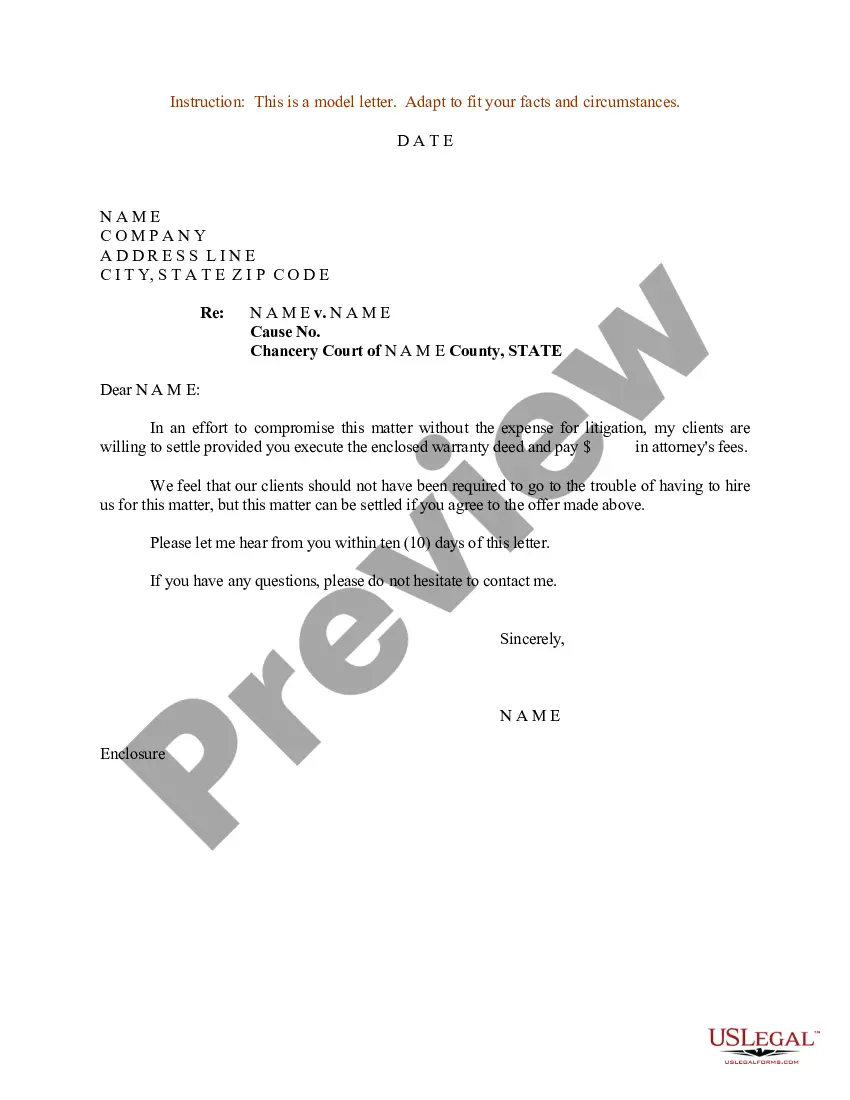
Sample Letter To Opposing Counsel With Settlement Offer In Maryland
Description





Form popularity
FAQ
When you are emailing the opposing counsel, always be mindful of your tone, words, and spelling. Double-check and then check again before entering an email address in the “To:” line and hitting “send.” Make copies of all correspondence and never copy or blind carbon copy your client in emails with the opposing counsel.
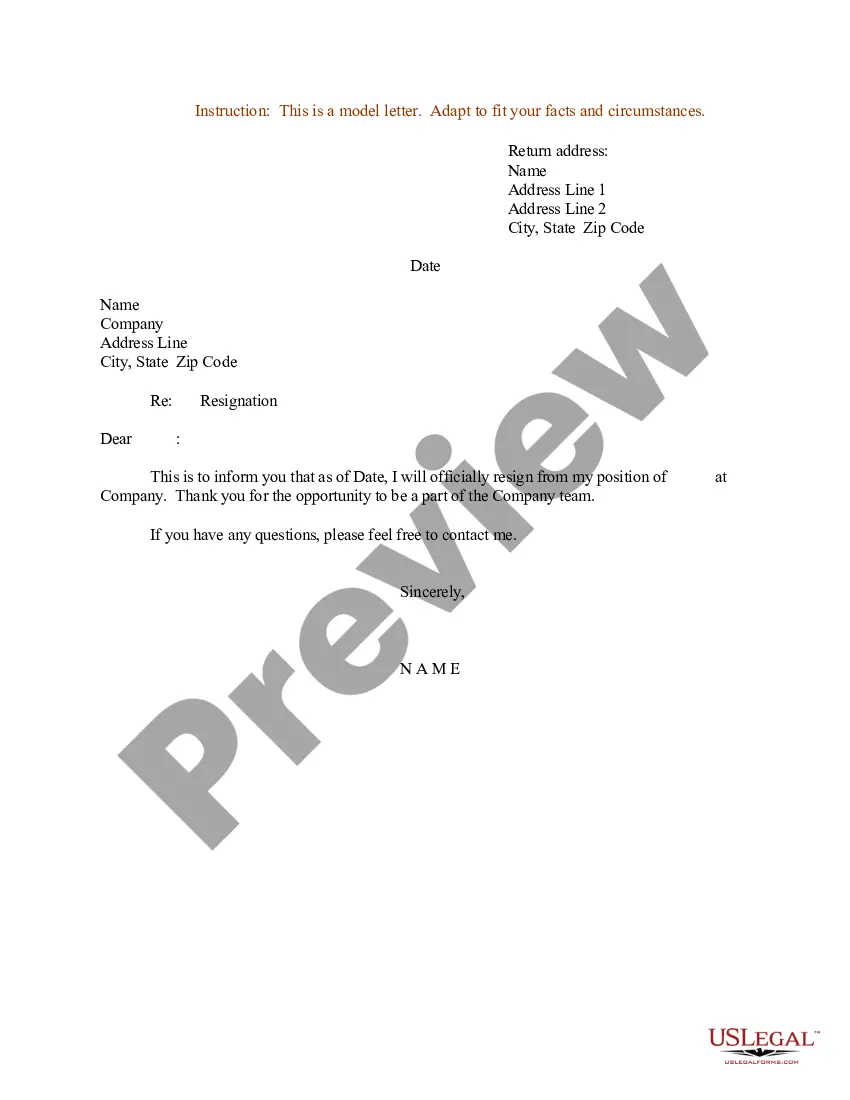
Date letter sent Your name, printed Your street address. Dear : Print name of the other party's lawyer (opposing counsel).
Try to Be Cooperative. To that end, create an accommodating tone at the beginning of your dealings with the other attorney. If you set that tone, you may see a measure of reciprocal, even pleasant behavior.
Date letter sent Your name, printed Your street address. Dear : Print name of the other party's lawyer (opposing counsel).
Use Mr./Ms. last name for the initial email. When opposing counsel responds and signs off with a first name (e.g., "Nick"), use that going forward. ? To address a group of opposing counsel, go with "Counsel." If you find these tips helpful, please follow Nick Bullard and click the ? to get my next tip.
Use Mr./Ms. last name for the initial email. When opposing counsel responds and signs off with a first name (e.g., "Nick"), use that going forward. ? To address a group of opposing counsel, go with "Counsel." If you find these tips helpful, please follow Nick Bullard and click the ? to get my next tip.
Speaking to the employee involved about the issues and the proposal of settlement can be a helpful first step. Putting an offer in writing can help prevent misunderstandings. A written offer would usually outline the proposed terms of an agreement – for example, what the proposed compensation might be.
Treat the following as a set of general guidelines: Gather complete information before you start writing. Describe your injuries and medical treatment. List your medical expenses, lost wages, and non-economic damages. Make a settlement demand. Include a deadline for legal action if you want to, but don't bluff.
A final demand letter (before legal action) is a crucial step in the debt recovery process. It's your definitive attempt at resolution before considering legal action. While the Internet is flooded with templates and how-tos, the real power of a final demand letter lies in its strategic execution.
Key Elements of a Claim Settlement Letter Policyholder's Information: Name and policy number. Claim Details: Reference number and details of the claim. Settlement Amount: The total amount agreed upon for settlement. Terms and Conditions: Any terms related to the settlement, including payment methods and timelines.