Non-Disclosure Agreement for Designers
What is this form?
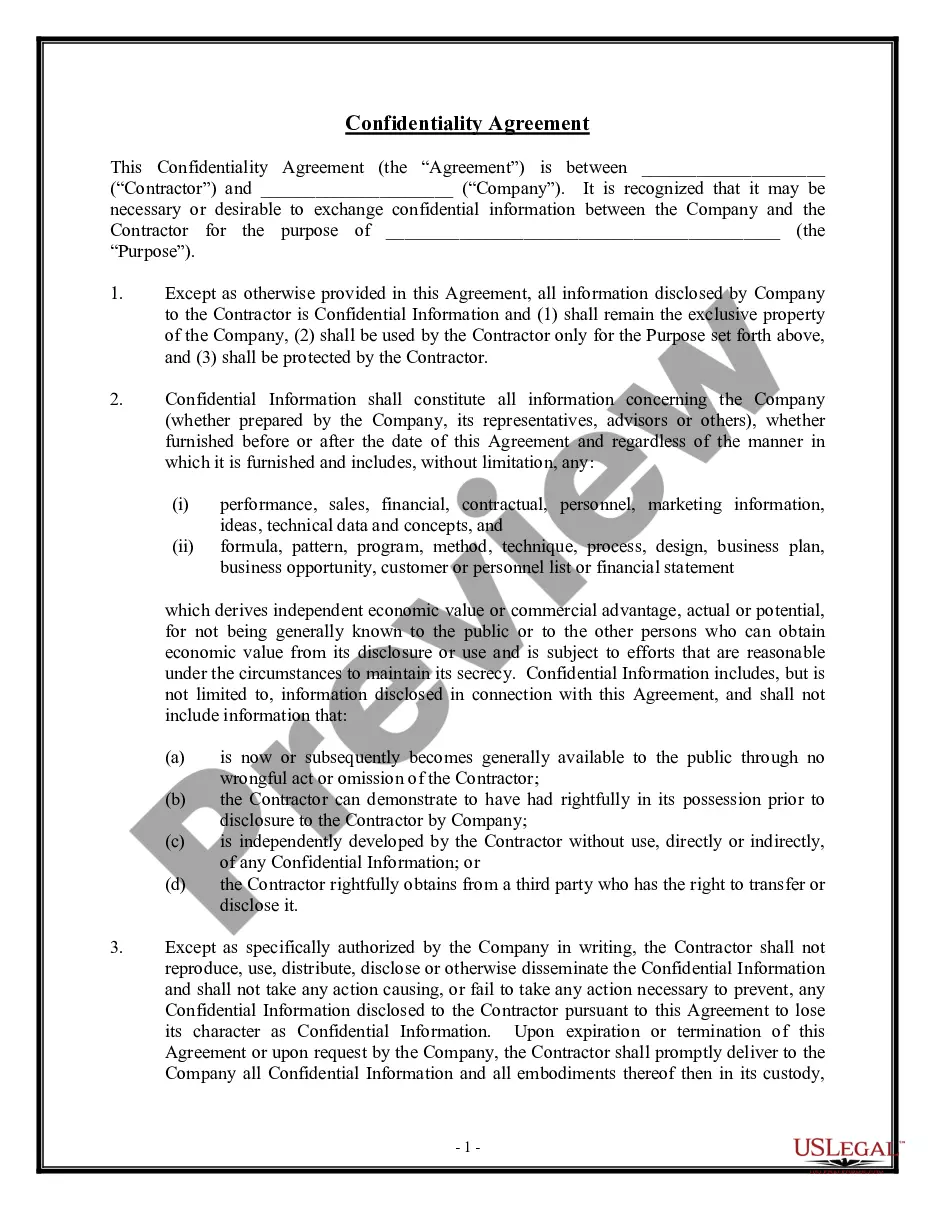
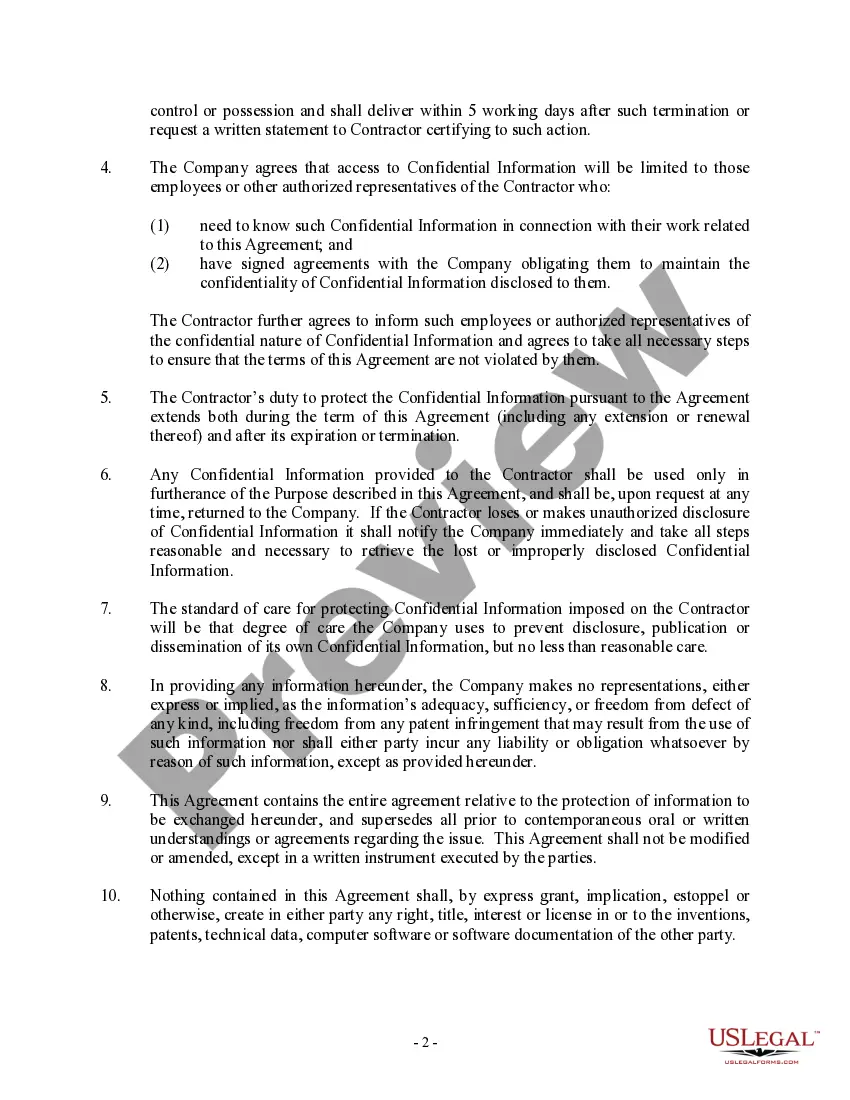
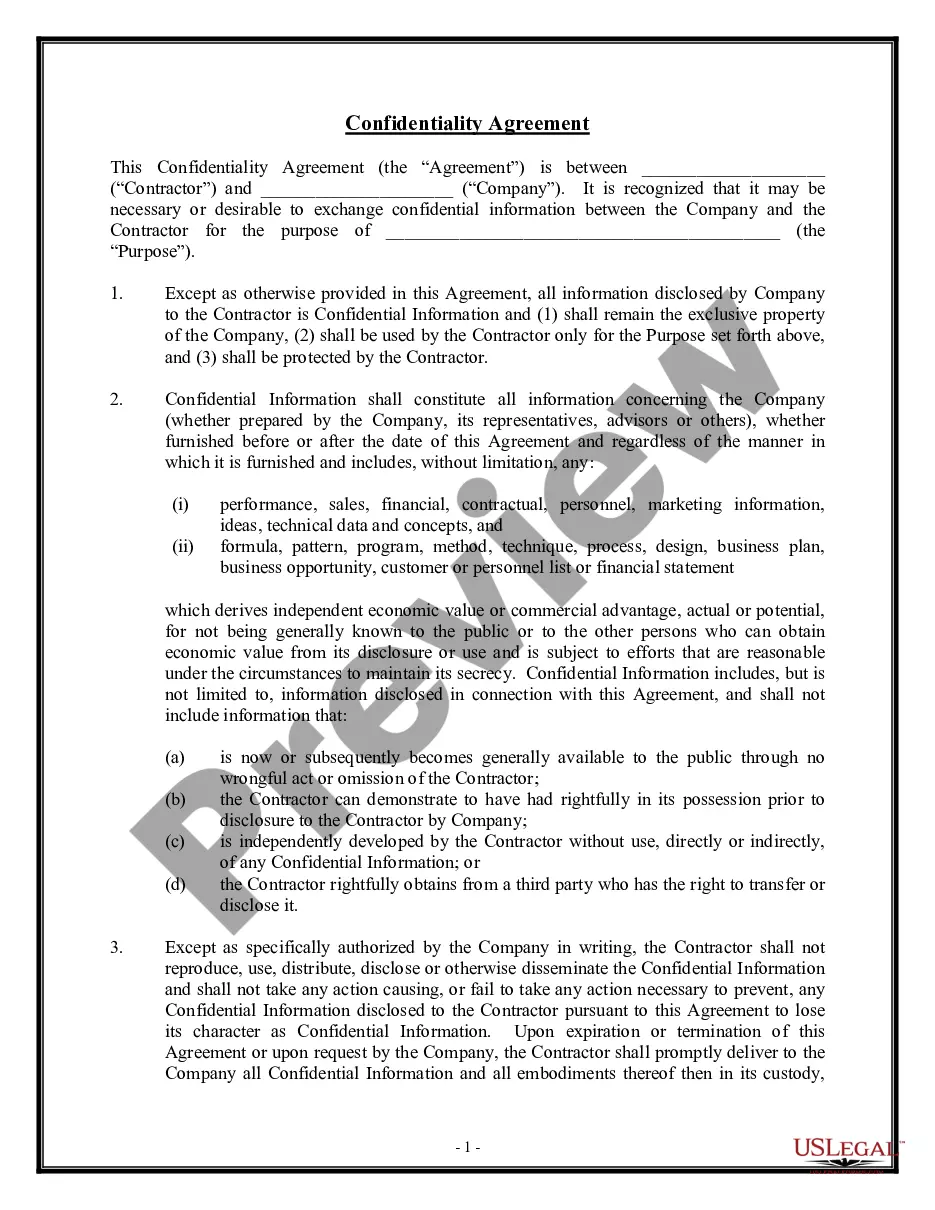
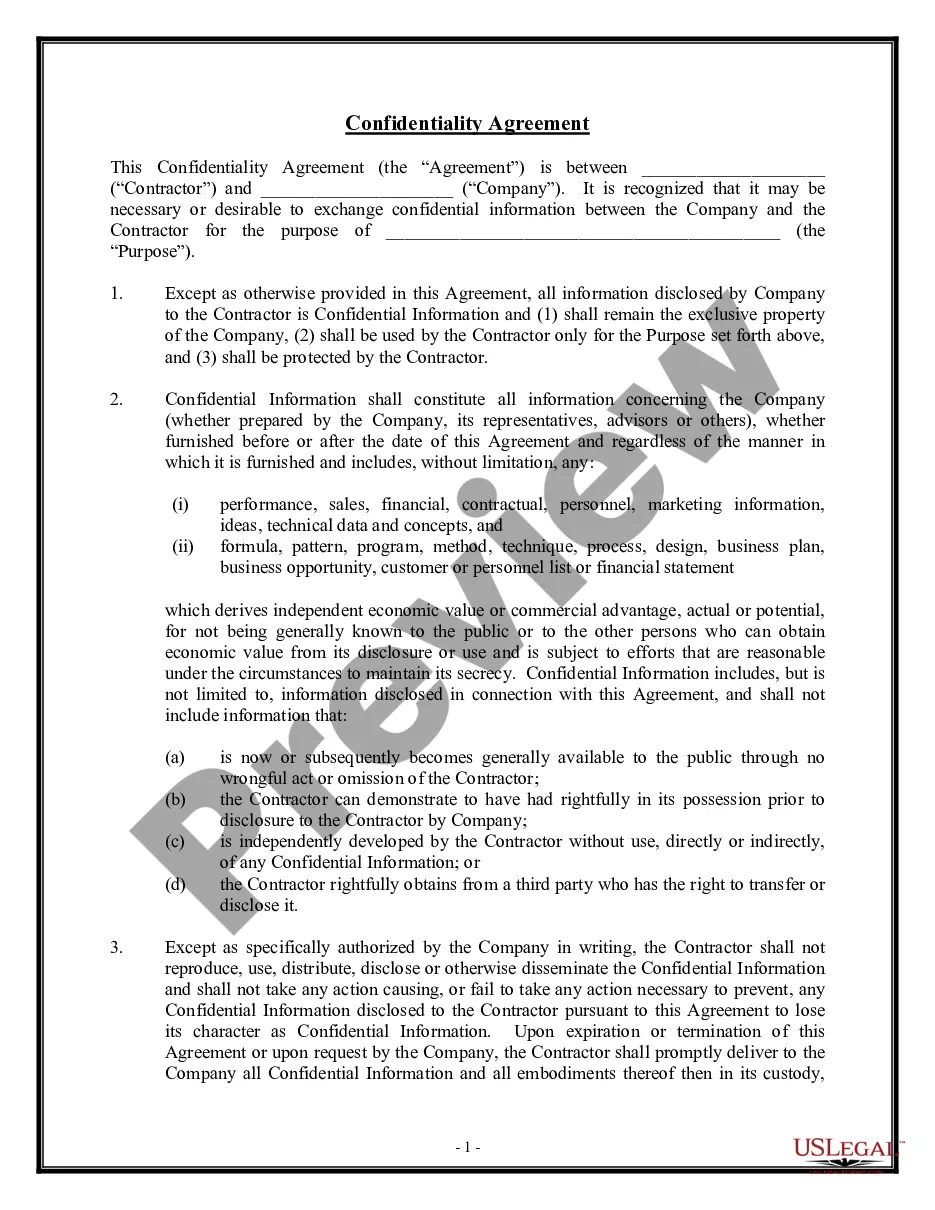
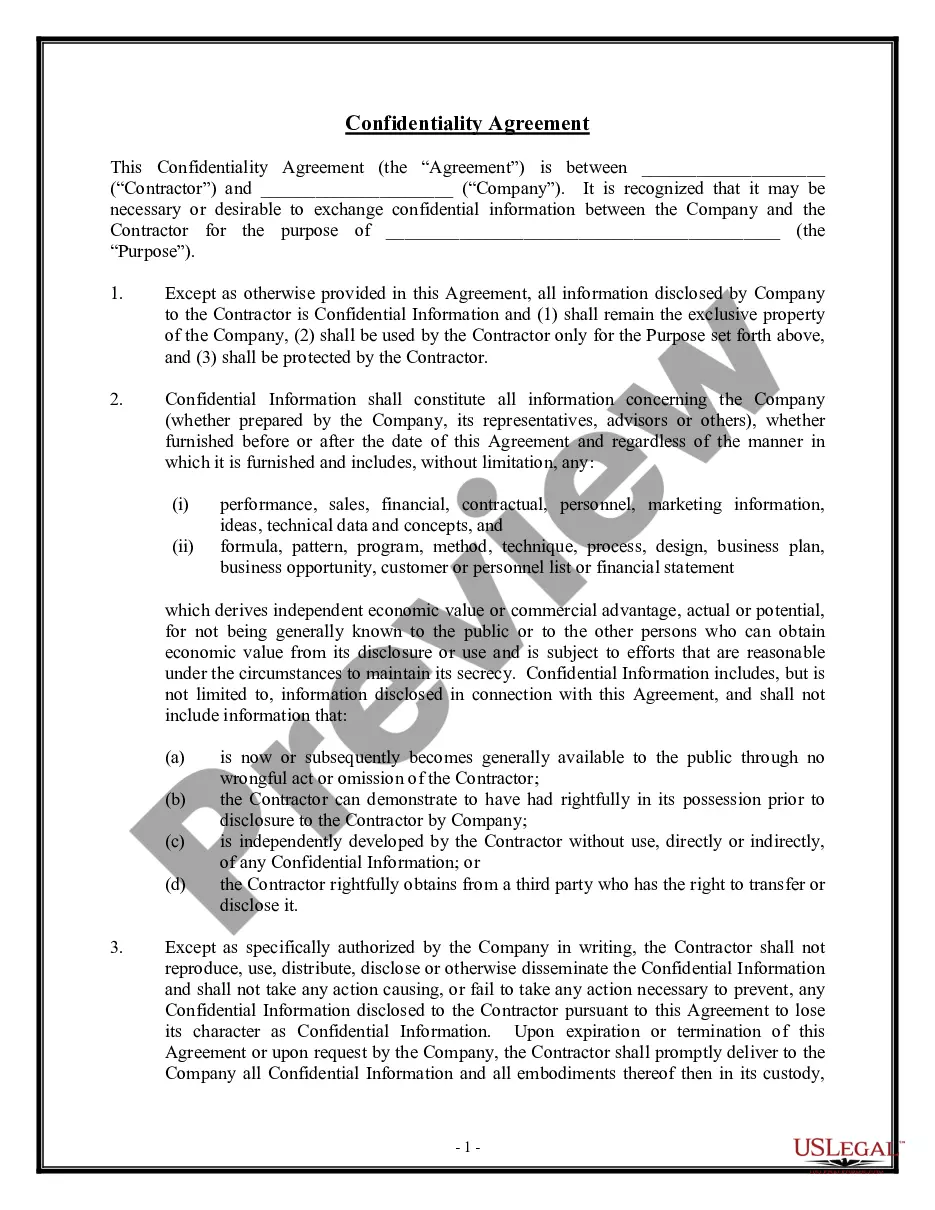
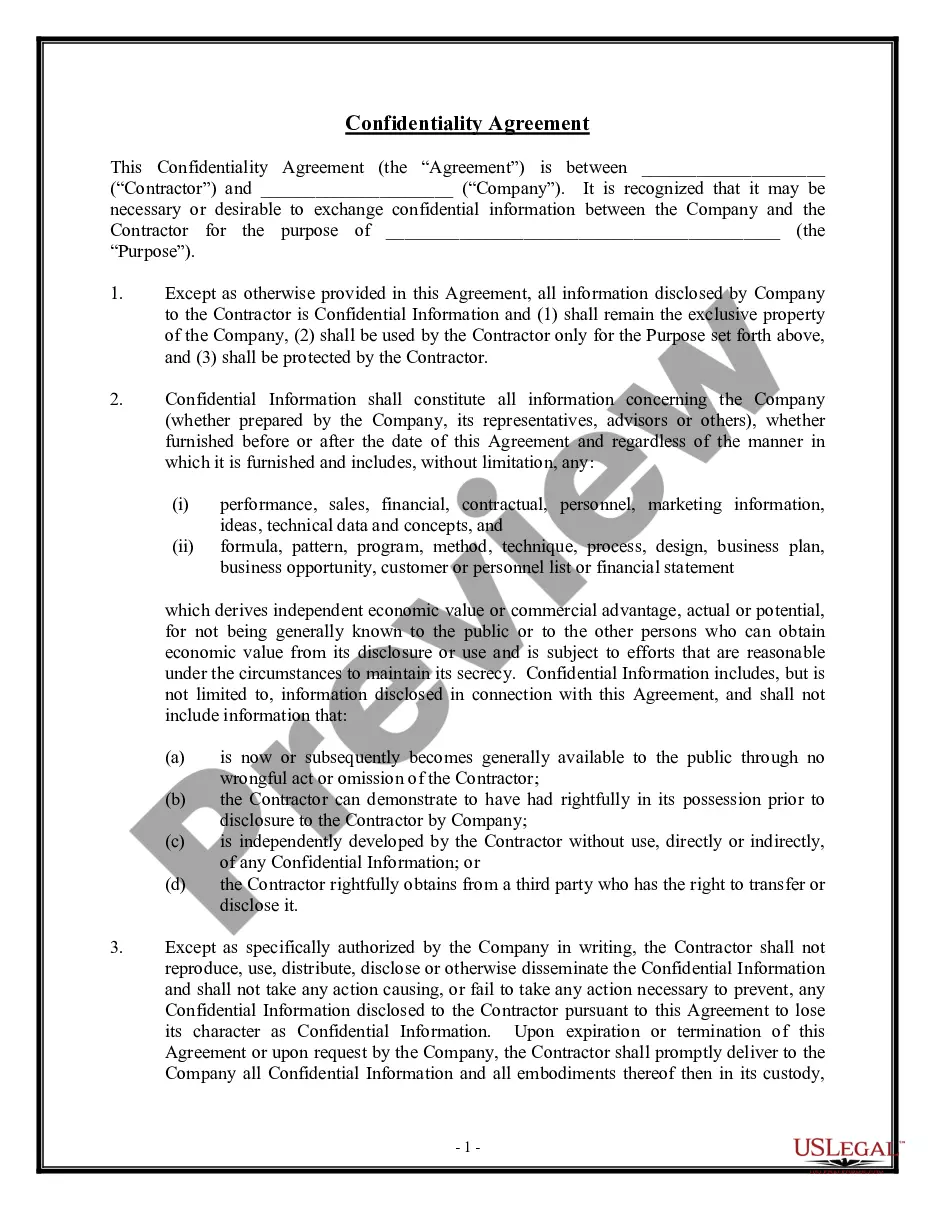
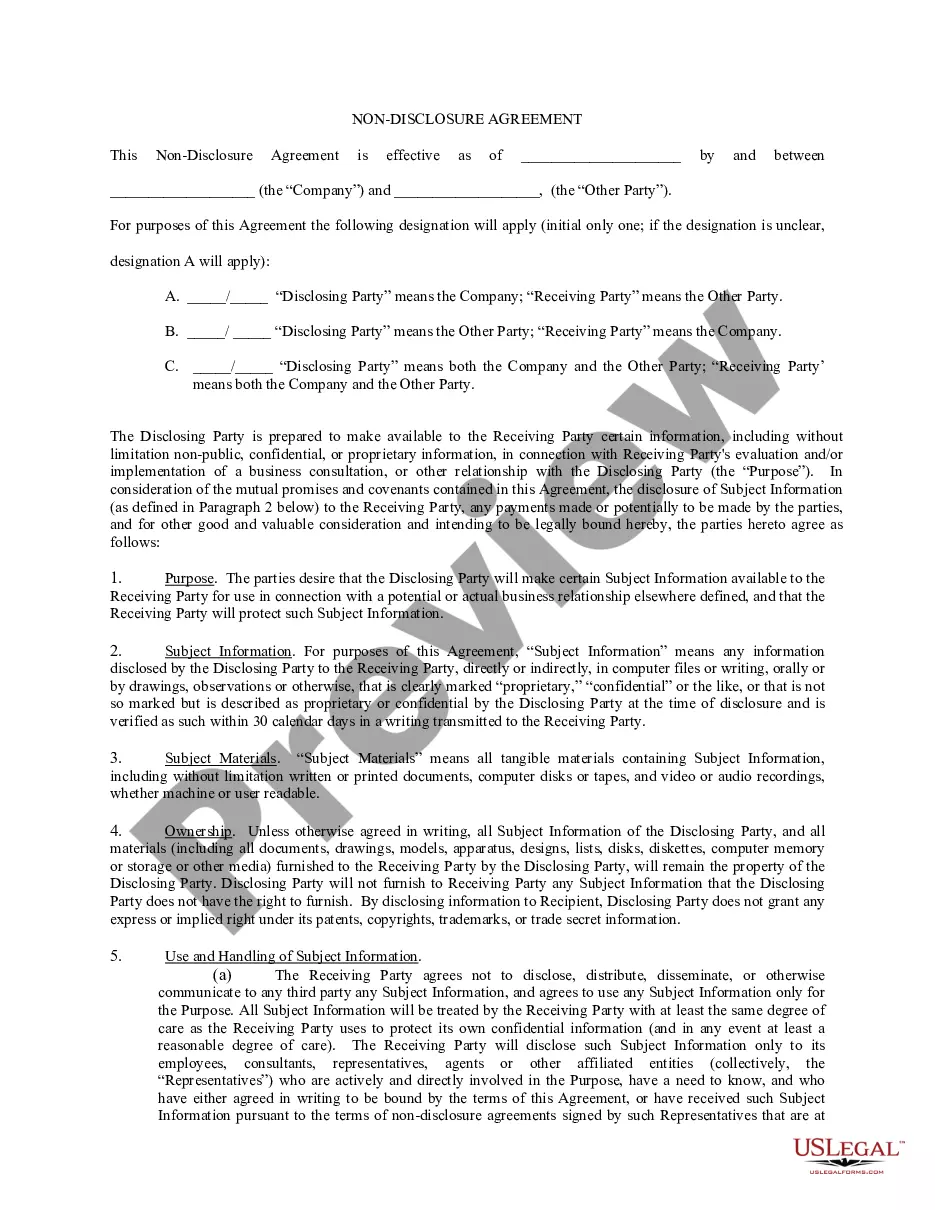
The Non-Disclosure Agreement for Designers is a legal document designed to protect confidential information exchanged between a contractor and a company during their collaboration. This agreement ensures that sensitive information, including design concepts and business strategies, remains private and is used solely for the purposes defined in the contract. It differs from other confidentiality agreements by catering specifically to the design industry, addressing the unique needs and concerns of designers working with companies.
Form components explained
- Identification of parties involved: Contractor and Company.
- Definition of what constitutes Confidential Information.
- Obligations of the Contractor to protect the confidentiality of the information.
- Conditions under which Confidential Information can be disclosed or must be returned.
- Duration of confidentiality obligations after the agreement ends.
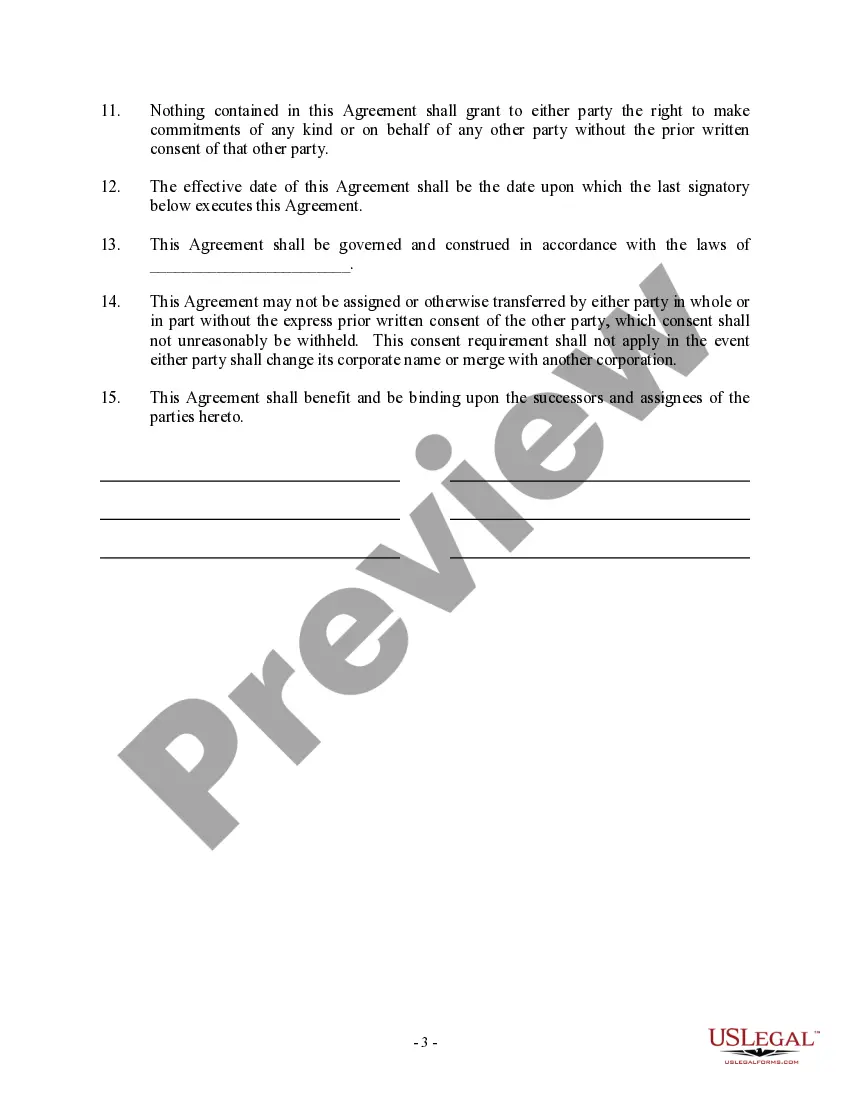
- Governing law and jurisdiction for the agreement.
When this form is needed
This form should be used when a designer is entering into a partnership with a company and needs to share proprietary information related to design concepts, marketing strategies, or business plans. It is essential when the designer will have access to confidential material that could impact the company's competitive advantage or profitability. This agreement helps establish clear boundaries regarding the handling of sensitive information throughout the collaboration.
Who this form is for
- Freelance designers engaging with companies on projects.
- Design agencies entering partnerships with clients.
- Companies looking to protect their confidential information when collaborating with independent contractors.
- Businesses in need of safeguarding proprietary information in joint ventures.
Completing this form step by step
- Identify the parties by entering the names of the contractor and the company.
- Clearly state the purpose for which confidential information is being exchanged.
- Detail any specific information that is considered confidential.
- Review and confirm the obligations regarding the handling and protection of confidential information.
- Specify the governing law applicable to the agreement.
- Have both parties sign and date the agreement to make it enforceable.
Does this document require notarization?
This form does not typically require notarization unless specified by local law. It is essential to verify if additional notarization is needed based on your specific jurisdiction before using this document.
Get your form ready online
Our built-in tools help you complete, sign, share, and store your documents in one place.
Make edits, fill in missing information, and update formatting in US Legal Forms—just like you would in MS Word.
Download a copy, print it, send it by email, or mail it via USPS—whatever works best for your next step.
Sign and collect signatures with our SignNow integration. Send to multiple recipients, set reminders, and more. Go Premium to unlock E-Sign.
If this form requires notarization, complete it online through a secure video call—no need to meet a notary in person or wait for an appointment.
We protect your documents and personal data by following strict security and privacy standards.

Make edits, fill in missing information, and update formatting in US Legal Forms—just like you would in MS Word.

Download a copy, print it, send it by email, or mail it via USPS—whatever works best for your next step.

Sign and collect signatures with our SignNow integration. Send to multiple recipients, set reminders, and more. Go Premium to unlock E-Sign.

If this form requires notarization, complete it online through a secure video call—no need to meet a notary in person or wait for an appointment.

We protect your documents and personal data by following strict security and privacy standards.
Mistakes to watch out for
- Failing to clearly define what constitutes Confidential Information.
- Not specifying the purpose of information sharing, which can lead to misuse.
- Neglecting to include a clear timeline for confidentiality obligations.
- Not obtaining written consent for information disclosure, if necessary.
Why complete this form online
- Convenient access to downloadable templates anytime, anywhere.
- Editable forms that allow customization to fit specific agreements.
- Reliability of attorney-drafted documents for legal protection.
Looking for another form?
Form popularity
FAQ
NDAs are legally enforceable contracts, but they're now coming under increased scrutiny from lawmakers, attorneys and legal experts.Companies often use them as part of an employment contract or settlement agreement to protect sensitive information like trade secrets.
No, it is not necessary for the nondisclosure agreement to be "notarized", nor is it necessary under California law for the signatures on such an agreement to be "witnessed".
Publicly available information. Information you already possess or may acquire on your own. Information you can prove you learned of independent of the protected information provided for under the NDA. Information received by a 3rd party source.
Identification of the parties. Definition of what is deemed to be confidential. The scope of the confidentiality obligation by the receiving party. The exclusions from confidential treatment. The term of the agreement.
A definition of confidential information. Who is involved. Why the recipient knows the information. Exclusions or limits on confidential information. Receiving party's obligations. Time frame or term. Discloser to the recipient.
Non-disclosure agreements are an important legal framework used to protect sensitive and confidential information from being made available by the recipient of that information. Companies and startups use these documents to ensure that their good ideas won't be stolen by people they are negotiating with.
NDAs keep people from sharing trade secrets, proprietary knowledge, client information, product information, and strategic plans. NDAs keep people from making a profit on any secret company information. NDAs usually say that a company owns things that get developed or produced during someone's employment.
The cold hard truth is that most NDAs do not hold up in court. Non-Disclosure Agreements are most effective in establishing a paper trail of confidential information as it relates to partnerships, and discouraging partners from misappropriating proprietary information.
The NDA should clearly state the start and end date for the period of time in which the information may be exchanged between the parties. For example, you may wish to trade confidential information only at the start of the business collaboration. State the dates specifically.