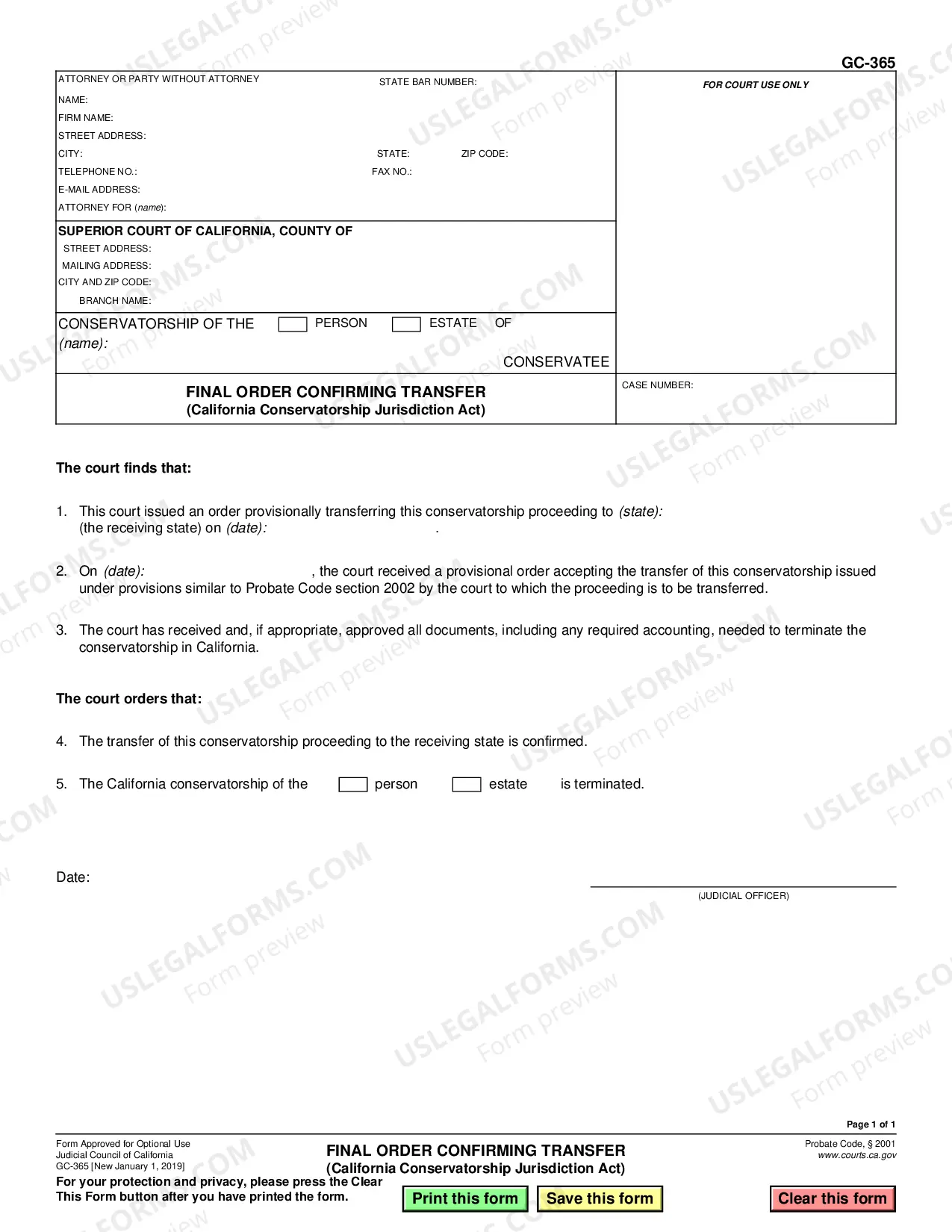
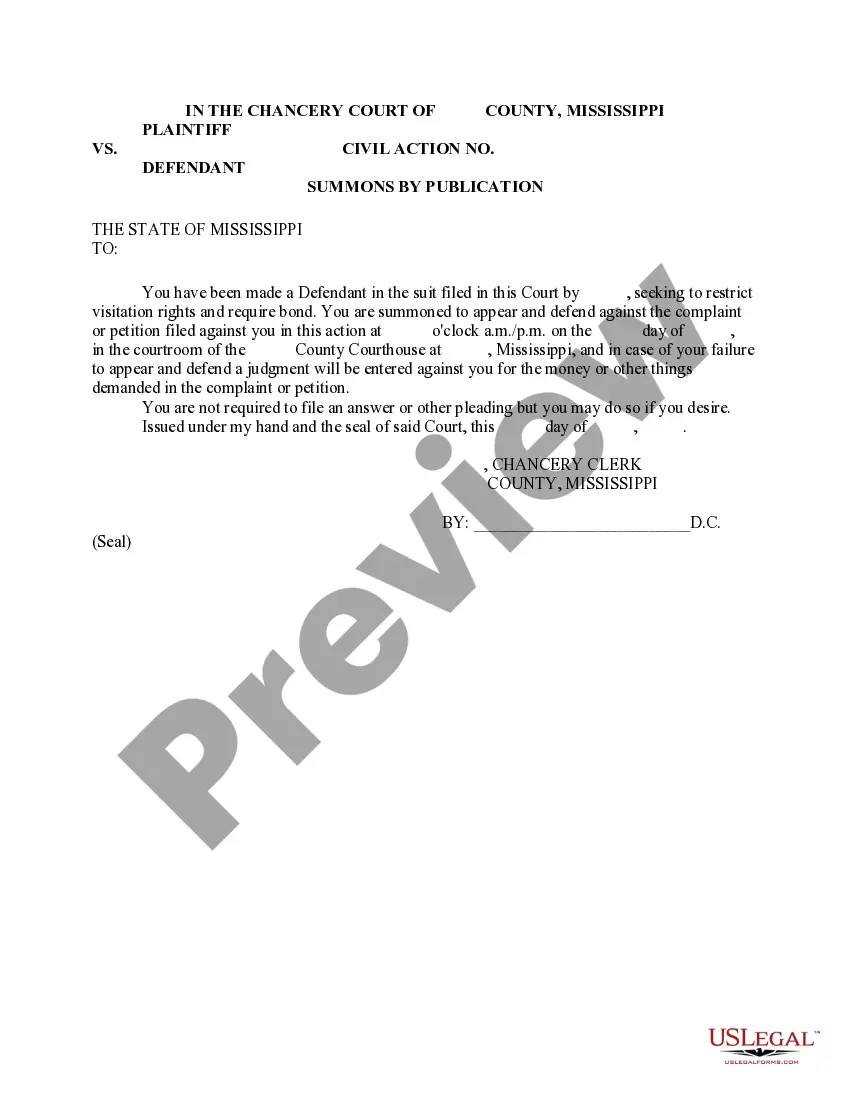
Mississippi Summons by Publication to Appear - Response Not Required
About this form
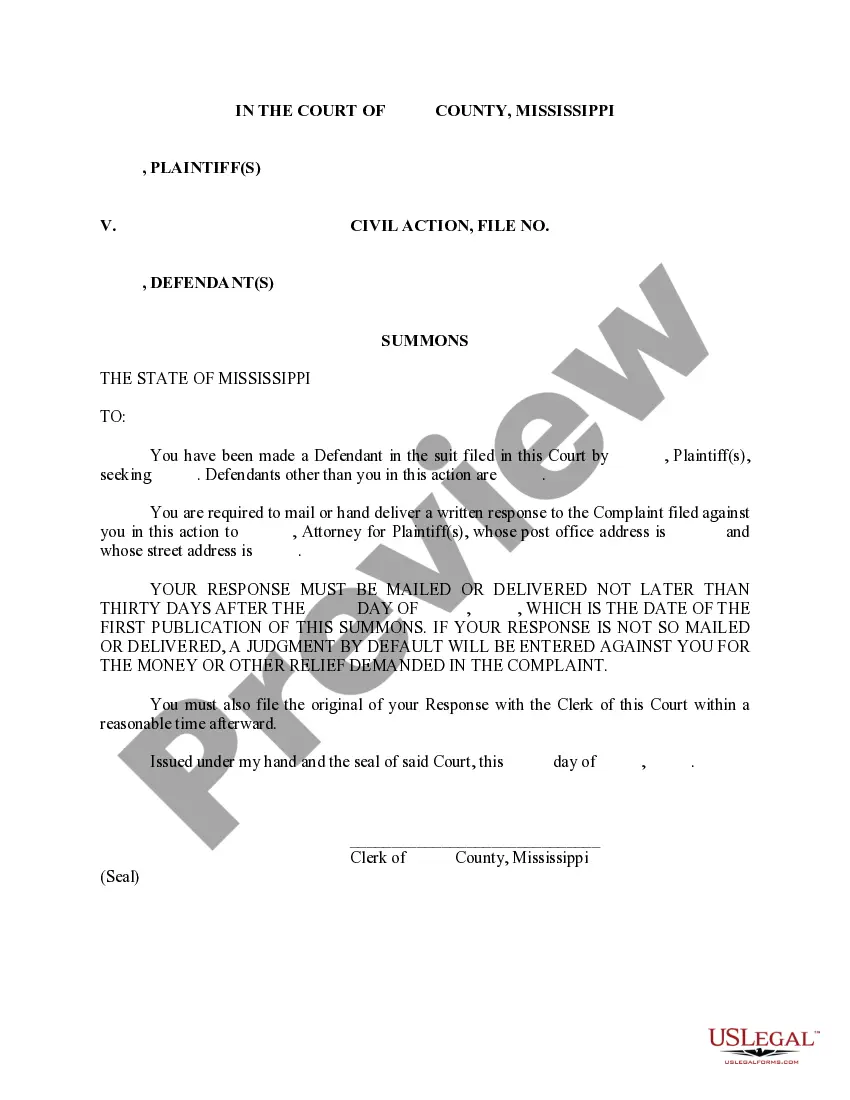
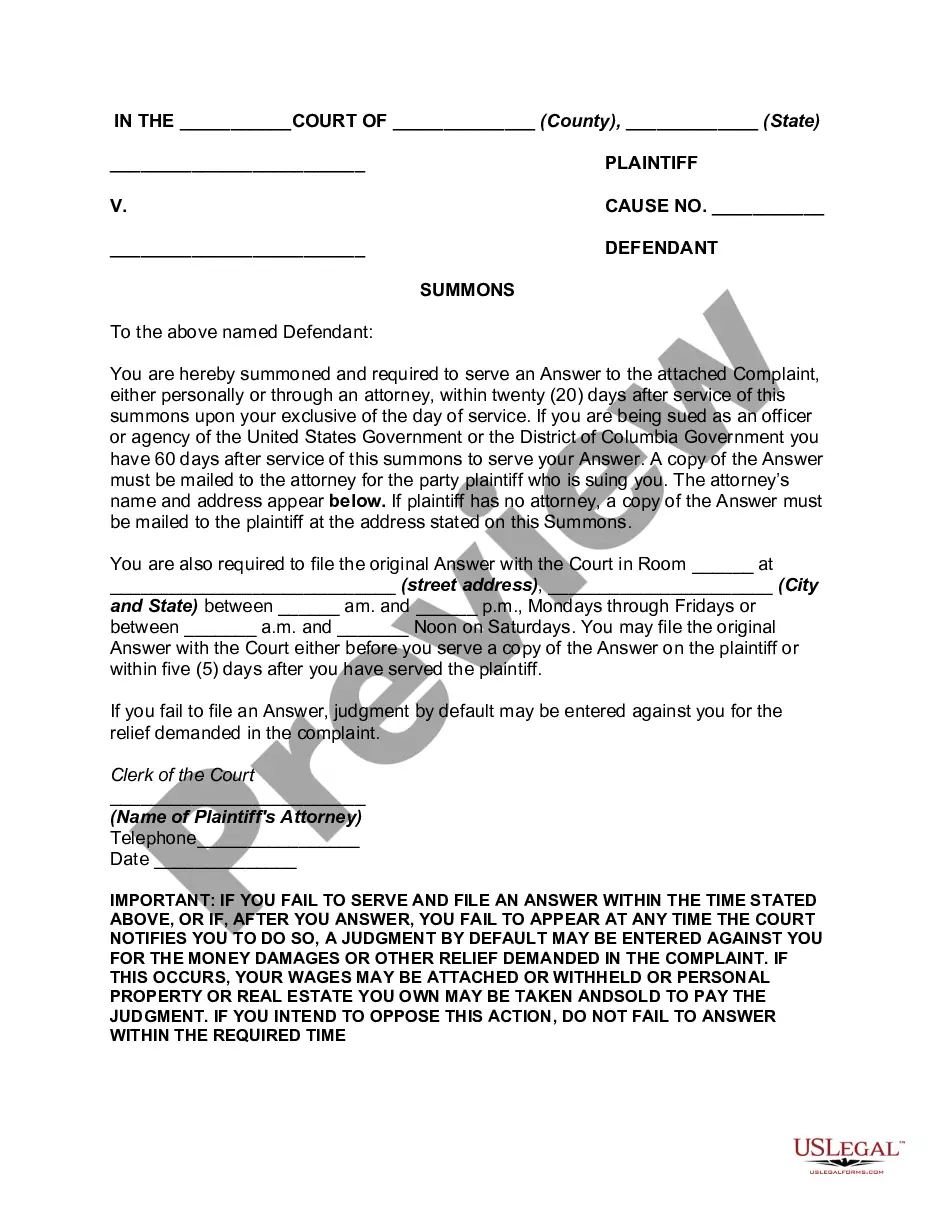
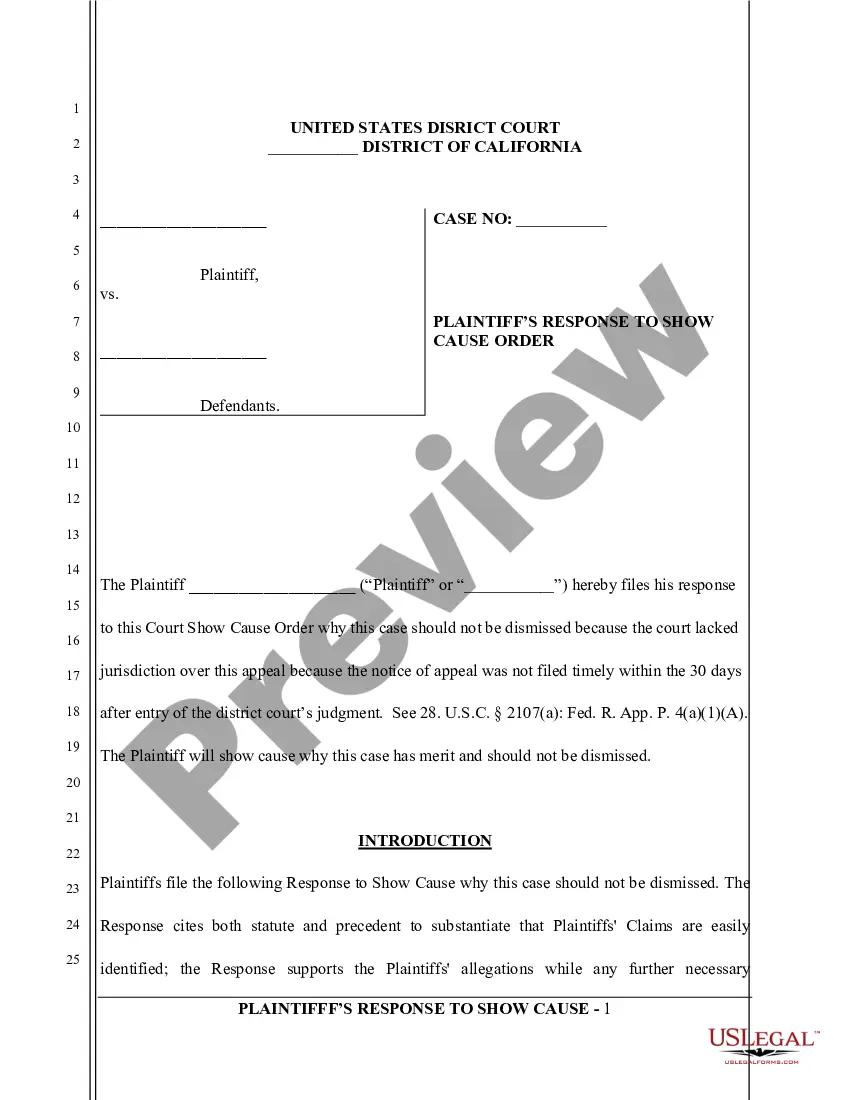
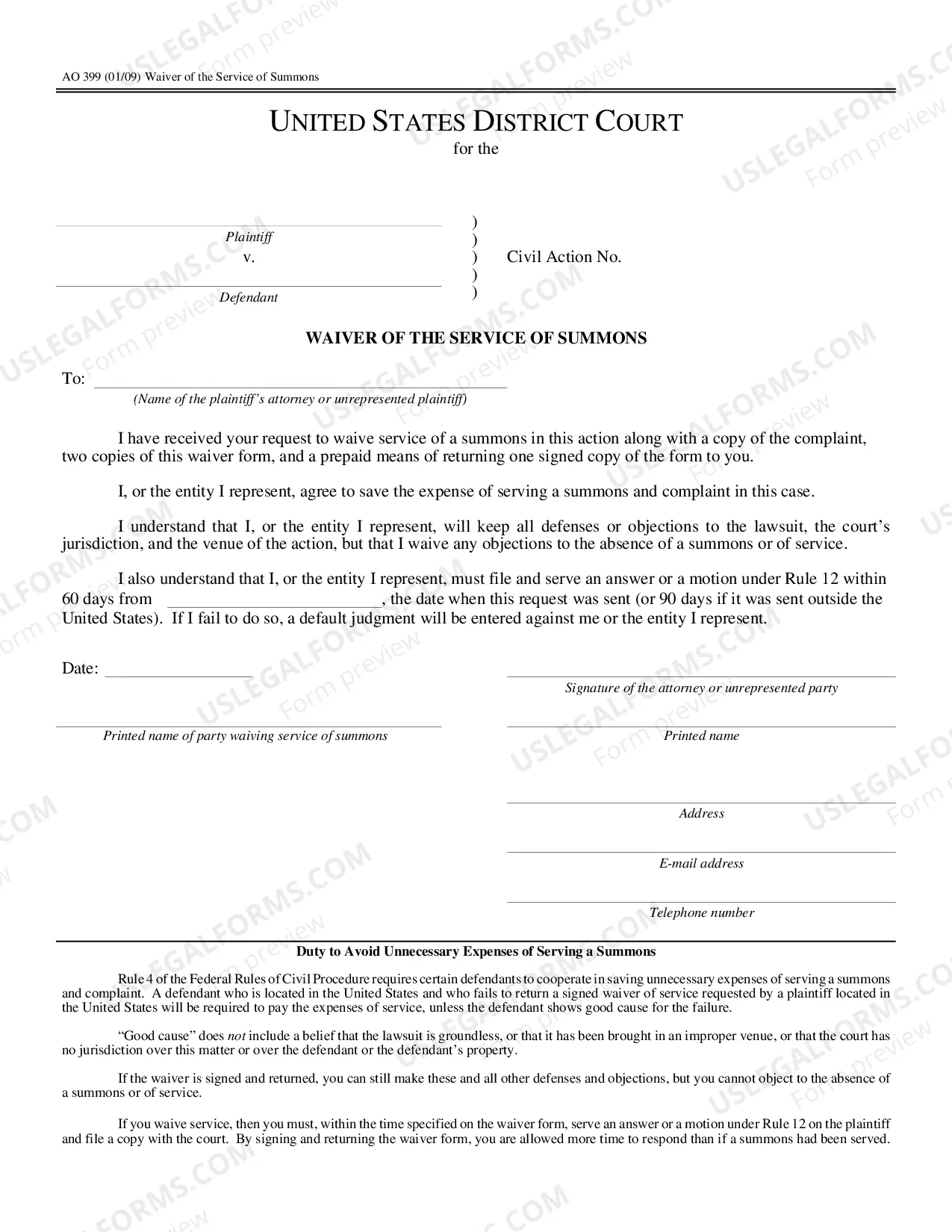
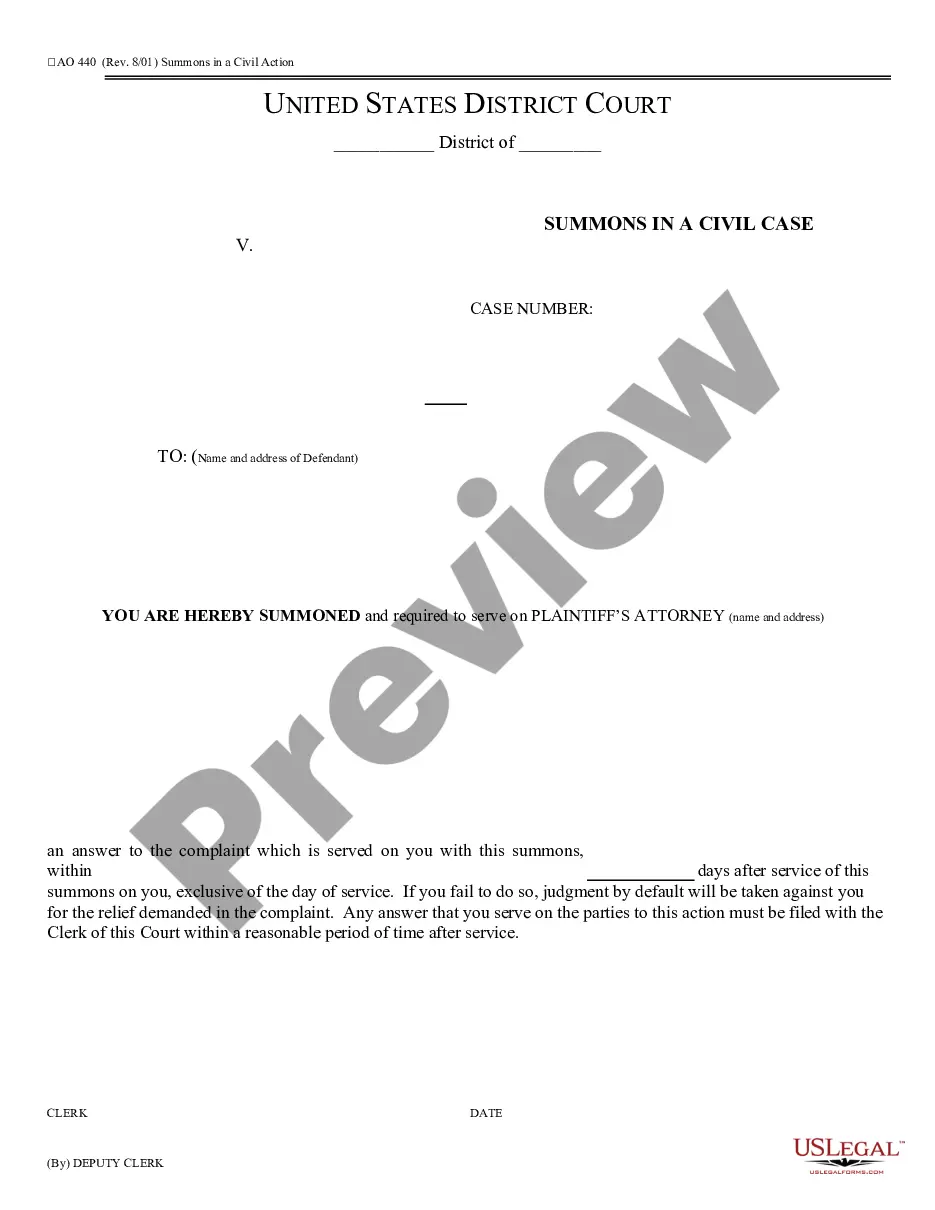
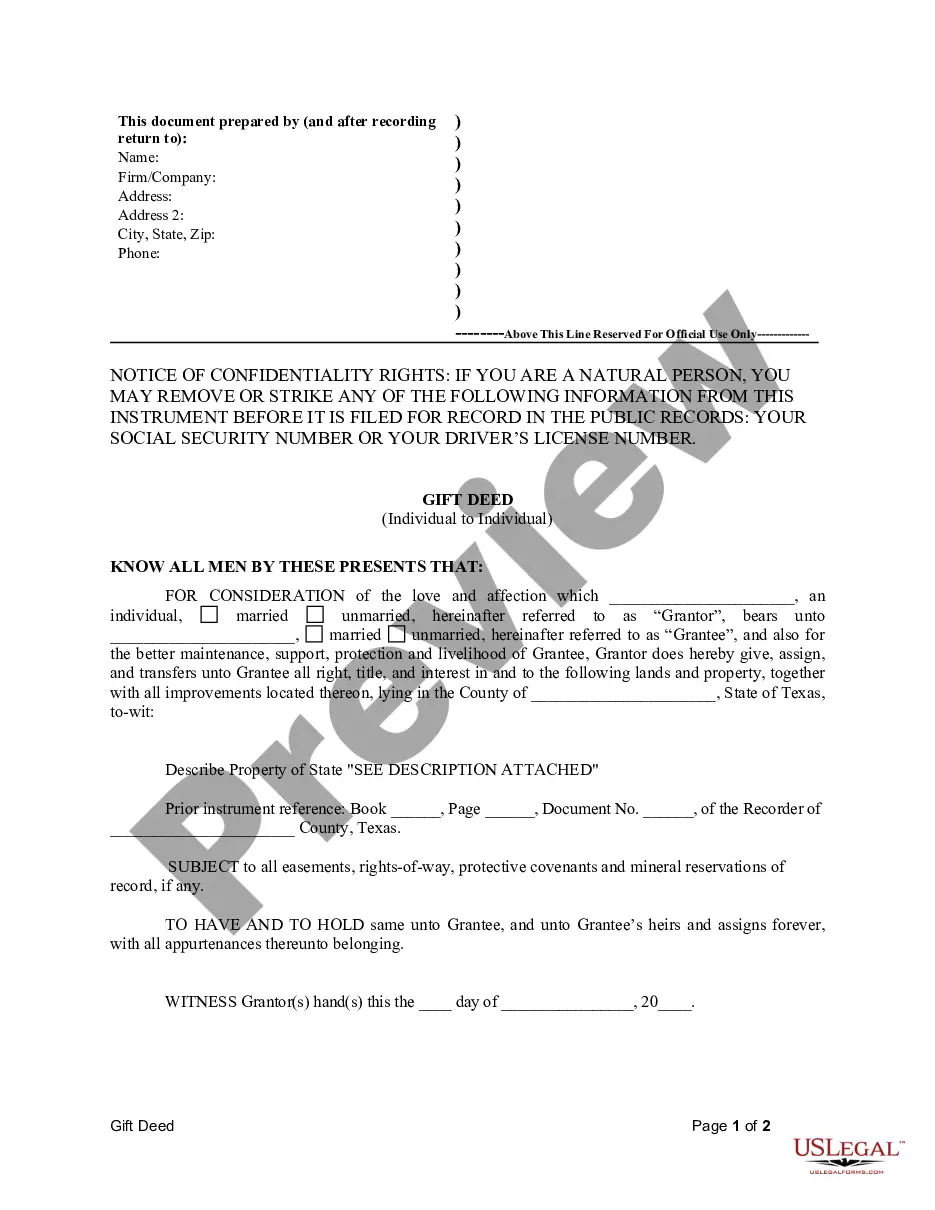
A summons by publication is an official court notice that informs a party about a lawsuit filed against them. Unlike a standard summons that is directly served to the defendant, this form is used when the defendant cannot be located. The Summons by Publication serves to notify them via publication in a designated newspaper or similar publication, fulfilling legal requirements to inform them of the proceedings.
Key components of this form
- Heading that indicates the court and case number.
- Information about the plaintiff and defendant.
- Statement regarding the requirement to respond or face a default judgment.
- Details on the publication requirements for legal notice.
- Signature line for the court clerk.
Common use cases
This form is necessary when a plaintiff cannot serve the defendant in person, often due to the defendant's unknown whereabouts. It ensures that the defendant receives legal notice through publication, which is required by law in many civil cases. Examples include divorce proceedings, landlord-tenant disputes, and debt recovery cases where the defendant is evasive or unlocatable.
Who can use this document
- Plaintiffs in civil actions who cannot locate the defendant.
- Individuals involved in legal matters that allow for service by publication.
- Legal representatives acting on behalf of a plaintiff seeking to notify a missing defendant.
Completing this form step by step
- Identify the parties involved by providing their full names and addresses.
- Enter the courts' name and case number as issued in the initial court filing.
- State the nature of the lawsuit clearly in the designated section.
- Include information on where the summons will be published and for how long.
- Sign and date the document in the presence of the court clerk.
Notarization guidance
This form does not typically require notarization to be legally valid. However, some jurisdictions or document types may still require it. US Legal Forms provides secure online notarization powered by Notarize, available 24/7 for added convenience.
Get your form ready online
Our built-in tools help you complete, sign, share, and store your documents in one place.
Make edits, fill in missing information, and update formatting in US Legal Forms—just like you would in MS Word.
Download a copy, print it, send it by email, or mail it via USPS—whatever works best for your next step.
Sign and collect signatures with our SignNow integration. Send to multiple recipients, set reminders, and more. Go Premium to unlock E-Sign.
If this form requires notarization, complete it online through a secure video call—no need to meet a notary in person or wait for an appointment.
We protect your documents and personal data by following strict security and privacy standards.

Make edits, fill in missing information, and update formatting in US Legal Forms—just like you would in MS Word.

Download a copy, print it, send it by email, or mail it via USPS—whatever works best for your next step.

Sign and collect signatures with our SignNow integration. Send to multiple recipients, set reminders, and more. Go Premium to unlock E-Sign.

If this form requires notarization, complete it online through a secure video call—no need to meet a notary in person or wait for an appointment.

We protect your documents and personal data by following strict security and privacy standards.
Typical mistakes to avoid
- Failing to include all required defendant information.
- Not specifying the correct court or case number.
- Overlooking the publication requirements, such as frequency or duration.
- Not signing or dating the summons before submission.
Why use this form online
- Quick and easy access to legal forms, saving time and effort.
- Editable templates ensure you can customize the form accurately.
- Access to updated and state-compliant legal forms for assurance.
- Convenient download options allow for immediate use.
Looking for another form?



Form popularity
FAQ
A summons is a paper issued by a court informing a person that a complaint has been filed against her.An alias summons is a second summons served when the first attempt at serving a summons is unsuccessful.
After the alias summons is requested, a case administrator will issue the alias summons and you will receive a notice of electronic filing (NEF). Upon receipt of the NEF, complete the certificate of service on the summons or use the fillable PDF version of the certificate of service, LBF 305.
Definition from Nolo's Plain-English Law Dictionary A name used that is not the given name of a person (such as Harry for Harold, initials, or a maiden name, or a criminal's false name). family & personal matters. divorce.
An alias summons means that the plaintiff tried to serve you once before but was unsuccessful. A new summons had to be issued and that is an alias summons. If you do not timely respond to the summons, a default judgment can be taken against you. Please see an attorney as soon as possible.
Read the summons and make sure you know the date you must answer by. Read the complaint carefully. Write your answer. Sign and date the answer. Make copies for the plaintiff and yourself. Mail a copy to the plaintiff. File your answer with the court by the date on the summons.
An alias summons is just the name for an summons when the defendant could not be served the first time. To serve the defendant with an alias summons, you will follow the same steps as you did with the sheriff's office or the clerk's office.