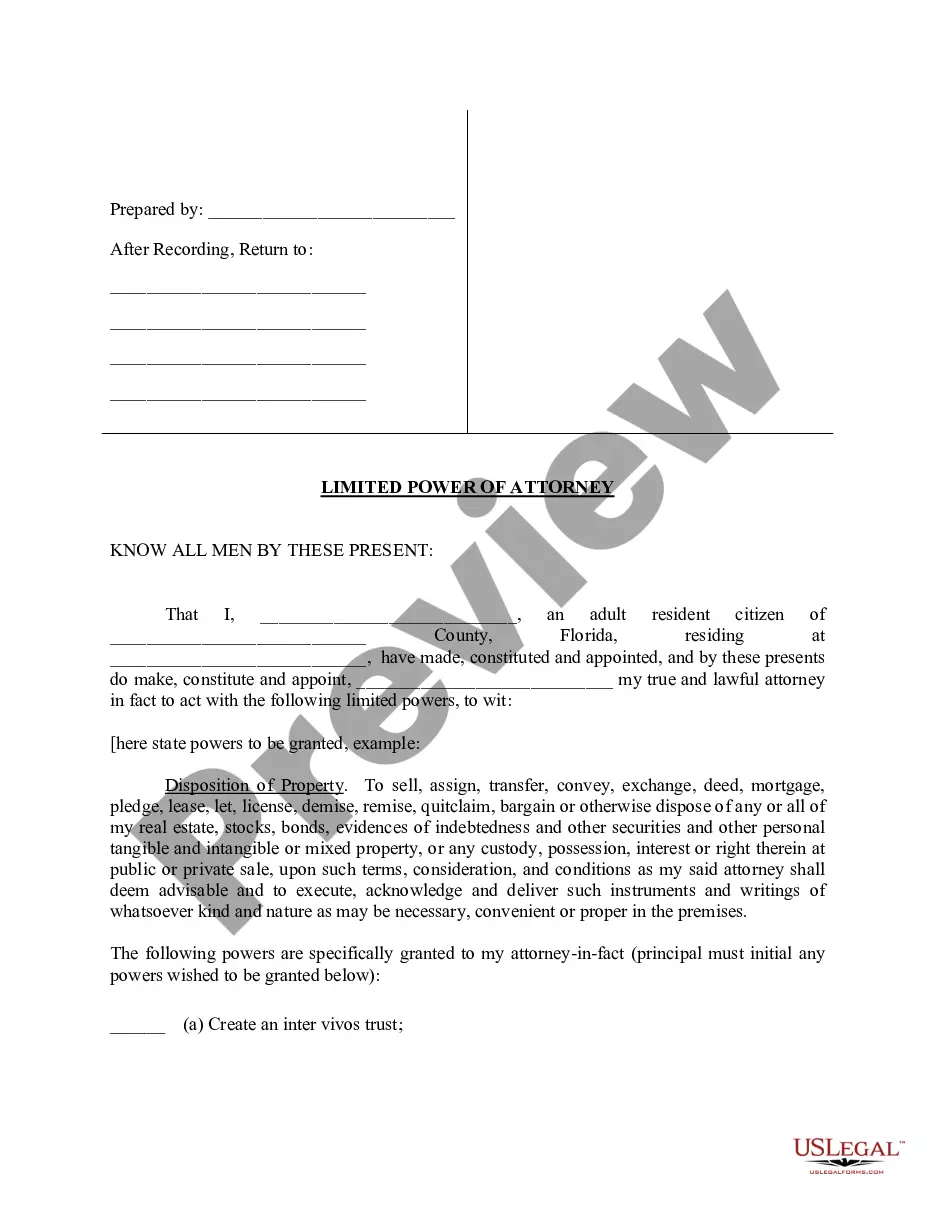
Arbitration Case In India In North Carolina
Description



Get your form ready online
Our built-in tools help you complete, sign, share, and store your documents in one place.
Make edits, fill in missing information, and update formatting in US Legal Forms—just like you would in MS Word.
Download a copy, print it, send it by email, or mail it via USPS—whatever works best for your next step.
Sign and collect signatures with our SignNow integration. Send to multiple recipients, set reminders, and more. Go Premium to unlock E-Sign.
If this form requires notarization, complete it online through a secure video call—no need to meet a notary in person or wait for an appointment.
We protect your documents and personal data by following strict security and privacy standards.

Make edits, fill in missing information, and update formatting in US Legal Forms—just like you would in MS Word.

Download a copy, print it, send it by email, or mail it via USPS—whatever works best for your next step.

Sign and collect signatures with our SignNow integration. Send to multiple recipients, set reminders, and more. Go Premium to unlock E-Sign.

If this form requires notarization, complete it online through a secure video call—no need to meet a notary in person or wait for an appointment.

We protect your documents and personal data by following strict security and privacy standards.
Looking for another form?




Form popularity
FAQ
§ 1-569.26. Jurisdiction. (a) A court of this State having jurisdiction over the controversy and the parties to an agreement to arbitrate may enforce the agreement to arbitrate.
Generally Arbitration Agreements Are Enforceable When faced with the question of whether or not to enforce an agreement to arbitrate, American courts routinely uphold the vast majority of arbitration clauses.
To give you an idea of the process that arbitration typically involves, the American Arbitration Association describes artibtration as having five main steps: Filing and initiation. Arbitrator selection. Preliminary hearing. Information exchange and preparation. Hearings. Post hearing submissions. Award.
A claimant will typically start arbitration by sending a document known as a “request for arbitration” or a “notice to arbitrate” to its opponent.
To be “void” the arbitration agreement must be intrinsically defective ing to the usual rules of contract law, including when it is undermined by fraud, undue influence, unconscionability, duress, mistake or misrepresentation, expressly noting that this would be rare.
The Federal Arbitration Act (FAA) generally makes covered arbitration agreements “valid, irrevocable, and enforceable,” and it requires federal and state courts to “rigorously” enforce the agreements ing to their terms.
An arbitration hearing is an informal legal proceeding held before a neutral court official called an arbitrator. Arbitration hearings are limited by rule to one hour and take place in the courthouse. The hearings are conducted in a serious but relaxed atmosphere, with the rules of evidence serving as a guide.
Always get straight to the merits without berating the other side or whining about how badly it has treated you. Another threat to your credibility is the “kitchen sink” arbitration demand or a response that includes numerous claims or defenses that have little chance of succeeding.
A claimant will typically start arbitration by sending a document known as a “request for arbitration” or a “notice to arbitrate” to its opponent.
Cons: Limited Appeal Options: One of the most significant downsides of arbitration is that it offers very limited options for appeal. Potentially Less Oversight: The informal nature of the arbitration process could lead to less regulatory oversight, making it crucial to choose a reputable arbitrator.