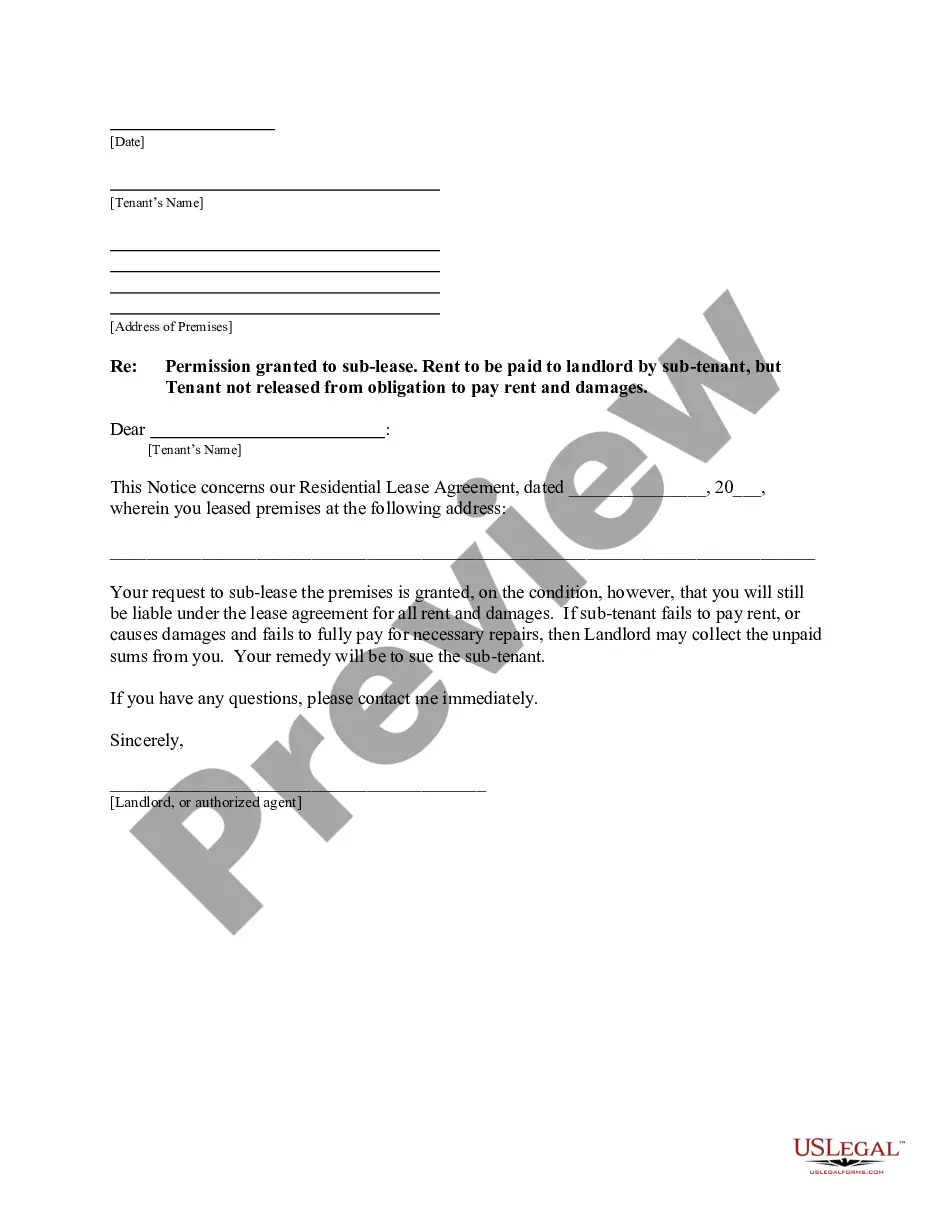
Arbitration Case Sample For Green Card In Minnesota
Description

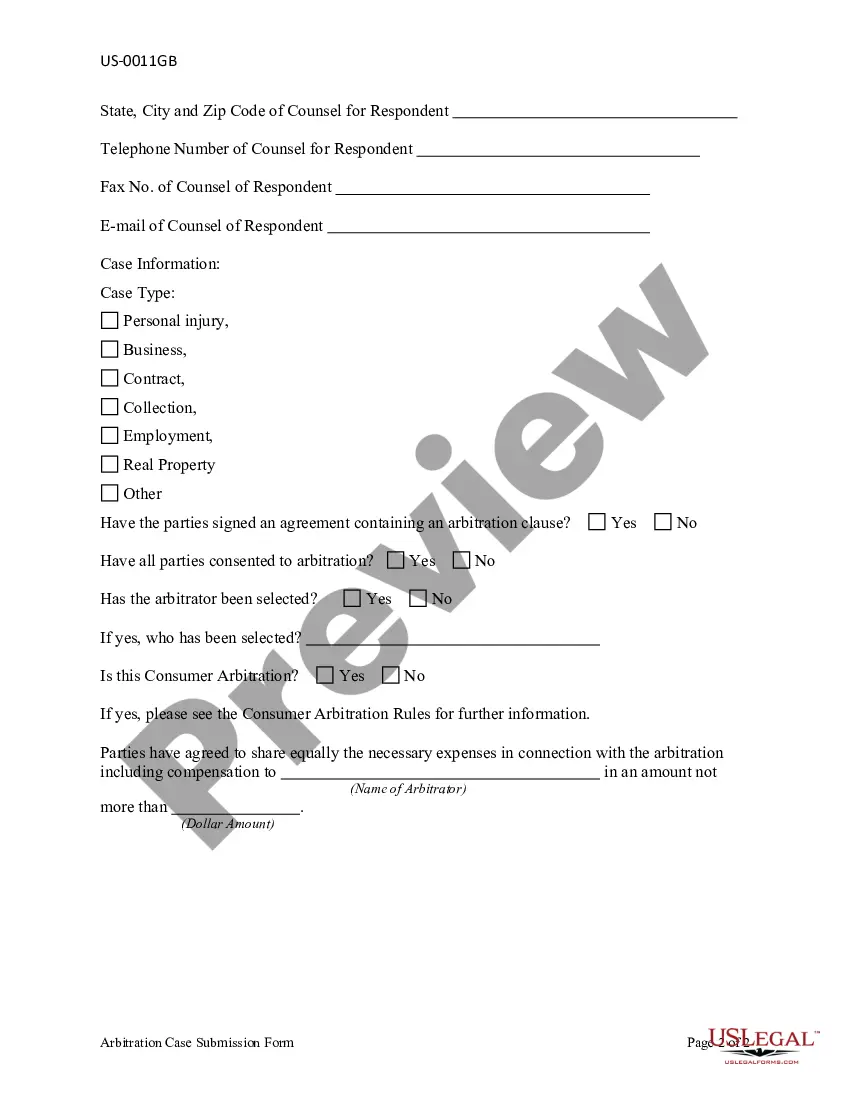

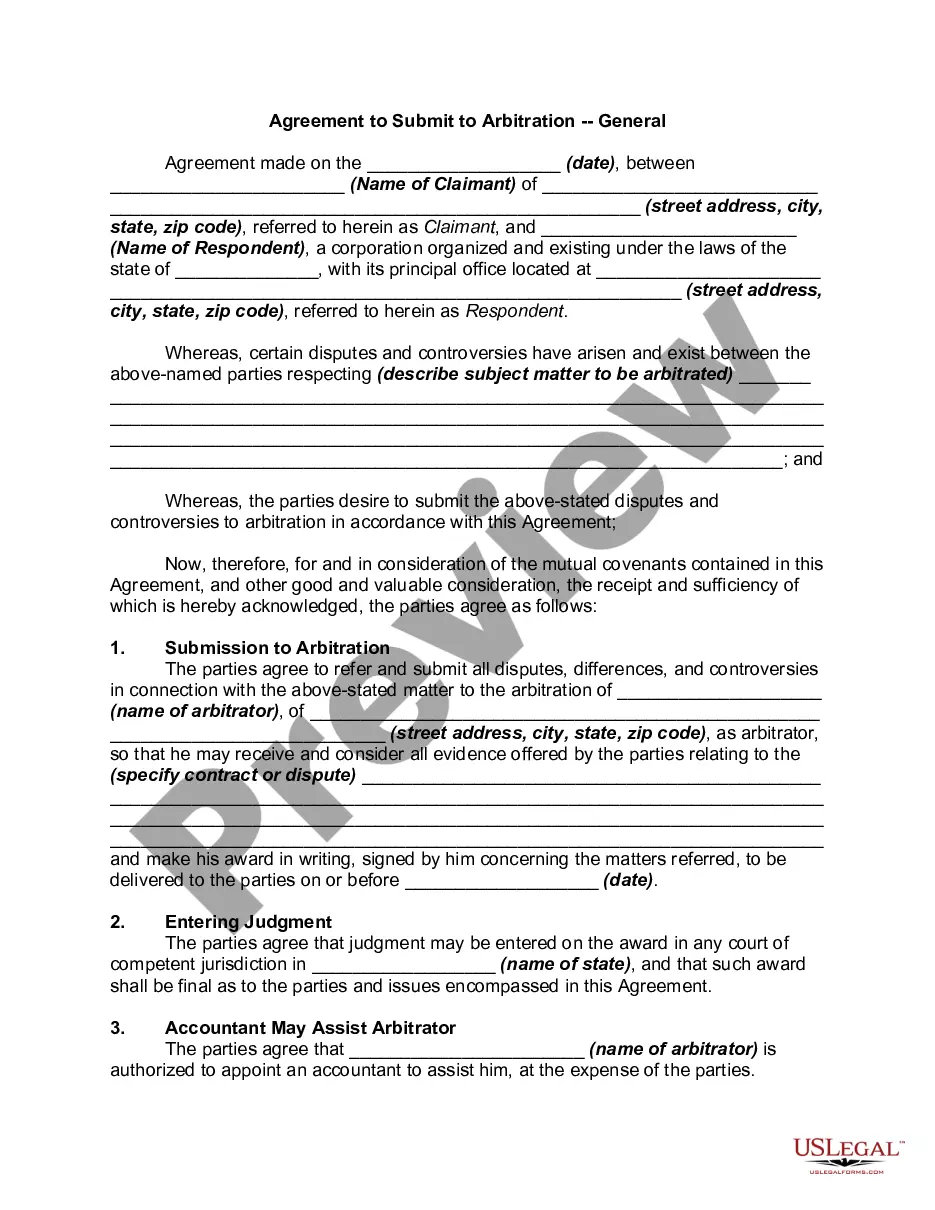

Get your form ready online
Our built-in tools help you complete, sign, share, and store your documents in one place.
Make edits, fill in missing information, and update formatting in US Legal Forms—just like you would in MS Word.
Download a copy, print it, send it by email, or mail it via USPS—whatever works best for your next step.
Sign and collect signatures with our SignNow integration. Send to multiple recipients, set reminders, and more. Go Premium to unlock E-Sign.
If this form requires notarization, complete it online through a secure video call—no need to meet a notary in person or wait for an appointment.
We protect your documents and personal data by following strict security and privacy standards.

Make edits, fill in missing information, and update formatting in US Legal Forms—just like you would in MS Word.

Download a copy, print it, send it by email, or mail it via USPS—whatever works best for your next step.

Sign and collect signatures with our SignNow integration. Send to multiple recipients, set reminders, and more. Go Premium to unlock E-Sign.

If this form requires notarization, complete it online through a secure video call—no need to meet a notary in person or wait for an appointment.

We protect your documents and personal data by following strict security and privacy standards.
Looking for another form?

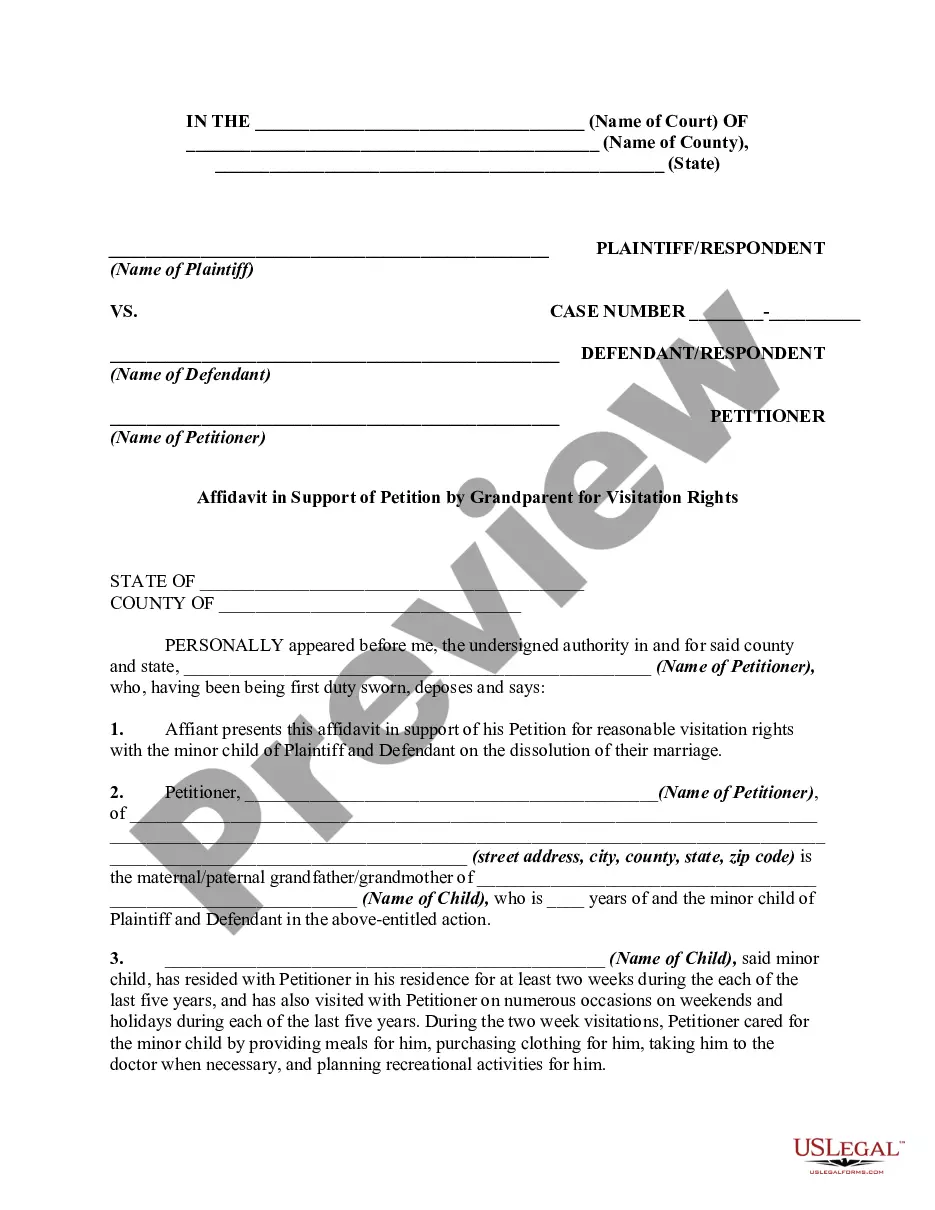





Form popularity
FAQ
After the opening statement, the claimants present evidence, that is, the details of their case. For example, they present witnesses and introduce any relevant documents. If the arbitrators did not swear a witness in at the beginning of a hearing, they will administer the oath before that person testifies.
The Request must: be written in English, French or Spanish (the official languages of the Centre) include the name and contact details of all parties (including e-mail, street address and telephone number) be signed and dated by the requesting party or its representative.
Arguments should flow easily from the relevant facts and applicable law. Avoid exaggerating the strengths of your case as well as disparaging the opposing side. Remember that professionalism and credibility are critical to persuasiveness.
Arbitration – A statutory method of resolving disputes between parties, by which disputes are referred to an impartial third person for resolution; a substitute for jury and judge. Arbitrator – The professional who makes a decision based on the evidence and testimony presented by the claimant and the respondent.
These cases range from breach of contract or licensing agreements, business torts, and franchise to construction and infrastructure disputes in companies from start-ups to the Fortune 500 in a variety of industries.
Disputes involving joint ventures, construction projects, partnership differences, intellectual property rights, personal injury, product liabilities, professional liability, real estate securities, contract interpretation and performance, insurance claim and Banking & non-Banking transaction disputes fall within the ...
The Request must: be written in English, French or Spanish (the official languages of the Centre) include the name and contact details of all parties (including e-mail, street address and telephone number) be signed and dated by the requesting party or its representative.
If your case involves factors like privacy concerns, the need for a quicker resolution, or the desire to avoid a public jury trial, arbitration might be an ideal solution. However, if you're worried about the finality of the arbitrator's decision or the potential for bias, you might prefer the traditional court route.