Arbitration Case In Hindi In Contra Costa
Description


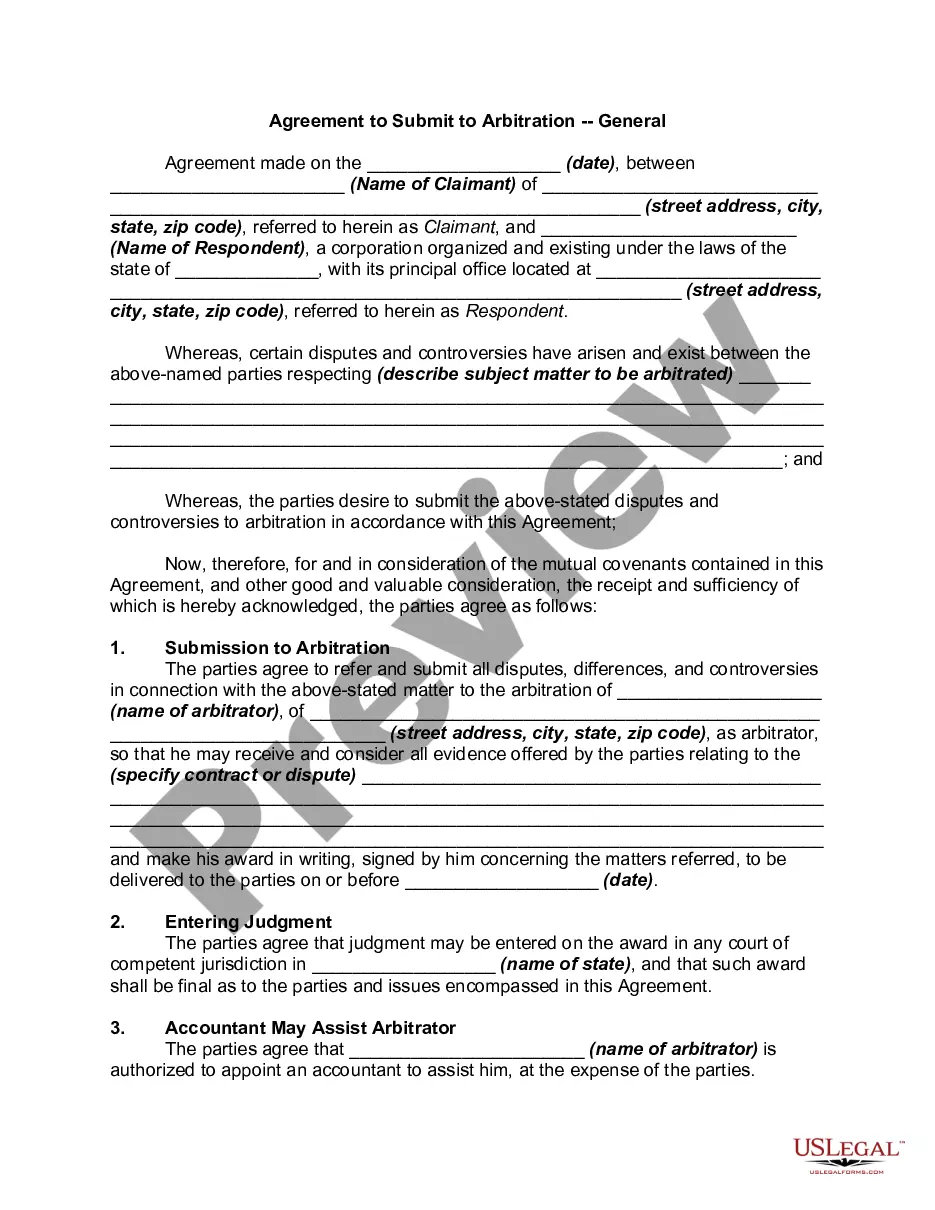

Get your form ready online
Our built-in tools help you complete, sign, share, and store your documents in one place.
Make edits, fill in missing information, and update formatting in US Legal Forms—just like you would in MS Word.
Download a copy, print it, send it by email, or mail it via USPS—whatever works best for your next step.
Sign and collect signatures with our SignNow integration. Send to multiple recipients, set reminders, and more. Go Premium to unlock E-Sign.
If this form requires notarization, complete it online through a secure video call—no need to meet a notary in person or wait for an appointment.
We protect your documents and personal data by following strict security and privacy standards.

Make edits, fill in missing information, and update formatting in US Legal Forms—just like you would in MS Word.

Download a copy, print it, send it by email, or mail it via USPS—whatever works best for your next step.

Sign and collect signatures with our SignNow integration. Send to multiple recipients, set reminders, and more. Go Premium to unlock E-Sign.

If this form requires notarization, complete it online through a secure video call—no need to meet a notary in person or wait for an appointment.

We protect your documents and personal data by following strict security and privacy standards.
Looking for another form?






Form popularity
FAQ
There are three commonly used methods of resolving disputes without going to court: negotiation. mediation. arbitration.
In arbitration, a neutral third party serves as a judge who is responsible for resolving the dispute. The arbitrator listens as each side argues its case and presents relevant evidence, then renders a binding decision.
Arbitration is a legal process where a neutral third-party reviews all claim and appeal documentation and issues a final, binding decision. By choosing arbitration, claimants can resolve their disputes outside of court, with a qualified independent arbitrator conducting the hearing and delivering a resolution.
Arguments should flow easily from the relevant facts and applicable law. Avoid exaggerating the strengths of your case as well as disparaging the opposing side. Remember that professionalism and credibility are critical to persuasiveness.
Arbitration is a form of alternative dispute resolution. It allows both sides to present their case in an expedited fashion to a panel of three attorneys who render a decision that same day. 2.
In arbitration, a neutral third party serves as a judge who is responsible for resolving the dispute. The arbitrator listens as each side argues its case and presents relevant evidence, then renders a binding decision.
In some arbitrations, the parties may require little assistance or encouragement beyond a reminder that settlement remains an option. In other cases, parties may take fundamentally incompatible positions on key issues and some progress is needed before settlement can sensibly be proposed.
A claimant will typically start arbitration by sending a document known as a “request for arbitration” or a “notice to arbitrate” to its opponent.
There must be an arbitration agreement or an arbitration clause between the parties; A party to the arbitration agreement files a case against the other party before the judicial authority; The subject matter of the case so filed must be the same as the subject matter of the arbitration agreement;
Attorneys are Optional Parties may represent themselves at the arbitration hearing. Often they seek prior consultations with attorneys in order to develop a strategy for their presentation or a review of their legal position.