Resignation Letters For Retirement In Travis
Description

Get your form ready online
Our built-in tools help you complete, sign, share, and store your documents in one place.
Make edits, fill in missing information, and update formatting in US Legal Forms—just like you would in MS Word.
Download a copy, print it, send it by email, or mail it via USPS—whatever works best for your next step.
Sign and collect signatures with our SignNow integration. Send to multiple recipients, set reminders, and more. Go Premium to unlock E-Sign.
If this form requires notarization, complete it online through a secure video call—no need to meet a notary in person or wait for an appointment.
We protect your documents and personal data by following strict security and privacy standards.

Make edits, fill in missing information, and update formatting in US Legal Forms—just like you would in MS Word.

Download a copy, print it, send it by email, or mail it via USPS—whatever works best for your next step.

Sign and collect signatures with our SignNow integration. Send to multiple recipients, set reminders, and more. Go Premium to unlock E-Sign.

If this form requires notarization, complete it online through a secure video call—no need to meet a notary in person or wait for an appointment.

We protect your documents and personal data by following strict security and privacy standards.
Looking for another form?








Form popularity
FAQ
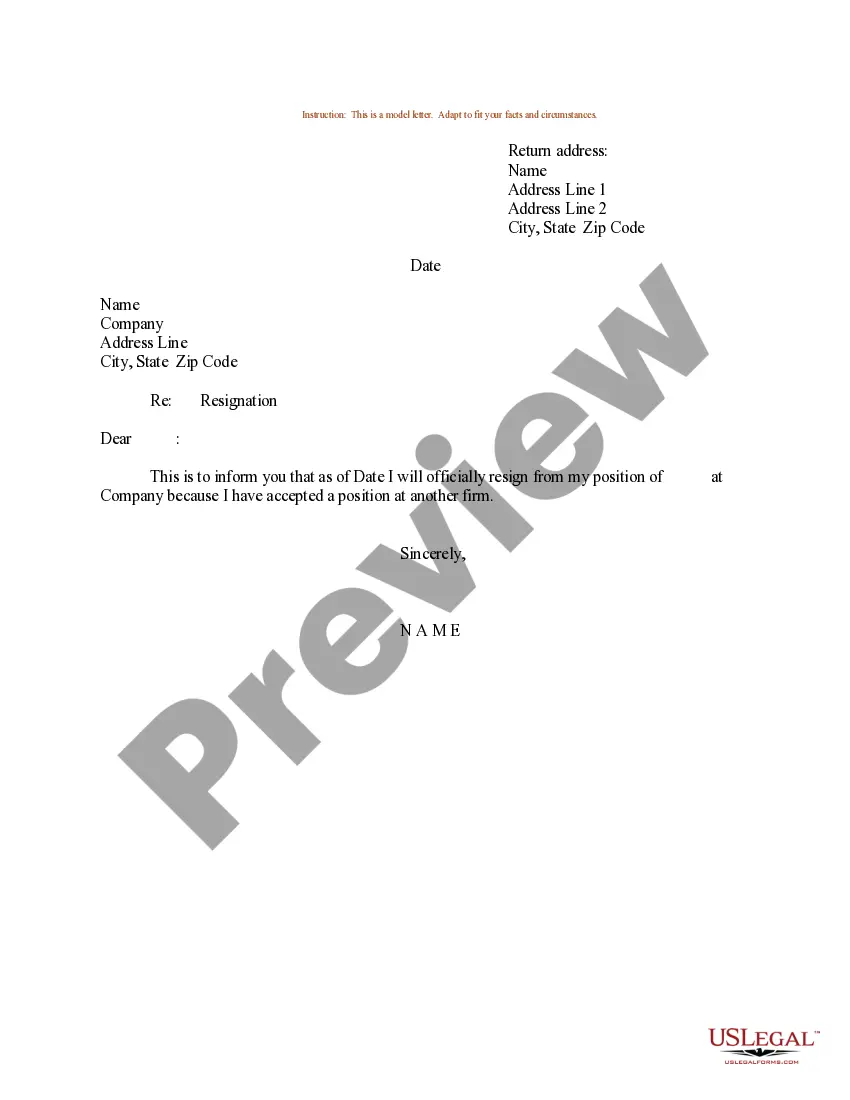
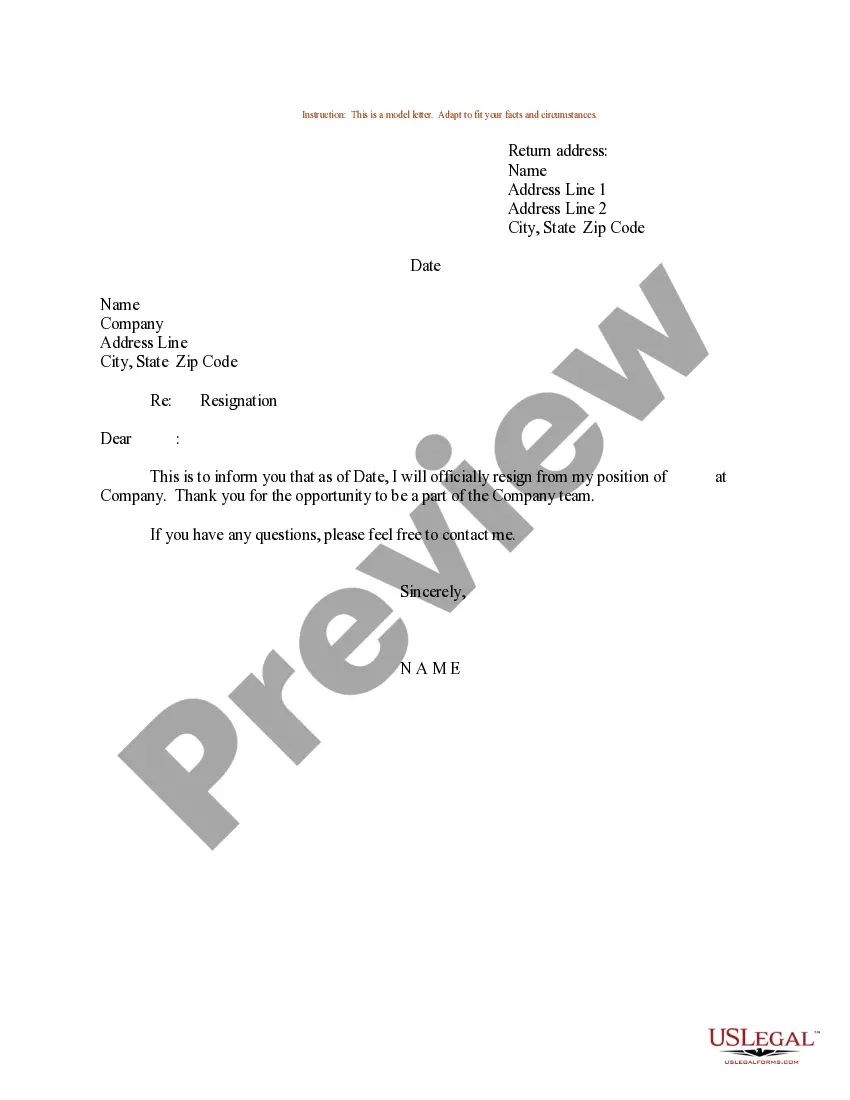
How to create a retirement letter Address the right people. Address your retirement letter to your supervisor. Specify the date of your retirement. Express appreciation for your experience. Offer to assist with the transition. Discuss consulting if you're interested. Detail your needs regarding retirement.
It is advisable to provide 3-6 months' notice before retiring, especially if you hold a senior position. This allows for a smoother transition and helps manage any necessary arrangements.
How much notice should be given before an employee's retirement? Employers should provide adequate notice as specified in the employment contract or company policy. Generally, it is considered good practice to give at least three to six months' notice to allow for a smooth transition and planning.
You must put your resignation in writing to your manager stating your intention to retire and giving at least your contractual notice (i.e. 3 months for academic and academic related staff or 1 month for support staff). You should contact the Pension Office for details of your benefits and to apply for your pension.
Give your employer at least two weeks' notice. Employees with a long tenure at the company typically give a month's notice or more. You may discuss the best date for your retirement when you meet with your supervisor to discuss your plans. In this case, your retirement letter simply restates the agreed-upon date.
How to Write a Resignation Letter A greeting: Start formal. A statement of resignation. Offer help with transitioning. Thank your employer for giving you a chance to be a part of their company, and for their time. Leave your contact information for your employer. Sign off with “Sincerely” or “Thank you”
To write a simple retirement letter, begin with a polite greeting, express your intention to retire, provide the effective date of your retirement, express gratitude for the opportunity, and offer well wishes to colleagues and the organisation.
You must put your resignation in writing to your manager stating your intention to retire and giving at least your contractual notice (i.e. 3 months for academic and academic related staff or 1 month for support staff). You should contact the Pension Office for details of your benefits and to apply for your pension.
You must put your resignation in writing to your manager stating your intention to retire and giving at least your contractual notice (i.e. 3 months for academic and academic related staff or 1 month for support staff). You should contact the Pension Office for details of your benefits and to apply for your pension.
Your resignation letter should include your intention to retire, your current position, your last day of employment, expressions of gratitude, an offer to assist with the handover, and your personal contact information.

