Resignation Letter Gracefully Forward In Sacramento
Description

Get your form ready online
Our built-in tools help you complete, sign, share, and store your documents in one place.
Make edits, fill in missing information, and update formatting in US Legal Forms—just like you would in MS Word.
Download a copy, print it, send it by email, or mail it via USPS—whatever works best for your next step.
Sign and collect signatures with our SignNow integration. Send to multiple recipients, set reminders, and more. Go Premium to unlock E-Sign.
If this form requires notarization, complete it online through a secure video call—no need to meet a notary in person or wait for an appointment.
We protect your documents and personal data by following strict security and privacy standards.

Make edits, fill in missing information, and update formatting in US Legal Forms—just like you would in MS Word.

Download a copy, print it, send it by email, or mail it via USPS—whatever works best for your next step.

Sign and collect signatures with our SignNow integration. Send to multiple recipients, set reminders, and more. Go Premium to unlock E-Sign.

If this form requires notarization, complete it online through a secure video call—no need to meet a notary in person or wait for an appointment.

We protect your documents and personal data by following strict security and privacy standards.
Looking for another form?








Form popularity
FAQ
Last day: The resignation letter should state when their last day will be. A final day might be on the same day they express their resignation; or at a future date.
Neither party can unilaterally 'extend' the notice period. It requires mutual agreement. However, 'curtailment' of the notice period can be unilaterally done by the employer and (probably) by the employee. The whole purpose of the notice period is to give each party time to find work or a replacement.
While the employee has the right to set the resignation date within the notice period, the employer cannot arbitrarily change this date. The notice period provided by the employee is a contractual obligation that the employer must respect.
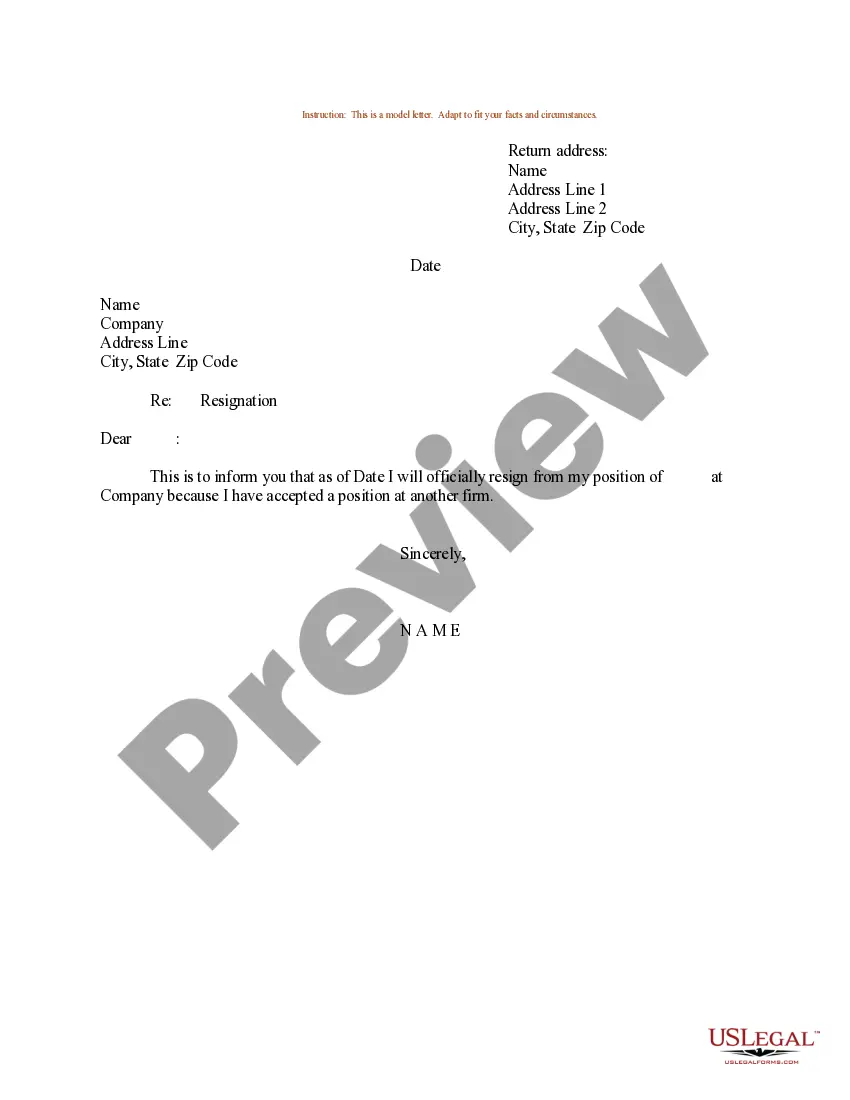
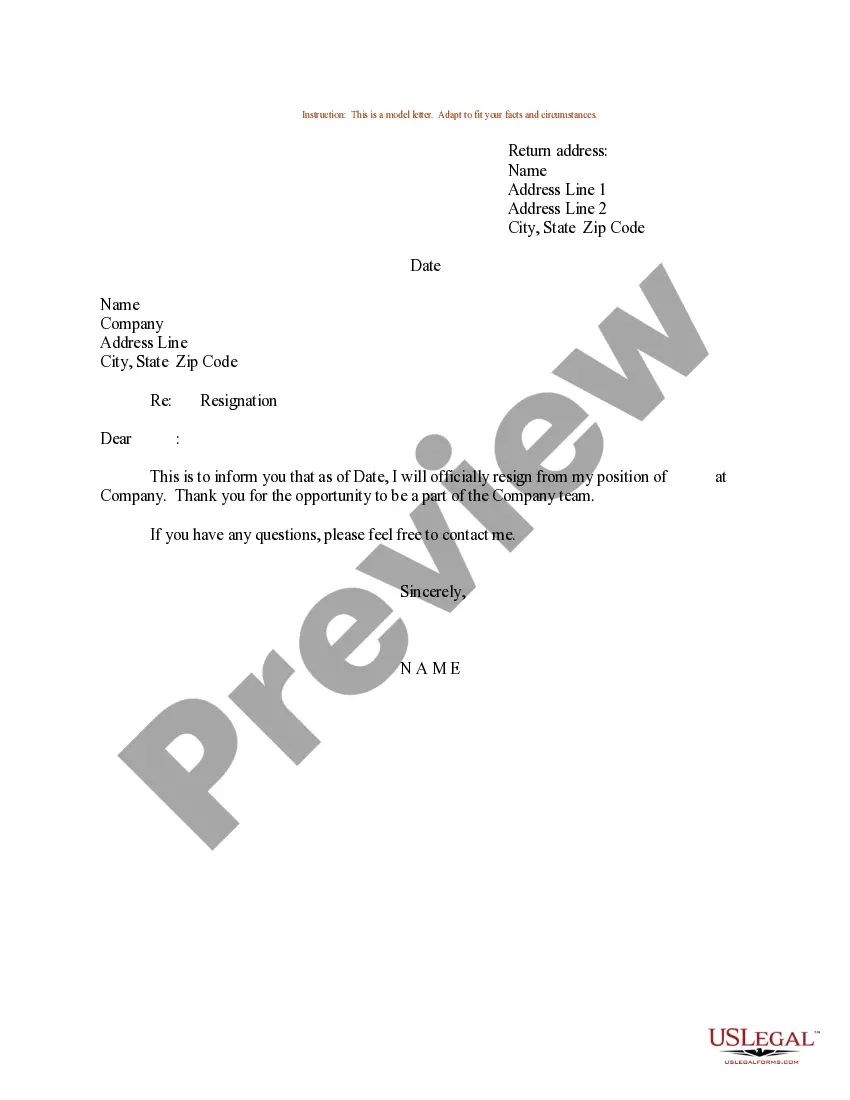
Please accept this letter as my formal resignation from Position Name effective Resignation Date. This announcement comes with a heavy heart, as I have sincerely enjoyed my time at Company Name. With your guidance and mentorship, this position has been one of the most rewarding work experiences in my life.
Dear Supervisor's Name, I am writing to inform you that I have decided to resign from my position as Job Title at Company Name. My last day of work will be Date. I want to take this opportunity to thank you and the entire team for the valuable experience and support provided during my time at Company Name.
How to write an immediate resignation letter Include the date you plan to leave. Explain the situation clearly and concisely. Be positive and professional. Express gratitude. Include any questions you have. Include your contact information. Proofread your letter. Send your letter to your employer and HR.
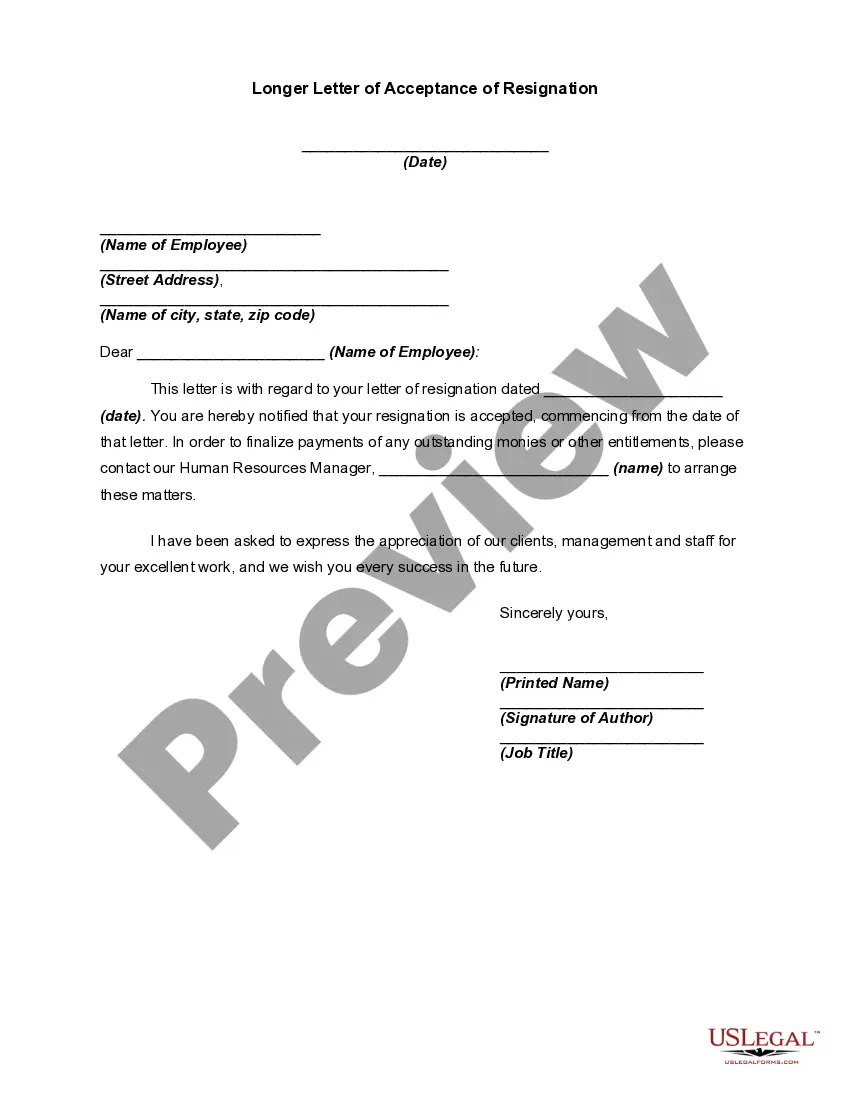
If you want to leave before the end of your contractual notice, you can. Your employer could accept your resignation with an early leaving date.
The employee has the right to end their employment relationship as long as the proper notice has been served. Any extension of the resignation period must be agreed upon voluntarily by both parties.
How to Write a Resignation Letter A greeting: Start formal. A statement of resignation. Offer help with transitioning. Thank your employer for giving you a chance to be a part of their company, and for their time. Leave your contact information for your employer. Sign off with “Sincerely” or “Thank you”
So if you found yourself feeling apathetic towards showing up to work every day, consider these three red flags. You're not using the skills you were hired for. Your skills aren't being maintained. Your skills are lacking opportunity.
