Resignation Approval Format In Sacramento
Description
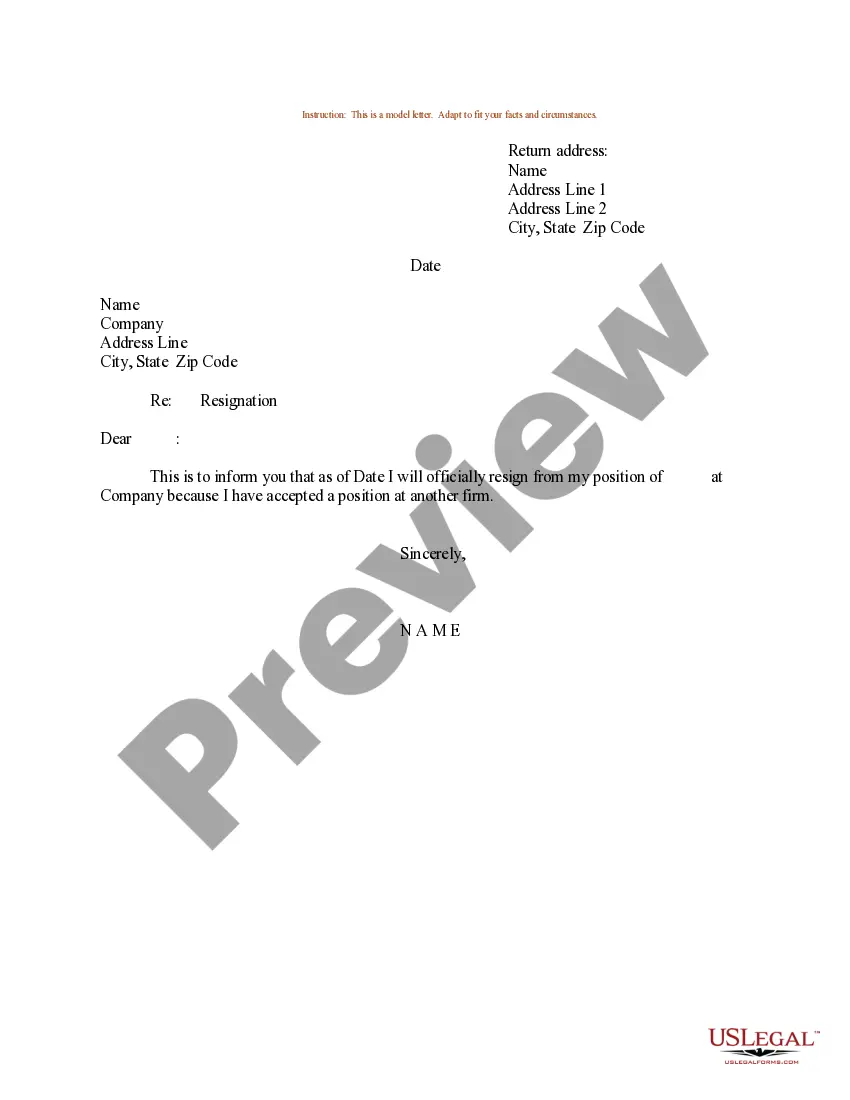
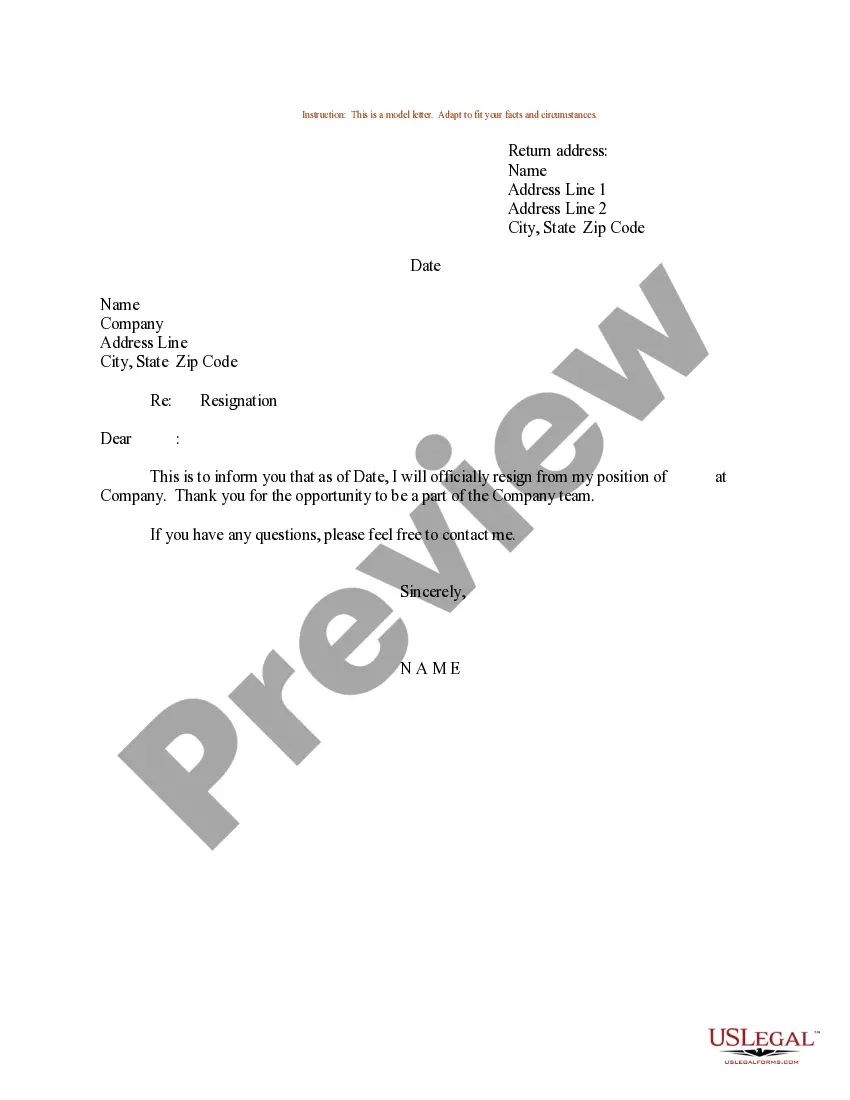

Get your form ready online
Our built-in tools help you complete, sign, share, and store your documents in one place.
Make edits, fill in missing information, and update formatting in US Legal Forms—just like you would in MS Word.
Download a copy, print it, send it by email, or mail it via USPS—whatever works best for your next step.
Sign and collect signatures with our SignNow integration. Send to multiple recipients, set reminders, and more. Go Premium to unlock E-Sign.
If this form requires notarization, complete it online through a secure video call—no need to meet a notary in person or wait for an appointment.
We protect your documents and personal data by following strict security and privacy standards.

Make edits, fill in missing information, and update formatting in US Legal Forms—just like you would in MS Word.

Download a copy, print it, send it by email, or mail it via USPS—whatever works best for your next step.

Sign and collect signatures with our SignNow integration. Send to multiple recipients, set reminders, and more. Go Premium to unlock E-Sign.

If this form requires notarization, complete it online through a secure video call—no need to meet a notary in person or wait for an appointment.

We protect your documents and personal data by following strict security and privacy standards.
Looking for another form?






Form popularity
FAQ
Give proper notice. Provide the standard two weeks' notice, or more if required by your employer. Resign in person. Schedule a meeting with your manager to resign face-to-face. Be gracious and appreciative. Offer to help transition your work.
Your resignation letter should include the following information: Date, Name, and Contact Details. Recipient's Name and Organisational Position. Subject Line. State Intention. Outline Dates. Show Gratitude. Express your Willingness to Help in the Handover. Sign Off Appropriately.
Remember: In order to be legally binding, your resignation must be handwritten and bear your signature. Furthermore, the name and address of the employer, as well as the date of your resignation, must be included in your letter. It's also important to indicate a concrete date when the resignation should be effective.
Dear Supervisor's Name, Please accept this letter as formal notification of my resignation from my position as Job Title at Company Name. My last day of work will be Date. I have enjoyed working with the team at Company Name and appreciate the opportunities provided during my time here.
Clarify Your Intentions: Make sure your resignation is clear and firm. Request a Meeting: Set up a private meeting with your boss to discuss your resignation. Be Professional: Maintain professionalism throughout the conversation. Explain Your Reasons: Clearly articulate your reasons for resigning. Discuss Transit
Most companies ask you to deliver your resignation letter to your direct supervisor. You may also write to a letter to someone else, such as a more senior manager or member of human resources. Your employee handbook may have information about whom to address when sending a resignation letter.
Being an at-will employee also means you can quit your job anytime and without notice. Giving your employer two weeks' notice is customary, but the law doesn't require you to do this. Whether you leave your job willingly or not, you have rights.
An employer cannot reject your resignation. However, you should always follow the right process so that you're not in breach of your contract. You should talk to your employer about how and when other people are told about your resignation. For example, whether it'll be you or your manager who tells them.
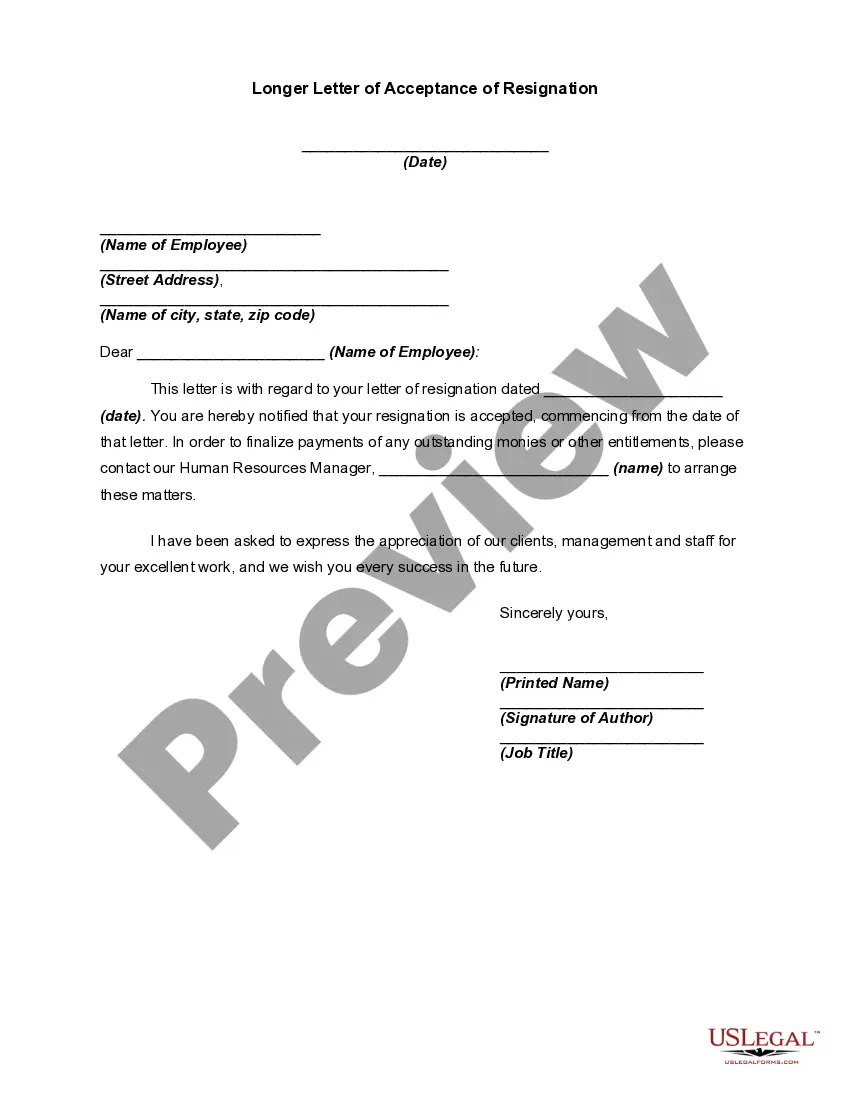
Follow these steps to write a resignation acceptance letter: Use the right formatting and structure. Include the date and contact information. Include a salutation. Accept the resignation. Include the final date of employment. Add other information. Express appreciation. Add a complimentary close.
Acceptance of a resignation tendered by an employee is necessary to make the resignation effective.

