Resignation Accepted With Prejudice In Ohio
Description
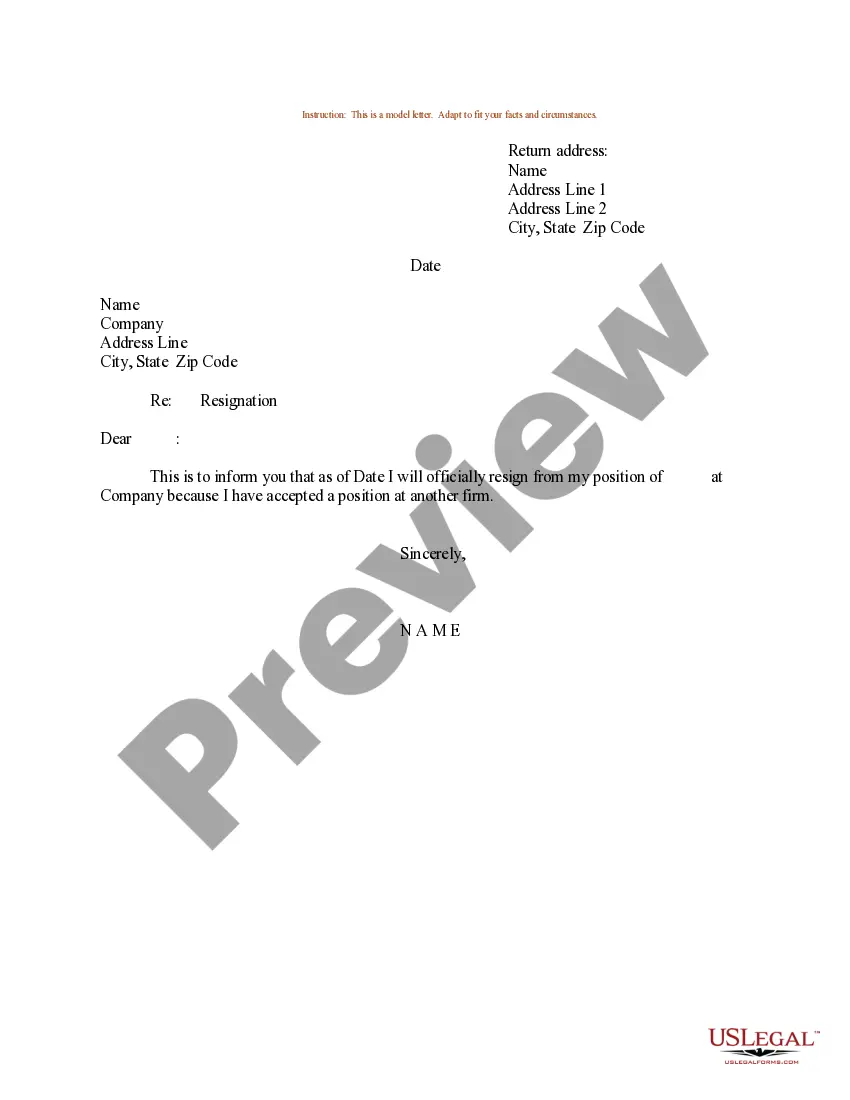
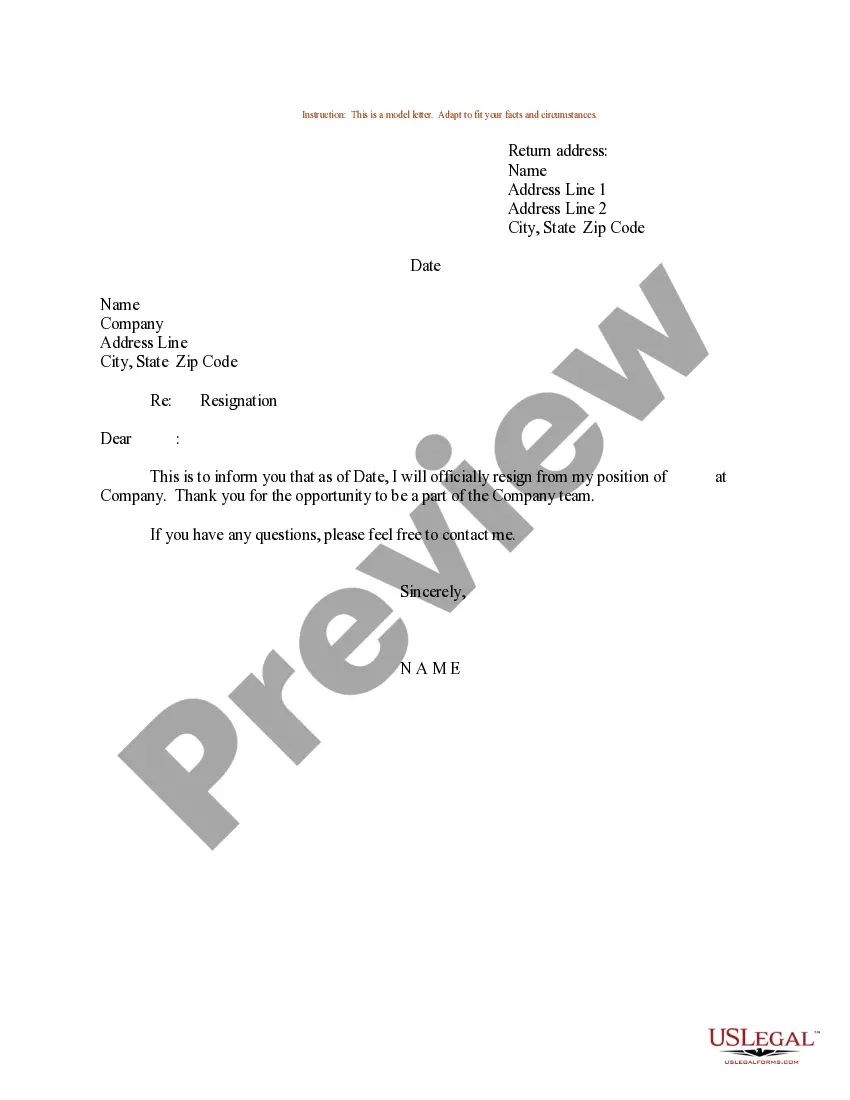
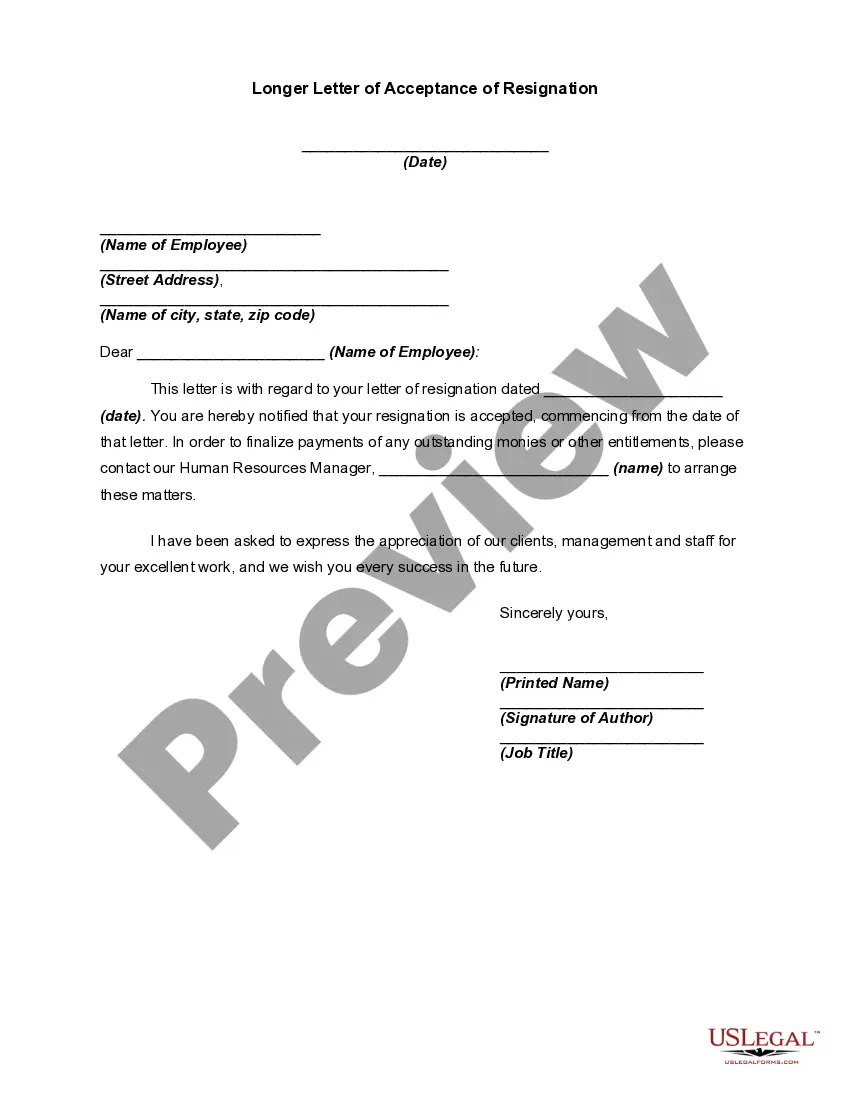

Get your form ready online
Our built-in tools help you complete, sign, share, and store your documents in one place.
Make edits, fill in missing information, and update formatting in US Legal Forms—just like you would in MS Word.
Download a copy, print it, send it by email, or mail it via USPS—whatever works best for your next step.
Sign and collect signatures with our SignNow integration. Send to multiple recipients, set reminders, and more. Go Premium to unlock E-Sign.
If this form requires notarization, complete it online through a secure video call—no need to meet a notary in person or wait for an appointment.
We protect your documents and personal data by following strict security and privacy standards.

Make edits, fill in missing information, and update formatting in US Legal Forms—just like you would in MS Word.

Download a copy, print it, send it by email, or mail it via USPS—whatever works best for your next step.

Sign and collect signatures with our SignNow integration. Send to multiple recipients, set reminders, and more. Go Premium to unlock E-Sign.

If this form requires notarization, complete it online through a secure video call—no need to meet a notary in person or wait for an appointment.

We protect your documents and personal data by following strict security and privacy standards.
Looking for another form?
Form popularity
FAQ
The simple answer is no—an employer cannot legally reject an employee's resignation. Since employment is at-will in most cases, employees have the right to resign whenever they choose, whether due to better opportunities, workplace dissatisfaction, or personal reasons.
(1) A two-week written notice of resignation is standard and will be provided by the resigning employee to their supervisor. Longer or shorter notice periods may be appropriate for key positions; therefore, alternative notice arrangements may be arranged with the employee, unit, and human resources.
Termination Letter: A termination letter is a fundamental document that employers must provide to a terminated employee. This letter should clearly state the reason for termination, the effective date of termination, and any severance package, if applicable.
When a court dismisses an action, they can either do so “ with prejudice ” or “ without prejudice .” Dismissal with prejudice means that the plaintiff cannot refile the same claim again in that court.
Do you have to give two weeks' notice in Ohio? In Ohio, at-will employees can quit their job for any reason at any time. There's no requirement to provide at least two weeks' notice before they end their employment.
In California, you can be fired after handing in your 2 weeks notice. While you will not earn your wages, it turns your resignation into a termination. This means you can collect unemployment. If the discharge was in retaliation for you handing in your 2 weeks notice, it can be grounds for a wrongful termination claim.
You cannot reject an employee's resignation. However, a conversation might help you find out if there are problems that can be resolved. This might be enough for the employee to choose to stay. You do not have to respond formally when someone tells you they're resigning.
In most cases, it's entirely up to the employer to determine whether they want the person who is resigning to complete their final two weeks or whether they'd prefer to let them go right away. The best way to avoid conflict is to include clear rules regarding resignations in your written company policy.
Ohio Employment Law Two Weeks Notice Some employers do not handle employee separations professionally and in ance with the law. There is no lawful requirement that an employee provides at least two weeks' notice before they end their employment.
First, employers may not fire employees for a discriminatory reason. Various Ohio and federal employment laws protect employees from termination based on age, disability, gender, race, religion, color, national origin, pregnancy, military status, or genetic information.

