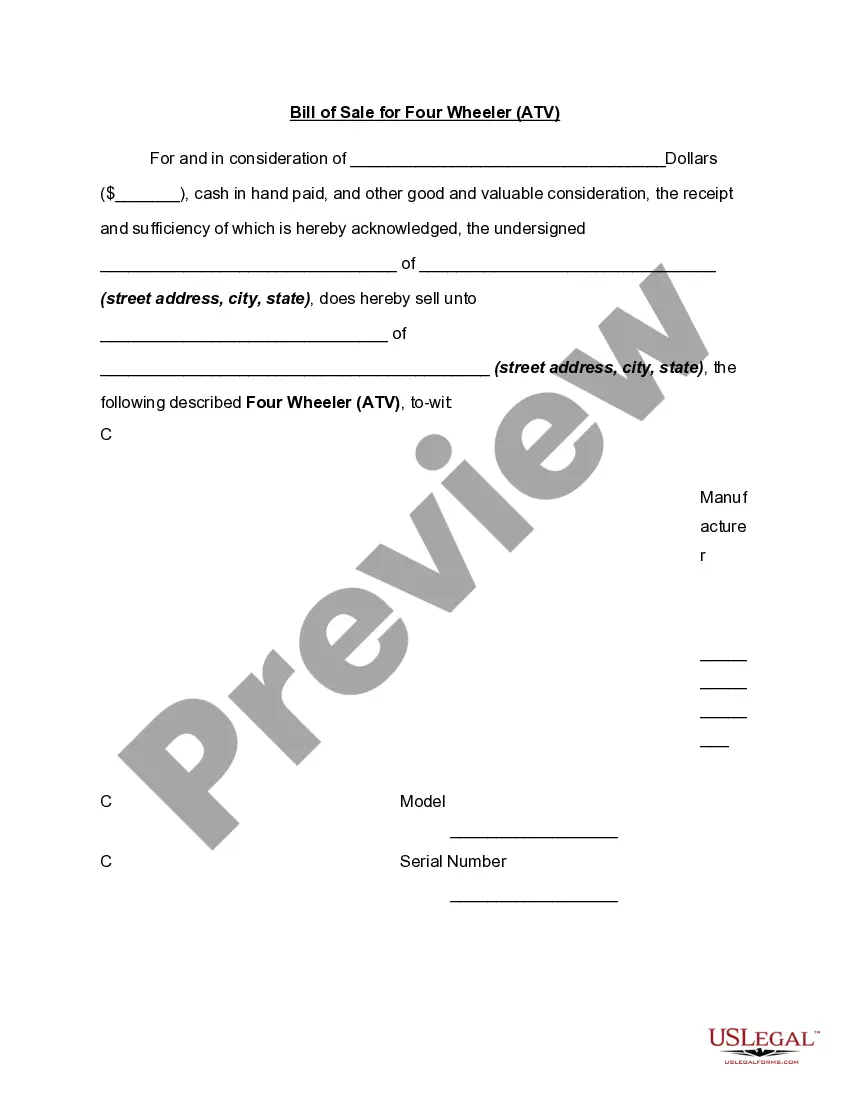
Acceptance Resignation Letter Sample In Middlesex
Description
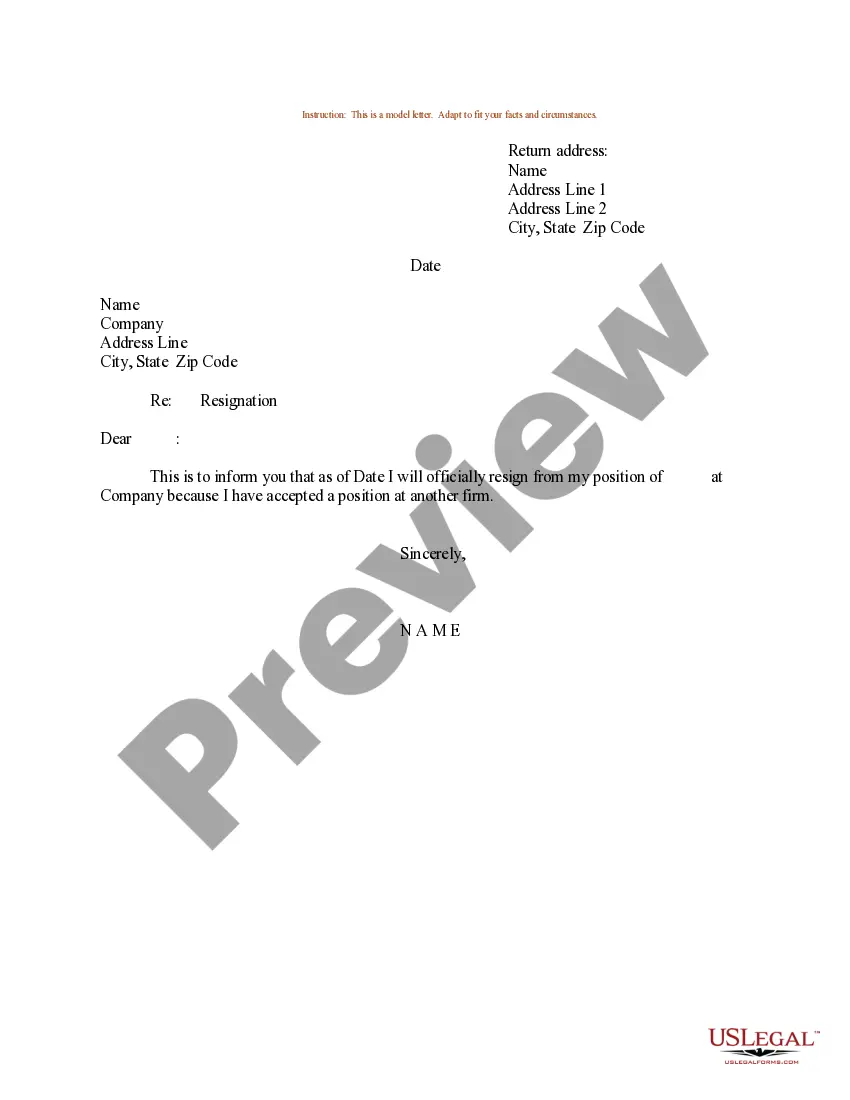
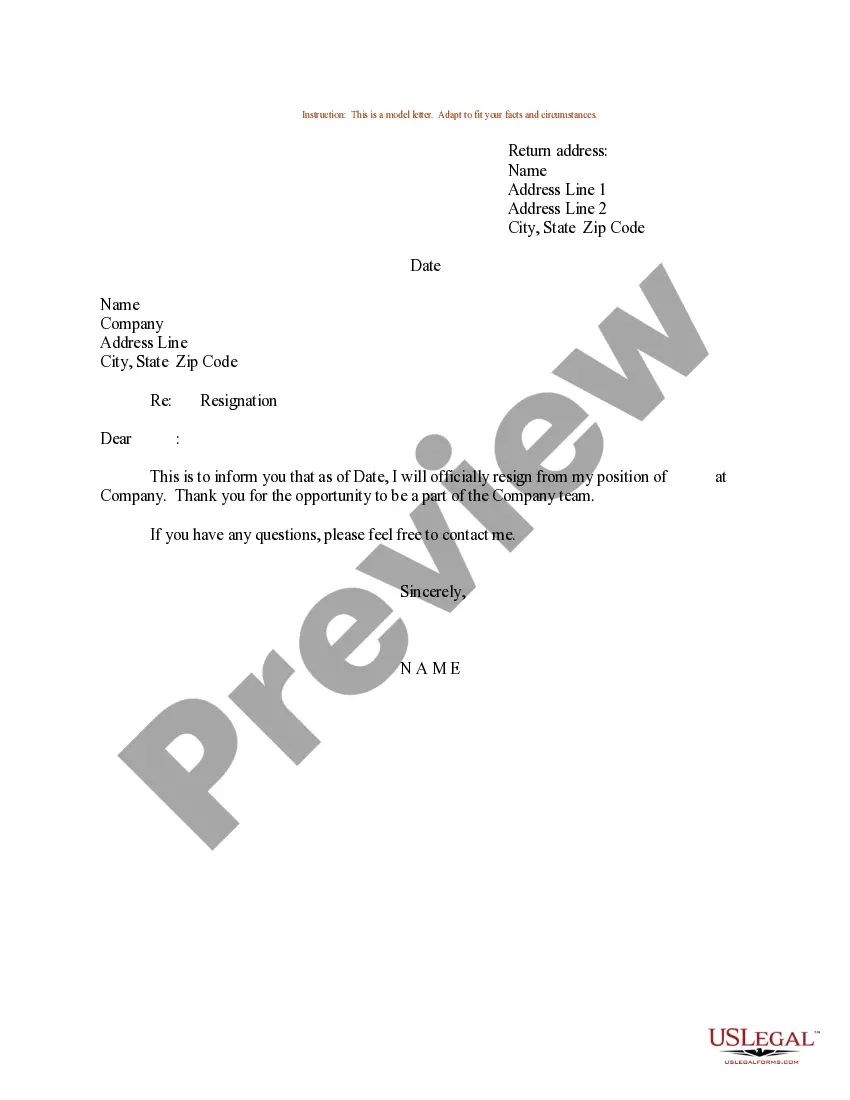

Get your form ready online
Our built-in tools help you complete, sign, share, and store your documents in one place.
Make edits, fill in missing information, and update formatting in US Legal Forms—just like you would in MS Word.
Download a copy, print it, send it by email, or mail it via USPS—whatever works best for your next step.
Sign and collect signatures with our SignNow integration. Send to multiple recipients, set reminders, and more. Go Premium to unlock E-Sign.
If this form requires notarization, complete it online through a secure video call—no need to meet a notary in person or wait for an appointment.
We protect your documents and personal data by following strict security and privacy standards.

Make edits, fill in missing information, and update formatting in US Legal Forms—just like you would in MS Word.

Download a copy, print it, send it by email, or mail it via USPS—whatever works best for your next step.

Sign and collect signatures with our SignNow integration. Send to multiple recipients, set reminders, and more. Go Premium to unlock E-Sign.

If this form requires notarization, complete it online through a secure video call—no need to meet a notary in person or wait for an appointment.

We protect your documents and personal data by following strict security and privacy standards.
Looking for another form?







Form popularity
FAQ
I sincerely apologize for the short notice. Thank you for the support and opportunities I have received during my time here. I truly appreciate it and will always be grateful for the experience at Company. While the timeframe is limited, I am happy to assist with the transition in any way I can.
How to write a resignation letter when you're unhappy with management Start with a date and time. Use a formal address. Detail the exact date you plan to leave. Explain your reason for resigning. Express your gratitude. Discuss transitioning your responsibilities. Request a recommendation letter for future employers.
Mention your reasons If you feel disappointed, you may express this along with your reasons. In your letter of resignation, you also have the opportunity to give your manager feedback about your experience for future candidates.
To make your letter heartfelt, thank your employer for the opportunity and express your gratitude for your time there. You might choose to mention relationships you made, skills you gained or experiences you had in your role. Again, you can make your letter heartfelt without making it too personal.
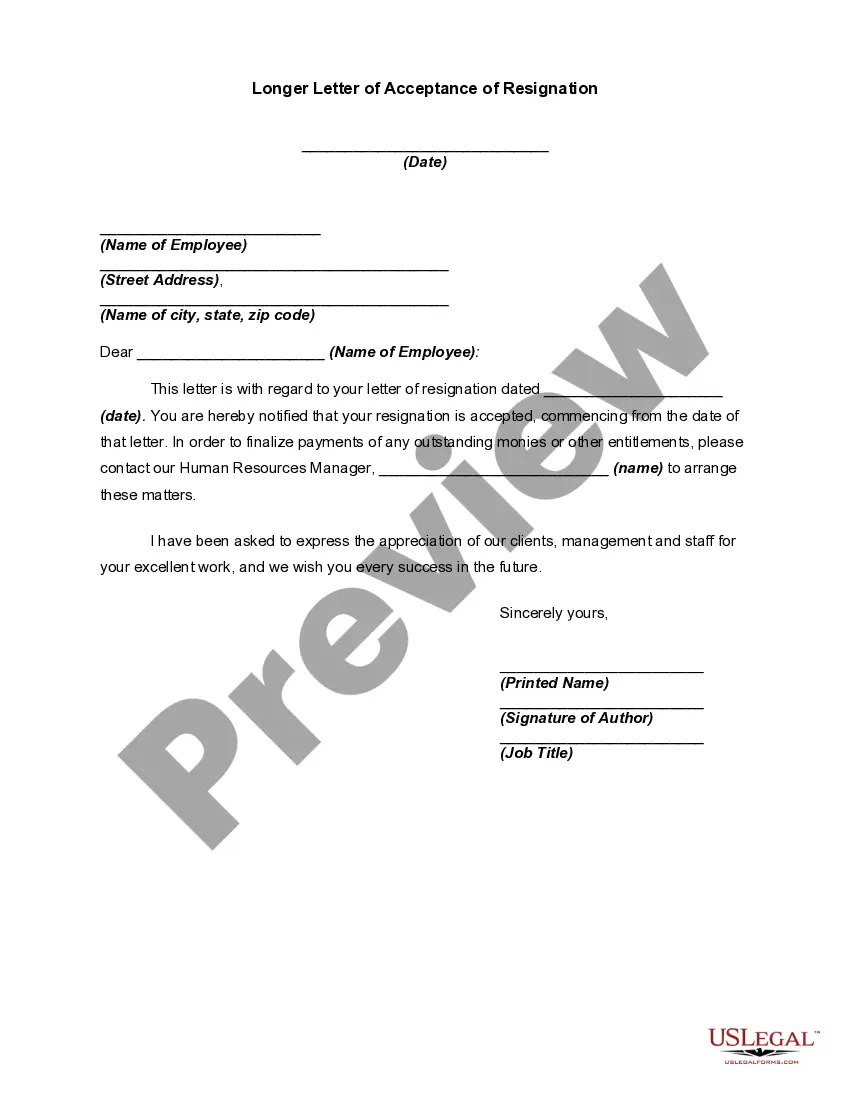
Dear Employee Name, I am writing to formally acknowledge receipt of your resignation notice on date. As you requested, your final day of work at Company Name will be end date. It is with great regret that we see you go.
Here are some tips for writing a professional resignation letter. A greeting: Start formal. A statement of resignation. Offer help with transitioning. Thank your employer for giving you a chance to be a part of their company, and for their time. Leave your contact information for your employer.
Emphasize how grateful you are for your experience at the company. Share how you plan to help the team during your transition out of the company. Talk about specific projects, opportunities, or support you received from the company and your teammates. The more specific you are, the more genuine you come across.
You do not have to respond formally when someone tells you they're resigning. But it's good practice to respond in writing. Your response should include: that you've received the employee's resignation.
Follow these steps to write a resignation acceptance letter: Use the right formatting and structure. Include the date and contact information. Include a salutation. Accept the resignation. Include the final date of employment. Add other information. Express appreciation. Add a complimentary close.
In the first paragraph of a resignation acceptance letter, employers should directly acknowledge the employee's intention to resign. Confirm the acceptance and be straightforward, while maintaining a positive and professional tone. Once the resignation letter has been acknowledged and accepted, express gratitude.