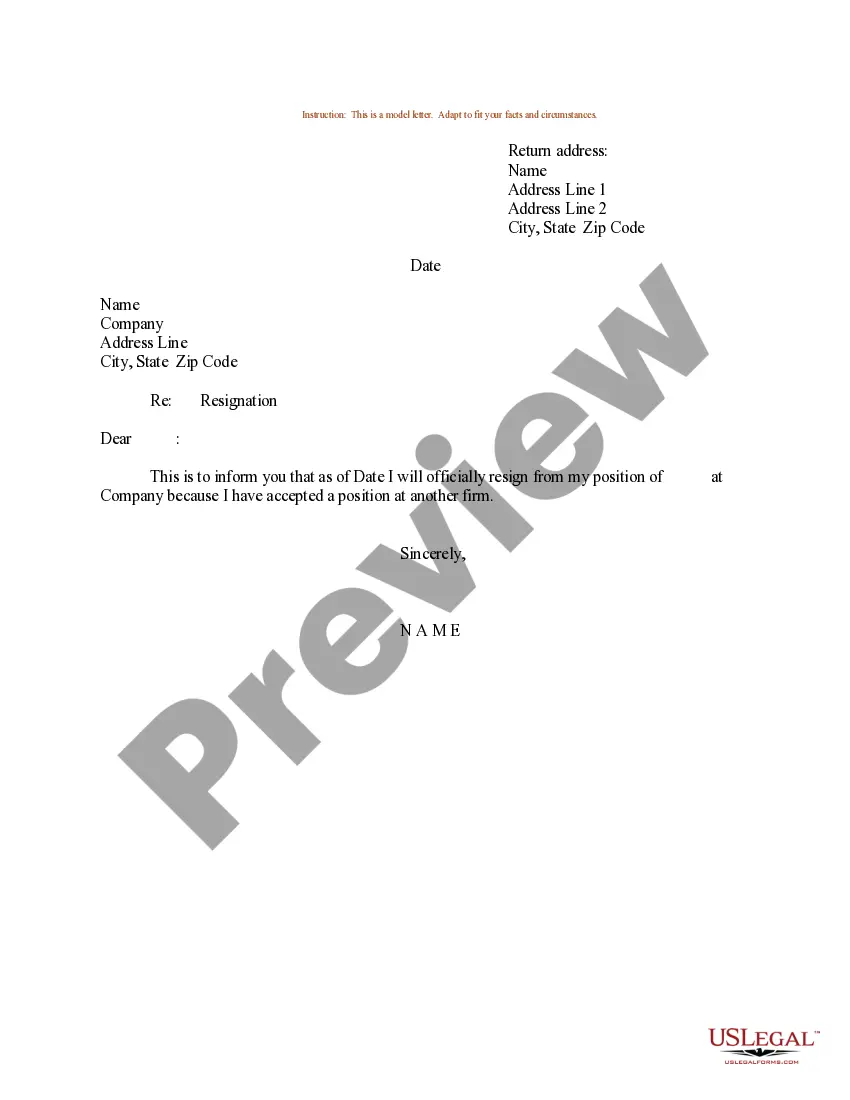
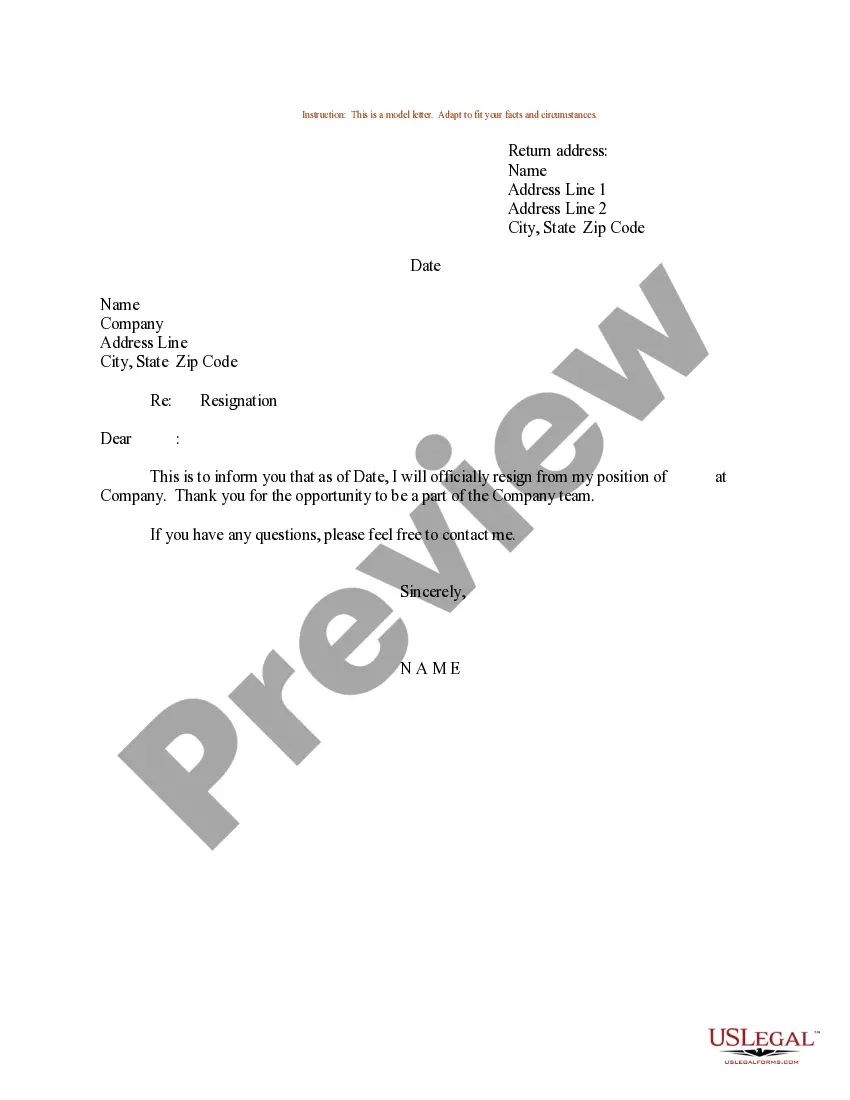
Email Resignation With Letter Attached In Kings
Description

Get your form ready online
Our built-in tools help you complete, sign, share, and store your documents in one place.
Make edits, fill in missing information, and update formatting in US Legal Forms—just like you would in MS Word.
Download a copy, print it, send it by email, or mail it via USPS—whatever works best for your next step.
Sign and collect signatures with our SignNow integration. Send to multiple recipients, set reminders, and more. Go Premium to unlock E-Sign.
If this form requires notarization, complete it online through a secure video call—no need to meet a notary in person or wait for an appointment.
We protect your documents and personal data by following strict security and privacy standards.

Make edits, fill in missing information, and update formatting in US Legal Forms—just like you would in MS Word.

Download a copy, print it, send it by email, or mail it via USPS—whatever works best for your next step.

Sign and collect signatures with our SignNow integration. Send to multiple recipients, set reminders, and more. Go Premium to unlock E-Sign.

If this form requires notarization, complete it online through a secure video call—no need to meet a notary in person or wait for an appointment.

We protect your documents and personal data by following strict security and privacy standards.
Looking for another form?




Form popularity
FAQ
Comments Section The order of proper resigning is basically: letter handed over directly, email, in person verbal, phone call, text, just never show up again. The short/standard answer is yes, quitting via email is considered unprofessional.
Wrong. If you're quitting a job, you'll want to do it properly – and that means speaking to your boss or HR team in person (if possible). Email is easy and quick, but it's impersonal.
An in-person resignation meeting conveys more respect and professionalism than simply sending a resignation email. That said, if an in-person meeting is not possible, then a well-crafted resignation email is an acceptable alternative.
The items you include are: A clear statement that expresses your intention to resign. Provide the proper amount of notice. Offer a transition plan. A short explanation about why you're leaving. A polite expression of gratitude. A statement about your immediate departure from the company. Criticism of your colleagues.
Yes, it is generally appropriate to email a two-week notice for resignation, especially in situations where remote work is common or if email is the standard mode of communication in your workplace. Here are a few reasons why this can be acceptable:
How to write a resignation email Choose a direct and descriptive email subject. Address the recipient professionally. State your intention to resign clearly and concisely. Provide your last working day. Express gratitude. Offer assistance during the transition period. Close the email respectfully.
How to write a resignation email Find out who should be the recipient(s). Write a professional subject line. Add all key components of a resignation email. Include a sentence to inform the recipient about the attachment. Attach the full resignation letter in a PDF format. Send a follow-up email.
Yes, it is generally considered appropriate to email a letter of resignation, especially in situations where remote work is common or if you are unable to deliver a physical copy in person. However, here are some guidelines to follow:
Dear Manager's Name, I am writing to formally notify you of my resignation from the position of job title at company name. My last day with the company will be date. During my time at company name, I have come to realise that the scope of the role is, unfortunately, not what I had anticipated.
You could resign purely over email, but it's not the best option. It's better to speak with your manager face-to-face or in an online meeting before emailing them about your resignation. This is more respectful and helps ensure you maintain a good relationship with the company.

