Resignation Letter Sample With Reason Bad Management In Franklin
Description
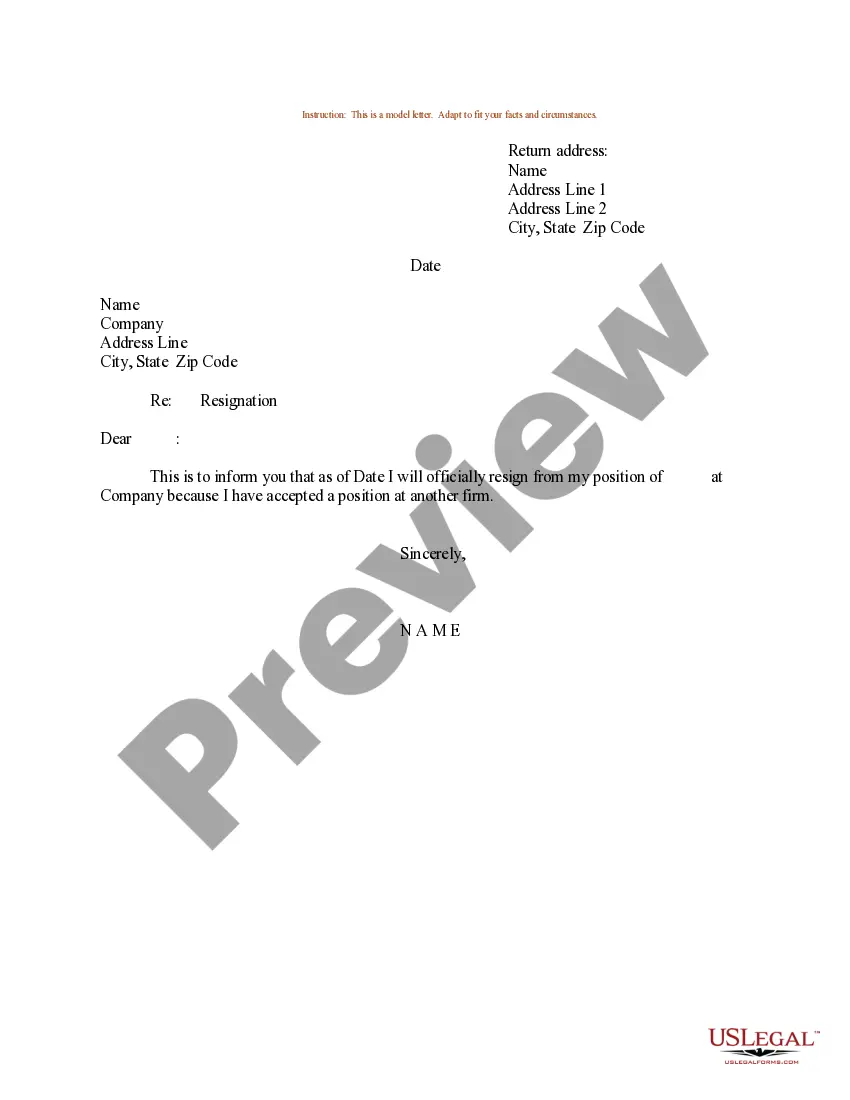
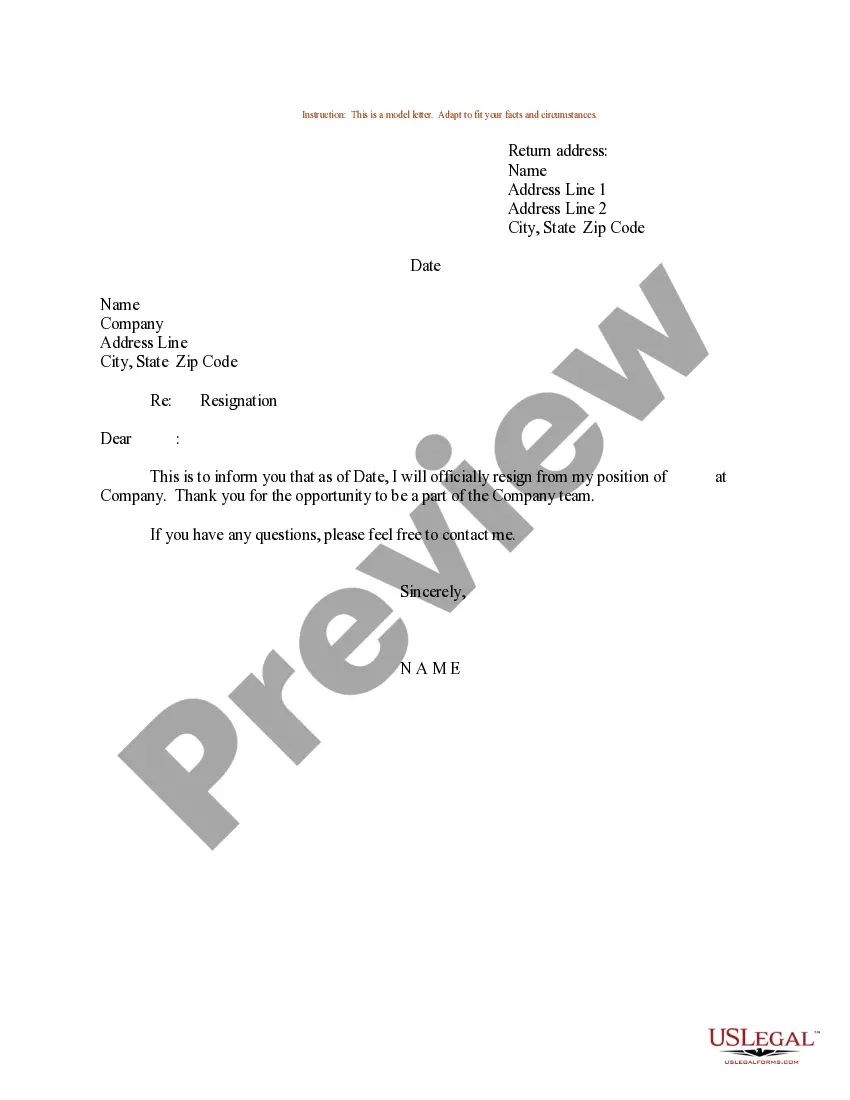
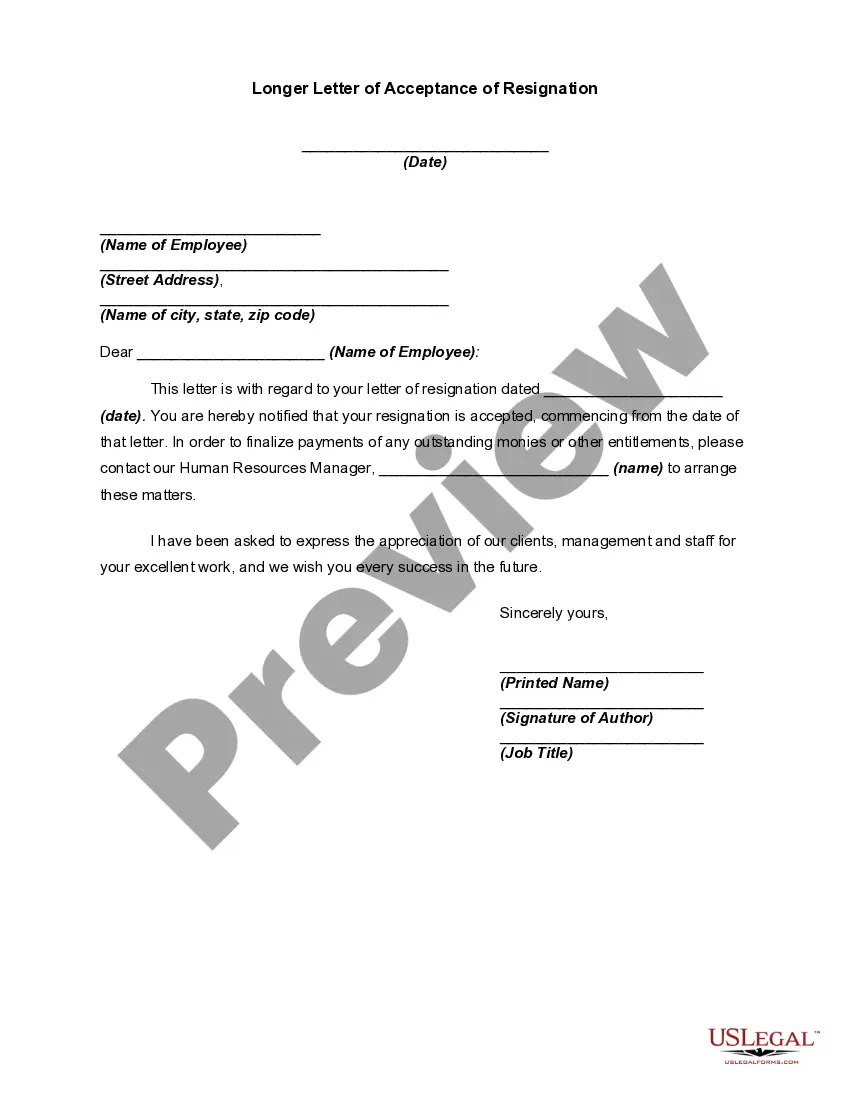

Get your form ready online
Our built-in tools help you complete, sign, share, and store your documents in one place.
Make edits, fill in missing information, and update formatting in US Legal Forms—just like you would in MS Word.
Download a copy, print it, send it by email, or mail it via USPS—whatever works best for your next step.
Sign and collect signatures with our SignNow integration. Send to multiple recipients, set reminders, and more. Go Premium to unlock E-Sign.
If this form requires notarization, complete it online through a secure video call—no need to meet a notary in person or wait for an appointment.
We protect your documents and personal data by following strict security and privacy standards.

Make edits, fill in missing information, and update formatting in US Legal Forms—just like you would in MS Word.

Download a copy, print it, send it by email, or mail it via USPS—whatever works best for your next step.

Sign and collect signatures with our SignNow integration. Send to multiple recipients, set reminders, and more. Go Premium to unlock E-Sign.

If this form requires notarization, complete it online through a secure video call—no need to meet a notary in person or wait for an appointment.

We protect your documents and personal data by following strict security and privacy standards.
Looking for another form?




Form popularity
FAQ
How to write a resignation letter due to poor management Clearly communicate your decision. Explain your reason for leaving (optional) Express your gratitude. Offer to assist with the transition. Close professionally. How can I prepare for an exit interview when I'm unhappy with management?
Writing a resignation letter due to unfair treatment Introduction: keep it formal and direct. State the reason professionally. Provide specific instances (optional) ... Acknowledge the positive (if possible) ... Offer to assist in transition. Conclusion: express final gratitude.
Here are seven steps to writing a resignation letter when unhappy with management at your workplace: Start with a date and time. Use a formal address. Detail the exact date you plan to leave. Explain your reason for resigning. Express your gratitude. Discuss transitioning your responsibilities.
You can explain that the relationship between you and your boss was not a good fit and that it made it difficult to remain in the role. It's also important to be diplomatic and avoid saying anything negative about your former employer. Instead, focus on what you learned and how it prepared you for the next position.
Examples Of How To Respond “While I enjoyed my time there, the company culture wasn't aligned with my values. “The work environment at my previous job didn't support career development. “The challenges I faced in my last role highlighted my need for increased autonomy and decision-making authority.
What to include in a resignation letter to express your views An explanation. Explaining the reason for your resignation may give insight into why you're unhappy with management. Proper notification. Gratitude. Consider the reasons for your resignation. Format your letter. Maintain a pleasant tone.
Tips to help you dump your bad boss while maintaining your professionalism Document any toxic behavior from your boss. Get references before you quit. Do not complain about your current job during interviews. Try to avoid quitting without notice. Do not jump out of the frying pan into the fire.
You might want to say, “I'm out of here,” or “I can't take your BS anymore.” You might even want to be more explicit, telling your boss they have a toxic style and is losing people, including you, because they don't know how to manage. That would feel good in the moment.
Here's an overview of how to write a formal resignation letter to your manager when you're leaving because of unfair treatment: Include your contact details. Address the right person. Use a clear and direct opening. State your last day of work. Mention your reasons. Suggest feedback and solutions (optional).

