Resignation Letter Sample With Reason Bad Management In Allegheny
Description
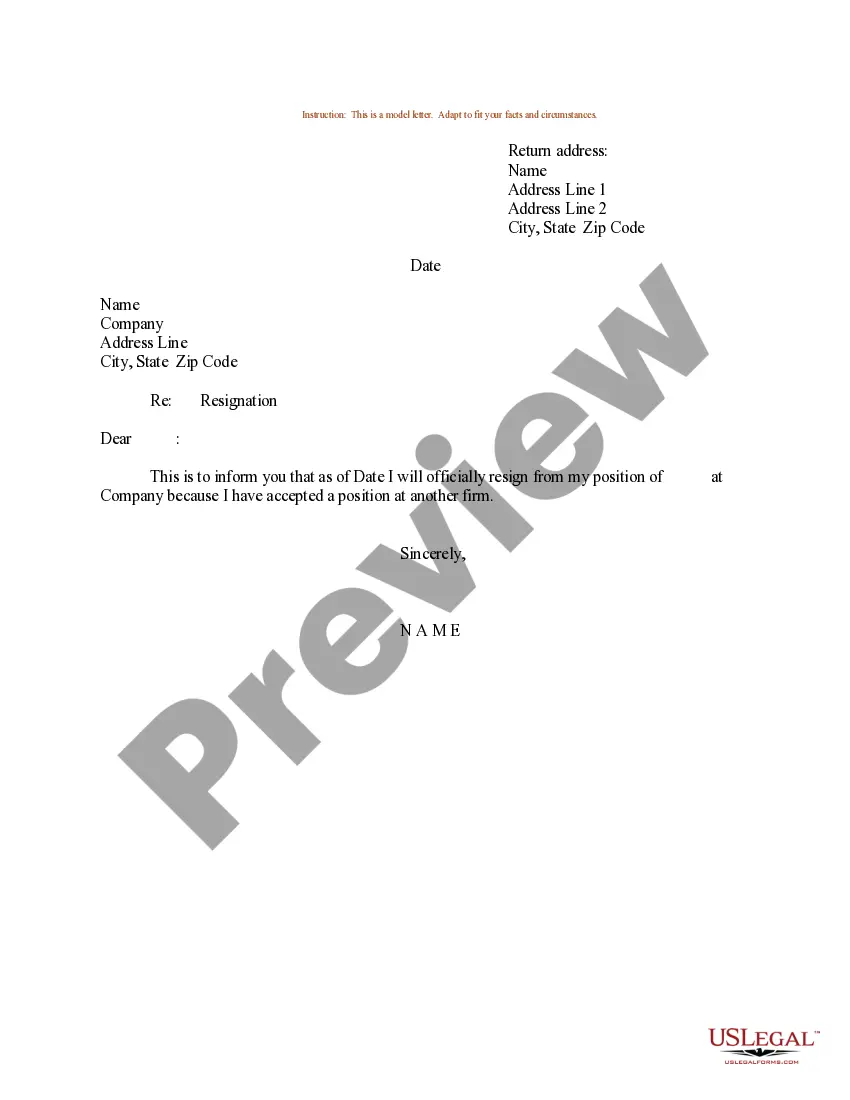
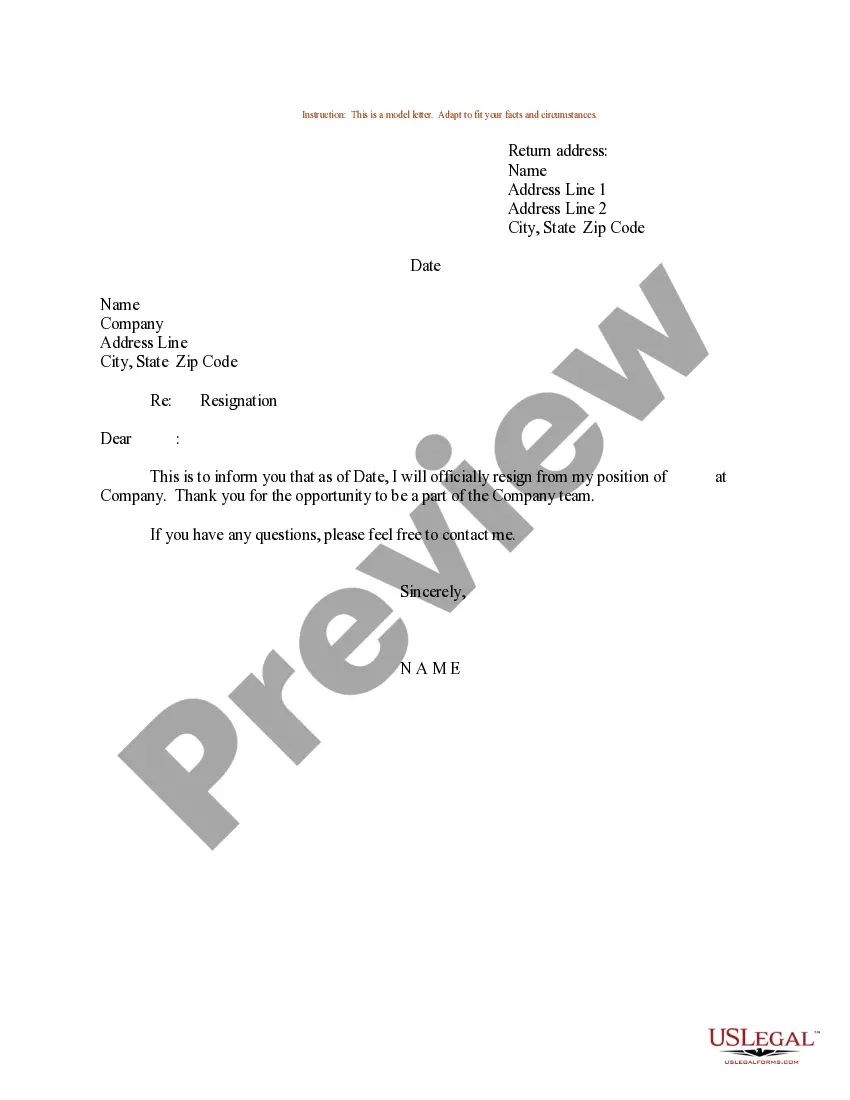

Get your form ready online
Our built-in tools help you complete, sign, share, and store your documents in one place.
Make edits, fill in missing information, and update formatting in US Legal Forms—just like you would in MS Word.
Download a copy, print it, send it by email, or mail it via USPS—whatever works best for your next step.
Sign and collect signatures with our SignNow integration. Send to multiple recipients, set reminders, and more. Go Premium to unlock E-Sign.
If this form requires notarization, complete it online through a secure video call—no need to meet a notary in person or wait for an appointment.
We protect your documents and personal data by following strict security and privacy standards.

Make edits, fill in missing information, and update formatting in US Legal Forms—just like you would in MS Word.

Download a copy, print it, send it by email, or mail it via USPS—whatever works best for your next step.

Sign and collect signatures with our SignNow integration. Send to multiple recipients, set reminders, and more. Go Premium to unlock E-Sign.

If this form requires notarization, complete it online through a secure video call—no need to meet a notary in person or wait for an appointment.

We protect your documents and personal data by following strict security and privacy standards.
Looking for another form?







Form popularity
FAQ
You could say, ``I left my job due to challenges with management.'' If you want to provide more context, you might say, ``I decided to leave my position because I was facing difficulties with management that affected my work experience.'' This communicates the reason clearly while maintaining professionalism.
How to write a resignation letter when you're unhappy with management Start with a date and time. Use a formal address. Detail the exact date you plan to leave. Explain your reason for resigning. Express your gratitude. Discuss transitioning your responsibilities. Request a recommendation letter for future employers.
Avoid accusatory language or venting frustrations. Focus on stating your intention to resign, effective on a specific date, without going into extensive detail about the unfair treatment. A simple statement like ``I am writing to inform you of my resignation from (position), effective (date)'' is sufficient.
Gather records and document why your work environment was toxic before resigning, ensuring you'll have evidence if you make a claim later. To avoid burning bridges, stay polite and professional when submitting your resignation, give your employer a full two weeks' notice, and participate in any offboarding formalities.
The main details to include are your intent to resign, the date of your last day in the office, and the reason for your departure. Although it's not necessary to include a reason, it's worth mentioning the unfair treatment you experienced. You can mention specific instances but keep the details factual and concise.
Unfair treatment is unkind, inequitable, or improper treatment of an employee, either by another employee or by upper management. Unfair treatment can range from cruelly worded emails or rude comments to being left out of meetings or fired for the wrong reasons.
Even if all you can provide is one week of notice, do your best to make that happen. Make certain that you let your boss and coworkers know that you will do everything you can to help with the transition process. Offer to assist with training someone to take your place until the company hires a replacement.
Examples Of How To Respond “While I enjoyed my time there, the company culture wasn't aligned with my values. “The work environment at my previous job didn't support career development. “The challenges I faced in my last role highlighted my need for increased autonomy and decision-making authority.
Or if the leadership of your company was incompetent, you can say the company was headed in a direction that didn't align with your career goals. By describing your reasons in this way you go from “this person was wrong/ this decision was bad” to “I didn't agree with X situation” and “I prefer X over Y.”

