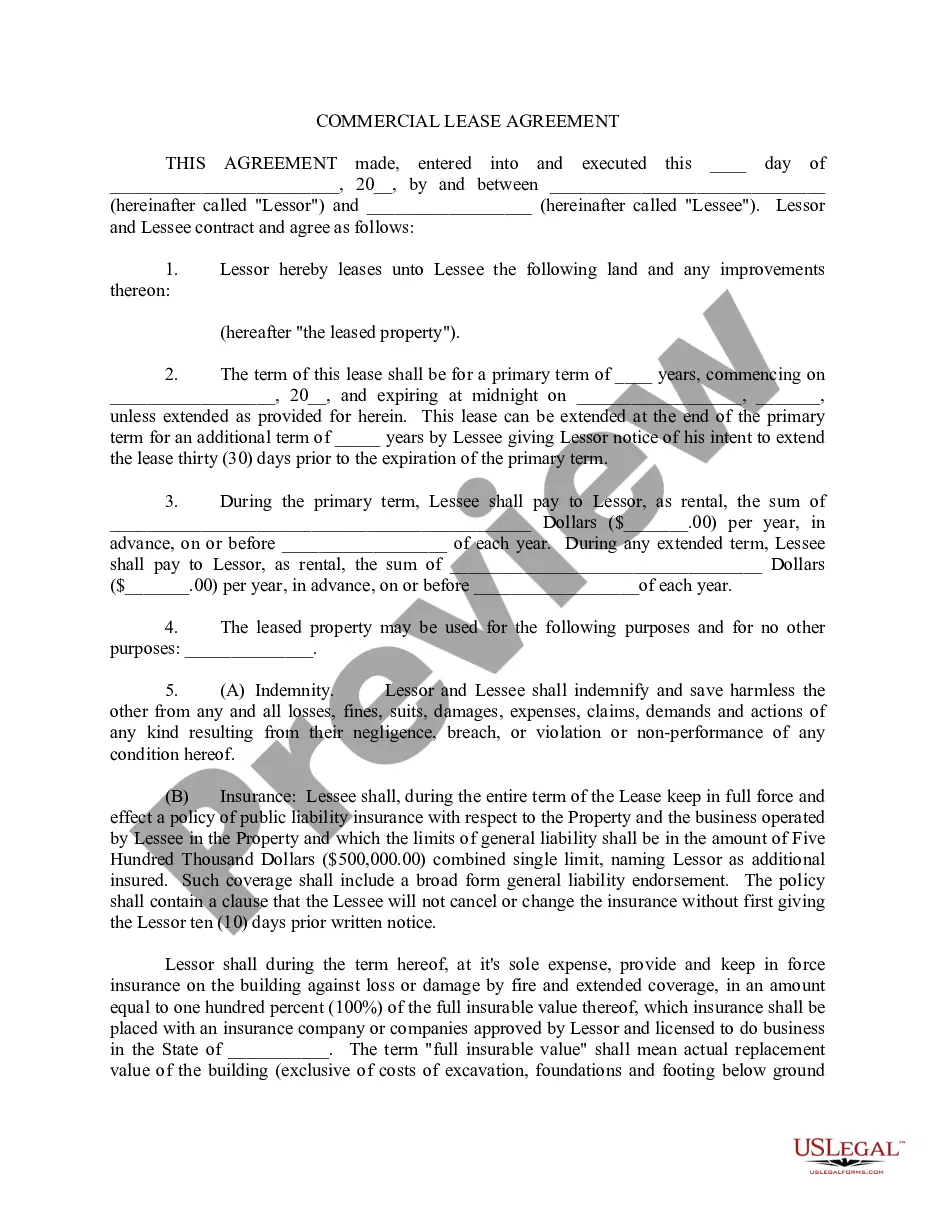
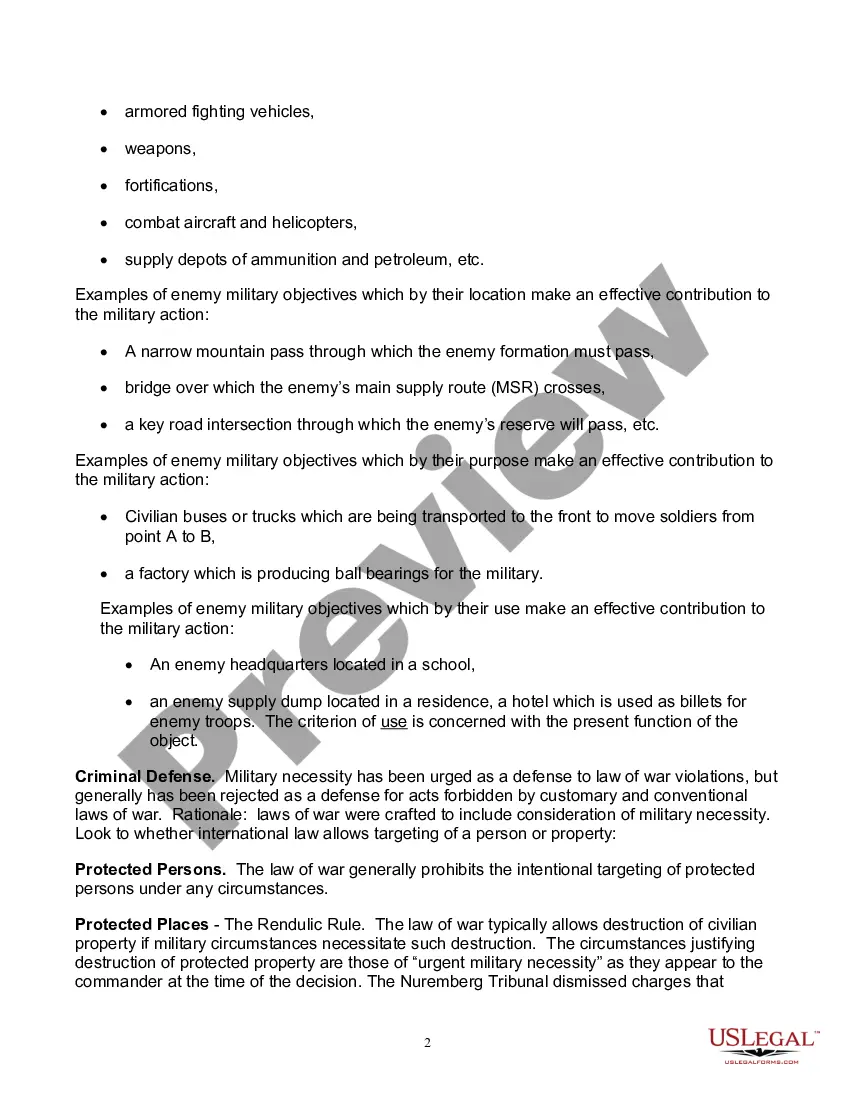
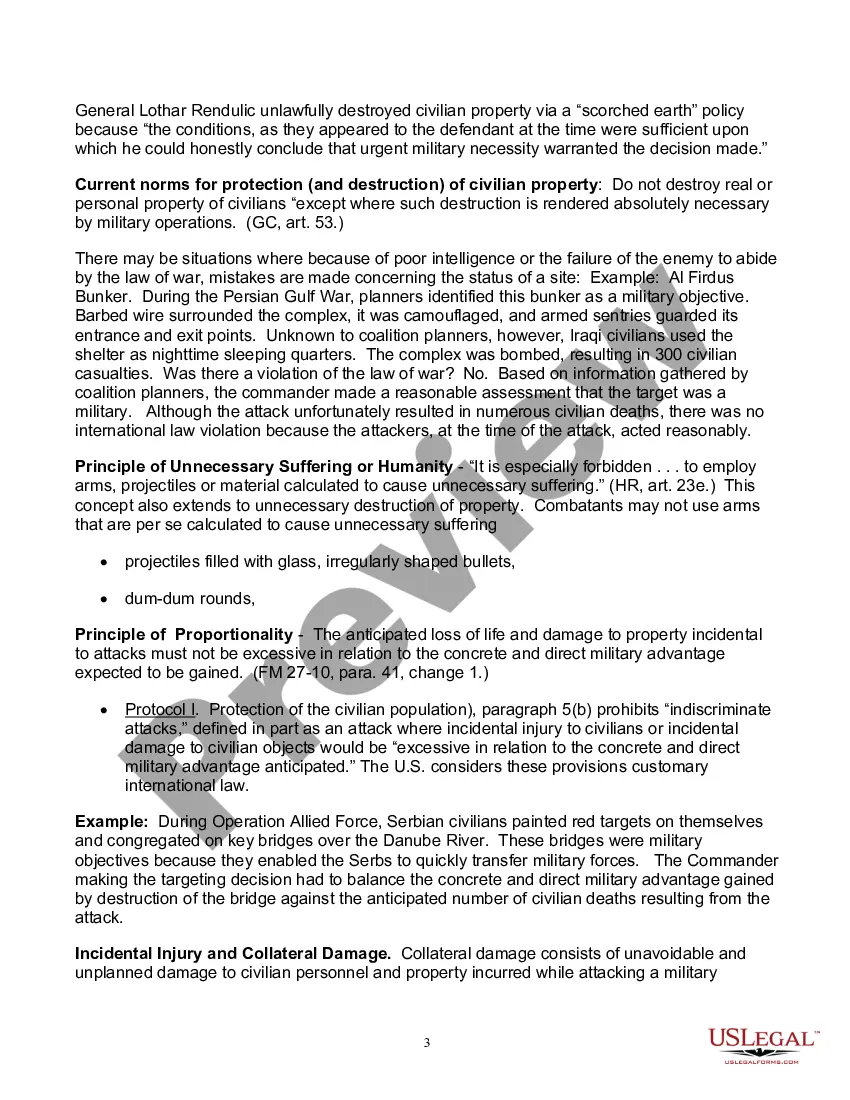
Principles Of Law In Texas
Description
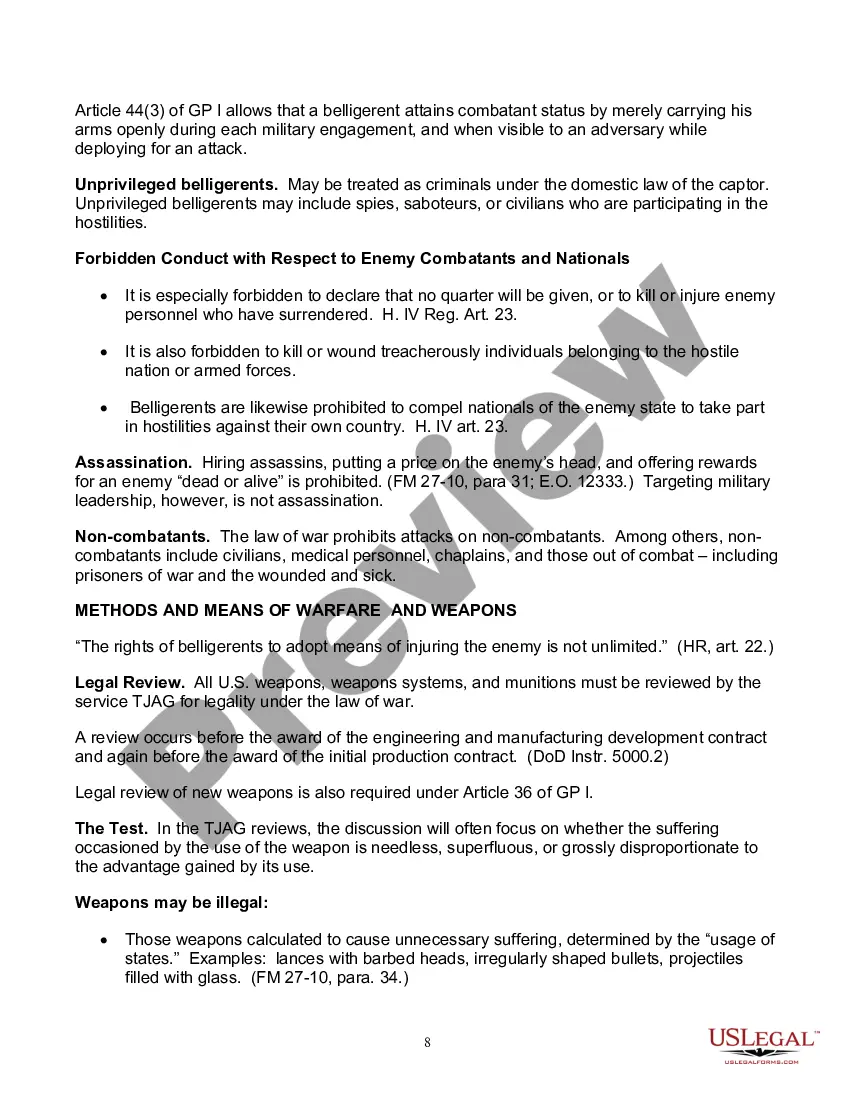
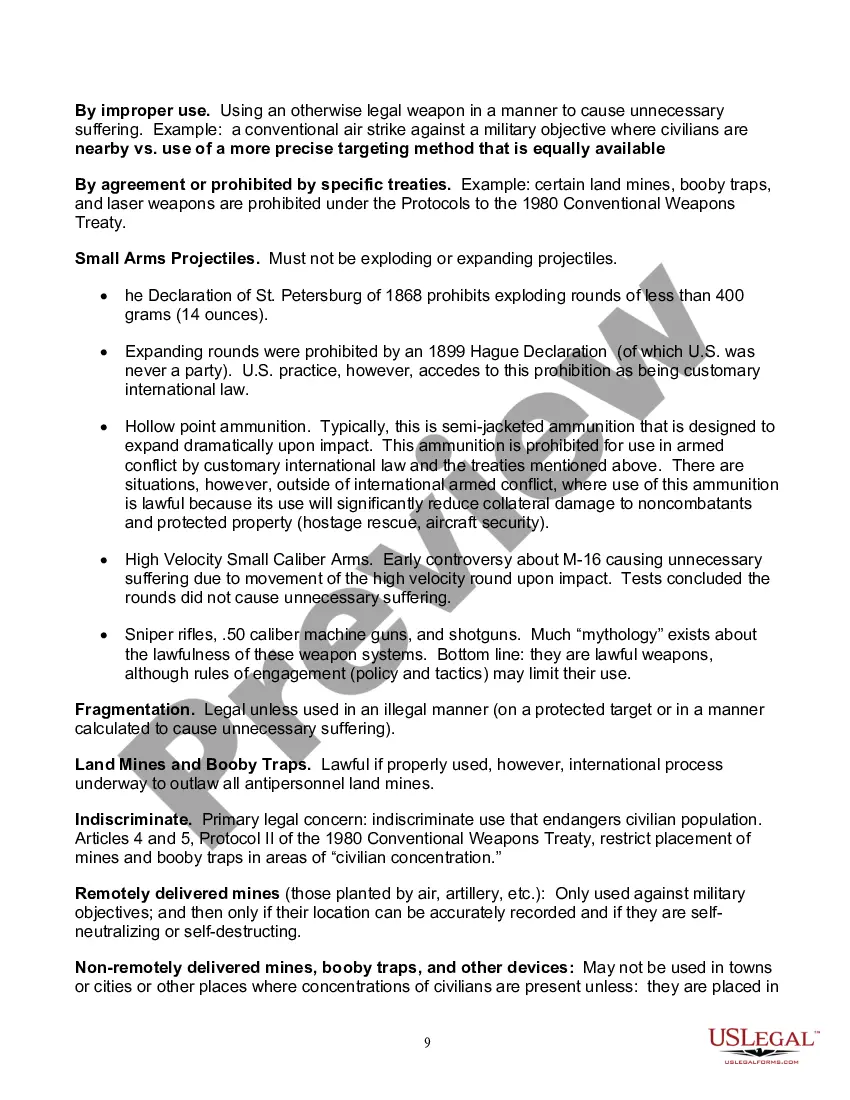
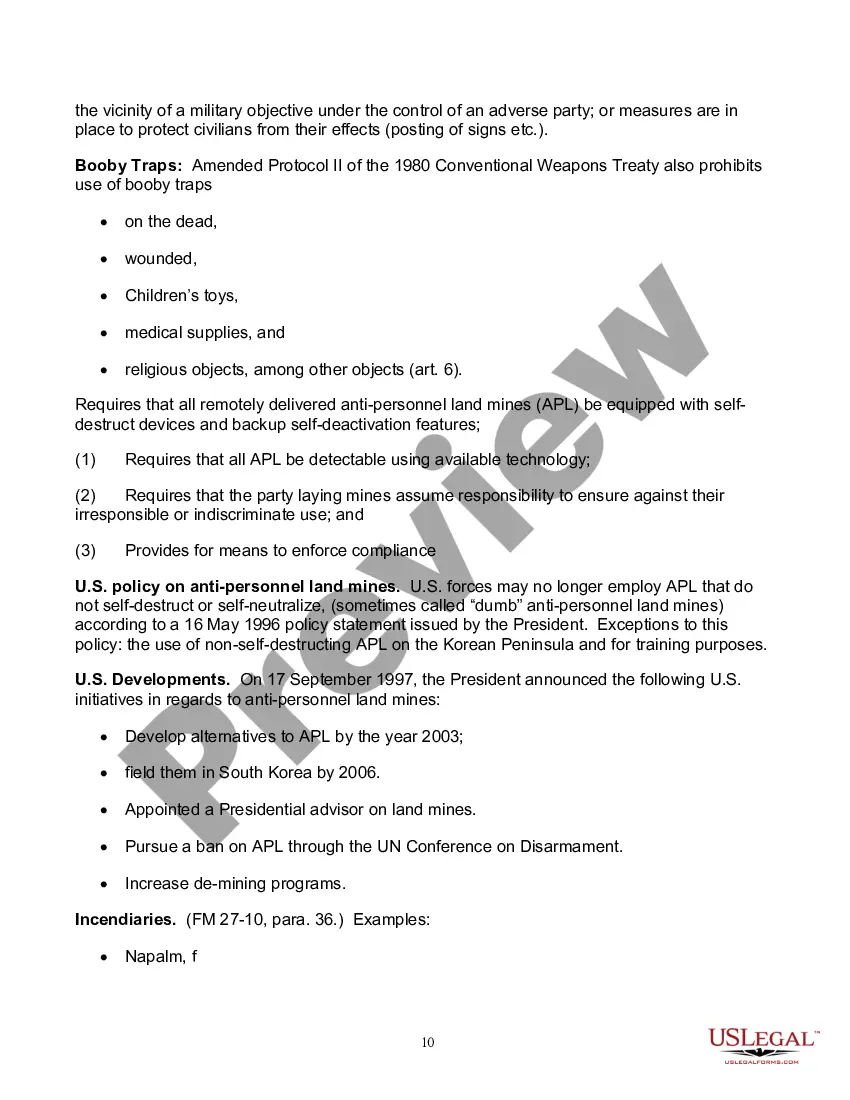

Get your form ready online
Our built-in tools help you complete, sign, share, and store your documents in one place.
Make edits, fill in missing information, and update formatting in US Legal Forms—just like you would in MS Word.
Download a copy, print it, send it by email, or mail it via USPS—whatever works best for your next step.
Sign and collect signatures with our SignNow integration. Send to multiple recipients, set reminders, and more. Go Premium to unlock E-Sign.
If this form requires notarization, complete it online through a secure video call—no need to meet a notary in person or wait for an appointment.
We protect your documents and personal data by following strict security and privacy standards.

Make edits, fill in missing information, and update formatting in US Legal Forms—just like you would in MS Word.

Download a copy, print it, send it by email, or mail it via USPS—whatever works best for your next step.

Sign and collect signatures with our SignNow integration. Send to multiple recipients, set reminders, and more. Go Premium to unlock E-Sign.

If this form requires notarization, complete it online through a secure video call—no need to meet a notary in person or wait for an appointment.

We protect your documents and personal data by following strict security and privacy standards.
Looking for another form?






Form popularity
FAQ
These hotlines are staffed by attorneys Monday through Friday, a.m. to p.m. The Hope Line is available at (800) 374-4673. The Pro-Bono Attorney Line is available at (800) 374-4674.
Abandoned property belongs to whomever finds it. Lost property belongs to whomever finds it, subject only to a claim by the true owner. Mislaid property belongs to the owner of the property on which it is found, subject only to a claim by the true owner.
The Constitution of Texas is the foremost source of state law. Legislation is enacted by the Texas Legislature, published in the General and Special Laws, and codified in the Texas Statutes.
Course Description: The course provides students with an overview of the skills necessary for careers in law, law enforcement, fire service, security, and corrections.
To find laws by subject, begin with either the Texas Code from Westlaw or the Texas Statutes database from the Texas Legislature Online. Otherwise, the best place to begin is with the cumulative indexes to Vernon's Texas Statutes and Codes Annotated .
To find laws by subject, begin with either the Texas Code from Westlaw or the Texas Statutes database from the Texas Legislature Online. Otherwise, the best place to begin is with the cumulative indexes to Vernon's Texas Statutes and Codes Annotated .
Attending a school accredited by the American Bar Association (ABA) is mandatory to become a lawyer in Texas. While there aren't any specific undergraduate degree requirements for law school, studying in an area related to the field is beneficial.
General principles of law are legal norms existing among the majority of nations. Enduring examples of general principles of law, typically followed in most jurisdictions, are the doctrines of good faith, estoppel, and equity.
What are the 4 rules of law? The four rules of law are accountability, open government, just law, and accessible and impartial justice. These ensure that government officials are not above the law, that decisions are transparent, that laws are fairly designed, and that the law is impartially enforced.
The rule of law is a durable system of laws, institutions, norms, and community commitment that delivers four universal principles: accountability, just law, open government, and accessible and impartial justice. Accountability The government as well as private actors are accountable under the law.