Contract Law In Uk In Texas
Description

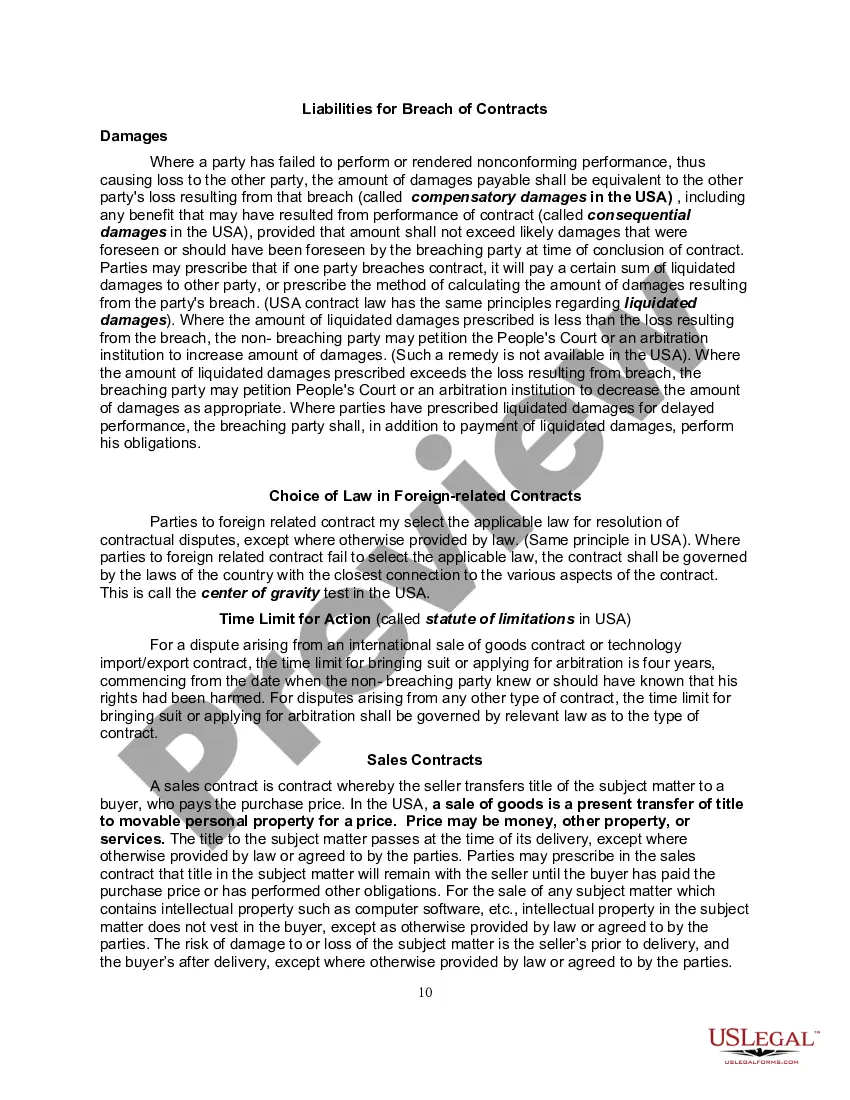


Get your form ready online
Our built-in tools help you complete, sign, share, and store your documents in one place.
Make edits, fill in missing information, and update formatting in US Legal Forms—just like you would in MS Word.
Download a copy, print it, send it by email, or mail it via USPS—whatever works best for your next step.
Sign and collect signatures with our SignNow integration. Send to multiple recipients, set reminders, and more. Go Premium to unlock E-Sign.
If this form requires notarization, complete it online through a secure video call—no need to meet a notary in person or wait for an appointment.
We protect your documents and personal data by following strict security and privacy standards.

Make edits, fill in missing information, and update formatting in US Legal Forms—just like you would in MS Word.

Download a copy, print it, send it by email, or mail it via USPS—whatever works best for your next step.

Sign and collect signatures with our SignNow integration. Send to multiple recipients, set reminders, and more. Go Premium to unlock E-Sign.

If this form requires notarization, complete it online through a secure video call—no need to meet a notary in person or wait for an appointment.

We protect your documents and personal data by following strict security and privacy standards.
Looking for another form?







Form popularity
FAQ
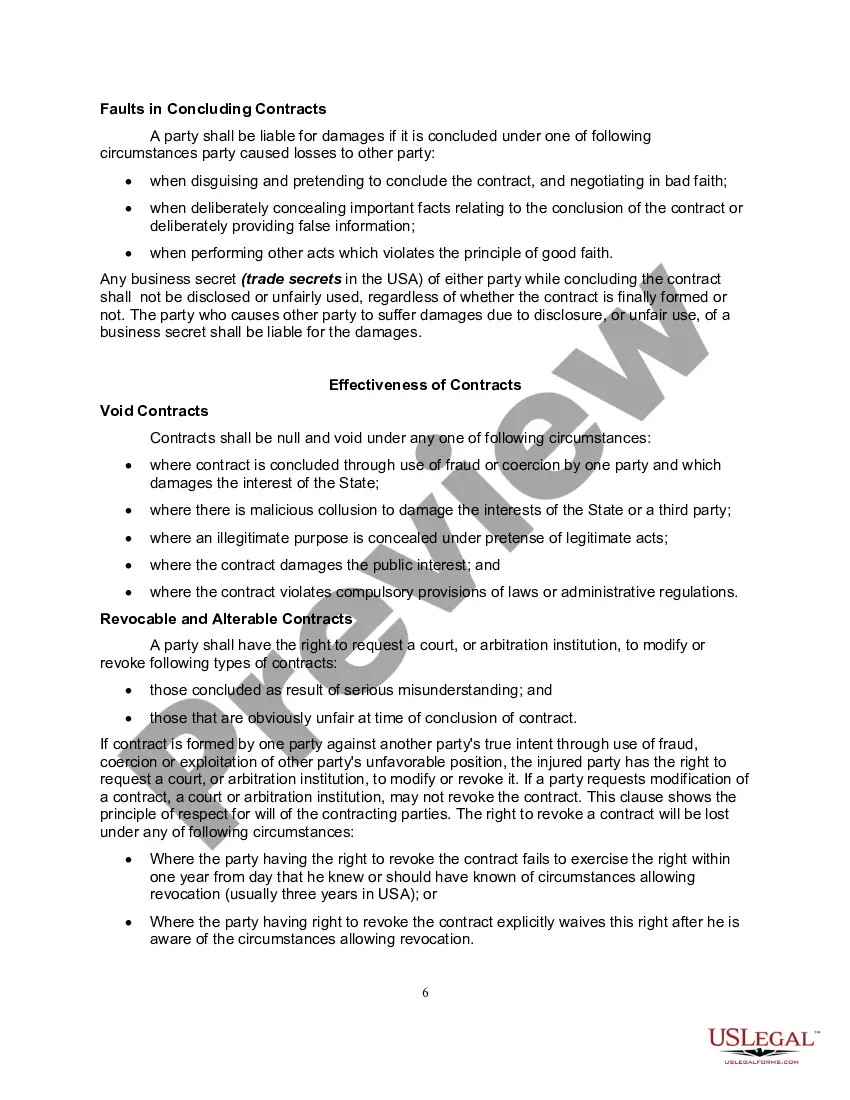
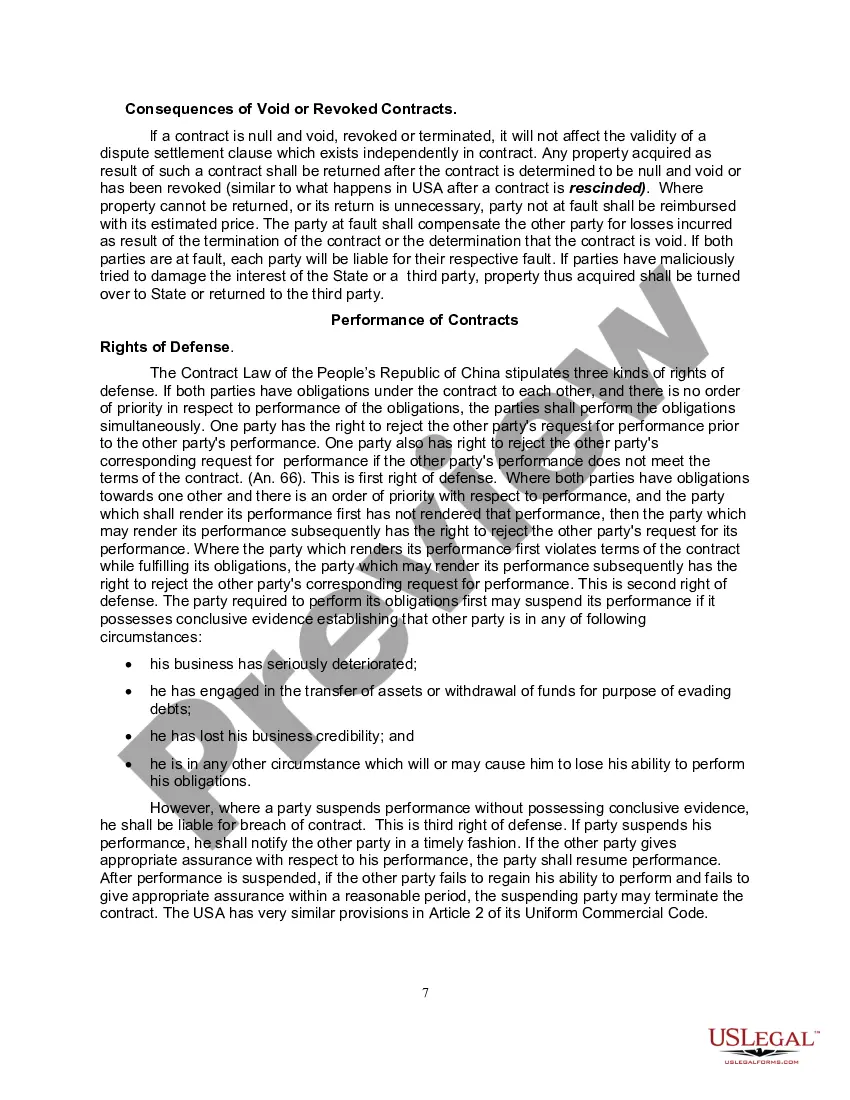
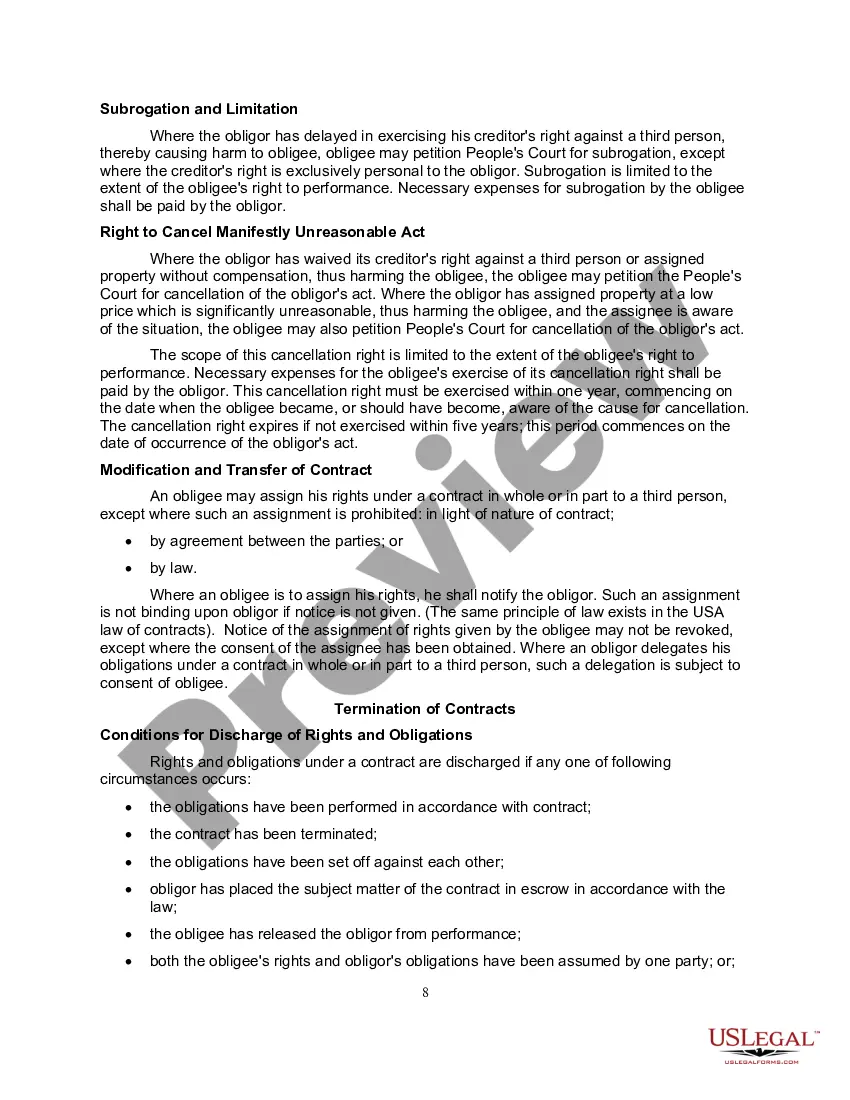
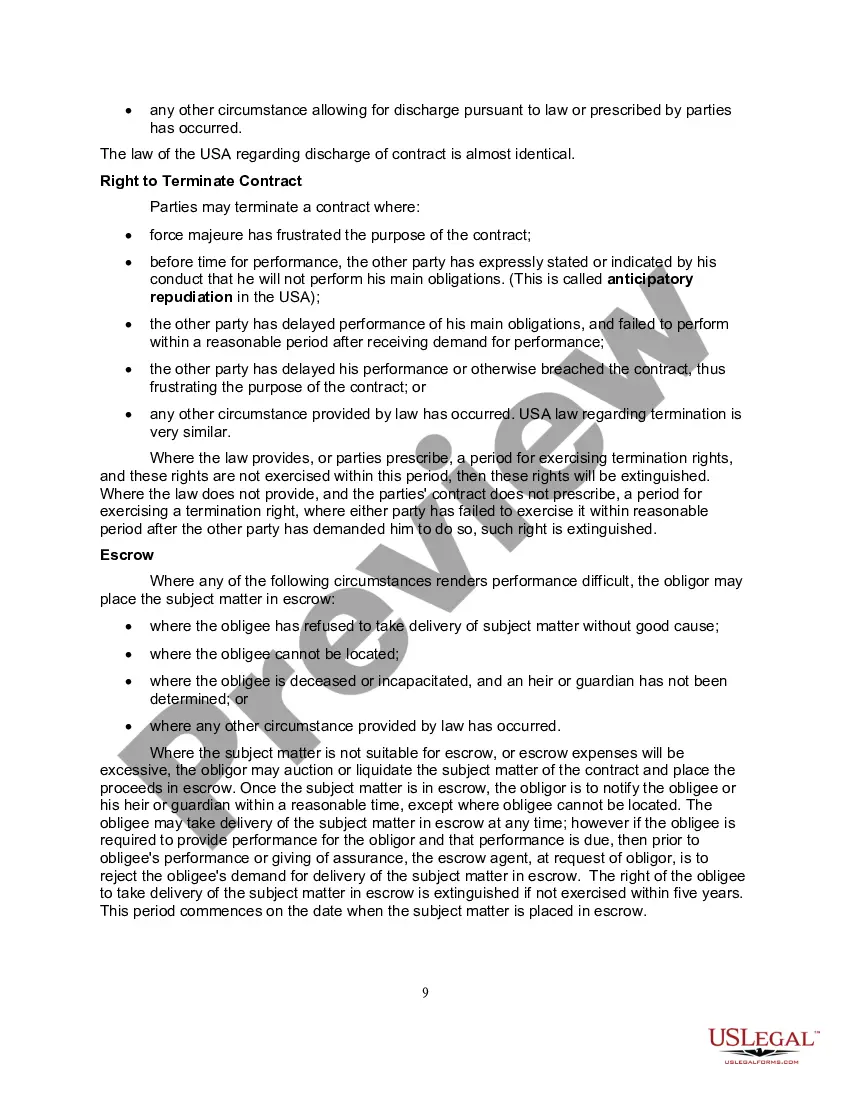
Here is a brief overview of the essential elements of a valid contract under Texas law. There Must Be an Offer. There Must Be Acceptance. There Must Be Mutual Consideration. The Parties Must Be Capable of Forming a Contract. The Contract Must Be For a Legal Purpose. The Contract Should Be in Writing.
The enforceability of a Texas contract relies on several factors. The first one being mutual agreement between the parties, where they both accept and understand the definite terms stated in an offer. If both parties do not completely agree on the terms, then the contract is considered invalid.
With that in mind, let's consider the basic legal elements of a contract. Under Texas law, a binding contract typically consists of six essential elements. Offer and Acceptance. Legal Purpose. Mutual Assent. Sufficiently Defined Terms. Consideration. Competent Parties. Protect your interests by getting legal advice.
7 Essential Elements of A Contract Offer. For there to be a contract, there must first be an offer by one party and an acceptance by the other. Acceptance. Acceptance is the agreement to the specific conditions of an offer. Consideration. Intention to create legal relations. Authority and capacity. Certainty.
Generally, to be legally valid, most contracts must contain two elements: All parties must agree about an offer made by one party and accepted by the other. Something of value must be exchanged for something else of value.
Mutual Assent: A "Meeting of the Minds" of Offer & Acceptance. A legally recognized offer and an acceptance create a "meeting of the minds", or mutual assent, between the parties. The law requires the parties to a contract to demonstrate mutual assent to the contracts' terms.
The basic elements required for the agreement to be a legally enforceable contract are: mutual assent, expressed by a valid offer and acceptance; adequate consideration; capacity; and legality. In some states, elements of consideration can be satisfied by a valid substitute.
For a contract to be legally binding, there must be: an offer; acceptance of that offer; consideration between contracting parties; an intention to create legal relationships shown by both parties; and. clarity in the contract's terms.
International agreements are formal understandings or commitments between two or more countries. An agreement between two countries is called “bilateral,” while an agreement between several countries is “multilateral.” The countries bound by an international agreement are generally referred to as “States Parties.”
