Contract Law For Small Business In Michigan
Description



Get your form ready online
Our built-in tools help you complete, sign, share, and store your documents in one place.
Make edits, fill in missing information, and update formatting in US Legal Forms—just like you would in MS Word.
Download a copy, print it, send it by email, or mail it via USPS—whatever works best for your next step.
Sign and collect signatures with our SignNow integration. Send to multiple recipients, set reminders, and more. Go Premium to unlock E-Sign.
If this form requires notarization, complete it online through a secure video call—no need to meet a notary in person or wait for an appointment.
We protect your documents and personal data by following strict security and privacy standards.

Make edits, fill in missing information, and update formatting in US Legal Forms—just like you would in MS Word.

Download a copy, print it, send it by email, or mail it via USPS—whatever works best for your next step.

Sign and collect signatures with our SignNow integration. Send to multiple recipients, set reminders, and more. Go Premium to unlock E-Sign.

If this form requires notarization, complete it online through a secure video call—no need to meet a notary in person or wait for an appointment.

We protect your documents and personal data by following strict security and privacy standards.
Looking for another form?






Form popularity
FAQ
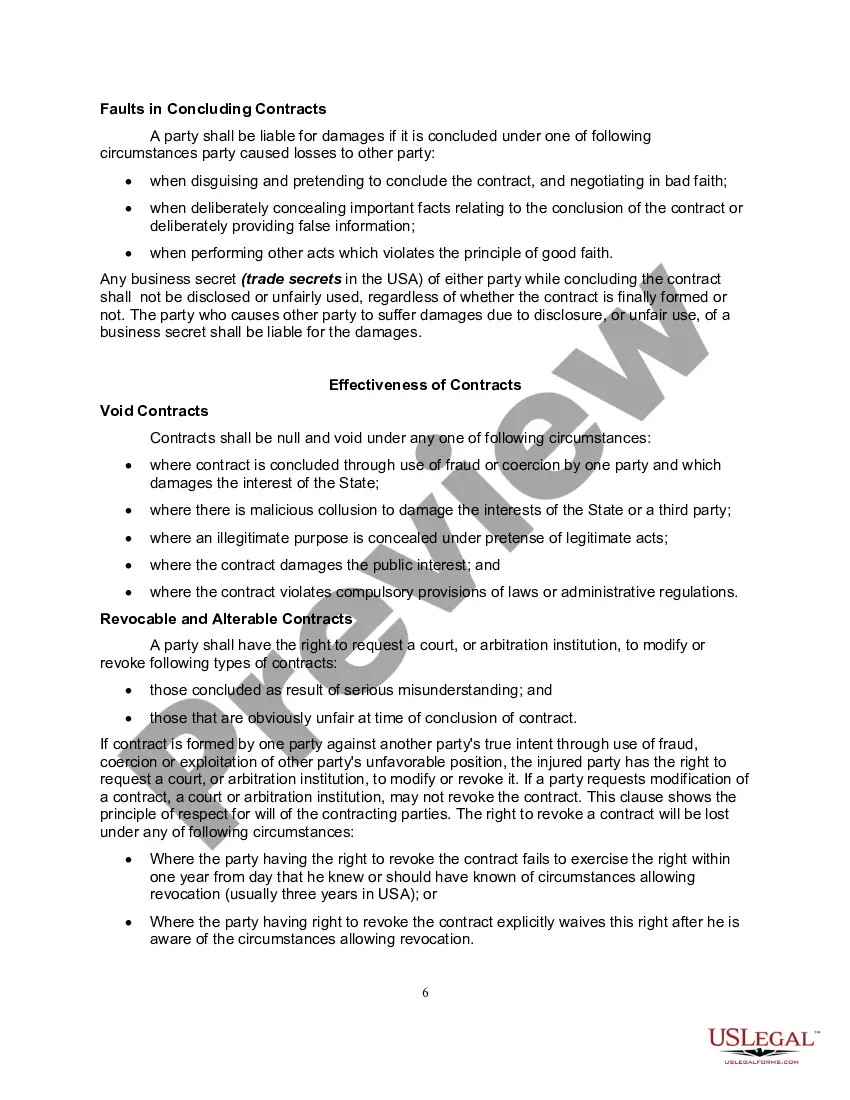
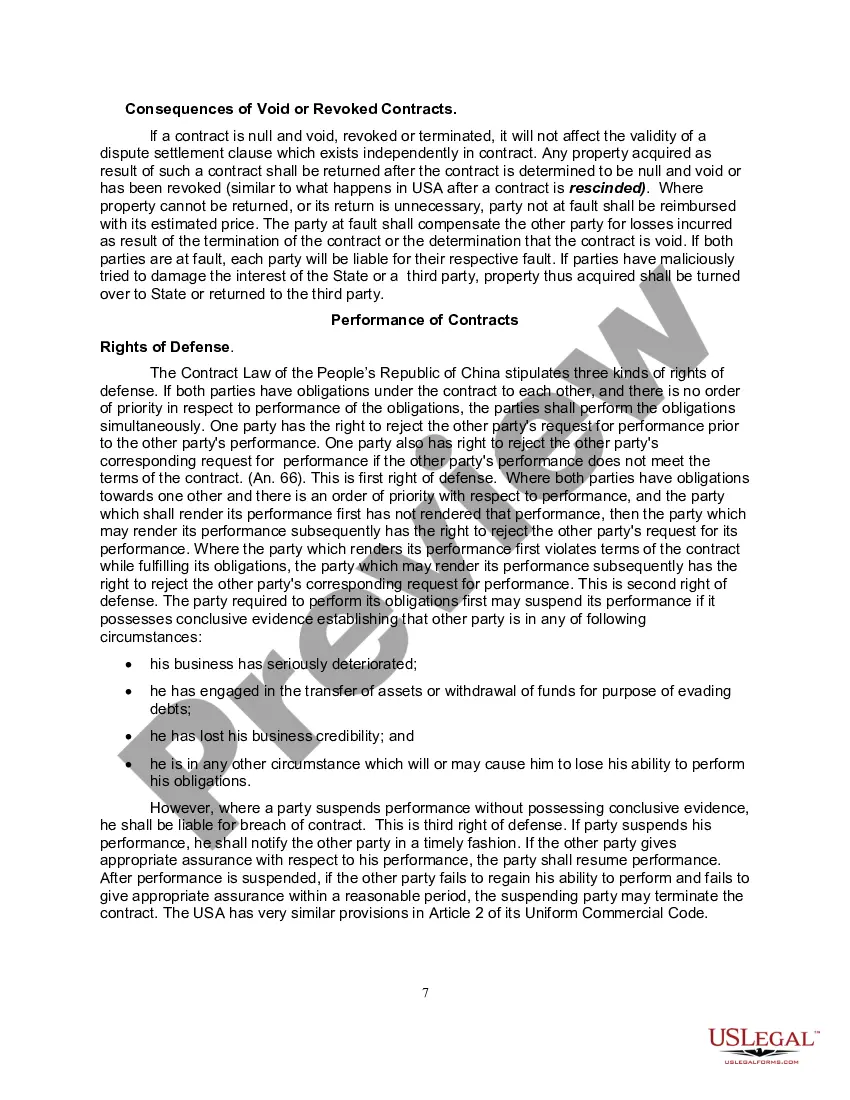
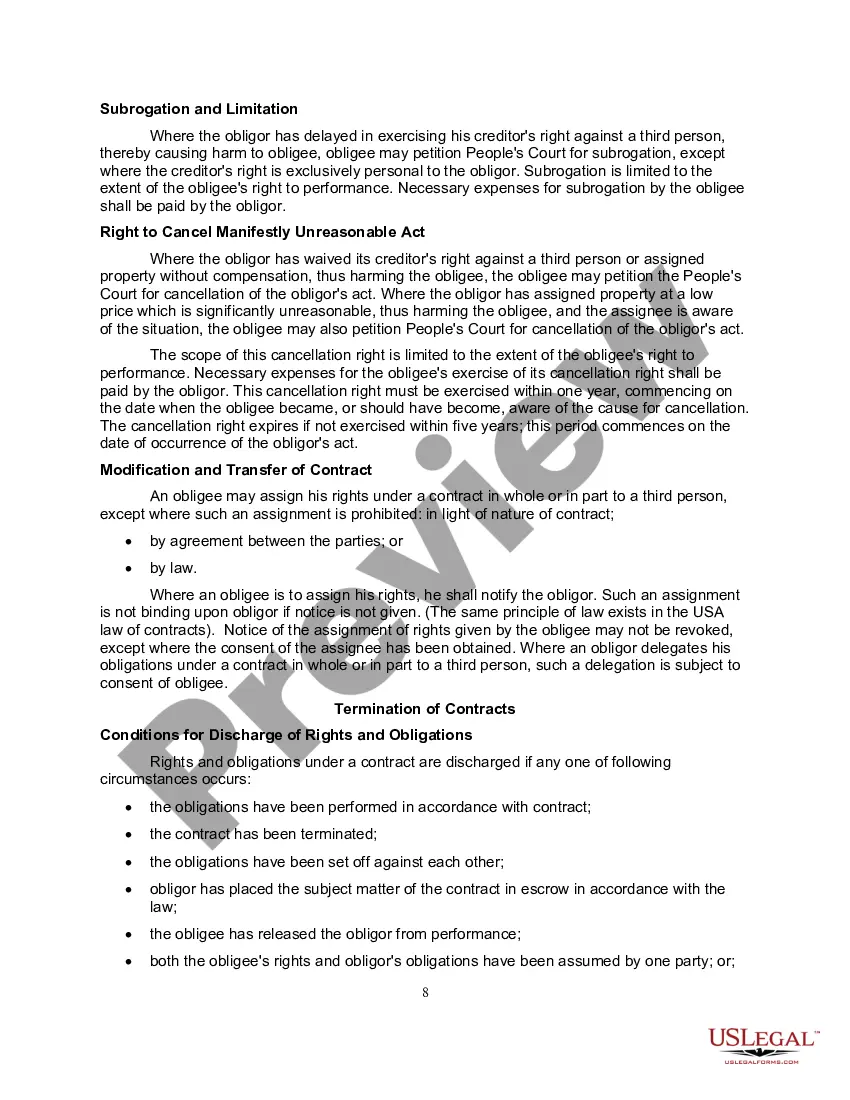
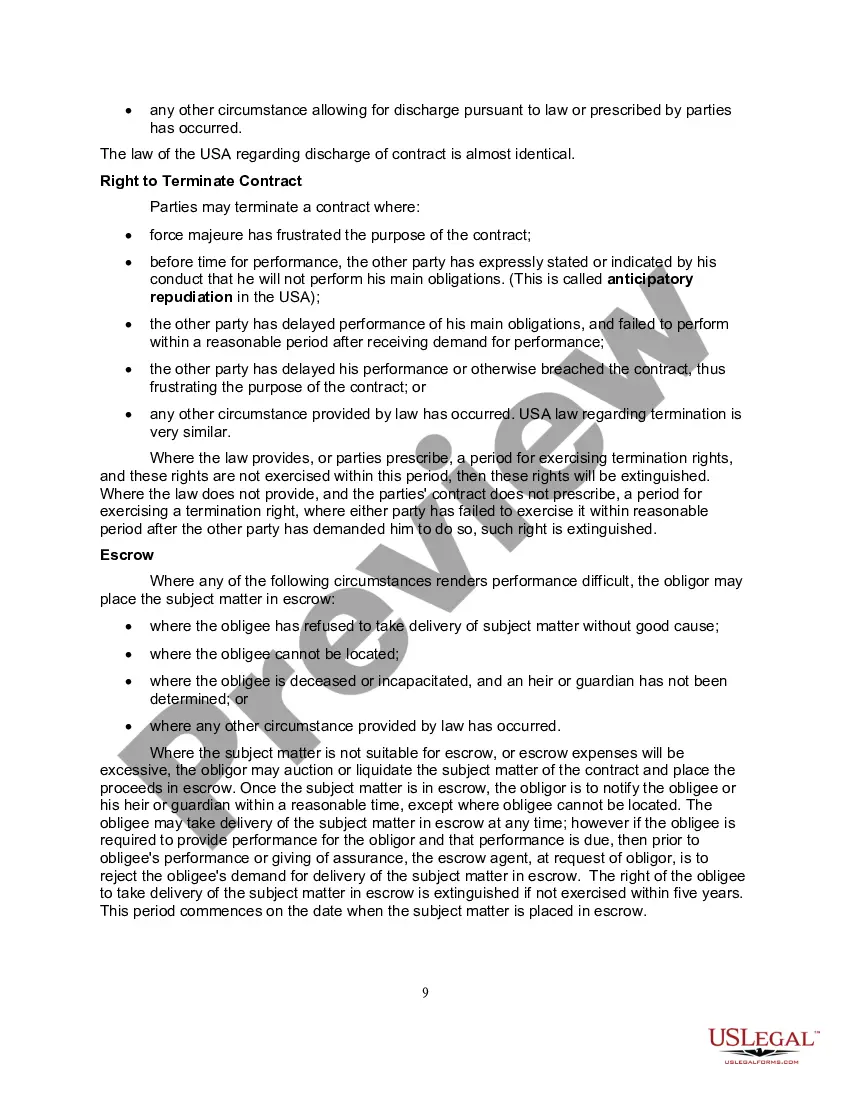
Mutuality or intention — The understanding that both parties expect to be bound by the contract and to fulfill their end of the bargain. Legality — The contract has to obey all federal, state, and local laws. You can't make a contract for something illegal.
Small businesses domiciled in the State of Michigan with fewer than 500 employees and annual gross revenues equal to or less than $25,000,000 (or a 3-year average of less than $20M) are eligible to be 'certified small' by the Small Business Association of Michigan.
A contract is an agreement between parties, creating mutual obligations that are enforceable by law. The basic elements required for the agreement to be a legally enforceable contract are: mutual assent, expressed by a valid offer and acceptance; adequate consideration; capacity; and legality.
Contracts are made up of three basic parts – an offer, an acceptance and consideration. The offer and acceptance are what the purpose of the agreement is between the parties.
A. contract may be formed when two or more parties each promise to perform or to refrain from performing some act now or in the future. A party who does not fulfill his or her promise may be subject to sanctions, including damages or, under some circumstances, being required to perform the promise.
Mutuality of Obligation: Conditions for All Signees Mutuality of obligation means that both parties to the contract are bound by its terms. Mutuality is not present if one party is obligated to perform, but the other party is not. A contract will be found void if it lacks mutuality of obligation.
How to write a contract agreement in 7 steps. Determine the type of contract required. Confirm the necessary parties. Choose someone to draft the contract. Write the contract with the proper formatting. Review the written contract with a lawyer. Send the contract agreement for review or revisions.
A contract is an agreement between parties, creating mutual obligations that are enforceable by law. The basic elements required for the agreement to be a legally enforceable contract are: mutual assent, expressed by a valid offer and acceptance; adequate consideration; capacity; and legality.
Offer: A clear proposal to make a deal. Acceptance: A definite agreement to the terms of the offer. Consideration: Something of value exchanged between the parties. Intention to Create Legal Relations: A mutual intention to form a legally binding agreement.
Per contract law, a contract is only considered to be legally binding if it is mutually beneficial for all parties involved. This is also known as consideration.
