Contract Law In India In King
Description

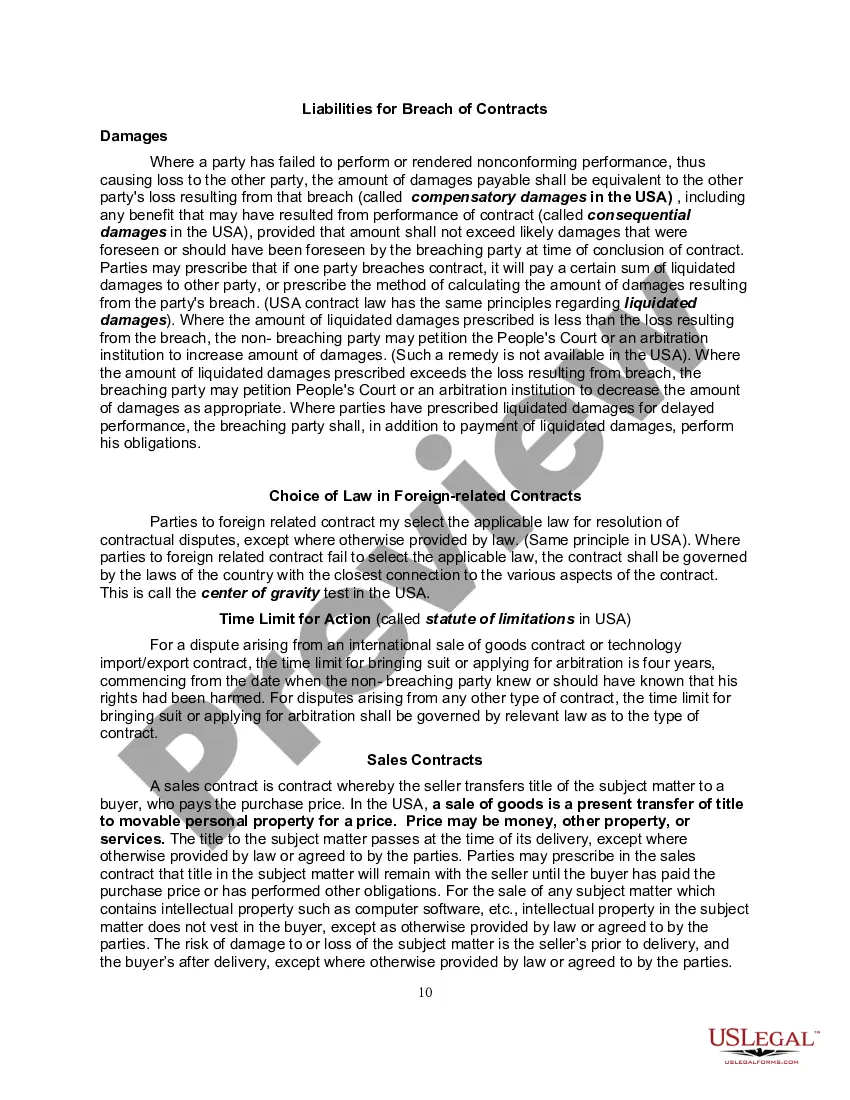


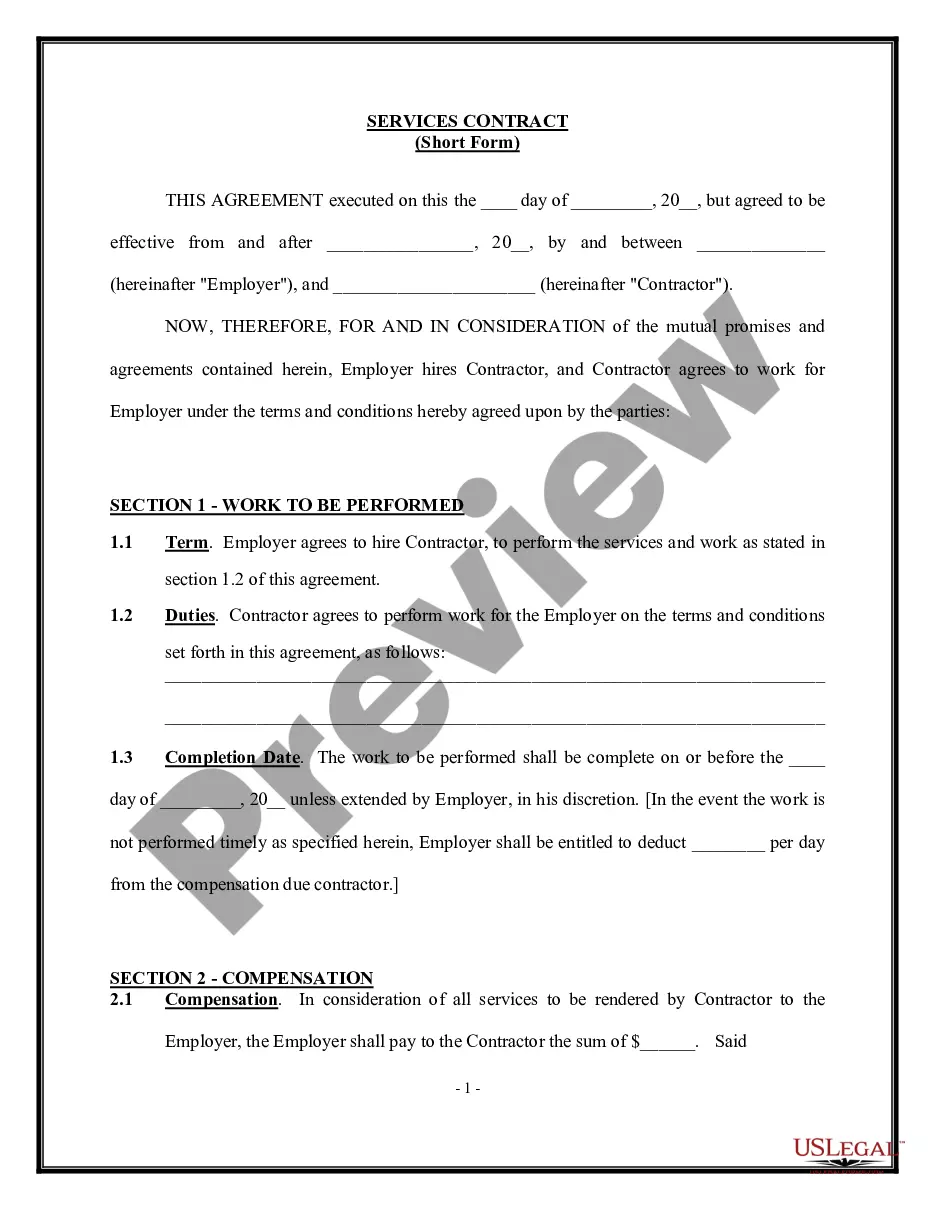
Get your form ready online
Our built-in tools help you complete, sign, share, and store your documents in one place.
Make edits, fill in missing information, and update formatting in US Legal Forms—just like you would in MS Word.
Download a copy, print it, send it by email, or mail it via USPS—whatever works best for your next step.
Sign and collect signatures with our SignNow integration. Send to multiple recipients, set reminders, and more. Go Premium to unlock E-Sign.
If this form requires notarization, complete it online through a secure video call—no need to meet a notary in person or wait for an appointment.
We protect your documents and personal data by following strict security and privacy standards.

Make edits, fill in missing information, and update formatting in US Legal Forms—just like you would in MS Word.

Download a copy, print it, send it by email, or mail it via USPS—whatever works best for your next step.

Sign and collect signatures with our SignNow integration. Send to multiple recipients, set reminders, and more. Go Premium to unlock E-Sign.

If this form requires notarization, complete it online through a secure video call—no need to meet a notary in person or wait for an appointment.

We protect your documents and personal data by following strict security and privacy standards.
Looking for another form?









Form popularity
FAQ
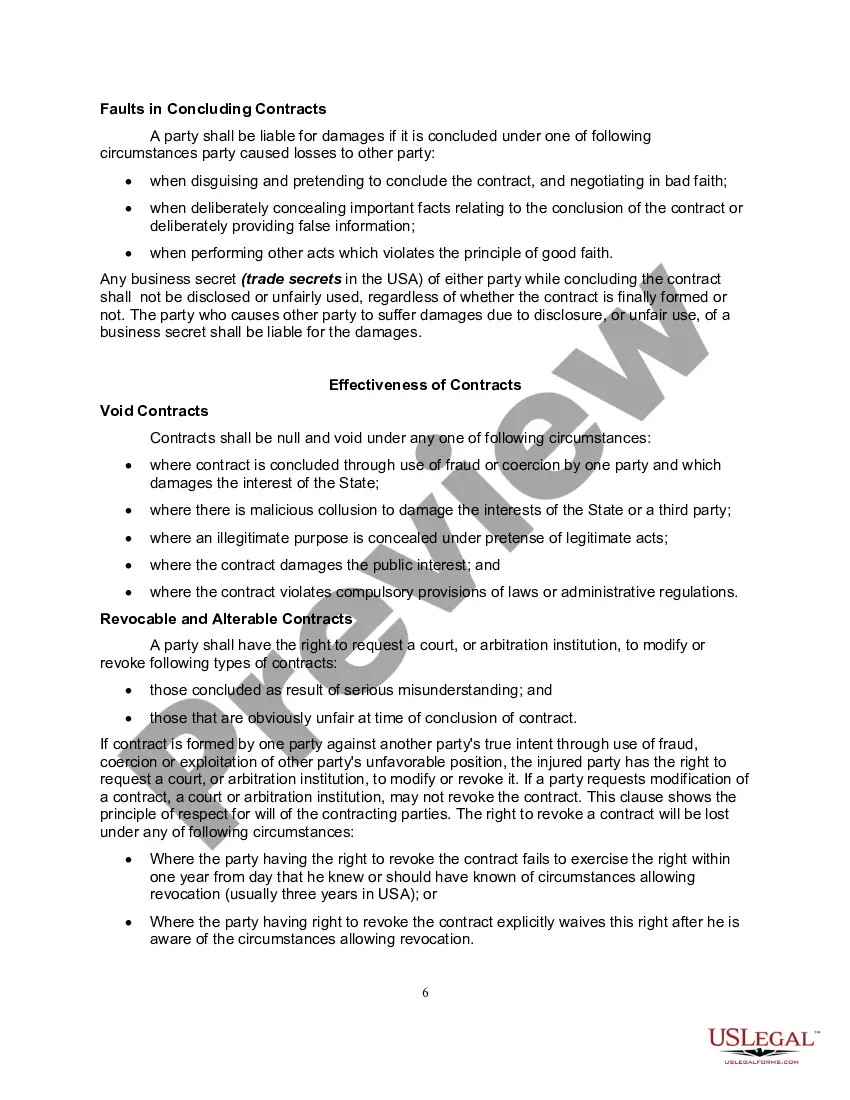
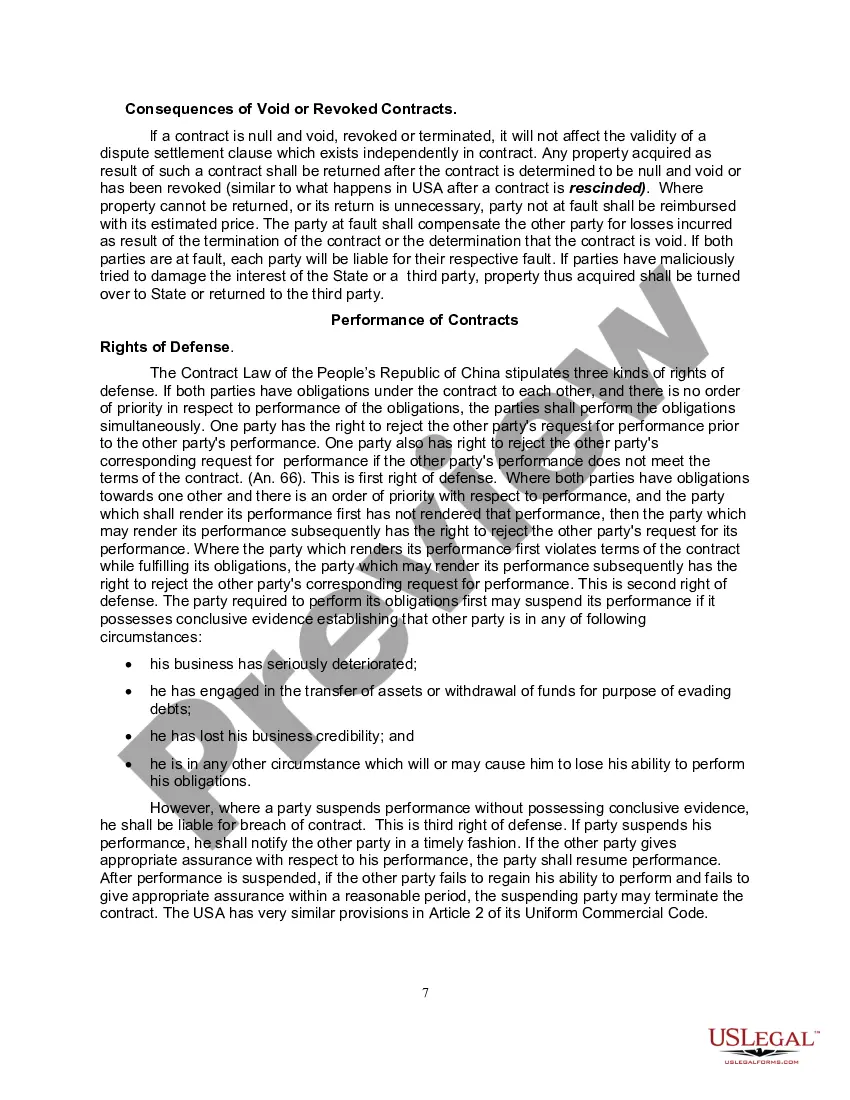
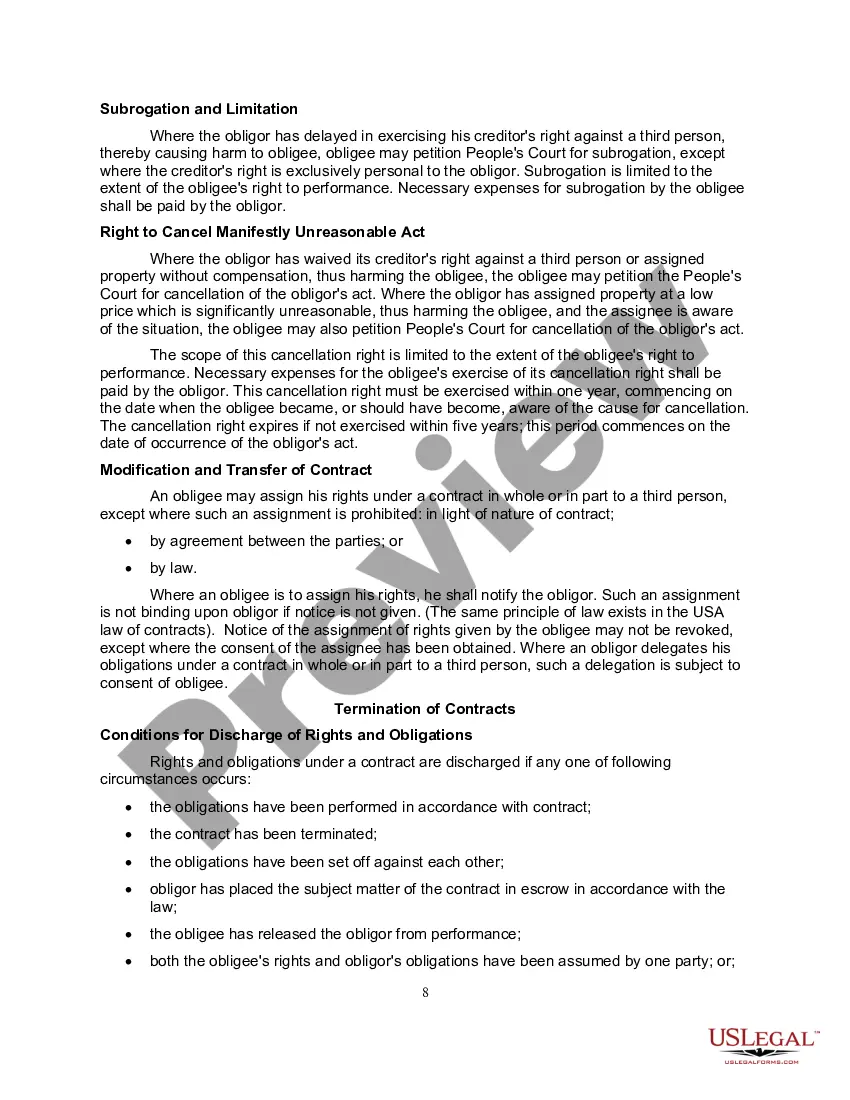
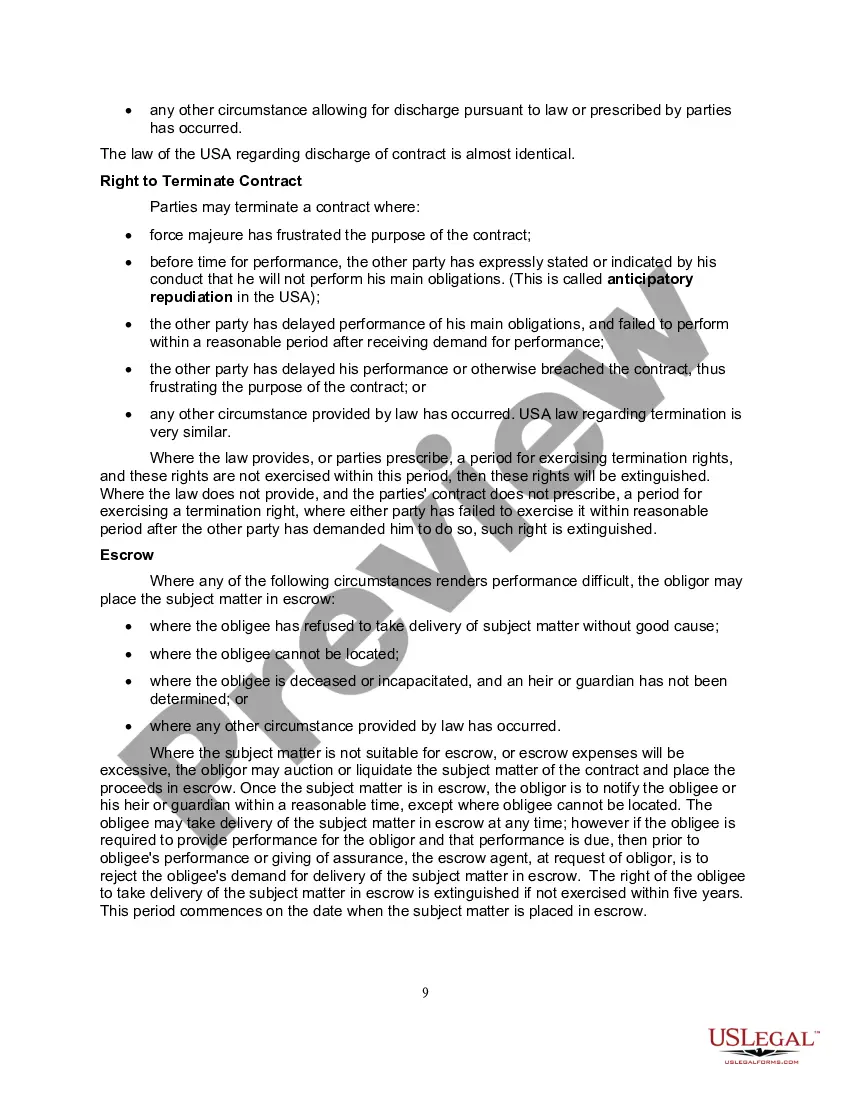
The parties to a contract must either perform, or offer to perform, their respective promises, unless such performance is dispensed with or excused under the provisions of this Act, or of any other law.
For example, A promises to deliver certain goods to B. A takes the goods to the appointed place during business hours but B refuses to take Page 3 the delivery of goods. Thus, A has done what he was required to do under the contract. It is an attempted performance.
The section provides that if by the terms of the contract it appears that the intention of the parties to the contract was such that any promise contained in it must essentially be performed by the promisor himself and no other person on his behalf can perform his promise.
Section 37. Obligation of parties to contracts. Previous Next. The parties to a contract must either perform, or offer to perform, their respective promises, unless such performance is dispensed with or excused under the provisions of this Act, or of any other law.
Acceptance must be absolute. — In order to convert a proposal into a promise the acceptance must— (1)be absolute and unqualified; (2)be expressed in some usual and reasonable manner, unless the proposal prescribes the manner in which it is to be accepted.
Section 37 of Income Tax Act provides deductions on business expenditure excluding capital expenses and the assessee's personal expenses. It contains a list of expenditure which are applicable for deductions and the ones which are disallowed.
It is applicable to all the states of India. It determines the circumstances in which promises made by the parties to a contract shall be legally binding. Under Section 2(h), the Indian Contract Act defines a contract as an agreement enforceable by Law.
151. In all cases of bailment the bailee is bound to take as much care of the goods bailed to him as a man of ordinary prudence would, under similar circumstances, take of his own goods of the same bulk, quality and value as the goods bailed.
Contract execution requires participation from all parties. However, the signatory authorities are the most important participants at this stage. That said, anyone who signs a contract on behalf of a company must have the legal authority to bind the organization to a business agreement.
7 Essential Elements of A Contract Offer. For there to be a contract, there must first be an offer by one party and an acceptance by the other. Acceptance. Acceptance is the agreement to the specific conditions of an offer. Consideration. Intention to create legal relations. Authority and capacity. Certainty.
